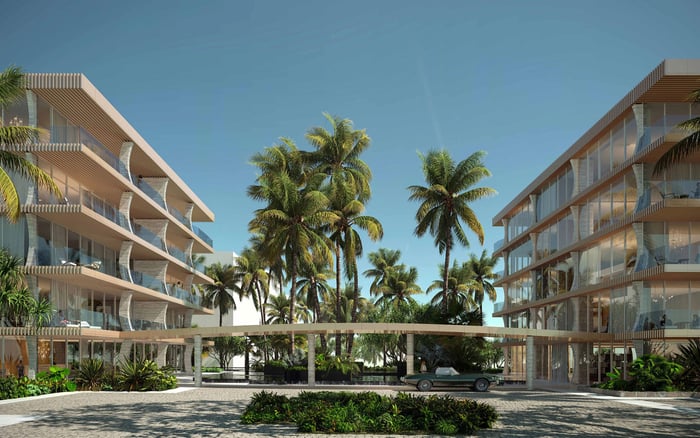
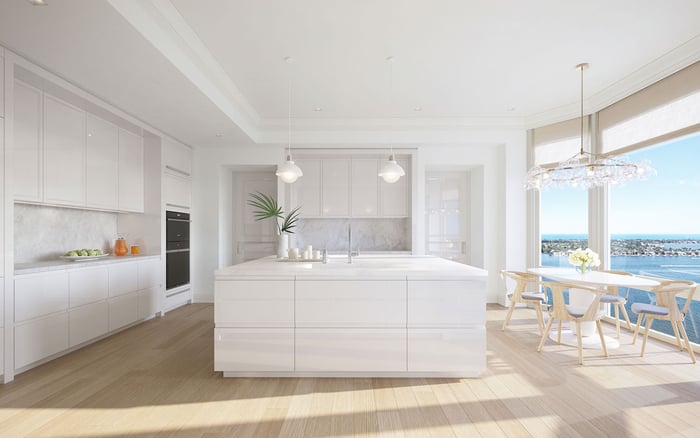
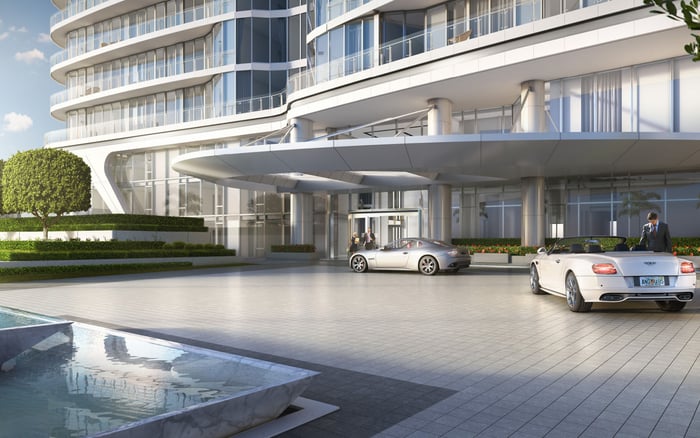
A buyer-focused guide to evaluating climate control, humidity strategy, filtration, glazing, backup power and art placement before purchasing a luxury residence in South Flagler.
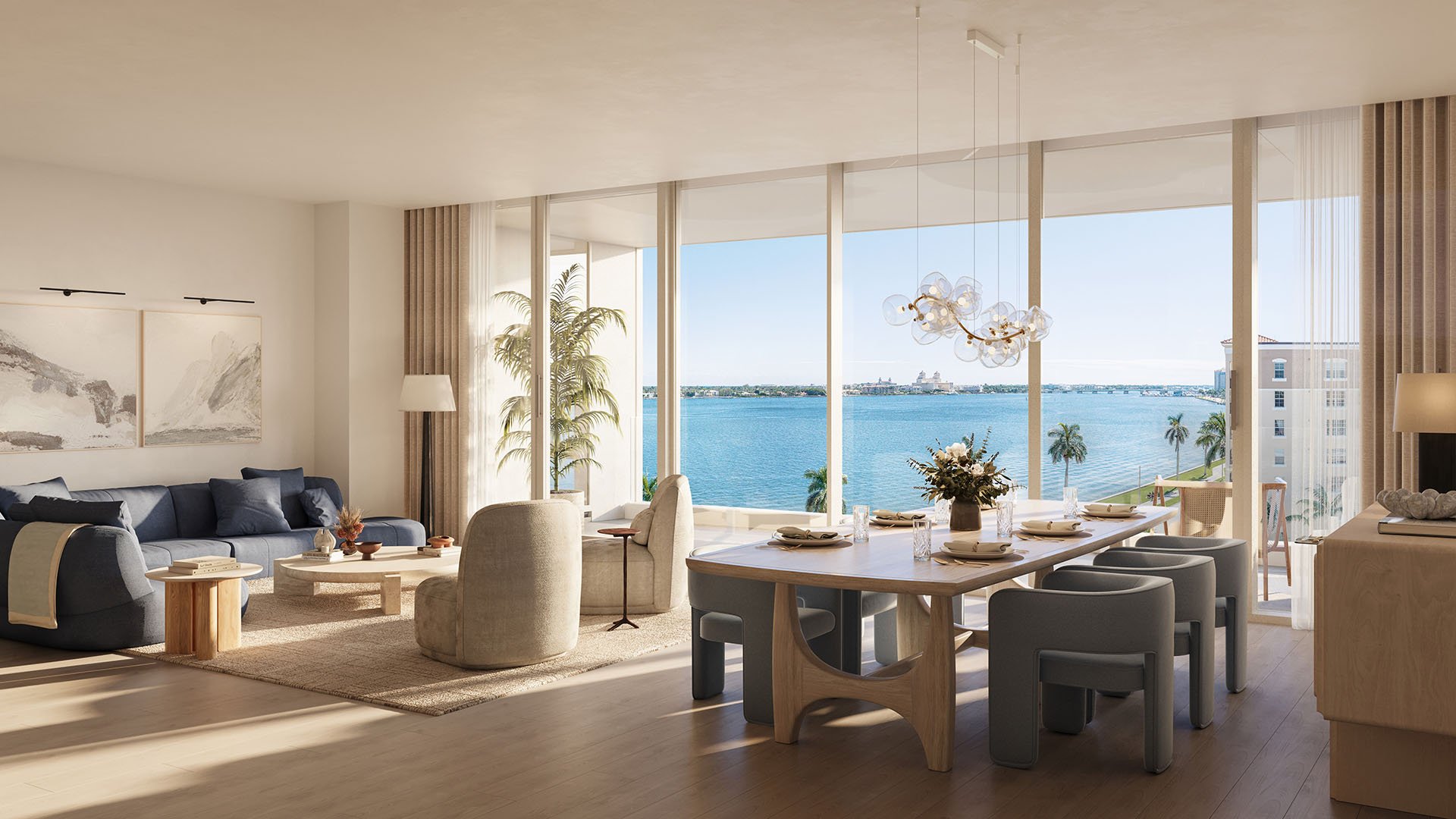
For many South Flagler buyers, a residence is more than a home. It is a private gallery, a seasonal retreat, a setting for entertaining and a long-term vessel for objects with personal, cultural and financial weight. Paintings, works on paper, photography, sculpture, design pieces and rare books all ask more from a property than simple comfort cooling.
The essential question is not whether a home feels cool during a showing. It is whether the environment can remain stable, serviceable and intelligently monitored after the furniture, lighting, people and art arrive. In West Palm Beach, where luxury living often blends indoor refinement with outdoor exposure, that distinction matters.
This is why art-friendly climate control belongs in the earliest stages of a purchase conversation. It should sit beside views, privacy, floor plan and finish quality. For collectors comparing residences along the South Flagler corridor, including South Flagler House West Palm Beach, the right due diligence is less about asking for a brand name and more about understanding how the entire system behaves.
A comfort-focused system responds to how people feel. An art-conscious system is judged by consistency. Ask how temperature and humidity are controlled across main living areas, bedrooms, corridors, storage zones and any intended gallery walls. A residence may feel pleasant in one room while another wall, niche or corner performs differently.
Request a clear explanation of zoning. Which rooms have independent control? Which spaces share a zone? Where are sensors located? A sensor placed in a hallway may not describe conditions near a sunlit art wall, a wine display, a stair volume or a large glass opening.
For waterfront and near-waterfront buyers, ask how the residence is expected to handle daily transitions: doors opening to terraces, entertaining events, seasonal occupancy and periods when the home is unoccupied. Waterfront may be a powerful selling point, but for a collection it should prompt practical questions about envelope performance, condensation risk, maintenance and monitoring.
Temperature gets attention because it is immediate. Humidity is quieter, yet it can shape how materials age. Ask whether the home has a dedicated humidity-management strategy or whether humidity is addressed only indirectly through cooling. Those are very different conversations.
A serious review should cover how humidity is measured, where readings are visible, whether alerts can be configured and who is responsible when the owner is away. If a residence will hold canvas, paper, photographs, textiles or wood objects, involve an art adviser, conservator or collection manager before finalizing wall locations.
In properties such as Maison D'Or South Flagler, buyers should think beyond the primary rooms. Ask about closets used for rotation, arrival areas where crates may temporarily sit, service elevators, storage rooms and corridors. Art moves through a residence before it is hung, and the transition path matters.
The cleanest interiors are not only visually restrained. They are mechanically thoughtful. Ask what filtration is installed, how often filters are intended to be changed and whether replacement access is simple enough for maintenance to happen on schedule.
Fresh air deserves the same clarity. A sealed, refined residence still needs a strategy for air exchange. Ask how outside air is introduced, conditioned and filtered before it reaches sensitive interiors. If cooking, entertaining, candles, flowers, fragrances or frequent deliveries are part of the lifestyle, the air-quality conversation should be specific.
The goal is not to turn a home into a museum. It is to understand how refined daily living and collection stewardship can coexist. The best answers sound practical rather than theatrical: clear maintenance routes, understandable controls, sensible alerts and a team that knows who to call.
Climate control is not only mechanical. It is also architectural. Large windows, dramatic exposures and open plans can be spectacular, but art placement requires scrutiny. Ask which walls are most stable for display, where direct light may fall at different times and how shades or lighting controls integrate with the climate strategy.
The Design & Architecture conversation should happen before closing if art is central to the purchase. Bring the interior designer, lighting designer and art adviser into the same discussion. A beautiful wall may not be the best wall for a fragile work. A secondary wall with less exposure, better service access and cleaner lighting may be far more intelligent.
When touring residences such as Shorecrest Flagler Drive West Palm Beach, ask to walk the home as if the collection were already there. Where would large works go? Where would sculpture sit during a reception? Where would crates arrive, pause and unpack? These questions reveal whether the plan supports both lifestyle and stewardship.
Collectors should ask what happens when normal systems are interrupted. The answer should address backup power, control continuity, alerts and access. A residence that depends on climate stability should not leave the owner guessing while traveling.
Ask whether core systems can be monitored remotely and who receives notifications. Is it the owner, property manager, building engineer or household staff? What conditions trigger an alert? How quickly can someone access the residence if a reading moves outside the desired range?
Also ask how controls are documented. A sophisticated system is only as good as the people using it. If household staff, seasonal guests or property managers adjust settings without understanding the collection, the system can be undermined. Request a simple operating protocol before move-in.
In a condominium setting, the private residence is part of a larger mechanical and operational environment. Ask what the association or building team maintains and what falls to the owner. Clarify service access, maintenance scheduling, vendor approval, after-hours response and any limitations on upgrades.
A buyer comparing Forté on Flagler West Palm Beach with other West Palm Beach options should think in layers: residence systems, building systems, staff responsiveness and the owner’s own collection protocol. The most elegant outcome is not necessarily the most complex one. It is the one that can be maintained consistently.
For buyers using a structured due-diligence framework, the climate-control review belongs before contract deadlines, not after installation day. Once art walls, millwork, lighting and window treatments are set, correcting mechanical oversights can become more intrusive.
Arrive with a short, direct checklist. Ask for the zoning plan. Ask where sensors are placed. Ask how humidity is controlled and monitored. Ask how filters are accessed. Ask whether fresh air is conditioned before it enters the residence. Ask how shades, lighting and glass exposure affect planned art walls.
Then move from systems to operations. Who services the equipment? How often? What documentation will be available to the buyer? What alerts exist? What happens if the owner is away? Which changes require building approval?
If the residence is still in planning or early delivery, as with many new luxury offerings, ask whether coordination is possible before final interiors are complete. At Alba West Palm Beach and other collection-minded addresses, early coordination can help ensure that walls, lighting, controls and mechanical decisions support the way the owner actually lives.
A residence that protects art well usually feels better for people too: quieter controls, more balanced rooms, cleaner air and fewer surprises. Still, the collector’s standard is distinct. It values consistency over drama, serviceability over novelty and quiet competence over visible gadgetry.
Before buying in South Flagler, do not stop at finishes. Ask how the home will perform when closed for a week, filled for a dinner, opened to the terrace, adjusted by staff or monitored from another city. The right questions turn climate control from a hidden utility into a visible part of ownership quality.
Should art-friendly climate control be reviewed before making an offer? Ideally, yes. Early review gives the buyer time to understand systems, request documentation and coordinate art placement before interiors are finalized.
Is temperature control enough for a serious collection? No. Buyers should also ask about humidity, filtration, fresh air, light exposure, backup power and monitoring.
Who should join the climate-control review? Consider involving the interior designer, art adviser, conservator, property manager and a qualified mechanical specialist.
What is the most important question to ask about humidity? Ask whether humidity is managed directly, how it is measured and who receives alerts when conditions change.
Do large windows make a residence unsuitable for art? Not automatically. The key is understanding light exposure, shade control, wall selection and room-by-room stability.
Should every artwork be displayed in the main living room? No. Some works may be better placed on quieter walls with less exposure and more stable conditions.
Why does service access matter? Systems that are difficult to reach are harder to maintain consistently, which can weaken long-term protection.
What should seasonal owners ask? Ask how the residence is monitored while vacant, who can respond locally and how climate settings are protected from casual adjustment.
Can climate-control questions affect interior design? Yes. Wall selection, lighting, shades, millwork and storage plans can all benefit from early mechanical coordination.
Is this only relevant for museum-level collections? No. Any meaningful collection of art, photography, books, design objects or heirlooms benefits from a more disciplined environment.
If you'd like a private walkthrough and a curated shortlist, connect with MILLION.
If branded residences are on your mind — as a home or as an allocation — we would be glad to share what we are seeing, privately.
Begin a quiet conversation