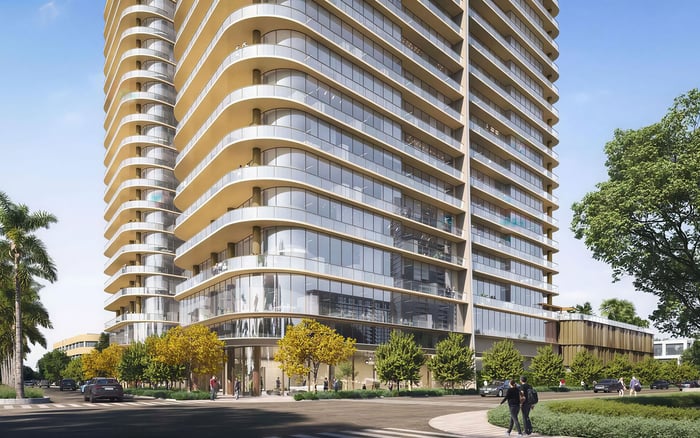
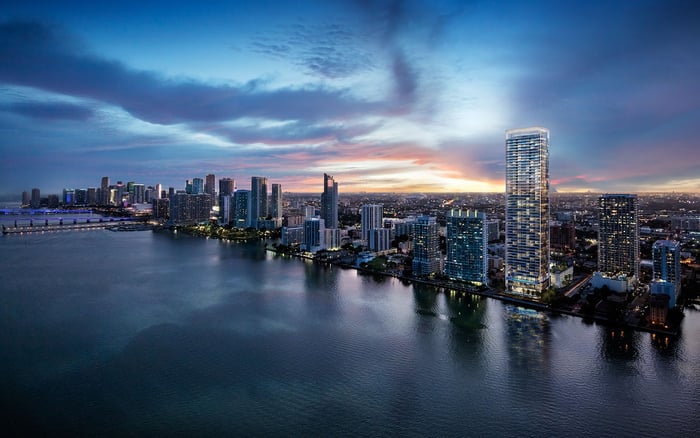
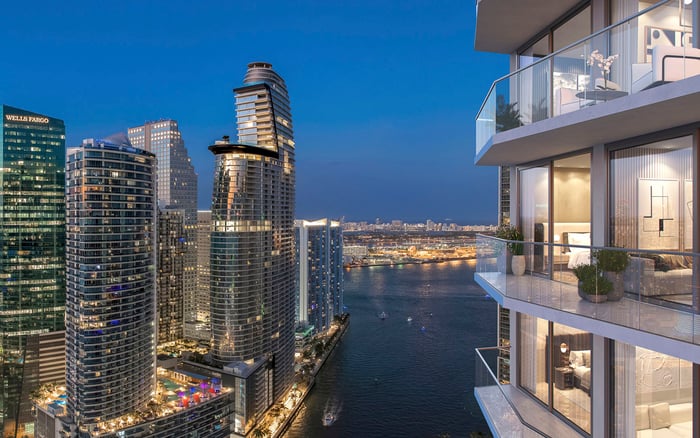
A buyer-focused look at how seasonal ownership, beach access, mainland convenience, and causeway timing shape the lifestyle calculus around Kempinski Residences Miami Design District.
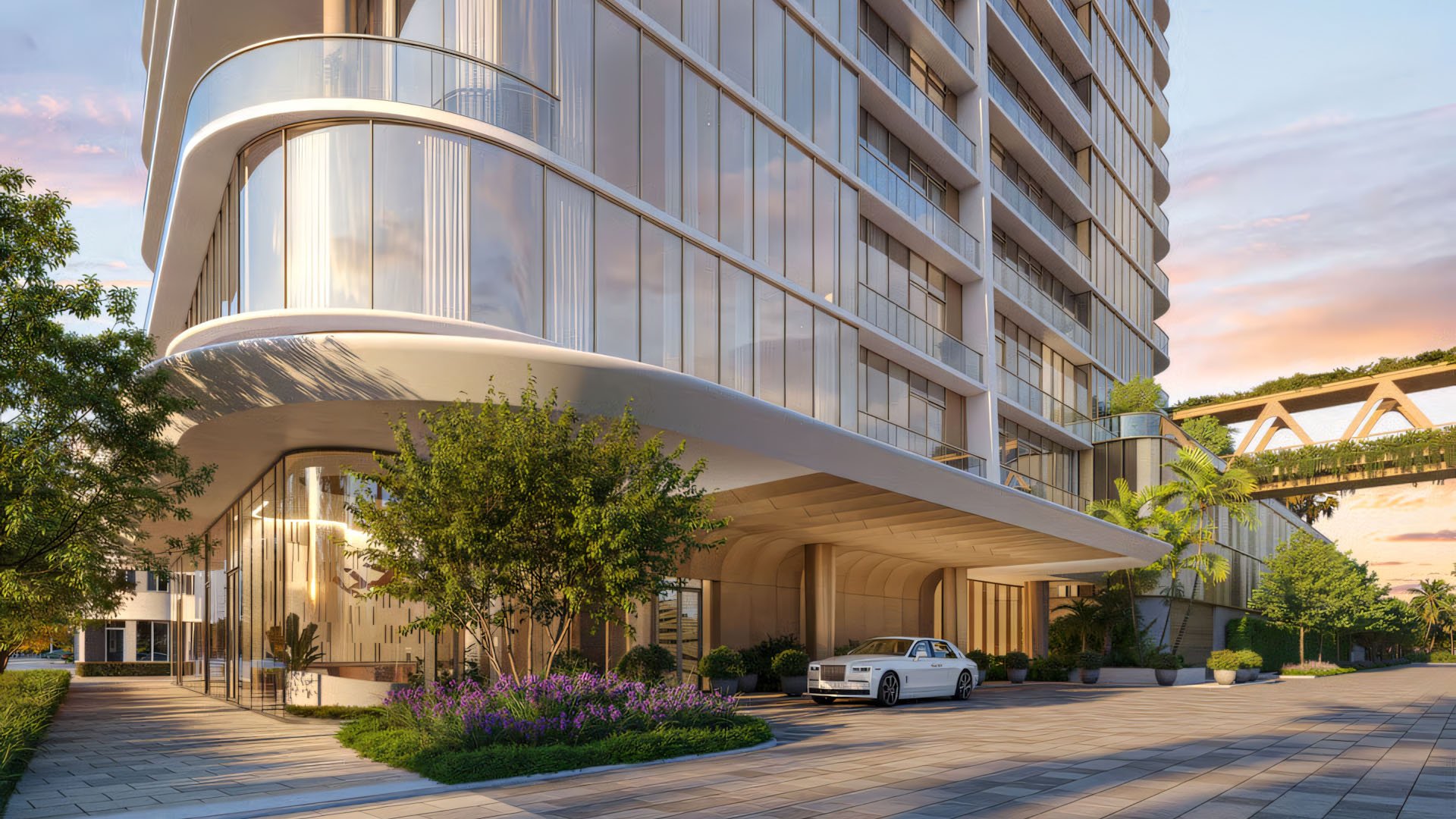
For a seasonal buyer evaluating Kempinski Residences Miami Design District, the most refined question is not simply whether the residence feels exceptional. It is whether the property supports the rhythm of the months when South Florida is at its most animated. Winter arrivals, holiday weekends, art season, yacht plans, dinner reservations, beach clubs, school visits, private aviation transfers, and visiting guests all place pressure on the same urban geography.
That is where causeway bottlenecks become more than a traffic concern. They become a lifestyle variable. A mainland address near the Design District can feel highly strategic, especially for buyers who value design, dining, retail, and cultural access. Yet many seasonal owners also expect fluid movement toward Miami Beach, Bal Harbour, Surfside, Fisher Island connections, and waterfront clubs. The purchase decision should therefore be framed around movement as much as architecture.
Miami’s causeways are psychological thresholds as much as roadways. Crossing from the mainland to the barrier island can feel simple in quiet periods and materially different when demand intensifies. For seasonal owners, the issue is less an occasional delay than predictability. Can one make a dinner booking without building in excessive cushion? Can guests move comfortably between a residence and the beach? Can a family shift between shopping, school visits, marina plans, and airport transfers without turning the day into logistics?
A Design District base offers a different answer than a beachfront condominium. It places the owner on the mainland, closer to certain cultural and urban conveniences, while still preserving access to the beach lifestyle when timing is managed intelligently. Buyers should understand this trade clearly. The prize is not isolation. It is optionality, provided the household accepts that peak-season crossings require planning.
The best way to judge Kempinski Residences Miami Design District is to map a real ownership week. Begin with arrival. A seasonal buyer may land in the late afternoon, collect luggage, meet family, receive house staff, and have dinner arranged within hours. That first transfer can reveal whether the address feels graceful under pressure. Next, test the beach day. Leave at the hour the household would actually leave, not at a convenient touring window. Return when everyone else returns.
Then layer in the life of the building. Service providers, drivers, visiting relatives, children’s activities, pet care, wellness appointments, and restaurant bookings all intersect with access. In luxury real estate, friction is often invisible during a short showing and obvious during ownership. A buyer should ask how the residence handles arrivals, waiting vehicles, package flow, guest coordination, and valet surges. These operational details are often the difference between a beautiful second home and a residence that functions elegantly in season.
The Design District position may appeal most to buyers who do not want their entire Miami life organized around the sand. A mainland setting can support a broader pattern: galleries, boutiques, private dinners, medical appointments, design studios, Wynwood evenings, Edgewater connections, and downtown meetings. For an owner whose Miami calendar is social and cultural, not only coastal, avoiding a mandatory causeway crossing for every mainland activity can be a meaningful advantage.
This is particularly relevant for second-home and investment buyers who think beyond personal weekends. A residence that is easy to use, easy to service, and easy for guests to understand may hold stronger practical appeal than one defined by a single view corridor. The comparison set often includes Miami Beach access, Edgewater convenience, Wynwood energy, new-construction expectations, and the long-term investment logic of owning where daily life is expanding, not merely where postcards are made.
Causeway bottlenecks are not always measured in minutes. They are measured in missed ease. If a buyer imagines spontaneous sunset dinners on the beach every evening, a mainland address may require a more deliberate routine. If the household includes guests unfamiliar with Miami, drivers may need clear instructions and realistic timing. If the owner’s schedule is tightly sequenced, with meetings, wellness sessions, children’s activities, and social events, the buffer between commitments becomes part of the ownership experience.
This does not diminish the appeal of a Design District residence. It sharpens it. The right buyer sees the address as a sophisticated mainland anchor with beach access, not as a beachfront substitute. The wrong buyer assumes the causeway is incidental. In seasonal Miami, infrastructure is part of luxury. Privacy, service, views, amenities, and finishes matter, but so does the route home after a high-demand evening.
A buyer should request a practical access conversation before focusing exclusively on floor plans. How are peak arrival times handled? Where do drivers wait? Is valet designed for high-touch seasonal usage? How does the building manage guests during major Miami weeks? Are there preferred routing habits residents tend to use? What is the most graceful way to reach Miami Beach during the day, and how does that answer change at night?
The goal is not to eliminate friction. No prime urban address can promise that. The goal is to know whether the residence’s advantages outweigh the predictable pressure points. Buyers should also consider personal temperament. Some owners prefer an island setting and accept mainland trips as the inconvenience. Others prefer a mainland base and treat beach crossings as planned moments. Kempinski Residences Miami Design District belongs in that second conversation: urban refinement first, coastal access second, with the causeway treated as a managed variable.
For the ultra-premium buyer, seasonal traffic is not a reason to avoid a residence. It is a reason to buy with precision. Kempinski Residences Miami Design District should be assessed through actual use: when the owner arrives, where the household spends time, how often the beach matters, and whether the Design District’s cultural gravity is central to the lifestyle.
A residence can be luxurious on paper and still misaligned with the owner’s week. Conversely, a mainland property can feel remarkably composed when it reduces the number of everyday crossings and places the owner near the parts of Miami they use most. The most successful seasonal buyers do not ask whether bottlenecks exist. They ask whether the address gives them enough control, enough pleasure, and enough flexibility to make those bottlenecks secondary.
Is Kempinski Residences Miami Design District best for beach-first buyers? It is better framed as a mainland luxury address with beach access, not a pure beachfront substitute. Beach-first buyers should test crossings during the hours they expect to travel.
Why should seasonal buyers care about causeway bottlenecks? Seasonal ownership compresses many activities into peak periods. Small access delays can affect dinners, guest movement, beach plans, and airport transfers.
Should I visit only during quiet traffic windows? No. A serious buyer should experience the address during realistic arrival, dinner, beach, and return times.
Does a mainland location have advantages over Miami Beach? Yes, for buyers who prioritize design, dining, mainland appointments, cultural access, and reduced dependence on crossing for every activity.
How should families evaluate the location? Families should map school visits, activities, pet needs, guests, and service routines. The weekly rhythm matters more than a single tour impression.
Can a driver or valet strategy reduce friction? It can help, especially when arrivals, guest pickups, and dinner departures are coordinated. Buyers should understand how the building handles peak demand.
Is causeway access a resale consideration? It can be part of the lifestyle narrative. Buyers often value residences that make daily movement feel predictable and intuitive.
What is the main tradeoff for seasonal owners? The tradeoff is mainland cultural convenience versus the need to plan certain beach and island trips with more care.
Should investors evaluate the same logistics? Yes. Practical usability can influence how appealing a residence feels to future occupants, guests, or long-term owners.
What is the simplest buyer test? Spend a day following your real Miami schedule from the address. If the timing feels natural, the location may fit your ownership style.
For a tailored shortlist and next-step guidance, connect with MILLION.
If branded residences are on your mind — as a home or as an allocation — we would be glad to share what we are seeing, privately.
Begin a quiet conversation