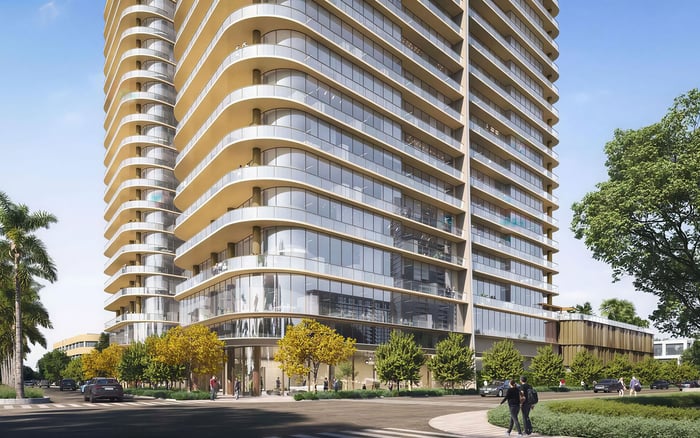
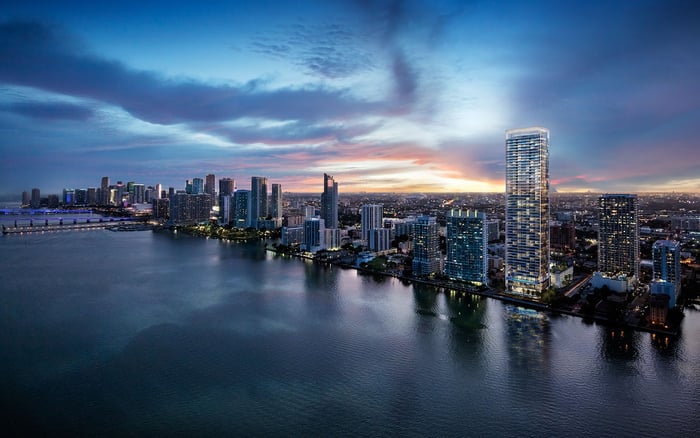
Design Miami gives affluent buyers a sharper lens for evaluating Midtown Miami as a culture-forward pied-à-terre, where design literacy, daily convenience, and district access can matter as much as waterfront spectacle.
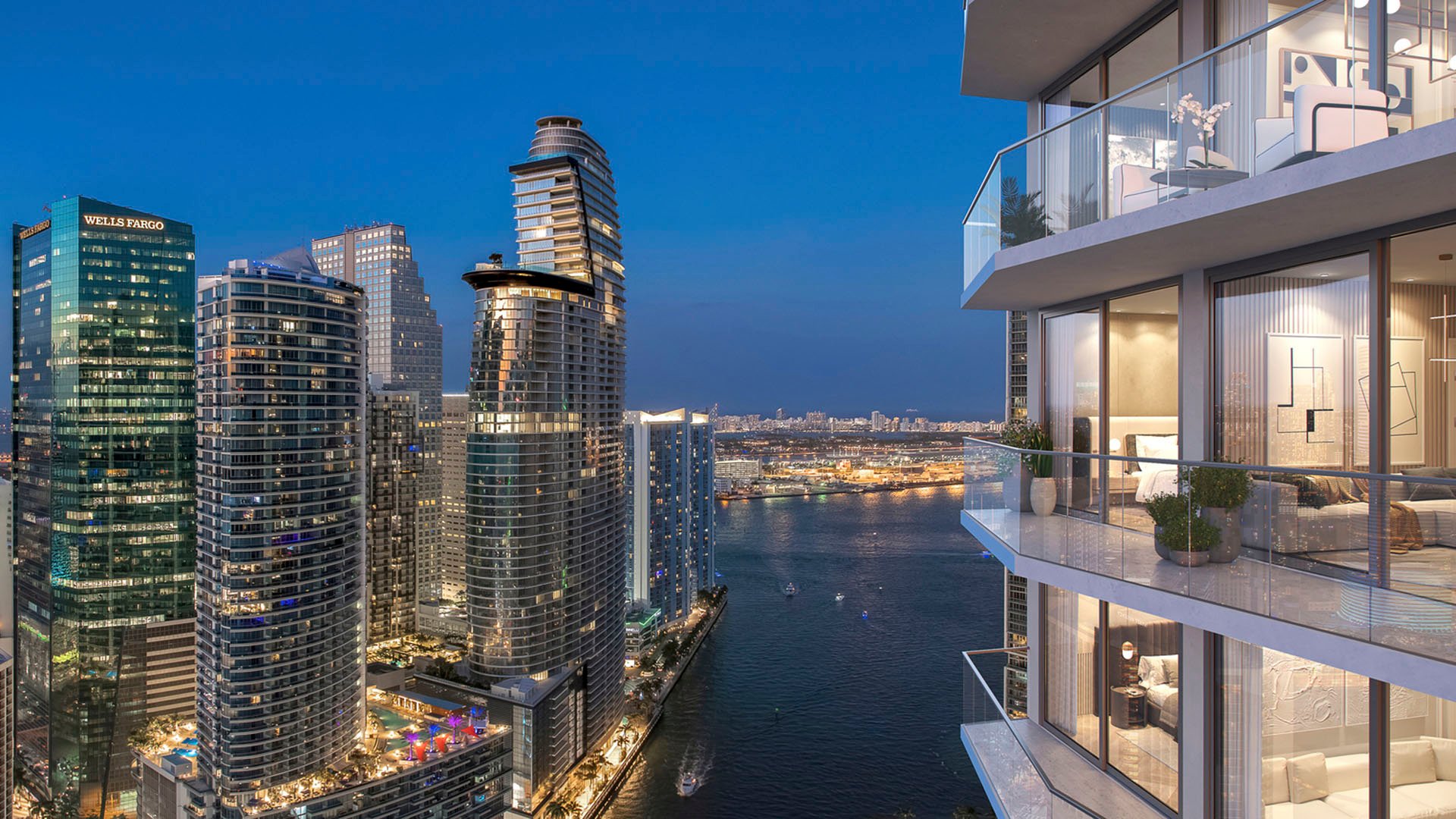
Design Miami has a way of refining the real estate conversation. It shifts attention beyond square footage to proportion, materiality, provenance, and the rhythm of living with objects that carry meaning. For a South Florida buyer considering a pied-à-terre, that shift matters. The stronger question is no longer simply whether a residence is near the beach, but whether it supports the life the owner actually intends to live while in Miami.
That is where Midtown Miami becomes more compelling. A pied-à-terre in this part of the city is not trying to imitate the beachfront resort experience. Its appeal is more urban, more flexible, and often better aligned with collectors, patrons, founders, and internationally mobile buyers who want a base close to Miami’s design, art, dining, and waterfront-adjacent neighborhoods without defaulting to the sand.
A well-positioned Midtown residence can serve as a cultural apartment, a weeklong business base, a winter escape, or a quieter second-home strategy. It is less about spectacle and more about being in the right place when the city’s creative calendar gathers momentum.
Design Miami encourages buyers to think like editors. A collectible chair, a commissioned table, or a hand-finished surface is judged not only by appearance, but by context. The same discipline applies to a residence. Does the building have architectural clarity? Are the interiors adaptable to meaningful art and design? Is the location connected to the owner’s real routines?
In Midtown, the answer can be persuasive for buyers who value access over pageantry. The neighborhood’s centrality to Miami’s creative corridor allows a pied-à-terre to function as a practical point of arrival. From here, an owner can move toward Wynwood, Edgewater, the Design District, Downtown, Miami Beach, and Brickell without framing every day around a resort itinerary.
This is the core advantage. A Midtown pied-à-terre can be less formal than a primary residence, yet more considered than a crash pad. It should feel like a precise instrument: easy to open, easy to secure, elegant enough for private dinners, and resilient enough for frequent travel.
Midtown Miami benefits from being between identities. It is not purely financial, as Brickell can be. It is not purely waterfront, as Edgewater often reads. It is not purely gallery-driven, as Wynwood can feel during peak moments. Its strength is the ability to connect these experiences into one usable address.
That middle-ground quality is especially relevant for owners who visit Miami around design, art, hospitality, and private social calendars. The location does not need to be the loudest address in the city to be effective. In many cases, the more intelligent purchase is the one that gives the owner optionality: dinner nearby, a morning meeting across the bay, an afternoon with galleries, and a quiet return to a residence that feels composed.
This is why projects such as Miami Design Residences Midtown Miami deserve attention within a design-led search. The name alone should not determine the decision, but a Midtown address aligned with a design-forward lifestyle can help focus the buyer’s criteria around daily use rather than seasonal fantasy.
Better-positioned does not always mean larger, higher, or closer to the ocean. For a pied-à-terre, it often means a sharper fit. The best unit may be one with intuitive circulation, strong natural light, a useful terrace, calm bedroom separation, and enough wall space for art without forcing the interiors to compete with the collection.
A better-positioned building also respects privacy. Owners who arrive for a long weekend may value efficient valet flow, discreet common areas, thoughtful security, and amenity spaces that feel usable rather than theatrical. The building should support arrival and departure gracefully. It should not require the owner to manage friction.
For investment-minded buyers, positioning also includes durability of appeal. A residence tied only to novelty can age quickly. A residence connected to a mature lifestyle pattern, especially one involving design, culture, dining, wellness, and business access, can feel more resilient. The buyer is not simply purchasing proximity. The buyer is purchasing repeatable relevance.
South Florida luxury buyers have long been trained to think water first. That instinct remains powerful, and for many owners it is correct. But Design Miami invites a different lens: what if the more sophisticated pied-à-terre is not the one with the most obvious postcard view, but the one that places the owner closest to the city’s creative pulse?
A buyer who wants a pure waterfront expression may still gravitate to Edgewater, where projects such as EDITION Edgewater frame the decision around skyline living and bay proximity. A buyer who wants a more curated cultural base may compare that option with Midtown, where the value proposition is less about a single view and more about the constellation of nearby experiences.
The same comparison can extend west toward Wynwood. A project such as Frida Kahlo Wynwood Residences speaks to buyers drawn to an art-centric identity. Midtown’s case is subtler. It can offer proximity to that energy while preserving a slightly more residential, in-between posture.
The strongest Midtown pied-à-terre should be judged room by room. The entry sequence matters because it sets the tone after travel. The living area should accommodate both solitude and a small gathering. The kitchen should be elegant enough to remain visible, even if the owner dines out often. The primary suite should feel restorative, not merely efficient.
In a new-construction search, buyers should look past the renderings and ask how the residence will live once furnished. Can a serious dining table fit without crowding the circulation? Is there enough lighting flexibility for art? Are the finishes calm enough to support personal pieces? Does the terrace feel like a true outdoor room or simply a marketing feature?
A design-aware buyer may also compare Midtown with nearby design-oriented addresses, including Kempinski Residences Miami Design District. The point is not to reduce the decision to a single neighborhood label. It is to locate the address that best supports the owner’s private version of Miami.
Brickell remains relevant for buyers whose Miami life is anchored by finance, business dining, and a more vertical urban rhythm. A residence such as 2200 Brickell may appeal to those who want a polished city address with immediate access to that environment.
Midtown’s counterargument is not that it is more prestigious in every case. It is that prestige can be personal. For a collector, designer, entrepreneur, or culturally active household, the better base may be the one that reduces the distance between arrival and inspiration. Design Miami strengthens that case because it reminds buyers that luxury is not only where one sleeps. It is how intelligently a residence supports the life around it.
Why consider Midtown Miami for a pied-à-terre? Midtown can offer a practical cultural base for buyers who want access to design, dining, art, and nearby urban districts without relying on a beach-first lifestyle.
Does Design Miami make Midtown more relevant to buyers? It can sharpen the lens. Buyers who value collectible design may become more attentive to architecture, interiors, and proximity to Miami’s creative neighborhoods.
Is Midtown a substitute for Miami Beach? Not exactly. Midtown is better viewed as an urban alternative for buyers who prioritize access, flexibility, and cultural convenience over direct beach living.
What should a design-minded buyer look for inside the unit? Prioritize natural light, balanced proportions, art-friendly walls, quiet bedrooms, and living spaces that can host intimate gatherings comfortably.
Is a smaller pied-à-terre acceptable for luxury buyers? Yes, if it is well planned. In a pied-à-terre, efficiency, finish quality, privacy, and location can matter more than sheer size.
How does Midtown compare with Edgewater? Edgewater often emphasizes bay proximity and skyline living, while Midtown may feel more centered around cultural mobility and neighborhood connectivity.
How does Midtown compare with Wynwood? Wynwood carries a stronger art-district identity, while Midtown can provide nearby access with a more balanced residential posture.
Should Brickell buyers also consider Midtown? Yes, especially if their Miami routine extends beyond business meetings into design, dining, galleries, and private cultural events.
Is new-construction important for a pied-à-terre? It can be useful because newer buildings may offer contemporary layouts, amenity programs, and lock-and-leave convenience suited to part-time ownership.
What is the main investment logic for Midtown? The logic is lifestyle durability: a well-located residence tied to culture, access, and daily usability may remain relevant beyond a single market mood.
For a confidential assessment and a building-by-building shortlist, connect with MILLION.
If branded residences are on your mind — as a home or as an allocation — we would be glad to share what we are seeing, privately.
Begin a quiet conversation