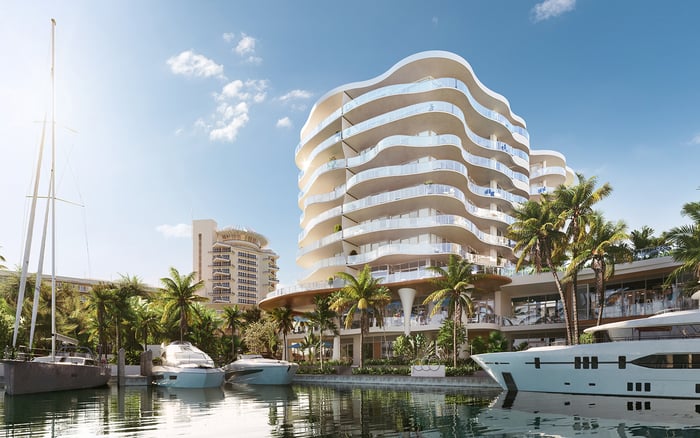
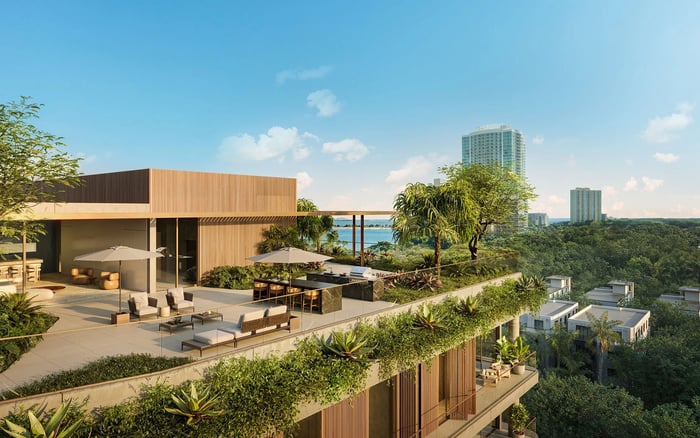
A discreet buyer guide to bridge-clearance planning, vessel access, and contract-level diligence for purchasers evaluating Kempinski Residences Miami Design District in 2026.
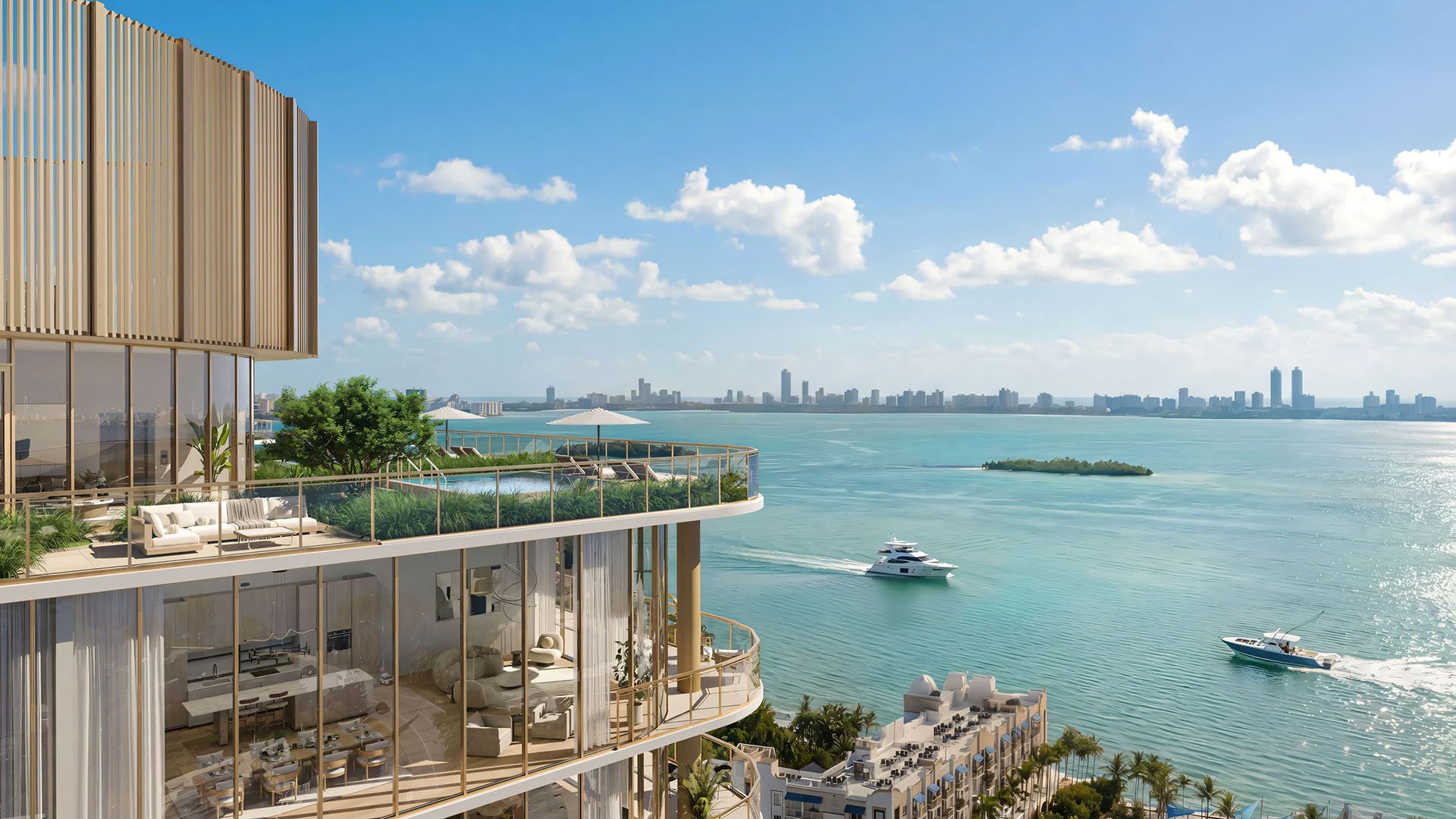
Kempinski Residences Miami Design District invites a particular kind of buyer conversation: less about spectacle, more about control. In 2026, Miami’s most sophisticated residential decisions are likely to be measured not only by architecture, service culture, and interior finish, but by how precisely ownership supports the life around the home.
For many ultra-premium buyers, that life includes the water. Even when a residence is not defined by a private dock, the ability to move between home, marina, club, restaurant, beach, airport, and boat becomes part of the real asset. Bridge-clearance planning sits inside that larger equation. It is not a niche marine topic. It is a buyer test for whether a Miami acquisition has been studied with the seriousness it deserves.
The point is not to turn every purchaser into a captain or marine engineer. It is to ensure that the buyer’s intended lifestyle, especially one involving a yacht, tender, center console, sport boat, or charter rhythm, has been tested before a contract becomes a long-term ownership decision.
Bridge clearance can determine which vessel works, which marina works, which route works, and which timing works. A buyer who waits until after closing to ask those questions may discover that the romantic version of Miami waterfront living requires operational adjustment. The stronger approach is more elegant: define the intended boating use first, then test the property decision against it.
For purchasers considering Kempinski Residences Miami Design District, that means asking how the residence supports access to the broader Miami lifestyle rather than assuming proximity alone solves everything. The Design District buyer often values art, dining, fashion, and cultural convenience. If boating is part of the family’s use pattern, the marine plan should be integrated with the same care as parking, privacy, staff access, school commute, and airport timing.
This is where a new-construction and pre-construction mindset becomes useful. Buyers should use the period before final commitment to assemble practical answers. What vessel is contemplated? Where will it be kept? What is the height with antennas, radar, tower, hardtop, or folded equipment? Does the intended route involve fixed bridges, operating bridges, restricted passages, tide-sensitive moments, or seasonal congestion? None of these questions diminishes the luxury of the purchase. They protect it.
A serious buyer file should include four elements. First is the vessel profile. This is not merely length. Air draft, beam, draft, tower configuration, electronics, and folding components all matter. A vessel that seems modest by length may still create clearance concerns if its upper structure is significant.
Second is the route map. The residence, the preferred marina, the likely cruising grounds, the club, the service yard, and the family’s favorite waterfront destinations should be considered together. A route that looks simple on a phone map may be very different when translated into actual navigation.
Third is the timing study. Tide, daylight, bridge operations, traffic on the water, weather tolerance, and family schedule all shape usability. The question is not simply whether a passage is possible. The question is whether it is pleasant, repeatable, and aligned with how the owner actually lives.
Fourth is the service plan. Where will the boat be maintained? Who will move it when the owner is away? How will storm preparation be handled? Where do fuel, cleaning, detailing, crew access, and provisioning fit into the pattern? In the ultra-premium market, convenience is not accidental. It is designed.
The Miami Design District buyer is often choosing a cosmopolitan base rather than a purely nautical compound. That distinction matters. A residence may be selected for cultural access, privacy, design pedigree, and urban ease, while the boating component is solved through a separate marina relationship, club membership, yacht management arrangement, or nearby storage strategy.
That is not a compromise if planned correctly. In fact, it may be the most refined solution for a buyer who wants both city energy and water access without allowing the boat to dominate the residence decision. The key is honesty about frequency. A buyer who expects spontaneous evening cruises needs a different operational model than a buyer who uses a vessel on select weekends or during season.
The same logic applies to waterview expectations. A view of water, access to water, and command over a boat are separate privileges. They can overlap, but they should not be confused. In Miami, the best purchases are often those where the buyer understands exactly which privilege is being acquired and which will be arranged elsewhere.
Bridge-clearance planning should become part of the broader acquisition checklist. Buyers can ask their advisory team to review marine access, marina availability, route constraints, insurance implications, and any operational assumptions that affect the intended lifestyle. The legal contract may not need to become a marine document, but the buyer’s diligence file should be complete enough to avoid vague reliance on optimism.
This is especially important for international and second-home purchasers who may not be present to test conditions themselves. A discreet local team can coordinate vessel measurements, marina conversations, captain input, and timing review before decisions harden. That work is often invisible, yet it is precisely what distinguishes a polished purchase from an expensive assumption.
Investment thinking also benefits from this discipline. Even if a future buyer does not own the same type of vessel, a residence supported by clear lifestyle planning tends to present more confidently. The next purchaser can understand the ownership pattern, not just the floor plan. In a market where buyers compare neighborhoods, service offerings, beach access, airport convenience, and privacy, operational clarity can be part of the property’s appeal.
A buyer may compare Kempinski Residences Miami Design District with residences in Miami Beach, bayfront enclaves, island settings, or more traditional waterfront neighborhoods. The correct comparison is not simply price per square foot or view orientation. It is the total pattern of use.
If the family’s priority is culture, dining, and design, the Design District framework may be compelling. If the family’s priority is immediate dock-to-open-water ease, a different geography may deserve study. If the family wants both, the solution may involve separating the residence from the vessel location and treating the boat as a managed lifestyle asset.
That distinction is increasingly relevant in 2026 because buyers are more exacting. They want the home to perform. They want the week to work. They want guests, drivers, captains, chefs, trainers, security teams, and family members moving through the ownership experience without friction. Bridge clearance is one small phrase for a much larger standard: no surprises.
The strongest buyers will approach Kempinski Residences Miami Design District with a calm, layered checklist. They will study the residence, the neighborhood, the service proposition, and the resale narrative. They will also test the less glamorous details that determine daily satisfaction.
Bridge-clearance planning belongs in that category. It is technical, but the result is emotional. It can preserve spontaneity, reduce inconvenience, and align the dream of Miami ownership with the reality of moving beautifully through the city.
For MILLION readers, the practical standard is simple. Do not buy the residence in isolation. Buy the use pattern. Buy the route. Buy the morning, the evening, the guest arrival, the boat day, the dinner reservation, the quiet return home. A luxury property is not only an address. It is a choreography.
Why is bridge clearance relevant to a Design District residence? Because many buyers pair an urban Miami residence with a separate boating lifestyle. The route between home, marina, and open water should be tested before purchase.
Should bridge-clearance planning happen before contract signing? Ideally, yes. Early review gives the buyer time to confirm vessel assumptions, marina options, and route practicality.
What vessel detail matters most for clearance? Air draft is critical, including towers, antennas, radar, hardtops, and any equipment that changes the vessel’s true height.
Is length enough to determine whether a boat will work? No. Length is only one measure, while height, beam, draft, and equipment configuration can all affect usability.
Can a buyer solve boating needs without living directly on the water? Yes. Many buyers separate the residence from the vessel location through a marina, club, or management arrangement.
Does tide affect bridge-clearance planning? It can. Timing, water levels, bridge operations, and route conditions should be considered together.
Who should review the route? A qualified captain, marine advisor, or yacht manager can help evaluate vessel fit, route comfort, and operating rhythm.
Is this mainly an issue for large yachts? Not necessarily. Smaller vessels with towers or fixed upper structures may also require careful clearance review.
Can bridge planning affect resale confidence? It can support a clearer ownership narrative by showing how the residence fits a practical Miami lifestyle.
What is the simplest buyer takeaway for 2026? Treat marine access as part of lifestyle diligence, not as an afterthought once the residence has been selected.
For a tailored shortlist and next-step guidance, connect with MILLION.
If branded residences are on your mind — as a home or as an allocation — we would be glad to share what we are seeing, privately.
Begin a quiet conversation