A disciplined Fort Lauderdale preconstruction condo purchase depends on more than design. Serious buyers weigh micro-location, sponsor execution, building resilience, governance, operating costs, and future resale depth before committing capital.
A preconstruction condo in Fort Lauderdale becomes a serious long-term purchase when it is evaluated less like a brochure and more like a balance sheet with a view. Renderings matter. So do ceiling heights, terraces, arrival sequences, amenity design, and the emotional pull of a new residence. But the durable purchase rests on quieter questions: whether the site will remain desirable, whether the developer can execute, whether the association will be healthy, and whether the unit will be legible to the next sophisticated buyer.
Fort Lauderdale has a distinct appeal for buyers who want a South Florida lifestyle without defaulting to Miami density. That does not make every new tower a long-term hold. It means the buyer must separate enduring scarcity from temporary newness. A strong acquisition case connects personal use, carrying cost, construction credibility, and resale strategy before the first deposit is wired.
In preconstruction, buyers often study the building before they study the block. That is backwards. The address, approach, surrounding uses, traffic rhythm, water orientation, and everyday convenience determine whether a residence will feel effortless years after delivery. A spectacular amenity deck cannot compensate for a location that feels compromised at the ground level.
The most resilient purchases tend to have a simple story. A future buyer should understand the value immediately: waterfront calm, walkable access, proximity to boating, beach living, urban convenience, or a rare combination of these traits. If the explanation requires too much persuasion, the exit may be thinner than expected.
For an internal acquisition memo, the shorthand may read Fort Lauderdale, preconstruction, new construction, investment, waterview, or marina, but the serious work sits beneath those labels. The buyer should ask how the location functions at breakfast, during a storm, on a weekend evening, and when guests arrive. Long-term value is often hidden in these ordinary rituals.
Luxury buyers have become fluent in the language of new development. They can distinguish genuine planning from decorative excess. A serious long-term condo should have a coherent product thesis: gracious proportions, usable outdoor space, logical storage, private circulation where possible, serviceable kitchens, and amenities that age with dignity.
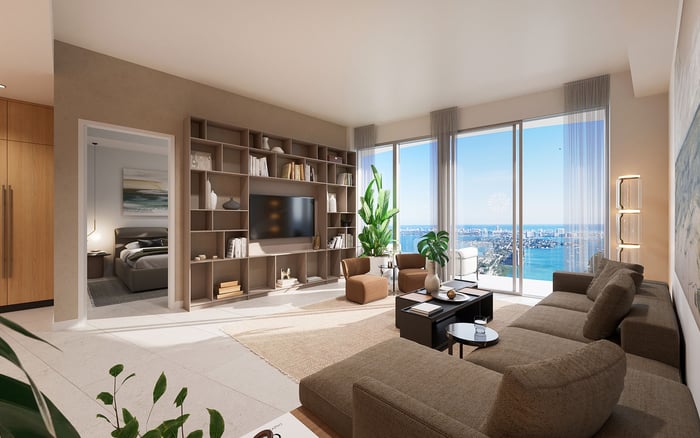
The best floor plan is not always the largest. It is the one with the fewest compromises. Buyers should study how the residence lives when fully furnished, where art can hang, how sunlight moves through the rooms, where staff or guests circulate, and whether bedrooms feel private. A preconstruction purchase that works only in a rendering may struggle once real furniture, real routines, and real maintenance enter the picture.
This is where comparing neighboring projects can be clarifying. A buyer looking at Four Seasons Hotel & Private Residences Fort Lauderdale may be considering a different lifestyle promise than one studying Sixth & Rio Fort Lauderdale, yet both should be judged with the same discipline: Does the product match how the owner will actually live, and will that logic remain clear to the resale market?
In preconstruction, the developer is not a background figure. Sponsor quality influences design decisions, construction management, delivery communication, budget discipline, and the tone of the building after completion. Buyers should pay attention to whether the offering feels complete and consistent, or whether it leans too heavily on a brand name, a view corridor, or a single amenity.
A serious buyer asks direct questions. Who is responsible for execution? How does the team communicate changes? What is included, what is optional, and what could shift before closing? How are common areas being specified for long-term durability? The answers reveal whether the project is being planned as a lasting residential asset or as a launch campaign.
Brand affiliation can matter, but it is not a substitute for fundamentals. The role of a brand should be to sharpen service culture and design identity, not to obscure operating cost, governance, or unit quality. If the acquisition case only works because of the name on the porte cochere, it is not yet a complete case.
In coastal South Florida, resilience is not a technical footnote. It is part of luxury itself. A building that is difficult to insure, complicated to maintain, or expensive to operate can erode the ownership experience even if the residence is visually beautiful. Buyers should understand the design approach to weather exposure, exterior materials, mechanical systems, water management, and long-term service access.
This is especially important for buyers who plan to hold through multiple ownership cycles. The most elegant buildings are not always the simplest to maintain. Glass, terraces, pools, landscaping, elevators, marine elements, and hospitality-style amenities all require thoughtful budgeting. The question is not whether maintenance will exist. It is whether the building has been planned with maintenance in mind.
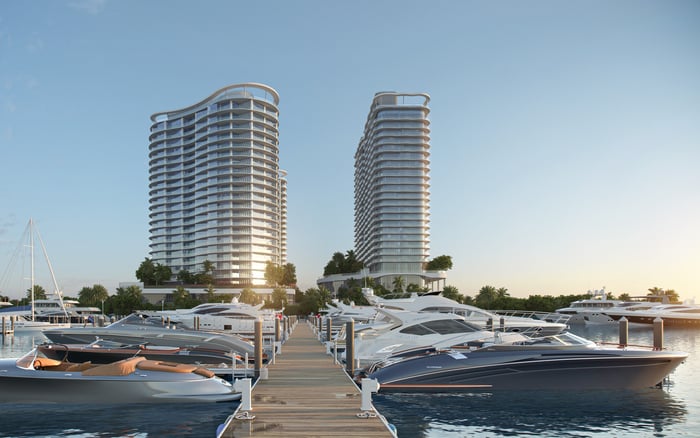
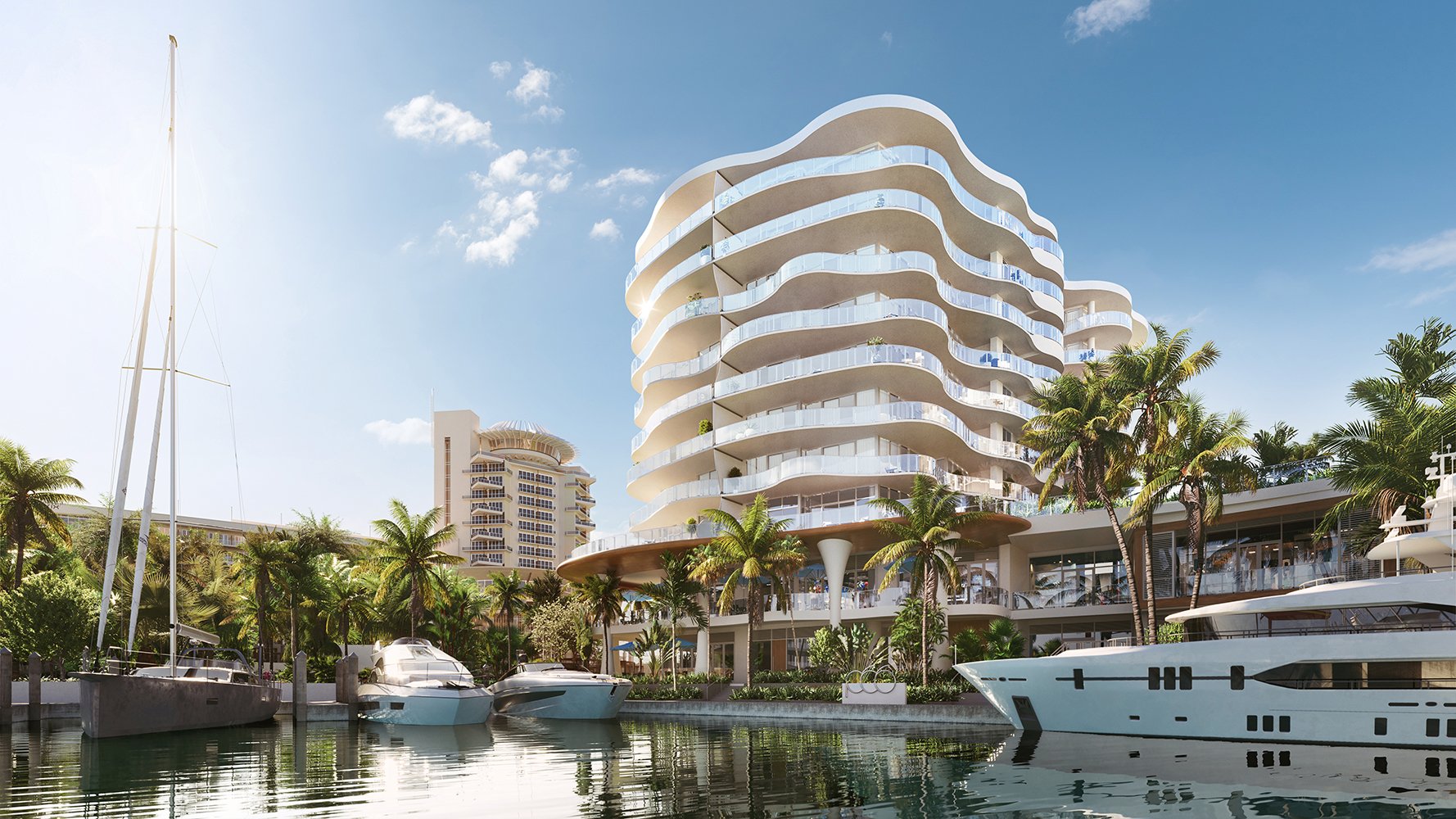
When comparing waterfront and near-water offerings such as Riva Residenze Fort Lauderdale and St. Regis® Residences Bahia Mar Fort Lauderdale, the disciplined buyer looks beyond the first impression. The conversation should include durability, access, association planning, and how the building will feel after the early glow of delivery has passed.
A condominium is a shared financial organism. The private residence may be owned individually, but the building’s reputation is shaped collectively. Rules, budgets, rental policies, reserve planning, staffing, and board culture all influence daily living and long-term liquidity.
Preconstruction buyers should review proposed governance with the same seriousness they bring to finishes. A building that permits a use pattern inconsistent with its luxury positioning may face wear, turnover, and reputational drift. Conversely, a building with overly rigid policies may narrow the buyer pool later. The right structure supports the intended lifestyle while preserving marketability.
Operating cost deserves special attention. Monthly expenses should be understood not as an afterthought, but as part of total purchase price. Concierge, valet, pools, wellness spaces, dining concepts, security, landscaping, insurance, and reserves all contribute to the experience. They also shape the future buyer’s perception of value.
A long-term purchase should still be underwritten with an exit. That does not mean the buyer is speculating. It means the buyer respects that life changes. Family needs shift. Tax planning evolves. A second home can become a primary residence, or the reverse. The strongest preconstruction choices are those that can be explained cleanly in any market.
Liquidity often favors residences with broad appeal and limited flaws. A dramatic specialty unit may be perfect for one buyer and puzzling to many others. A more balanced floor plan, with strong views, rational room sizes, and a credible building story, may draw deeper demand when it is time to sell.
The buyer should also consider whether the residence will compete against too many similar units at resale. If several comparable lines, exposures, or floor plans exist, pricing power may be less distinctive. Scarcity should be real, not merely described. The goal is not to buy the most theatrical option. It is to buy the option that remains desirable after the market has moved on to the next launch.
The best preconstruction acquisition rarely feels frantic. It feels deliberate. The buyer can explain why this site, why this sponsor, why this floor plan, why this building culture, and why this carrying cost. The decision may still be emotional, as all great residential decisions are, but the emotion is supported by structure.
Fort Lauderdale rewards this kind of patience. Its luxury market is varied enough to offer choice, yet selective enough that weaknesses are eventually exposed. A serious long-term purchase is not simply a bet on growth. It is a residence that can be lived in, maintained, governed, insured, enjoyed, and eventually resold with a clear narrative.
What is the first thing to evaluate in a Fort Lauderdale preconstruction condo? Start with the location and how it functions daily. The building should make sense within its immediate setting before its amenities are considered.
Does a brand name make a preconstruction condo safer to buy? A brand can add service identity and recognition, but it does not replace due diligence. Sponsor execution, governance, and operating costs still matter.
How should buyers think about views? Views are important, but they should be weighed with floor plan quality, privacy, exposure, and long-term marketability. A view alone is not a complete investment case.
Why are operating costs so important? They affect both ownership comfort and resale appeal. High-service buildings must show that their monthly costs support a durable lifestyle proposition.
Should investors prioritize the largest unit they can afford? Not necessarily. A well-proportioned residence with fewer compromises can be more liquid than a larger unit with an awkward plan.
What makes a floor plan more resilient for resale? Clear circulation, practical storage, private bedrooms, usable terraces, and flexible entertaining areas tend to age well. Buyers should avoid layouts that depend on staging tricks.
How does condo governance affect long-term value? Governance shapes rental rules, building standards, budgets, reserves, and daily culture. A well-run association helps protect the asset’s reputation.
Is preconstruction mainly a lifestyle purchase or an investment? For serious buyers, it is both. The residence should satisfy personal use while still making sense under a disciplined long-term ownership analysis.
When should a buyer begin planning an exit strategy? Before signing. A clear resale story helps confirm that the purchase is not dependent on perfect market conditions.
What is the hallmark of a serious long-term purchase? It can be explained calmly: location, product, sponsor, resilience, governance, cost, and liquidity all support the decision.
If you'd like a private walkthrough and a curated shortlist, connect with MILLION.
If branded residences are on your mind — as a home or as an allocation — we would be glad to share what we are seeing, privately.
Begin a quiet conversation