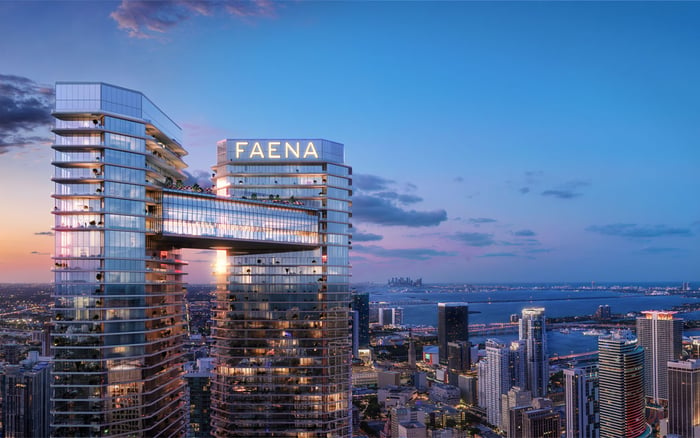
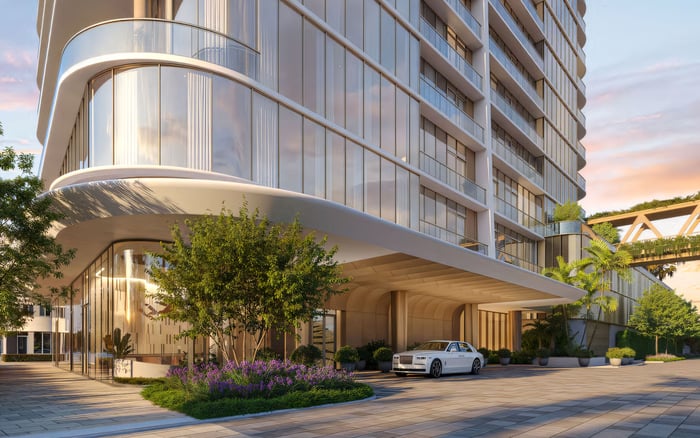
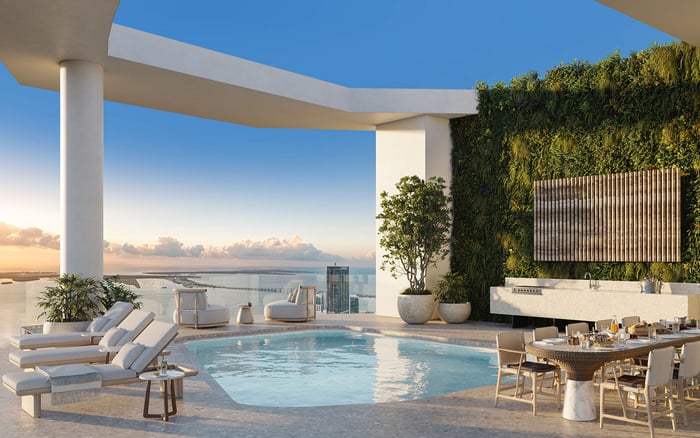
A discreet, buyer-oriented lifestyle guide to evaluating Kempinski Residences Miami Design District as a full-time Miami home, with context on daily rhythm, neighborhood fit, and comparable luxury enclaves.
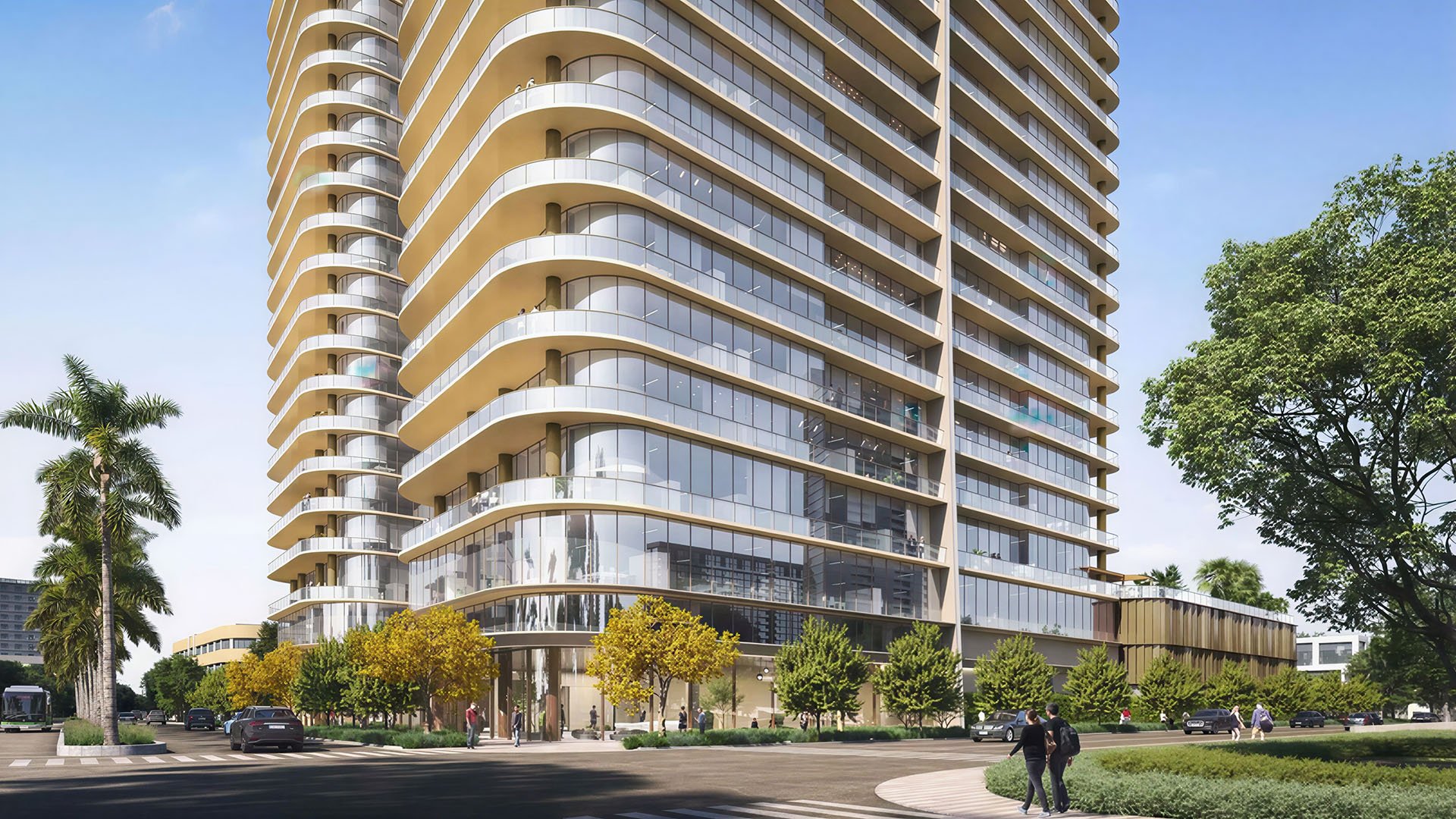
For a buyer considering Kempinski Residences Miami Design District, the essential question is not whether the address feels exciting over a long weekend. It is whether the neighborhood can support a full week, a full season, and ultimately a more rooted Miami life.
That distinction matters. A second-home buyer may prioritize spectacle, immediate access, and a highly curated arrival experience. A full-time resident needs something more durable: privacy, daily convenience, service that feels intuitive rather than performative, and a location that remains compelling after the novelty settles. The Miami Design District proposition is not the same as Miami Beach, Brickell, Edgewater, Downtown, Wynwood, or Coconut Grove. It is more edited, more design-conscious, and, for the right buyer, more intentional.
The appeal is strongest for residents who want an urban life without defaulting to the financial verticality of Brickell or the resort rhythm of the beach. This is a home base for people whose Miami routine may include private dinners, collector events, wellness appointments, design consultations, and quiet mornings that do not require crossing the bay for every errand.
In luxury real estate, intention is often confused with minimalism. In practice, it is about reducing friction. A full-time resident should ask how easily the home supports work calls, deliveries, guest arrivals, pets, wardrobes, art, household staffing, and the repeated rituals of daily life.
A Design District residence should feel composed rather than crowded. For many buyers, that means favoring a plan that can separate entertaining space from private space, accommodate a home office without compromise, and offer enough storage to avoid constant dependence on off-site solutions. The more often a buyer plans to live in the residence, the less forgiving the floor plan becomes.
This is where the conversation moves from postcard luxury to operational luxury. Is there a comfortable arrival sequence? Does the building experience feel discreet? Can a resident host without turning the home into a showroom? Can the residence feel calm during art week, holidays, and peak social calendars? These are the questions that separate a beautiful pied-a-terre from a credible primary residence.
The Design District buyer is often cross-shopping other urban and near-urban pockets, but each carries a different emotional logic. Baccarat Residences Brickell speaks to the buyer who wants a more formal high-rise city address, with a strong connection to the business core and a polished hospitality sensibility. Brickell can be highly efficient for finance, law, international banking, and residents who want a dense urban cadence.
Edgewater offers a different rhythm. At EDITION Edgewater, the appeal is tied to a waterfront-adjacent residential mood and a softer transition between Midtown, the arts corridor, and the bay. Edgewater may suit buyers who want views and vertical energy without the same corporate pulse.
Downtown is more dramatic, especially for buyers who like skyline scale and cultural proximity. Wynwood is more expressive, with a creative personality that can feel energizing for some residents and too active for others. The Design District sits between these sensibilities. It is urban, but not simply commercial. It is fashionable, but not beachy. It has social voltage, yet its strongest residential case is based on curation rather than volume.
A weekend visit can flatter almost any luxury neighborhood. Full-time evaluation requires a different test. Arrive on a weekday morning. Consider school runs if relevant, office commutes, private aviation timing, medical appointments, and practical routes to Miami Beach, Coral Gables, Coconut Grove, and the airport. Return at night and ask whether the building still feels like home rather than a destination.
The buyer should also test personal patterns. If dining out is frequent, the Design District may feel convenient and stimulating. If cooking at home is central, the kitchen, storage, service access, and delivery experience become more important than the neighborhood image. If entertaining is part of the lifestyle, the residence should carry a sense of occasion without making everyday evenings feel staged.
For search discipline, new-construction and pre-construction are not merely labels. They represent different levels of patience, customization, and uncertainty. A full-time resident should understand what is available now, what is planned, and what timeline aligns with real life, not only with market enthusiasm.
The more visible the neighborhood, the more valuable privacy becomes. Full-time residents should study how a building handles arrival, guest screening, ride-share activity, deliveries, vendors, and staff movement. In a design-forward district, the ideal building experience should feel quietly managed, never theatrical.
Service should also be calibrated. Some residents want a hotel-like environment with a constant sense of attention. Others prefer a residential atmosphere where staff know preferences but do not overstep. Neither approach is universally better. The right choice depends on how publicly or privately the owner wants to live.
This is also where pet policy, parking, elevators, package rooms, and loading access become part of the luxury conversation. They may sound ordinary, but for full-time residents they are daily quality-of-life factors. A beautiful lobby cannot compensate for a frustrating Monday morning.
Some buyers drawn to the Design District will also consider Coconut Grove, especially if they want a more established, leafy, residential atmosphere. The Well Coconut Grove represents a different version of wellness-oriented living, one that may feel less urban and more village-like.
The comparison is useful because it clarifies temperament. A Design District resident is choosing proximity to a curated cultural and design environment. A Grove resident may be choosing shade, neighborhood intimacy, and a calmer daily texture. Both can be luxurious. The right answer depends on whether the buyer wants stimulation close at hand or retreat built into the neighborhood itself.
Kempinski’s appeal in the Design District is best understood as part of Miami’s continuing maturation beyond the traditional resort-condo model. Buyers are no longer choosing only between oceanfront glamour and Brickell convenience. They are looking for homes that correspond to identity, pace, taste, and daily priorities.
That is why Miami Design Residences Midtown Miami may also enter the conversation for buyers focused on this part of the city. The broader district and Midtown area can appeal to residents who want proximity to creative energy without committing to the density of Downtown or the beach traffic of Miami Beach.
For the right buyer, Kempinski Residences Miami Design District is less about having a Miami address to visit and more about choosing a Miami rhythm to inhabit. The best fit is someone who values design, discretion, access, and a more composed urban lifestyle. The wrong fit is someone seeking a purely resort-style escape or a purely corporate vertical address.
Is Kempinski Residences Miami Design District better for full-time living or a second home? It can be evaluated for either, but full-time buyers should focus on daily function, privacy, storage, service, and neighborhood rhythm.
Who is the ideal buyer for a Design District residence? The strongest fit is a buyer who wants a design-led urban base with access to culture, dining, wellness, and Miami’s core neighborhoods.
How should I compare the Design District with Brickell? Brickell is typically a more business-oriented urban choice, while the Design District feels more curated, creative, and lifestyle-driven.
How does Edgewater compare for full-time residents? Edgewater may appeal to buyers who want a residential high-rise mood with bay proximity and access to central Miami.
Is Wynwood too active for a primary residence? It depends on the buyer’s tolerance for creative energy, nightlife-adjacent activity, and a more expressive neighborhood texture.
Should I consider Downtown if I like the Design District? Yes, if skyline scale, cultural access, and a denser urban setting are part of your preferred Miami lifestyle.
What should full-time residents prioritize in the floor plan? Prioritize separation of public and private areas, real storage, a workable office area, and an easy guest experience.
Are service and privacy more important than amenities? For many primary residents, yes. Amenities matter, but daily discretion and operational ease often matter more over time.
Is Miami Beach still worth comparing? Yes, especially for buyers who want a stronger resort or ocean-oriented lifestyle rather than an inland urban design setting.
What is the smartest next step before choosing a residence? Walk the neighborhood on weekdays and evenings, then compare the building experience against your actual daily routine.
For a discreet conversation and a curated building-by-building shortlist, connect with MILLION.
If branded residences are on your mind — as a home or as an allocation — we would be glad to share what we are seeing, privately.
Begin a quiet conversation