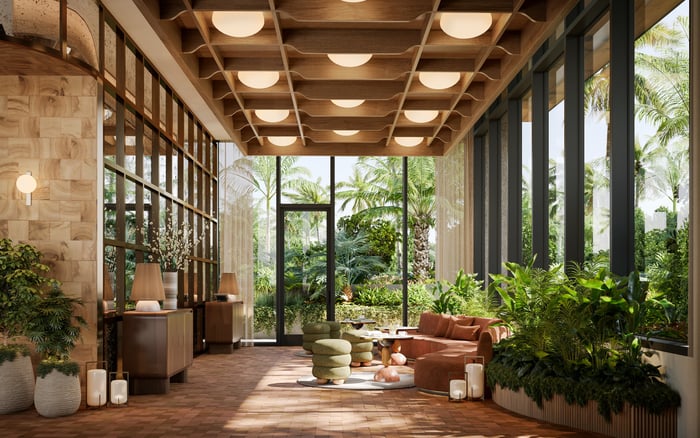
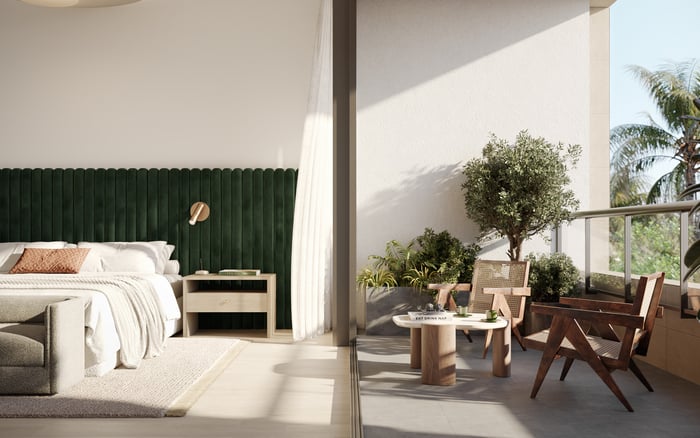
A buyer-focused look at The Well Coconut Grove as a wellness-branded condominium concept, judged by daily livability rather than launch imagery. The article considers routines, neighborhood context, service quality, privacy, and long-term value.
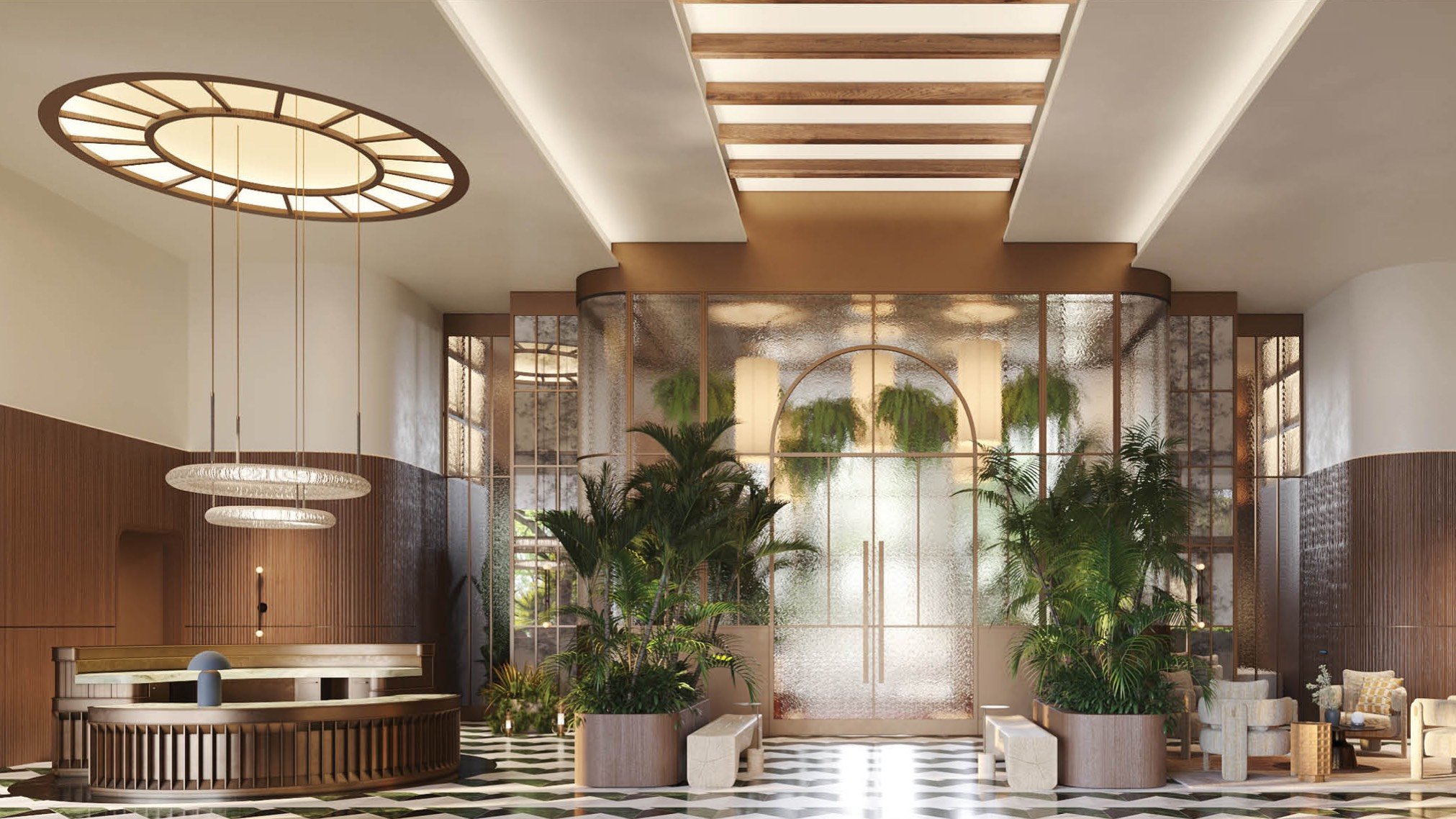
The question around The Well Coconut Grove is not whether the launch imagery feels serene. Most well-funded residential campaigns can accomplish that. The more useful question for a serious buyer is whether the building can make ordinary days feel easier, healthier, quieter, and more intentional once the first residents move in.
That distinction matters in Coconut Grove, where luxury is often less about spectacle than continuity. The neighborhood’s appeal is residential, shaded, low-rise in spirit, and lifestyle-driven. It rewards buyers who value morning walks, cafés, parks, marinas, and a daily rhythm that feels less transient than many higher-density Miami submarkets.
For The Well Coconut Grove, the promise sits at the intersection of wellness-led design, service-rich condominium demand, and primary-home expectations. The building should be evaluated as a place for waking, working, entertaining, raising a family, receiving guests, and aging in place, not simply as a weekend retreat with attractive amenity photography.
Wellness language has become common in luxury real estate, especially among branded residences. The buyer’s task is to separate atmosphere from operations. A calm visual identity is pleasant; a well-run residential environment is materially more valuable.
The practical test begins with repeatable routines. Can residents move from private residence to common spaces without friction? Does the wellness programming feel integrated into daily life rather than staged as occasional theater? Are services intuitive enough to support busy professionals, families, and seasonal owners who still expect the home to function like a primary residence when they arrive?
New-construction buyers should also ask how wellness will be governed over time. Programming, staffing, maintenance standards, resident access, privacy rules, and noise management can matter as much as architectural form. The real value of The Well Coconut Grove will be measured less by the renderings people remember than by whether residents actually use the spaces without feeling managed by them.
In some markets, the building must create nearly the entire lifestyle internally. Coconut Grove is different. Its neighborhood fabric is part of the livability thesis, which is why The Well Coconut Grove cannot be judged in isolation.
The Grove offers a more residential Miami experience, with shaded routes, village-scale dining, parks, marinas, and walkability shaping everyday life. That setting can amplify a wellness-branded residence because the healthiest routine may begin outside the lobby. A morning walk, a coffee meeting, a school drop-off, a marina visit, or a quiet dinner nearby can be as important as any indoor amenity.
This is where comparisons become useful. Four Seasons Residences Coconut Grove speaks to a service-minded buyer, while Park Grove Coconut Grove has long been part of the area’s luxury condominium conversation. The Well Coconut Grove enters that context with a health-and-ease proposition, asking buyers to value daily support as much as views, finish packages, or brand familiarity.
A wellness residence succeeds only if the private home remains the center of gravity. Buyers should look beyond the amenity sequence and consider the lived quality of the residences themselves: privacy, noise exposure, light, circulation, storage logic, service access, and the ability to host without turning daily life into performance.
Design and architecture should also be read through time. A home that feels beautiful during a launch presentation must still work during a weekday morning, a rainy afternoon with children at home, a dinner with friends, or a period when an owner wants a quieter, lower-maintenance life. Aging in place is not only a medical concept; it is a luxury planning issue. The most durable residences allow owners to stay comfortable as needs, schedules, and household structures evolve.
That is why boutique-scale Grove projects such as Arbor Coconut Grove remain relevant in buyer conversations. They remind the market that intimacy, access, and neighborhood fit can compete with larger amenity narratives when the residence itself is well considered.
The most important parts of a building are often the least photogenic. Governance, staffing consistency, service culture, maintenance discipline, and resident protocols determine whether a wellness concept feels effortless or overpromised.
For The Well Coconut Grove, buyers should pay close attention to how the building intends to translate wellness branding into day-to-day operations. Service-rich does not simply mean more services. It means services that are discreet, predictable, and aligned with resident expectations. The wrong rhythm can make a building feel busy; the right rhythm can make it feel restorative.
This is also where long-term value enters the discussion. A wellness-led building that operates well can create loyalty among residents who might otherwise trade between submarkets. A building that relies too heavily on launch language may struggle once comparisons shift from marketing to lived performance. Nearby alternatives such as Opus Coconut Grove reinforce how nuanced the Grove buyer can be: the decision is rarely about a single amenity. It is about fit.
The most sophisticated way to assess The Well Coconut Grove is to imagine an ordinary week. Where does the day begin? How does work happen at home? How do residents move through the building? Where do guests arrive? How quiet does the residence feel? How often would the wellness programming be used after the novelty fades?
If those answers are strong, the project’s appeal becomes clearer. Its most compelling argument is not simply that wellness is fashionable. It is that Coconut Grove may be one of the South Florida settings where wellness can feel genuinely residential rather than performative.
What is the core appeal of The Well Coconut Grove? Its appeal is framed around wellness-led condominium living in Coconut Grove, with an emphasis on daily livability rather than imagery alone.
Is The Well Coconut Grove mainly a second-home concept? It should be evaluated as a potential primary-home environment, especially for buyers who want routines, services, and neighborhood life to work every day.
Why does Coconut Grove matter to the project’s value? The neighborhood’s low-rise, residential character, shaded routes, parks, marinas, cafés, and walkability are central to the lived experience.
What should buyers examine beyond the renderings? Buyers should focus on privacy, noise, site planning, service quality, governance, and how wellness programming will function after occupancy.
How should wellness branding be judged? It should be judged by tangible operations, resident access, staffing standards, and whether programming improves ordinary routines.
What routines matter most when evaluating the building? Waking, working, entertaining, family life, guest arrivals, quiet time, and aging in place are all relevant tests.
How does it compare with other Coconut Grove luxury offerings? The comparison should focus on health, ease, service depth, and long-term fit rather than only finishes or amenity imagery.
Why is governance important in a wellness residence? Governance shapes how shared spaces are used, how services are maintained, and whether the building remains calm over time.
Can wellness amenities affect long-term value? Yes, if they are consistently operated and genuinely useful, they can strengthen resident loyalty and daily satisfaction.
What is the smartest buyer lens for The Well Coconut Grove? Ask how it will actually live during an ordinary week, not only how it appears during the launch period.
If you'd like a private walkthrough and a curated shortlist, connect with MILLION.
If branded residences are on your mind — as a home or as an allocation — we would be glad to share what we are seeing, privately.
Begin a quiet conversation