Tula’s ownership structure clarifies control of the property-owning entity, but it does not answer reserve, budget or individual contract questions. Buyers should reconcile the condominium documents with their actual purchase price, deposit obligations and the date and escalation logic behind projected costs.
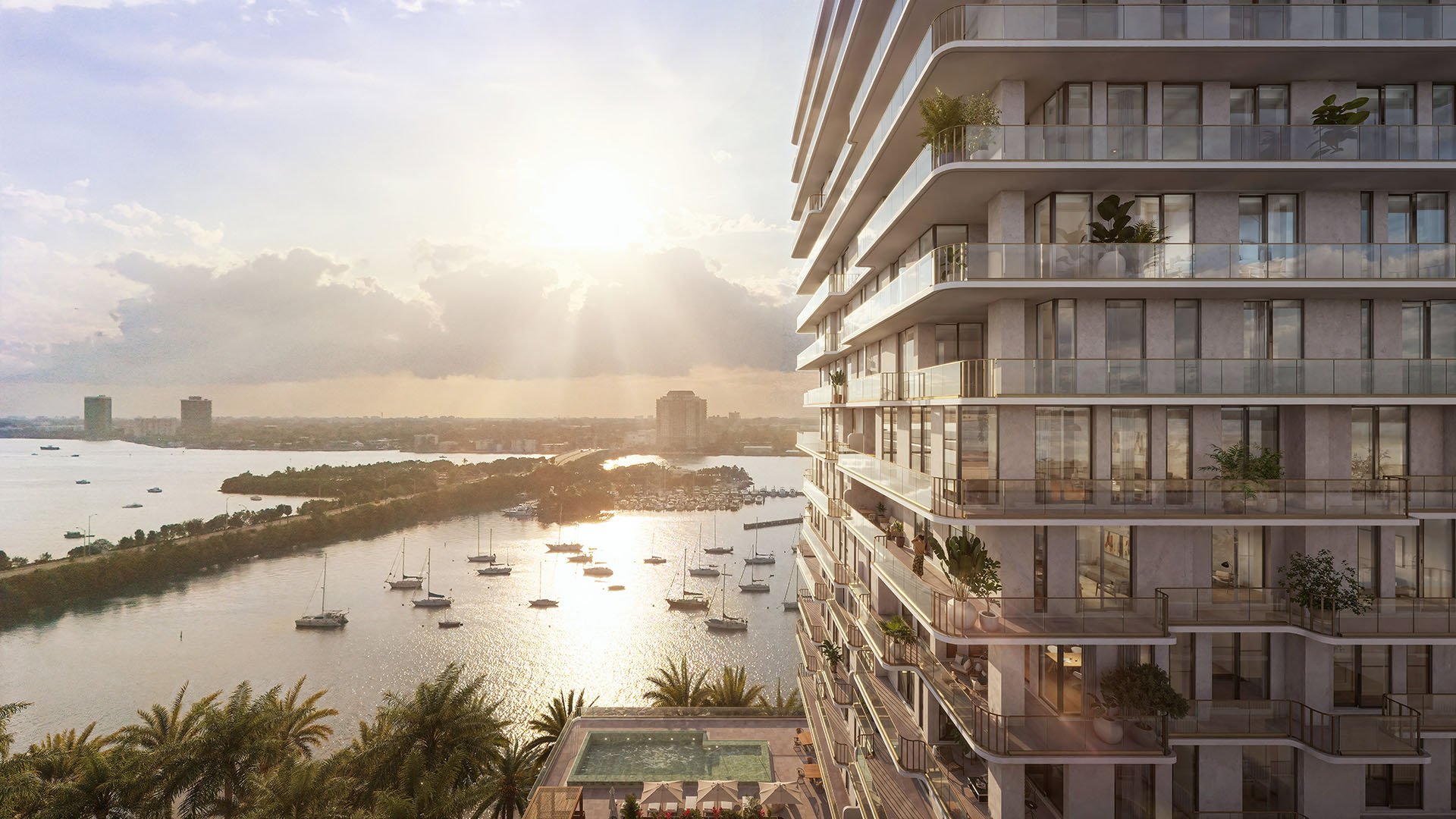
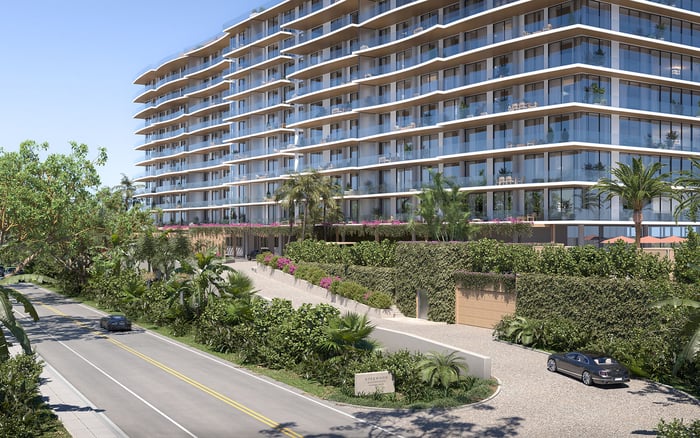
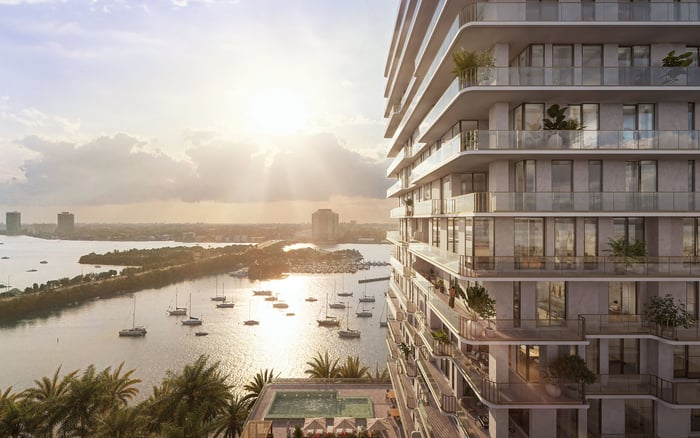
At 7918 West Drive, Tula Residences North Bay Village is planned as a 21-story waterfront condominium with 54 residences, including six penthouses. The offering spans two- to five-bedroom homes, combining limited inventory with the larger-format positioning often associated with a private residential environment.
For buyers following MILLION’s North Bay Village coverage, the central diligence question is not simply who owns the development site. It is how control, contract pricing, association budgeting and future cost assumptions fit together. These subjects are related, but they are not interchangeable.
Vivian Dimond’s Bayshore Grove Capital became the sole managing member of the limited liability company that owns the property, while Pacific & Orient remained a project partner. That structure identifies who controls the property-owning entity. It does not, by itself, disclose the condominium’s reserve policy, first-year association budget or the negotiated obligations in any buyer’s purchase agreement.
Entity control is important, but it is not a substitute for contract and budget review.
Ownership control can help a purchaser understand who directs the entity holding the site during development. It should not be read as a complete account of how the future condominium association will fund operations, allocate common expenses or prepare for major repairs.
That distinction matters in a boutique project. With costs shared among 54 homes, buyers should closely examine per-unit allocations, insurance assumptions and the expenses associated with maintaining a waterfront property. Waterfront exposure makes the scope and timing of maintenance particularly important, but a complete reserve schedule and first-year budget are needed to assess adequacy.
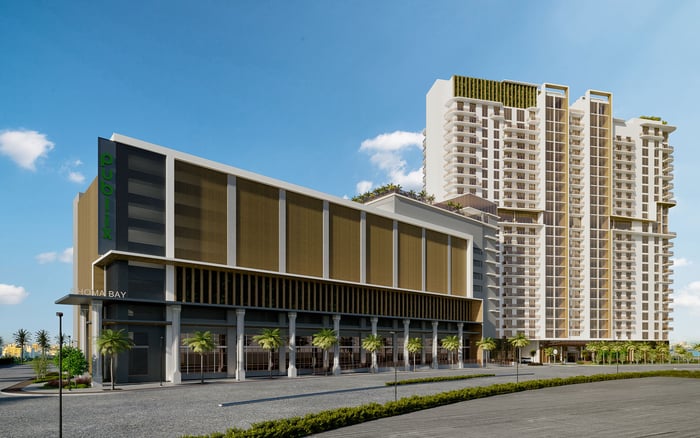
The same discipline applies when comparing Tula with other North Bay Village offerings, such as Continuum Club & Residences North Bay Village and Shoma Bay North Bay Village. The useful comparison is not marketing language alone. It is the full package of documents, assumptions and contractual obligations specific to each purchase.
Tula’s launch pricing placed two-bedroom residences from approximately $1.995 million, three-bedroom homes from $2.995 million and five-bedroom penthouses from $5.995 million. Those figures frame the offering, but they remain starting prices rather than evidence of what any individual buyer will pay.
Asking prices have ranged from $1.995 million to $5.995 million, with residences spanning 1,624 to 3,700 square feet and a project-wide average near $1,441 per square foot. Yet a $1.995 million residence has also been offered at approximately $1,228 per square foot. Another presentation gives a broader range of roughly 1,590 to 4,140 square feet when interior and exterior areas are combined.
These differences show why definitions matter. A project average may combine unlike residence types, while one floor-plan figure may include exterior space that another excludes. The executed contract price, exact residence, stated area basis and negotiated terms provide a more precise measure of acquisition exposure than a launch headline.
Investment analysis should therefore begin with the buyer’s own numbers. The contract price determines the capital committed to the acquisition, while the reserve schedule addresses anticipated common-property costs and their timing. Each should inform the reading of the other, but a higher purchase price does not automatically establish that reserves are sufficient.
A reserve schedule is only as current as its underlying dates, estimated costs and timing assumptions. For a new-construction condominium with an anticipated 2026 completion, a buyer should identify when the schedule and first-year budget were prepared, which cost assumptions they use and whether escalation has been incorporated.
Inflation belongs in that review because work expected years after closing may not cost what it would at the schedule’s preparation date. The key questions are practical: What components are included? When is each expenditure anticipated? What useful-life assumptions are applied? Is the estimate expressed in current or escalated dollars? How would a shortfall affect projected assessments or monthly carrying costs?
A definitive judgment on Tula’s reserve adequacy requires the complete reserve schedule. Pricing, plans and amenities alone cannot provide that answer. The appropriate conclusion is therefore document-driven: evaluate the schedule alongside the first-year budget, insurance assumptions, estimated assessments and the buyer’s projected carrying costs.
This approach also extends beyond North Bay Village. A purchaser considering La Maré Bay Harbor Islands can apply the same framework without assuming that two nearby waterfront developments share identical budgets, reserve philosophies or allocation methods.
The advertised payment structure is 20% at contract, 10% six months later and 70% at closing. Pre-construction buyers should treat those percentages as preliminary commercial information and confirm every payment date, condition and amount in the executed purchase agreement.
Timing is material. Deposits may be committed months before a targeted closing, while budget and reserve assumptions may have been prepared earlier still. Buyers should align four distinct timelines: contract deposits, anticipated completion, the commencement of association expenses and the future repair or replacement dates in the reserve schedule.
That exercise also helps distinguish liquidity from long-term carrying exposure. The deposit schedule establishes when purchase capital is due. The first-year budget estimates near-term association costs. The reserve schedule looks farther ahead. Insurance and waterfront maintenance assumptions can influence both current and future obligations, so each belongs in the same financial review even though each answers a different question.
The most useful diligence file places the executed purchase agreement beside the condominium documents. Buyers and their advisers can then reconcile the actual contract price, area definition, deposit schedule, first-year budget, reserve schedule, insurance assumptions, estimated assessments and projected monthly costs.
This is especially important because no completed public unit sales have been recorded. Without established closings or an operating association history, resale benchmarks and demonstrated HOA performance offer limited guidance. The forward-looking documents carry more weight.
Waterfront luxury rewards precision. Tula’s 54-home scale and anticipated 2026 delivery may be compelling, but neither establishes the future cost of ownership. The disciplined buyer tests every projection against its preparation date, contractual basis and inflation treatment rather than relying on a project-wide average.
For private guidance on Tula and South Florida condominium opportunities, connect with MILLION.
If branded residences are on your mind — as a home or as an allocation — we would be glad to share what we are seeing, privately.
Begin a quiet conversationTula Residences is planned for 7918 West Drive in North Bay Village, Florida, on a waterfront site.
The boutique project is marketed with 54 residences, including six penthouses.
Vivian Dimond’s Bayshore Grove Capital became the sole managing member of the property-owning LLC, while Pacific & Orient remained a project partner.
No. Entity control does not by itself disclose the complete reserve schedule, first-year association budget or buyer-specific contract terms.
Launch pricing began at approximately $1.995 million for two-bedroom homes, $2.995 million for three-bedroom homes and $5.995 million for five-bedroom penthouses.
Starting and asking prices do not establish an individual buyer’s negotiated price or closing basis. The executed contract provides the more relevant measure of acquisition exposure.
The advertised structure is 20% at contract, 10% six months later and 70% at closing. Buyers should verify those terms in their executed agreement.
Projected work may occur years after a schedule is prepared. Buyers should check whether estimated costs reflect their timing and include an escalation assumption.
No. The complete reserve schedule and first-year association budget are needed to determine adequacy.
Review the first-year budget, insurance assumptions, estimated assessments, deposit terms, projected monthly costs and the executed purchase agreement.