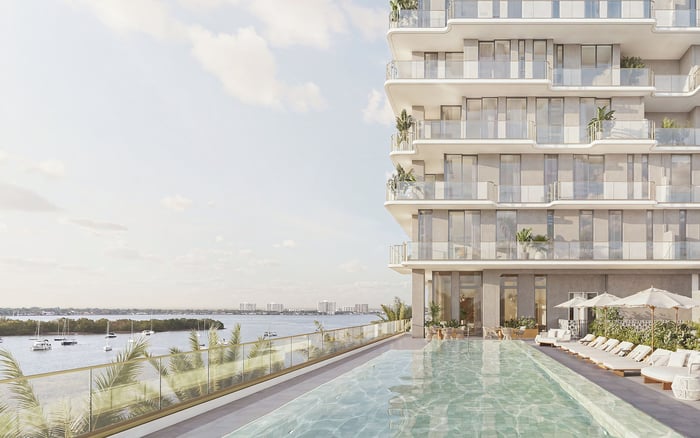
For trust and entity buyers, a boutique condominium deserves two parallel reviews: whether the ownership structure works and whether the specific residence has a defensible resale audience. Here is the documentation to request in North Bay Village.
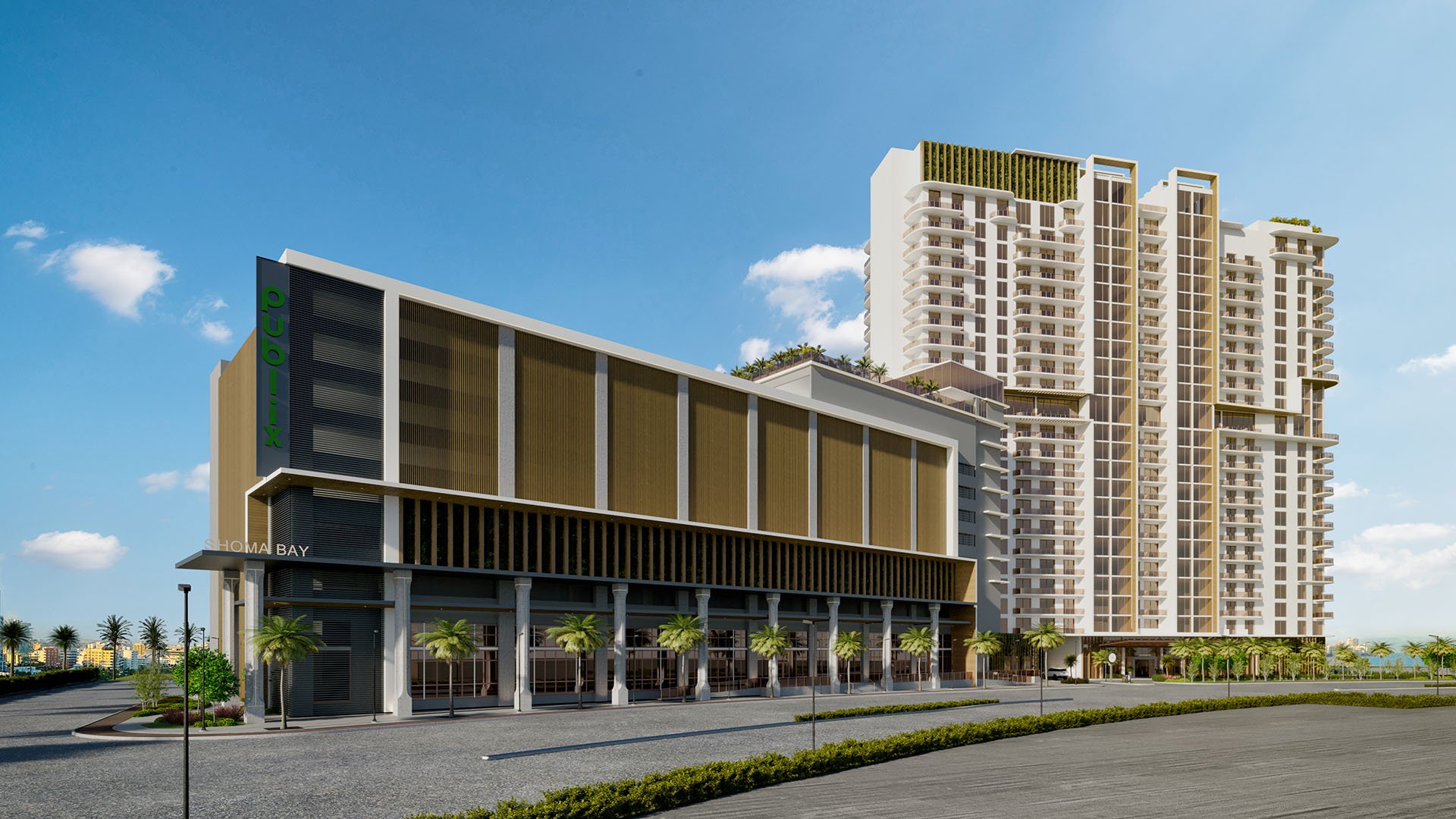
A boutique condominium can offer an intimate residential setting without establishing a deep resale market. For buyers taking title through a trust or entity, the purchase warrants two parallel reviews: whether the ownership structure satisfies the governing documents and whether the specific residence has a demonstrable audience when it is time to sell.
For a purchase at Tula Residences North Bay Village, request current project documents and residence-specific details rather than relying on boutique positioning alone. Neither limited inventory nor corner positioning proves faster resale or stronger value retention.
The essential request is not a general market presentation. It is a unit-specific diligence file connecting ownership permissions, comparable transactions, view exposure and the full cost of holding the residence.
Ask the selling team for a comparison schedule organized by bedroom configuration, interior area, unit line, floor and view. Separate closed resales, pending transactions, active listings and developer offerings. Each answers a different question; an asking price is not evidence that a buyer accepted it.
For closed transactions, request contract and closing dates, original and final asking prices, closing price, marketing time and disclosed concessions where available. For pending homes, request the status date and distinguish known information from undisclosed contract terms. Include withdrawn and expired listings so the analysis captures more than successful outcomes.
Buyer-pool depth cannot be inferred from a building's residence count. Ask how many genuinely comparable homes sold within a stated period, how many remain available and how widely outcomes vary. Where the sample is thin, broaden the comparison transparently rather than treating unlike homes as interchangeable. Identify differences in age, amenities, size and operating costs.
No quantified resale depth by size, view, floor, carrying cost or trust/entity ownership is established here. The appropriate conclusion is a request for evidence, not a liquidity forecast.
Request a current schedule of layouts and interior areas, distinguishing standard residences from penthouses. Those categories should not be combined into a single resale average without accounting for their differences.
Request separate comparable groups for each configuration, then evaluate total purchase price alongside price per square foot. A larger home may meet a different household need, but that does not establish a larger or smaller ready-to-buy audience without transaction evidence. Likewise, identify a den accurately rather than automatically treating it as another bedroom.
If considering Continuum Club & Residences North Bay Village as a comparison, request current layout and size information to determine which residences belong in the analysis. An alternative offering does not demonstrate absorption for a particular Tula layout.
Request the exact residence's orientation, floor plan, terrace relationship and floor-specific view imagery. Distinguish current photographs from renderings, and ask what any simulated view assumes. A building-wide water-view description cannot substitute for the outlook from the living room and principal bedroom.
Apply the same discipline to every comparison: match the actual exposure, not simply the waterfront address. Ask the adviser to identify meaningful differences between the subject residence and each comparable.
Request information on nearby planned construction and have appropriate advisers investigate what could affect the view. Do not assume permanent protection. When evaluating a higher-floor premium, seek paired transactions with otherwise similar characteristics. If no useful pair exists, treat the premium as a preference to price consciously, not a proven resale advantage.
Have counsel review the declaration, amendments, transfer application, board-approval provisions and rental restrictions for the proposed buyer. Ask specifically about trusts, domestic and foreign entities, beneficial-owner disclosure and who must sign the purchase and association documents. No building-specific permission for those structures is established here.
Request written clarification of any provisions addressing a later trustee replacement, beneficiary change, ownership-interest transfer or change of control. Counsel should determine whether the documents treat these events as transfers, require notice or approval, or impose fees. Do not assume that approval of the initial purchase resolves future succession or disposition questions.
If financing is contemplated, ask the lender to review the proposed vesting and condominium eligibility early. Keep legal acceptability separate from resale demand: permission to own through an entity does not establish that future entity buyers will be numerous.
Request the applicable association budget, reserve study, insurance certificates, assessment history and available estoppel information. For a new development, distinguish proposed budgets and projected charges from operating-association records. Have the team identify which documents apply now and which must be refreshed before closing.
Do not substitute a building-wide average or sample listing charge for the residence's verified association obligation. An HOA figure alone does not represent total carrying cost.
Build the schedule from the unit's actual or proposed HOA obligation, estimated property taxes, owner insurance, assessments and financing costs. Ask qualified advisers to explain the assumptions behind each estimate. Model a longer selling period and higher expenses as scenarios, not predictions. The question is whether holding the residence remains comfortable if the preferred exit takes longer than expected.
If including Shoma Bay North Bay Village in the comparison, request current inventory, floor plans and carrying-cost information. Compare only residences that plausibly overlap the target home's size, use and overall purchase budget.
Project scale and variety describe inventory, not proven resale demand. Ask the adviser to distinguish developer competition from owner resales and explain why each selected property belongs in the comparison.
Refresh dated marketing assumptions before committing. Request current construction and delivery documentation where relevant, and keep projected completion dates separate from confirmation of completion. Treat asking prices as marketing figures, not closed resale comparables.
The final decision file should make four matters clear: ownership approval requirements, comparable-sale evidence, the precise view being purchased and the cost of a patient exit. A beautiful residence can justify a personal premium; financial underwriting should make that preference explicit rather than disguise it as proven liquidity.
For a discreet conversation about your North Bay Village purchase, connect with MILLION.
If branded residences are on your mind — as a home or as an allocation — we would be glad to share what we are seeing, privately.
Begin a quiet conversationNo. A small residence count describes supply, not demonstrated demand or the time required to sell a particular home.
Request closed and pending comparables matched by configuration, interior area, unit line, floor and actual view. Keep developer offerings and active asking prices separate from closed resales.
Request separate comparable groups and a current schedule of layouts and interior areas. Do not combine the categories into a single resale average without accounting for their differences.
No automatic premium or faster sale is established. Request transactions that isolate the floor or view difference rather than relying on building-wide averages.
Counsel should review the declaration, amendments, transfer application, approval rules and rental restrictions. Ask specifically about trusts, entities, beneficial-owner disclosure and foreign entities.
Yes. Ask counsel whether trustee, beneficiary or entity-control changes trigger notice, approval, transfer provisions or fees under the applicable documents.
No. Request the residence's actual or proposed association obligation and distinguish it from building-wide averages or sample listing charges.
Include the applicable HOA charge, property taxes, owner insurance, assessments and financing costs. Distinguish proposed development budgets from actual operating-association records.
Request orientation, floor-specific imagery and the exact unit's floor plan, distinguishing photographs from renderings. Investigate nearby planned construction rather than assuming permanent view protection.
Treat it as a projection, not confirmation of completion. Request current construction and delivery documentation before committing.