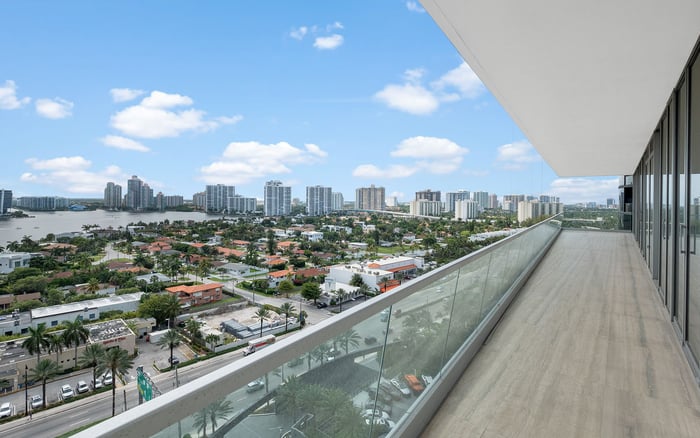
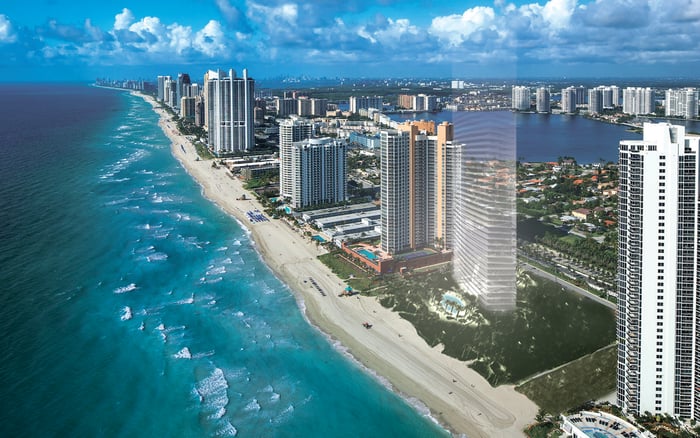
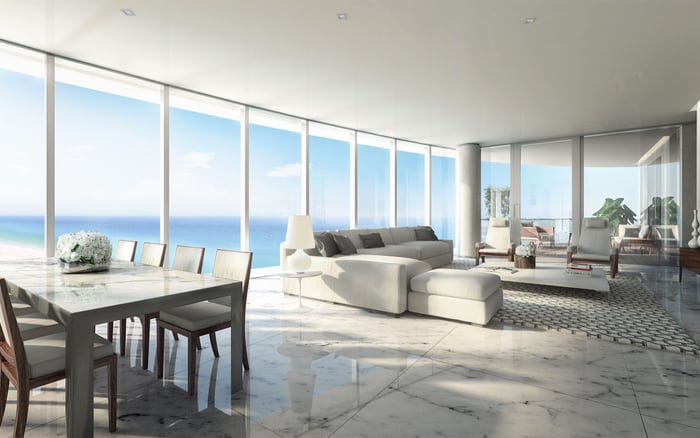
A disciplined review of Turnberry Ocean Club separates headline maintenance figures from the documents that reveal how a full-service tower is actually funded after turnover.
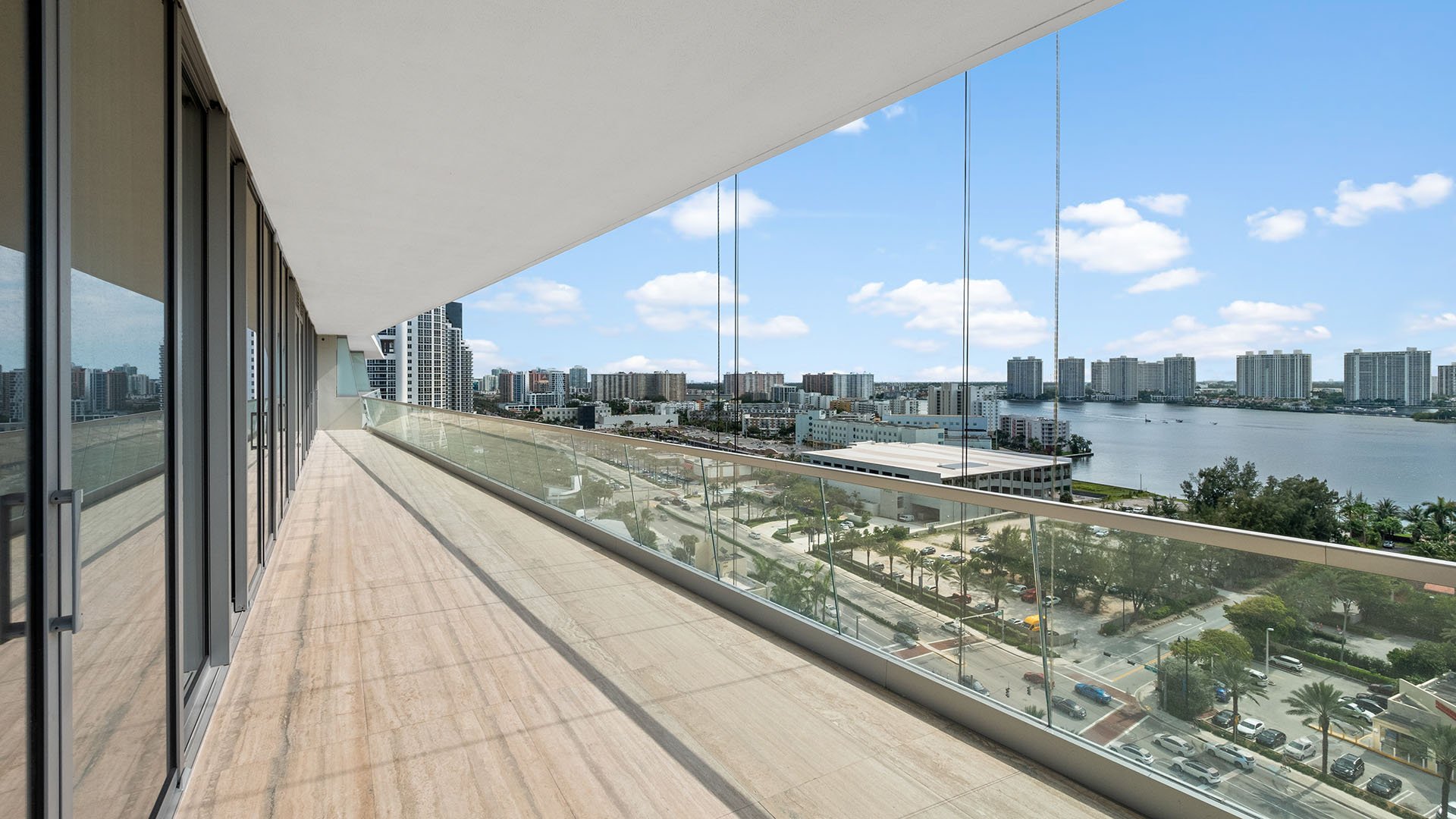
For buyers considering Turnberry Ocean Club Sunny Isles, the residence is only one part of the acquisition. The other is an interest in an operating enterprise: a 54-story tower of approximately 154 residences, completed in 2020 at 18501 Collins Avenue. Its service promise depends on staffing, insurance, maintenance, vendor relationships, reserves, and the accuracy of the association's financial assumptions.
That makes developer turnover and the first owner-controlled budget especially important. Turnover is not merely a ceremonial change in governance. It is the point at which owners can assess whether recurring revenue aligns with recurring obligations-and whether early budgets reflected the service model residents ultimately expect.
The most revealing number is not the advertised fee, but the cost of sustaining the promised experience.
Available information provides useful reference points, but not the complete financial picture. The decisive file should include the declaration and bylaws, turnover election records, adopted budgets, reserve schedules, insurance policies, vendor contracts, audits, engineering materials, and any special-assessment history. Together, these documents allow counsel, financial advisers, and the buyer to distinguish a stable operating plan from a temporarily flattering headline.
The year-two language states that buyers become responsible for all fees beginning in the second year. That wording clearly identifies a transition in owner costs. It does not, by itself, establish that year one was subsidized, identify who funded any difference, quantify the amount, or explain which expense categories were involved.
A sophisticated review should therefore avoid turning suggestive language into a conclusion. The buyer's team should reconcile the first-year and year-two budgets, trace any developer contributions or credits shown in the governing purchase materials, and determine whether operating expenses changed with occupancy, staffing, insurance, contracts, or service delivery. The objective is not to assign a label, but to understand the recurring run rate once temporary arrangements have ended.
This is where the first owner-controlled budget becomes particularly useful. Compare each major line item with the final developer-era budget and identify which changes are structural. A higher figure can reflect a more complete service program rather than weak governance. A lower figure can be equally misleading if it relies on deferred work, optimistic assumptions, or nonrecurring income. The supporting documents-not the direction of change alone-should guide the interpretation.
A market snapshot places the average Turnberry Ocean Club association fee near $1.82 per square foot per month. At that rate, a 3,000-square-foot residence would carry approximately $5,460 in monthly association fees. This is a useful screening calculation, not a substitute for the official allocation assigned to a specific unit.
Inventory tables may show unit-specific fees alongside size, asking price, price per square foot, and days on market. Buyers should reconcile any listing figure with the current adopted budget, the unit's allocation schedule, and the most recent assessment notice. Timing matters, particularly when a listing predates a new budget.
The same principle applies to value comparisons. One market snapshot placed the property's average price around $2,514 per square foot, while a separate, earlier luxury-building snapshot showed an average list price near $2,722 per square foot. The difference illustrates why inventory composition and timing matter. Neither figure should be treated as a fixed building value or mechanically paired with a fee estimate from another period.
The cleanest underwriting model separates condominium assessments, special assessments, and external club or resort dues. Regular condominium assessments fund the association's adopted operating and reserve requirements according to the property's governing allocation. Special assessments are distinct charges and should be reviewed through notices, minutes, financial statements, and project documentation.
Turnberry Ocean Club owners also have access to membership privileges at Turnberry Isle Resort for golf, tennis, and marina activities. The related monthly dues are not included in condominium maintenance. Combining those dues with the association fee can obscure both the condominium's cost and the separate lifestyle expense.
For an Oceanfront residence, this three-ledger approach is more informative than a single blended monthly figure. It also provides a clearer basis for comparing apartments of different sizes and evaluating whether a seller's representation captures every recurring obligation relevant to the buyer.
Begin with governance. Review the declaration, bylaws, turnover election materials, board minutes, and sequence of adopted budgets. The aim is to establish when owner control began, what financial information was delivered, and which decisions were inherited or newly made.
Next, test the operating budget. Compare actual results with budgeted revenue and expenses, noting material variances in insurance, payroll, utilities, repairs, maintenance, and contracted services when those categories appear in the records. Determine whether staffing levels and vendor scopes align with the service experience being marketed and delivered.
Then assess reserves and capital exposure. Reserve schedules, engineering materials, audits, contracts, and assessment records should be read together. No single schedule answers every question. A reserve balance may appear substantial in isolation, but it must be measured against the work it is intended to fund.
Finally, reconcile the unit. Confirm its official allocation, current regular assessment, outstanding special assessments, external dues, and any timing differences between closing documents and a new fiscal-year budget. This is the practical bridge between tower-level analysis and the buyer's own carrying-cost model.
Sunny Isles Beach offers several useful comparators, but each answers a different question. The Ritz-Carlton Residences® Sunny Isles is a circa-2020, approximately 212-residence branded property without a hotel component. It helps frame how owners fund a purely residential, branded-service environment.
For a mature full-service reference, Jade Ocean Sunny Isles Beach contains approximately 252 units and was completed in 2009. Its longer operating history makes it conceptually useful when considering costs after initial sellout. Jade Signature Sunny Isles Beach provides another established comparison, with approximately 192 residences across 57 stories and about 300 feet of ocean frontage.
A forward-looking competitive lens can include St. Regis® Residences Sunny Isles, planned as two branded oceanfront towers on approximately 4.7 acres. Yet the comparison should remain disciplined. Density, age, staffing, amenity scope, branding, physical plant, and included services can make two per-square-foot rates economically distinct.
A high assessment is not automatically excessive, nor is a low assessment automatically efficient. The relevant question is whether recurring collections support the actual service standard, foreseeable maintenance, reserves, insurance, and contractual obligations without relying on unexplained temporary support or repeated extraordinary charges.
At Turnberry Ocean Club, the $1.82-per-square-foot estimate and year-two wording are starting points. The investment conclusion should come from the adopted budget, historical results, governance records, reserve and engineering materials, contracts, insurance, unit allocation, and separate lifestyle dues. That complete view turns an attractive monthly estimate into a defensible ownership forecast.
For confidential guidance on Sunny Isles Beach opportunities and full-service tower due diligence, connect with MILLION.
If branded residences are on your mind — as a home or as an allocation — we would be glad to share what we are seeing, privately.
Begin a quiet conversationIt is the transition from developer-led governance to owner control. Buyers should review the election records, budgets, minutes, and materials delivered during that transition.
It can reveal how owners price recurring operations after developer control ends. It should be compared with the final developer-era budget and actual financial results.
No. It confirms a transition in owner costs, but public wording does not quantify or explain the year-one funding arrangement.
A public market snapshot places it near $1.82 per square foot per month. The adopted budget and official unit allocation remain controlling for due diligence.
At $1.82 per square foot per month, the estimate is approximately $5,460 monthly. The actual unit charge must be verified.
No. Monthly dues associated with resort membership privileges are not included in condominium maintenance.
Use them as screening indicators, then reconcile them with the current budget, unit allocation schedule, and latest assessment notice.
No. Regular condominium assessments, special assessments, and external club or resort dues should be analyzed separately.
The Ritz-Carlton Residences, Jade Ocean, Jade Signature, and the planned St. Regis Residences provide different branded, mature, and forward-looking reference points.
No. A lower fee may omit services or rely on assumptions that do not support long-term operations, while a higher fee may fund a broader service model.