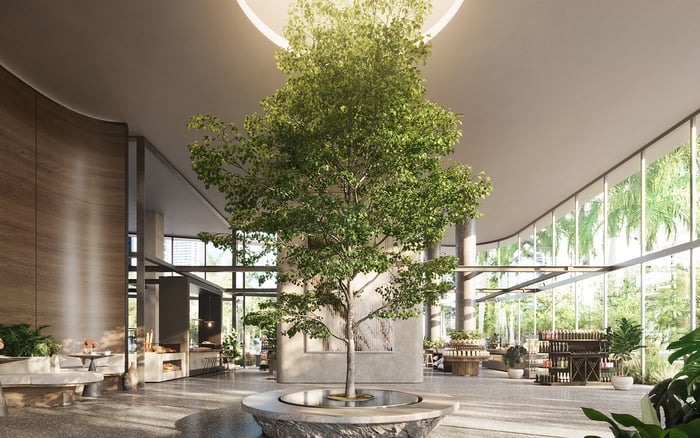
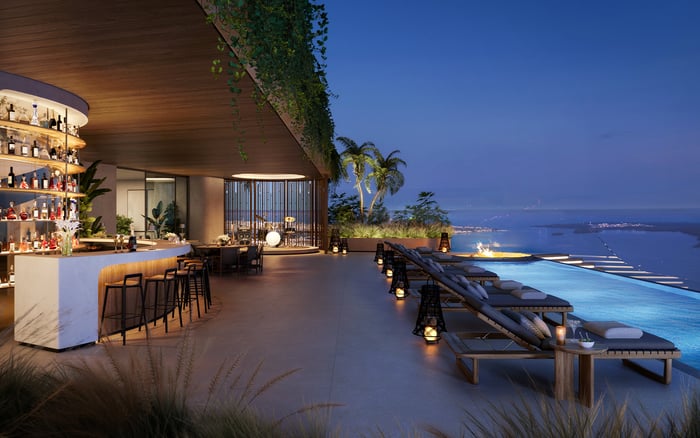
ORA by Casa Tua Brickell reframes arrival as a privacy-led ritual, turning Brickell’s intensity into a more controlled, hospitality-informed residential experience.
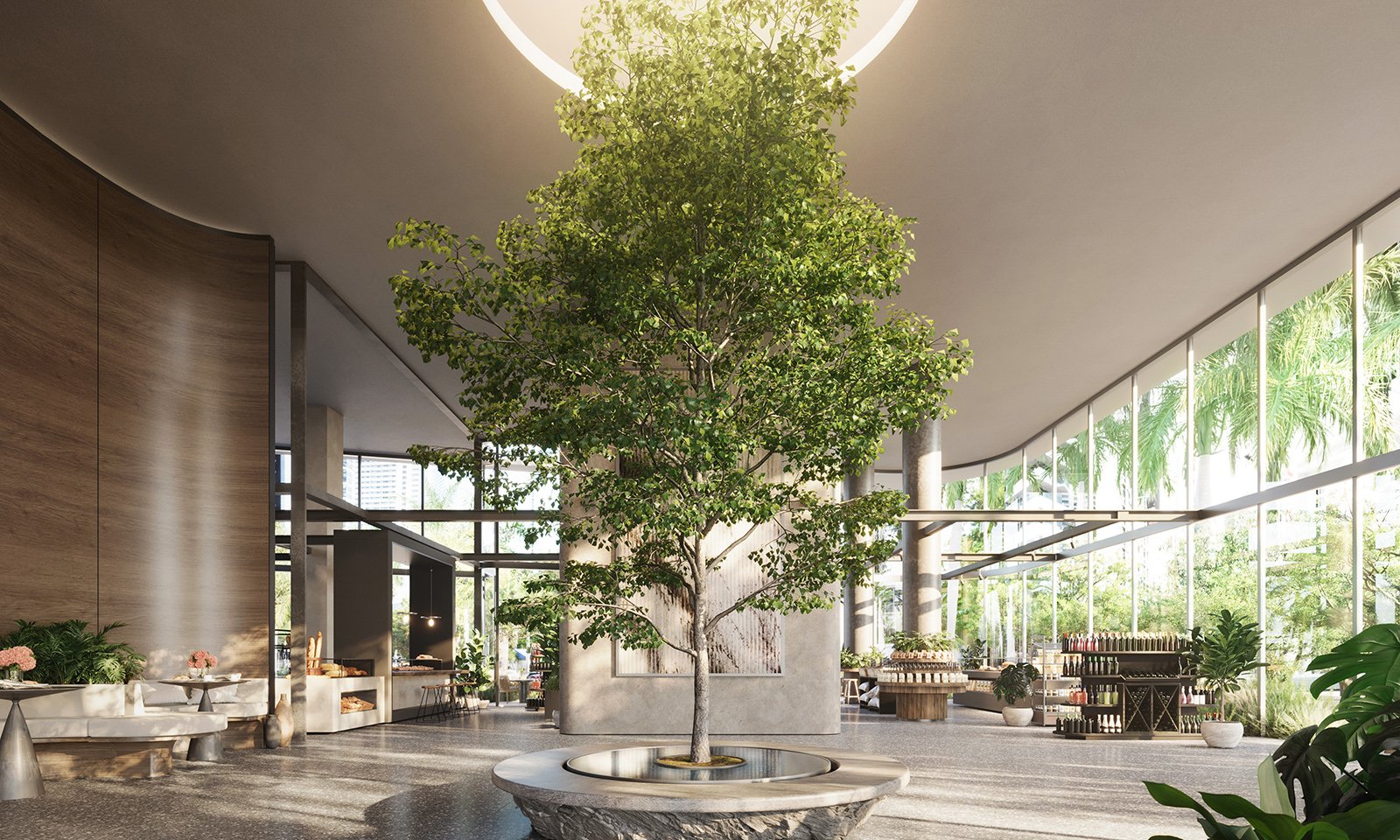
In Brickell, the first impression of home is rarely neutral. The neighborhood is dense, energetic, and deeply mixed-use, with residential towers, offices, dining rooms, hotel-style venues, and pedestrian life moving within the same urban rhythm. That intensity is part of the appeal. It is also why arrival has become one of the most meaningful design questions in the luxury market.
ORA by Casa Tua Brickell is positioned around that question. Rather than treating arrival as a simple lobby moment, the project frames the resident’s movement from city to home as a deliberate sequence of thresholds. The experience is not merely architectural. It is emotional, practical, and brand-defining.
For a globally mobile buyer, private arrival is a form of control. It softens the transition from public Brickell to a more secluded residential environment. It also establishes a club-like first impression, where privacy, comfort, and hospitality are felt before a resident reaches the private residence itself.
ORA is described as a mixed-use vertical community rather than a conventional standalone condominium tower. That distinction matters. A traditional luxury tower may concentrate its identity around residences, amenities, and a lobby. ORA’s concept is broader, combining private residences with Casa Tua-curated culinary, social, and hospitality spaces.
That blend creates a richer lifestyle proposition, but it also raises the importance of circulation. When a building contains both private residential life and more public-facing hospitality components, movement through the property becomes part of its luxury logic. Residents need to feel connected to the energy of the address without feeling absorbed by it.
Private arrival helps manage that balance. It distinguishes the resident journey from the building’s social and hospitality dimensions, allowing home to retain a sense of discretion. In a neighborhood where convenience can easily become exposure, that distinction is not ornamental. It is a central residential benefit.
The Casa Tua association gives ORA a particular lens. The project is framed as a branded residence tied to Casa Tua’s hospitality and lifestyle identity, and its arrival strategy follows that broader promise. Luxury here is not only about finish level or skyline presence. It is about the choreography of being received.
A private arrival sequence can make the resident feel that the building has anticipated the return home. The transition from vehicle to residence becomes a composed progression: from the pace of Brickell, into a more controlled environment, then toward the private domain. The details of exact layout, staffing, or security systems are not the point. The point is that arrival is being treated as a lived experience.
This is where branded residences increasingly separate themselves. The strongest branded projects do not simply borrow a name. They translate a hospitality worldview into the daily rituals of ownership. ORA’s private arrival concept belongs to that conversation, linking architecture, service expectations, and Casa Tua-style hospitality into a single residential gesture.
The appeal of Brickell has always been its proximity to the city’s financial, dining, and cultural tempo. Residents choose the neighborhood because it is active. They do not necessarily want silence, but they do want the ability to edit their exposure.
That is why ORA’s private-arrival positioning is especially relevant. It supports the promise of moving between city, amenities, and home with greater discretion. For high-net-worth residents, the value is not just seclusion in the traditional sense. It is friction reduction. A more composed arrival can make daily returns feel calmer, guest visits feel more intentional, and the building’s public energy feel better managed.
This is also why buyers comparing Brickell properties often read arrival as a signal of how a project understands urban luxury. Nearby branded and design-forward addresses such as 888 Brickell by Dolce & Gabbana and Baccarat Residences Brickell sit within the same broader conversation: how a tower communicates identity before the elevator ride begins.
For new-construction buyers, arrival should be evaluated as a daily-use amenity. It is easy to focus on views, floor plans, terraces, and amenity decks because those are immediately visible. Yet the arrival sequence shapes every day of ownership. It is where privacy is either preserved or compromised, where service either feels intuitive or generic, and where the building either feels like a residence or a venue.
At ORA, private arrival is presented as a way to turn Brickell’s public street life into a more controlled private environment. That shift has particular importance for owners who travel frequently, keep irregular schedules, entertain selectively, or value a high degree of personal discretion. Returning home should not feel like navigating the most public parts of a mixed-use destination.
Design and architecture buyers may also see arrival as a form of narrative. The first threshold sets the tone for everything that follows. A club-like arrival suggests that the building is not only sheltering residences, but also curating a mood. It says the private experience begins before the front door.
Brickell’s luxury market has become increasingly sophisticated. Buyers are no longer satisfied with height, glass, and amenity volume alone. They are comparing how projects stage privacy, how they separate daily residential routines from public uses, and how clearly each building expresses its identity.
Within that context, ORA by Casa Tua Brickell is notable because arrival sits near the center of its positioning. The project’s private-arrival idea is not an isolated feature. It is part of a larger attempt to make a dense urban address feel more personal, more discreet, and more hospitality-driven.
Other Brickell projects contribute to the neighborhood’s layered luxury conversation in different ways. Cipriani Residences Brickell brings another hospitality-linked lens to the area, while The Residences at 1428 Brickell reinforces the importance of architecture and identity within the Brickell buyer set. ORA’s emphasis is distinct because it places the transition into privacy at the heart of the resident experience.
For buyers, that makes the arrival question highly practical. Ask not only what the building contains, but how it receives you. Ask how it separates public energy from private life. Ask whether the path home feels like an afterthought or a designed ritual.
What is ORA by Casa Tua Brickell? ORA by Casa Tua Brickell is positioned as a luxury residential project in Miami’s Brickell urban core with a Casa Tua hospitality and lifestyle identity.
Why is private arrival important at ORA? Private arrival is presented as part of the resident experience, creating a more controlled transition from Brickell’s public street life into home.
Is ORA a conventional condominium tower? ORA is framed as a mixed-use vertical community that combines private residences with Casa Tua-curated culinary, social, and hospitality spaces.
How does arrival affect privacy? A more private arrival sequence helps residents move between city, amenities, and residence with greater discretion and comfort.
Why does this matter specifically in Brickell? Brickell is dense, active, and mixed-use, so thoughtful resident circulation can make daily life feel calmer and more intentional.
Does private arrival mean the building is disconnected from the city? No. The concept is about managing the transition from public energy to private life, not retreating from Brickell’s urban appeal.
How does Casa Tua influence the residential experience? Casa Tua’s hospitality identity supports a more curated approach to lifestyle, social spaces, culinary experiences, and the sense of being received.
What should buyers evaluate during a presentation? Buyers should ask how arrival, circulation, amenities, and residences interact, especially in a mixed-use building with public-facing components.
Is private arrival mainly a design feature? At ORA, it is better understood as both a design gesture and a daily-use lifestyle feature tied to privacy and ease.
Who is most likely to value this concept? Globally mobile, high-net-worth residents who prize discretion, convenience, and hospitality-driven living are likely to find it especially relevant.
For a tailored shortlist and next-step guidance, connect with MILLION.
If branded residences are on your mind — as a home or as an allocation — we would be glad to share what we are seeing, privately.
Begin a quiet conversation