A discreet buyer’s guide to evaluating resale liquidity in South Florida’s specialized luxury buildings, with emphasis on audience depth, building identity, floor-plan discipline, and exit optionality.
For a buyer moving from Aspen to Surfside, the conversation is rarely about lifestyle alone. It is about convertibility. A South Florida residence may be deeply personal, chosen for light, water, privacy, design, service, or proximity to family, but it should still be legible to the next qualified buyer. That is the essence of resale liquidity in a specialized building.
Specialized buildings can be extraordinary. They may be oceanfront, wellness-oriented, architecturally expressive, branded, private, low-density, or highly amenitized. Yet the same traits that make them compelling can narrow the buyer pool if the purchase is not made with discipline. Liquidity is not the opposite of taste. It is taste expressed in a form the market can recognize.
The best approach is to separate emotional resonance from exit risk. A residence should feel rare, but not obscure. It should offer distinction without requiring a long explanation. In South Florida, especially at the upper end, the most liquid homes tend to have a clear audience, a clear use case, and a building identity buyers can understand before they ever step inside.
Aspen buyers often understand specialization intuitively. A slope-adjacent home, a private club address, or a legacy estate setting speaks to a defined audience. South Florida works in a similar way, but the variables are different: beach access, water views, building services, privacy, parking, pet policy, rental posture, and the social character of the building all matter.
Before choosing a residence, ask a simple question: if you needed to sell in a less convenient moment, who is the likely buyer? A primary Miami resident, a Northeast family, a Latin American owner, a seasonal couple, a collector of branded design, a wellness-focused buyer, or someone seeking lock-and-leave simplicity? The broader and clearer that audience is, the stronger the liquidity profile tends to be.
This does not mean choosing the most conventional option. It means choosing specialization with an obvious market. A buyer comparing The Delmore Surfside with other coastal addresses, for example, should think not only about the immediate appeal of Surfside, but also about the long-term depth of buyers seeking that balance of privacy, beach orientation, and residential calm.
A specialized building becomes more liquid when its specialization answers a durable need. Oceanfront living, for instance, remains easy to understand because the value proposition is visible. A boutique building can also be liquid if the low-density format is paired with strong operations and floor plans that suit more than one household type.
Buyers should be more cautious when specialization depends too heavily on novelty. A dramatic amenity, unusual design language, or highly specific lifestyle concept may attract early attention, but resale requires a second buyer to value it with equal conviction. The more idiosyncratic the product, the more important it becomes to confirm that the residence itself is fundamentally strong: proportion, views, ceiling height, outdoor space, arrival sequence, privacy, storage, and parking.
That is why buildings such as Arte Surfside often enter sophisticated conversations not simply as names, but as examples of how buyers evaluate architectural identity within a small, high-intent coastal market. The question is never whether a building is distinctive. The question is whether the distinction is durable enough to carry through multiple ownership cycles.
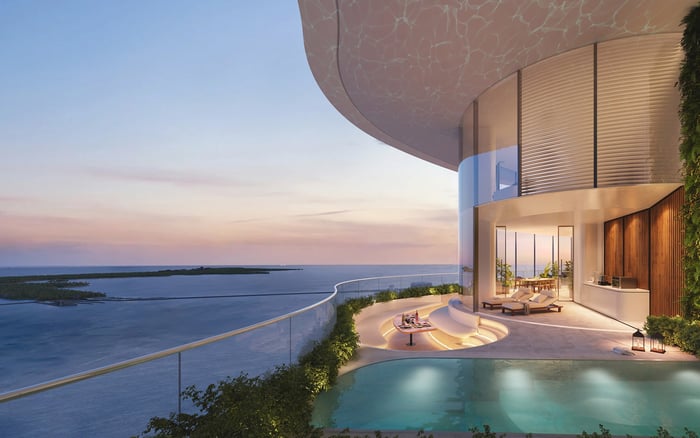
Surfside attracts buyers who want Miami Beach adjacency without the intensity of a larger resort district. For resale purposes, that preference can be powerful because it is easy to articulate. The buyer is seeking beachfront living, a quieter rhythm, and a refined residential setting.
In Surfside, liquidity is often tied to how precisely a residence expresses that promise. Direct water orientation, logical layouts, private outdoor space, and a composed building culture can matter as much as finishes. Buyers should also consider whether the residence will appeal to both seasonal and full-time users. A home that functions beautifully for a long winter stay while also supporting year-round living usually has a deeper exit audience.
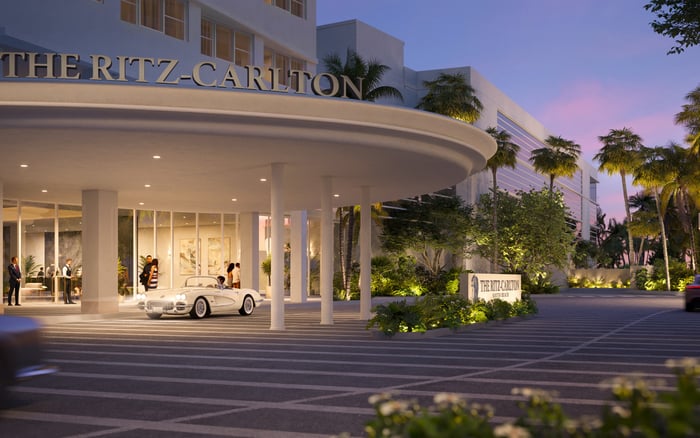
The same principle applies when considering The Surf Club Four Seasons Surfside. The name may draw attention, but a resale-minded buyer should still evaluate the individual residence on fundamentals: line, exposure, privacy, condition, and ease of ownership. Brand can open the door. The floor plan and setting must carry the value.
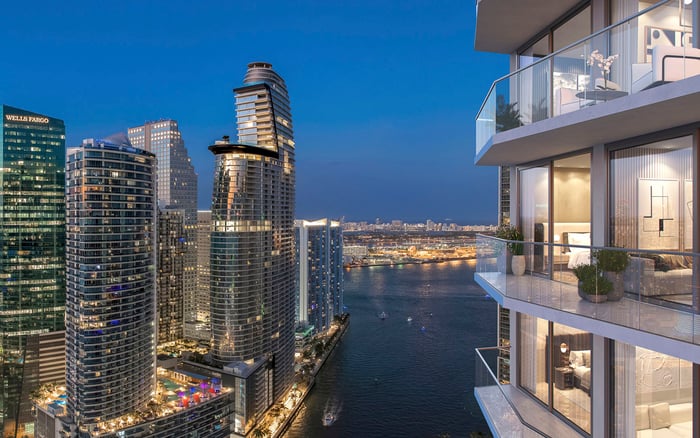
Brickell offers a different liquidity profile. It is not primarily a quiet coastal refuge. It is an urban luxury market with international recognition, office proximity, dining, bay views, and strong lock-and-leave logic. In a specialized Brickell building, buyers should study how the building’s identity fits the neighborhood’s natural demand.
Branded residences can be especially compelling in this context when the brand language aligns with an urban buyer’s expectations for service, design, and convenience. But branding alone is not a resale strategy. The residence must still be easy to live in and easy to compare. If a buyer cannot quickly understand why one line, exposure, or plan is superior, the eventual resale conversation may become more price-sensitive.
For example, a purchaser considering 888 Brickell by Dolce & Gabbana should think beyond the immediate glamour of the name. The sharper question is whether the residence will remain compelling to a future buyer who wants the brand, the address, and a plan that works without compromise.
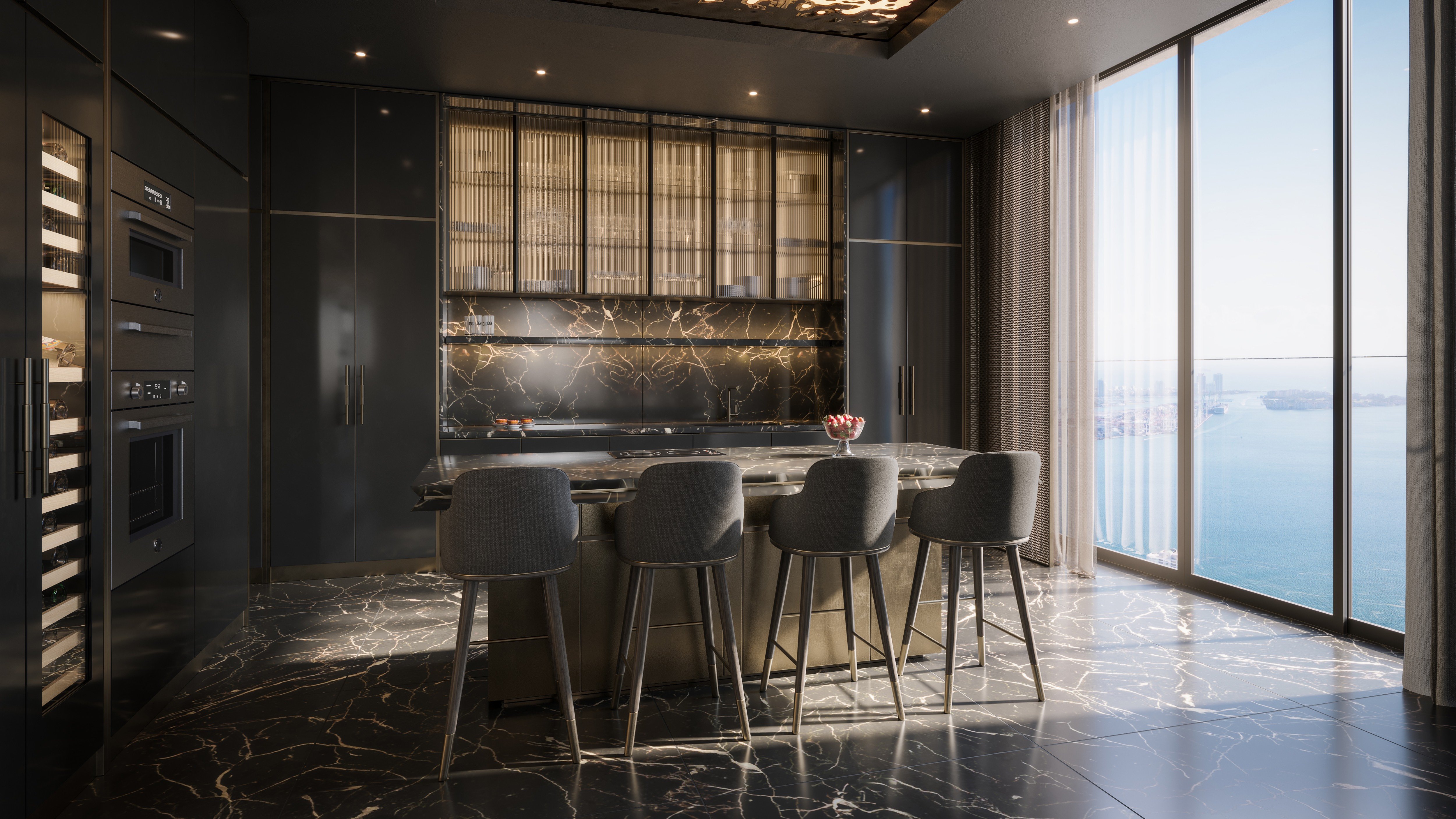
In luxury real estate, finishes can be changed. A difficult plan is harder to solve. Liquidity often begins with the geometry of the home: bedroom separation, primary suite privacy, kitchen placement, service circulation, terrace usability, and the relationship between public rooms and views.
A plan that photographs well but lives awkwardly can underperform. Conversely, a quietly excellent plan may hold buyer attention even when market conditions are less generous. For specialized buildings, this is especially important because the building already carries a point of view. The residence should not add unnecessary friction.
Buyers should be cautious with homes tailored too narrowly to one owner’s lifestyle. Highly customized media rooms, combined bedrooms, unusual material palettes, or built-ins that reduce flexibility may be beautiful, but they can shrink the future audience. The most liquid customized homes are those where personalization enhances the architecture without making the next buyer feel like a guest in someone else’s story.
The building’s rules and culture are part of the asset. Rental restrictions, pet policies, guest procedures, renovation protocols, reserve posture, and service standards can all affect how many future buyers will feel comfortable proceeding. In specialized buildings, these details are not administrative footnotes. They define the ownership experience.
A buyer should understand whether the building is primarily seasonal or full-time, social or discreet, hospitality-driven or residentially quiet. None of these profiles is inherently better. The key is alignment. A mismatch between buyer expectation and building culture can create resale friction because the next buyer will run the same analysis.
Liquidity also depends on confidence. Clean documentation, orderly operations, and a clear sense of building direction make buyers more decisive. When uncertainty enters the conversation, even exceptional residences can feel harder to trade.
The ideal South Florida acquisition should satisfy two tests. First, it must feel like the right home for the owner’s life. Second, it must make sense to someone else in one or two sentences. “A serene Surfside beachfront residence with privacy and service” is legible. “A highly customized unit in a niche concept building for a very specific lifestyle” may require more patience.
This is where advisory discipline matters. A buyer should compare not only price per square foot or recent sales tone, but also audience depth, building narrative, and substitution risk. If three other buildings can satisfy the same buyer need more clearly, resale leverage may be thinner. If the residence is one of the clearest expressions of a durable desire, liquidity becomes stronger.
What does resale liquidity mean in a luxury building? It means the ability to attract qualified future buyers without excessive time, discounting, or explanation.
Is a specialized building less liquid than a conventional one? Not necessarily. Specialization can help liquidity when the buyer audience is clear and the residence has strong fundamentals.
Why does Surfside appeal to resale-minded buyers? Surfside offers a calm coastal identity that is easy for future buyers to understand and value.
Are branded residences always safer for resale? No. A brand can support recognition, but the individual floor plan, views, governance, and pricing still matter.
What is the biggest floor-plan risk? Over-customization is a common risk because it can make the next buyer feel the home is too specific to one owner.
Should buyers prioritize views or building services? Both matter, but irreplaceable views and strong daily functionality usually carry particular weight at resale.
Do rental rules affect liquidity? Yes. Rules shape the buyer pool, especially for seasonal owners who want flexibility or predictability.
Is Brickell liquid for specialized residences? Brickell can offer strong buyer depth, but specialization must be legible and aligned with urban luxury demand.
How should an Aspen buyer think about South Florida? Translate the same discipline used for rare mountain property into coastal variables such as privacy, exposure, service, and ease of ownership.
What is the simplest resale test before buying? Ask whether the next buyer can understand the home’s value quickly, without a long explanation or narrow personal preference.
If you'd like a private walkthrough and a curated shortlist, connect with MILLION.
If branded residences are on your mind — as a home or as an allocation — we would be glad to share what we are seeing, privately.
Begin a quiet conversation