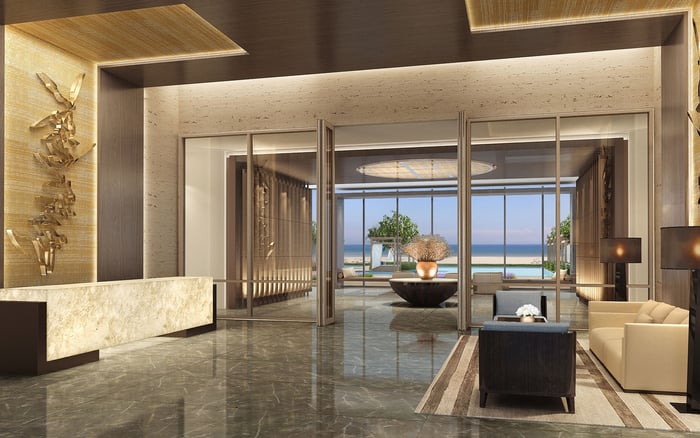
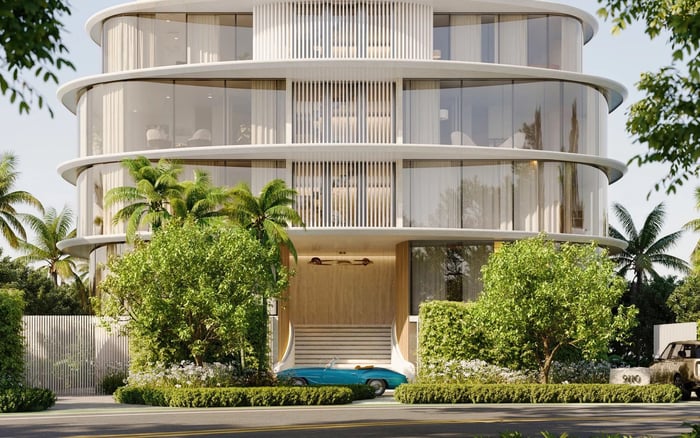
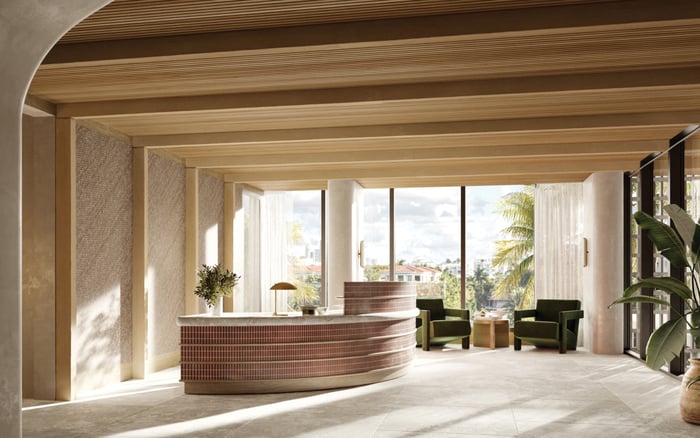
A buyer-focused editorial look at Ocean House Surfside, examining how a discreet coastal residence can balance social presence with privacy, calm, and long-term livability.
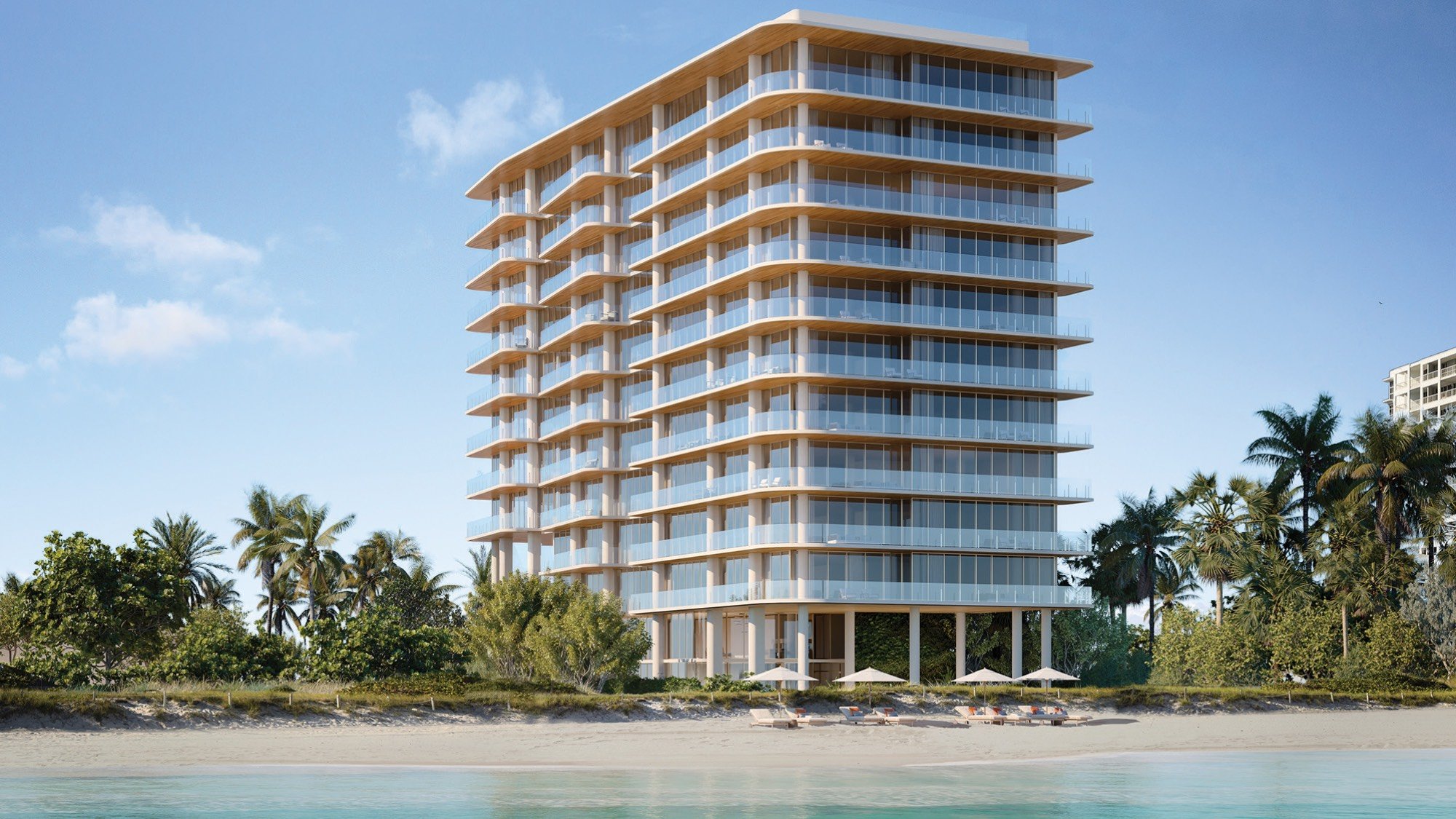
For a certain South Florida buyer, the ideal residence is no longer defined by spectacle alone. It must offer presence without performance, hospitality without intrusion, and a social rhythm that can be entered or avoided by choice. That is the central lens through which to read Ocean House Surfside: not simply as another luxury address, but as a study in how an intimate coastal tower can manage the tension between scene and sanctuary.
The word “scene” matters in this market. It suggests energy, recognition, proximity, and the sense that a building participates in the cultural life around it. The word “sanctuary” matters just as much. It implies privacy, calm, recovery, and the ability to feel unobserved at home. The most sophisticated residences do not choose one at the expense of the other. They choreograph the transition.
In Surfside, that balance has particular resonance. Buyers are often drawn to a quieter form of luxury, one that does not need to announce itself loudly to be understood. The best buildings in this category feel composed rather than theatrical. They create a polished threshold between public life and private retreat.
Surfside has become shorthand for a softer side of coastal luxury. It appeals to buyers who want the privileges of a prominent South Florida lifestyle without the constant velocity of more overtly social districts. The area tag is important here: Surfside is not only a location, but a mood. It signals restraint, walkability in spirit, and a preference for refinement over volume.
That is why the comparison set around Ocean House Surfside is so instructive. A buyer studying Arte Surfside, Fendi Château Residences Surfside, or The Surf Club Four Seasons Surfside is usually not asking for a generic beach condominium. They are weighing degrees of privacy, service culture, architectural tone, and social temperature.
In this segment, the right answer depends on how one lives. Some owners want the subtle glamour of arrival. Others want the disappearance act: the sense that home begins the moment the door closes, with no obligation to participate in a lobby performance. Ocean House Surfside sits within that larger conversation about how much social charge a residence should carry.
A building can have a scene without becoming sceney. The distinction is crucial. Controlled scene is about beautiful arrival moments, well-calibrated common spaces, and the quiet confidence of being somewhere known by people who value privacy. Constant scene, by contrast, can make a residence feel like a stage.
For ultra-premium buyers, the more durable luxury is optionality. The building should allow a resident to host, greet, circulate, and participate. It should also allow that same resident to bypass attention, return from travel, or spend a weekend in near-total quiet. The value is not simply in being seen. It is in choosing when visibility serves the day.
This is where Boutique living has an advantage. A more intimate residential environment, whether expressed through scale, service rhythm, or resident culture, can reduce the friction that often comes with heavily trafficked luxury towers. It can make the building feel less like a resort and more like a private address with hospitality intelligence.
Sanctuary is often misunderstood as silence alone. In luxury real estate, it is broader than that. It includes the quality of transition from the street to the residence, the emotional tone of the arrival sequence, the discretion of staff interactions, the privacy of circulation, and the degree to which the home allows its owner to decompress.
The most compelling residences in South Florida understand that buyers are not merely purchasing views or finishes. They are buying a state change. They want the day to slow down. They want a place where social obligations fall away. They want the residence to absorb stress rather than amplify it.
For Ocean House Surfside, the sanctuary question is therefore central: does the building promise a life that feels edited, not crowded? Does it create enough elegance to feel special, but enough restraint to feel livable? Those are the judgments that matter most to buyers who already understand luxury at a high level.
Design & Architecture shape behavior long before a resident reaches the private residence. A lobby can encourage lingering or movement. Corridors can feel ceremonial or discreet. Amenity areas can be positioned as stages or as extensions of the home. Even without relying on a checklist of features, the buyer can read a building by asking what kind of life its design encourages.
In the Surfside context, design that feels too loud can work against the promise of retreat. Design that is too quiet can lack the sense of occasion expected at this price tier. The sweet spot is composure: materials, proportions, and sequencing that make arrival feel meaningful without demanding attention.
This is why comparisons with The Delmore Surfside can be useful for buyers. Not because one residence must imitate another, but because each project helps define where a buyer sits on the spectrum between architectural drama and residential calm. The question is not which building is most impressive in a photograph. It is which one best matches the cadence of daily life.
Lifestyle is an overused word, but in this category it still has precision. It means the habits a building makes easier. Morning privacy. Effortless hosting. Time outdoors. A sense of wellness that is not performative. A residence that supports both a quiet weekday and a more social season.
The modern South Florida luxury buyer often wants proximity to culture, restaurants, friends, and family without turning home into an extension of the public realm. That is the delicate line. A building should provide access to life beyond the door, but it should not let that life invade the home.
Ocean House Surfside is compelling as a concept because it belongs to this more nuanced buyer conversation. It is not about maximum noise or maximum withdrawal. It is about calibrated access. The buyer wants to be close enough to participate, protected enough to retreat, and confident enough that the residence will remain elegant across changing seasons of use.
The most practical way to evaluate scene versus sanctuary is to imagine a full week of ownership. How does the building feel after a late dinner? How does it feel on a quiet morning? Does the arrival experience remain gracious when no one is being hosted? Does the residence support both privacy and entertaining without forcing a compromise?
Buyers should also think about emotional density. Some buildings are impressive because they are highly animated. Others are impressive because they are composed. Neither is inherently better. The correct choice depends on whether the owner wants home to extend the social calendar or protect them from it.
In a market where luxury can easily become loud, Ocean House Surfside invites a more disciplined reading. The most valuable residences are not always the ones that make the most immediate statement. Often, they are the ones that continue to feel right after the novelty fades.
What is the central appeal of Ocean House Surfside? Its appeal is best understood as a balance between refined coastal presence and the desire for privacy, calm, and everyday ease.
Is Ocean House Surfside positioned more as a social building or a private retreat? The most relevant buyer lens is not either-or. It is whether the residence allows social access while preserving sanctuary.
Why is Surfside important to this conversation? Surfside carries an association with discreet coastal luxury, making it well suited to buyers who value restraint as much as visibility.
How should buyers compare Ocean House Surfside with other Surfside residences? Buyers should compare design tone, privacy, service feel, and daily rhythm rather than focusing only on headline features.
Does a quieter building mean less luxury? Not necessarily. In the ultra-premium market, quiet can be a sign of confidence, control, and long-term livability.
What does Boutique living mean for this type of buyer? Boutique living suggests a more intimate residential experience, often appealing to buyers who prefer discretion over volume.
Why does Lifestyle matter in evaluating a residence? Lifestyle reveals how a building supports daily habits, from privacy and hosting to wellness, retreat, and ease of movement.
What role does Design & Architecture play in privacy? Design & Architecture influence how residents arrive, circulate, gather, and retreat, which directly affects the sense of sanctuary.
Who is the ideal buyer for Ocean House Surfside? The ideal buyer is likely someone who wants a polished coastal address without surrendering the privacy and calm of home.
What is the key question before choosing a Surfside residence? Ask whether the building matches the way you actually live, not just the way it presents during a first impression.
If you'd like a private walkthrough and a curated shortlist, connect with MILLION.
If branded residences are on your mind — as a home or as an allocation — we would be glad to share what we are seeing, privately.
Begin a quiet conversation