For South Florida buyers with school-age children, the beach-versus-city question is less about scenery than rhythm. The stronger choice is usually the one that protects school routines, commute sanity, family time, and long-term flexibility.
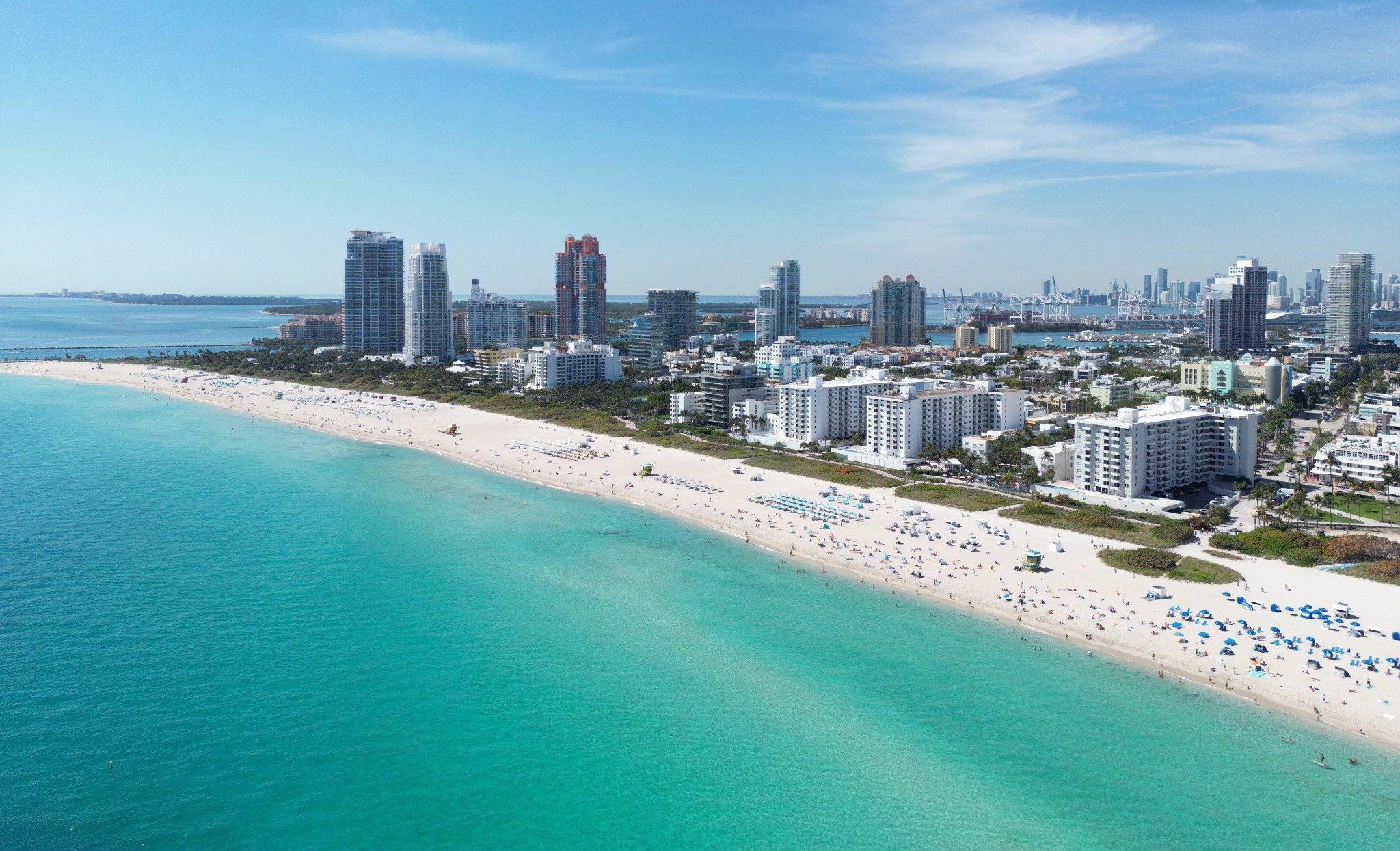
For buyers with school-age children in South Florida, the choice between beach access and a city lifestyle is rarely about sand versus skyline alone. It is a decision about time, privacy, school routines, extracurricular movement, weekend rituals, and the quiet ways a home either supports or complicates family life.
A beach address can deliver a sense of calm that is difficult to replicate. A city address can place a family closer to school corridors, offices, dining, culture, and after-school activities. Both can be deeply luxurious. The more important question is which version of luxury your family will actually use from Monday morning through Sunday evening.
Before children reach school age, many buyers focus on architecture, water views, building services, and entertainment value. Once school enters the equation, the search becomes more disciplined. Mornings matter. Traffic patterns matter. Pickups, tutoring, sports, music lessons, medical appointments, and last-minute playdates begin to shape the real value of an address.
This is where private-school proximity often becomes a quiet priority. A spectacular waterfront residence can lose some of its appeal if daily logistics feel strained. Conversely, a city residence may become more compelling if it reduces friction and gives parents back meaningful time.
For this reason, family buyers should treat lifestyle as a weekly calendar, not a brochure. Walk through a normal school day, then a rainy afternoon, then a tournament weekend, then a dinner out with grandparents. The right location should make those moments feel manageable, not merely impressive.
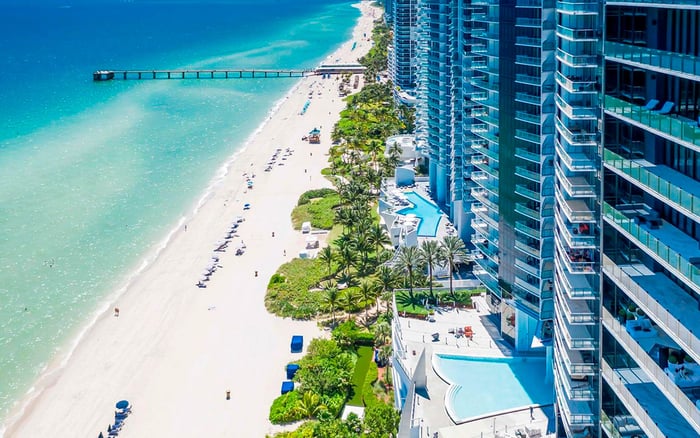
Beach-access living appeals to families who want their children to grow up with a strong connection to the water. The benefit is not only recreation. It is the everyday reset: a morning walk, a swim after homework, a weekend that does not require elaborate planning. In South Florida, that rhythm carries genuine emotional value.
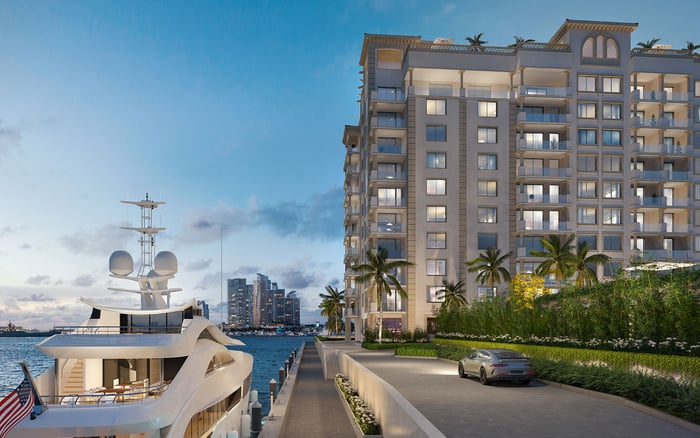
Miami Beach, Surfside, Bal Harbour, Sunny Isles Beach, Pompano Beach, and Fort Lauderdale Beach each offer variations on this theme. For buyers considering Miami Beach, residences such as The Perigon Miami Beach speak to the appeal of a coastal setting where home life can feel removed from the pace of the mainland.
The beach choice tends to work best for families who prize outdoor rituals, have flexible work schedules, or are comfortable planning school and activity routes with precision. It can also suit families who prefer a quieter evening environment and a more resort-like sense of arrival at home.
The tradeoff is practical. A beach address may require more thoughtful planning around bridges, school runs, and weekday movement. For some families, that is a minor inconvenience. For others, it becomes the defining issue.
City living offers a different kind of luxury: efficiency. In neighborhoods such as Brickell, Downtown Miami, Edgewater, Coconut Grove, Coral Gables, Fort Lauderdale, and West Palm Beach, the advantage is often proximity to the places families use most. That can include school communities, offices, dining, parks, tutors, wellness appointments, and weekend programming.
In Brickell, the appeal is strongest for families who want an urban base with immediate access to work and culture. A residence such as 2200 Brickell fits into a broader conversation about city convenience, where parents may prioritize shorter daily transitions over a more traditional beach routine.
Coconut Grove offers a softer version of city living, with a residential atmosphere that many families find compatible with school-age life. Projects such as Four Seasons Residences Coconut Grove are naturally part of that discussion for buyers who want refinement without giving up neighborhood texture.
City lifestyle is not automatically better for children. It depends on noise tolerance, building culture, access to outdoor space, and the family’s preferred pace. But when the weekly schedule is dense, the ability to reduce unnecessary travel can feel more valuable than direct beach access.
The most effective approach is to rank needs by frequency. Daily needs should outrank occasional pleasures. If school drop-off, work commute, and activities happen five days a week, they deserve more weight than a beach ritual used twice a month. If the beach is part of your family’s daily identity, it deserves equivalent weight.
Buyers should also consider the age of the children. Younger school-age children may benefit from easy routines and nearby playdates. Older children may value independence, access to friends, sports, arts, and social spaces. A location that is ideal for a six-year-old may feel restrictive for a teenager.
Privacy is another consideration. Some families prefer the anonymity of a full-service tower. Others want a more neighborhood-oriented environment. In Boca Raton, for instance, The Residences at Mandarin Oriental Boca Raton may enter the conversation for buyers seeking a polished urban village feeling outside Miami’s core.
For long-term value, the strongest family residences tend to solve more than one problem. They offer a desirable location, a practical floor plan, credible outdoor access, strong services, and a setting that appeals beyond one life stage. A home that works only for the beach fantasy or only for the school commute may be less flexible than one that balances both.
This is why the best answer is often not beach versus city. It is access versus friction. The right residence should make school mornings easier, weekends richer, and evenings calmer. Whether that happens beside the ocean or within a more urban grid depends on the family’s real habits.
In South Florida, lifestyle is not a single category. It is a sequence of choices repeated every day. The most successful buyers are honest about those choices before they fall in love with a view.
Is beach access more important than school proximity for families? Not always. For many families, school proximity and predictable routines matter more because they affect daily life.
Can a city residence still feel family-friendly? Yes. A city residence can work well when it offers efficient access to schools, parks, services, and activities.
Which families are best suited to beach living? Beach living often suits families that use the water regularly and have schedules that can accommodate coastal routes.
Which families are best suited to Brickell? Brickell can appeal to families that prioritize work access, dining, services, and a highly connected urban routine.
Why does private-school proximity matter so much? It can reduce daily travel time and make mornings, pickups, and after-school commitments easier to manage.
Is Coconut Grove a city or neighborhood choice? Coconut Grove often functions as both, offering urban access with a more residential neighborhood character.
Should buyers prioritize views or floor plans? For school-age children, floor plans often deserve equal or greater weight because daily function is essential.
How should families test a location before buying? They should map a normal school week, including commute times, activities, errands, and weekend routines.
Does beach access help resale appeal? It can, especially when paired with strong design, services, privacy, and practical access to daily needs.
What is the best overall choice for families? The best choice is the address that reduces friction while supporting the family’s preferred South Florida lifestyle.
To compare the best-fit options with clarity, connect with MILLION.
If branded residences are on your mind — as a home or as an allocation — we would be glad to share what we are seeing, privately.
Begin a quiet conversation