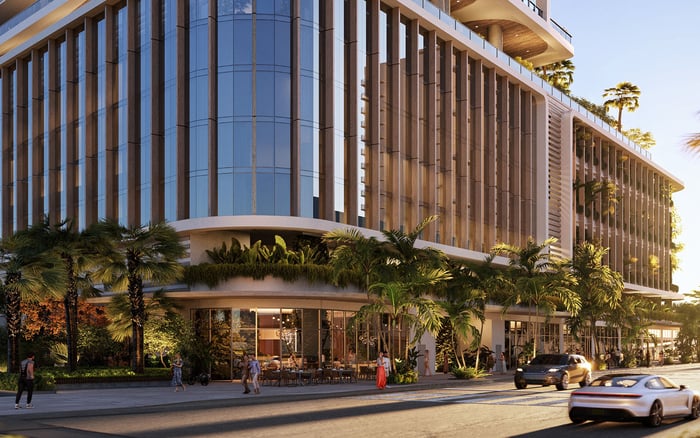
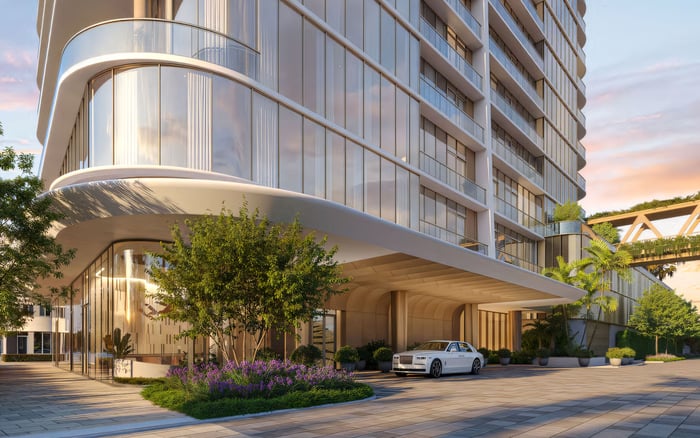
A buyer-focused look at Miami Tropic Residences and the emerging preference for discreet entertaining support that preserves privacy, control, and residential calm.
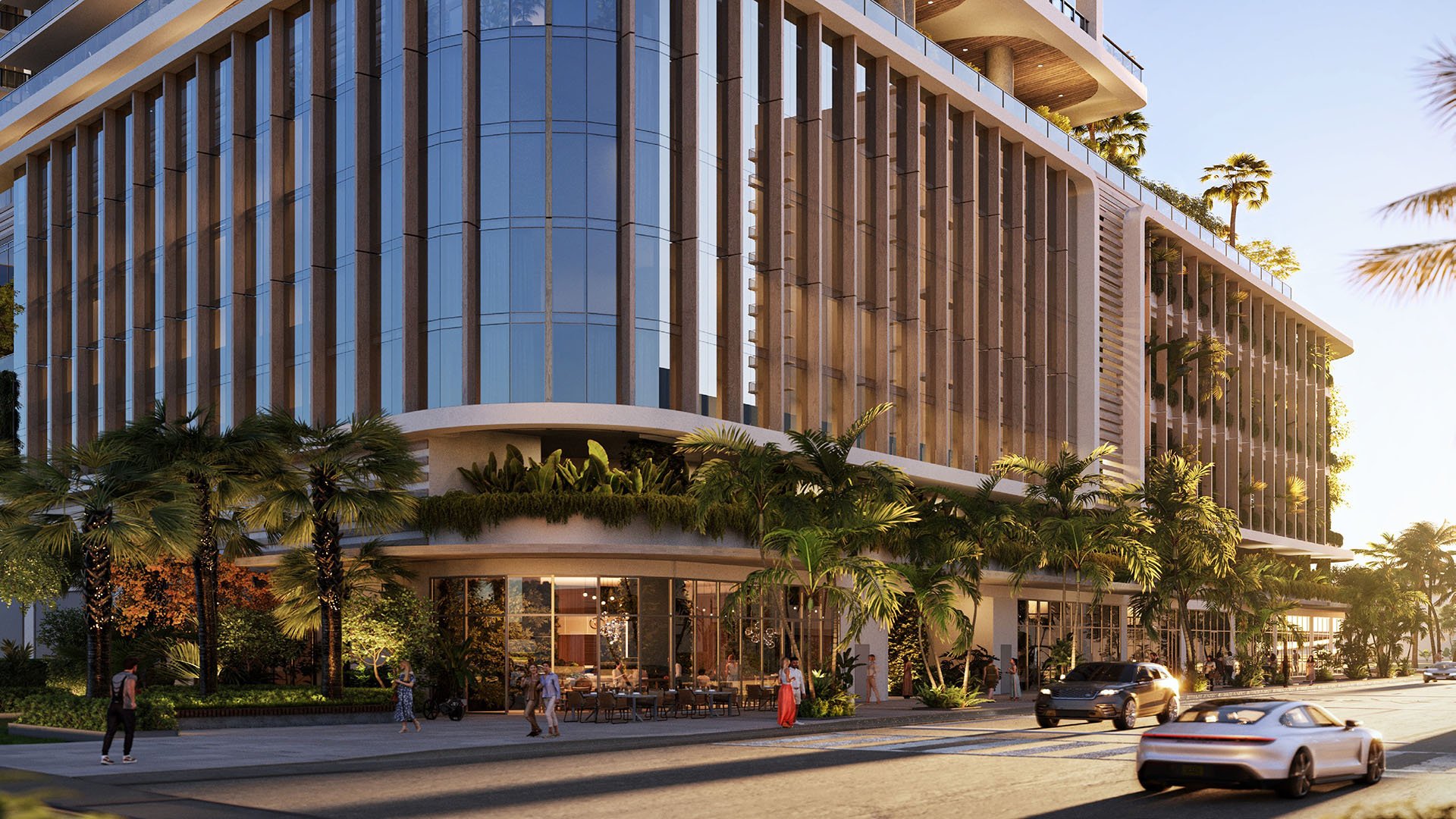
For a certain Miami buyer, entertaining is not a performance staged for the building. It is a private rhythm: a dinner that begins with effortless arrival, a cocktail hour that keeps guests out of lobby traffic, a Sunday lunch that feels composed rather than catered. That is the quiet appeal behind Miami Tropic Residences for buyers who want support around hosting without the sensation of living inside a hotel.
The distinction matters. Hotel-style service can be impressive, but it is not always intimate. It can bring visible staff, public-facing energy, branded ritual, and a subtle sense that the resident is participating in someone else’s hospitality script. The private-residence alternative is more restrained. At its best, it makes a gathering easier while allowing the owner to remain the host, the home to remain the setting, and the evening to feel personal.
This is where the ultra-luxury market is becoming more precise. Buyers are no longer satisfied with a generic promise of amenities. They want to understand how a building behaves on the night they invite twelve people to dinner: how a caterer arrives, where floral deliveries wait, how staff circulate, and whether friends can move from car to elevator to residence without unnecessary exposure.
In South Florida, privacy has become a layered concept. It is not only tinted glass, a guarded entrance, or a secluded terrace. It is choreography. Who sees whom? Which spaces are shared? How much of a resident’s life is visible to neighbors, staff, guests, and visitors?
For entertaining, that choreography is especially important. A residence can have beautiful interiors and still feel compromised if the arrival sequence is chaotic. A spectacular terrace can lose its calm if building operations are too present. A dinner party can feel less elegant when the service path crosses the social path too often.
The more sophisticated approach is support that recedes. It means systems that allow a host to prepare, receive, serve, and conclude an evening without turning the home into a public venue. The tone is not about refusing service. It is about editing it. In the best buildings, staff and systems are there when needed, then disappear from view when the resident’s own world takes over.
A buyer evaluating this category should walk through an imaginary evening. Begin with arrival. Can guests be received without feeling processed? Is the transition from entry to residence calm, legible, and dignified? Are parking, rideshare, and private-car moments handled in a way that supports the host rather than distracts from the occasion?
Then consider the back-of-house questions. Even when details are not publicly emphasized, a serious buyer should ask how deliveries are managed, where catering support can stage, whether service elevators are practical, and how building rules affect outside staff. These questions are not minor. They determine whether a residence works for real entertaining, not only for photography.
Storage is another underappreciated test. Hosting requires more than square footage. It requires room for glassware, linens, seasonal objects, folding service pieces, extra chairs, wine, pantry overflow, and the less glamorous equipment that makes entertaining feel effortless. A minimalist kitchen may look pristine, but the deeper question is whether it can support repetition.
Acoustics also deserve attention. The most elegant building is not the loudest one. A buyer should listen for elevator noise, corridor resonance, mechanical sound, pool-deck spillover, and the way music might travel during an evening gathering. Privacy is visual, but it is also acoustic.
The line between service and intrusion is often crossed through visibility. Too much visibility can make a residence feel managed. Too little support can make entertaining burdensome. The desired middle ground is a building culture where the resident controls the tone.
That means staff presence, if any, should feel responsive rather than theatrical. It also means amenities should not compete with the private residence. A private dining room, lounge, or entertaining suite can be valuable when it extends the home. It becomes less persuasive when it feels like a hotel outlet with residential branding.
This is why buyers drawn to the Miami Tropic Residences conversation often compare different forms of urban luxury. Someone looking at 2200 Brickell may be weighing a more city-centered rhythm, while a buyer considering The Perigon Miami Beach may be thinking through a different relationship between privacy, oceanfront living, and arrival experience. The right answer is not universal. The right building is the one whose operational rhythm matches the owner’s social life.
Miami’s residential market gives buyers several versions of hospitality. Some buildings lean toward resort energy. Others emphasize wellness, architecture, culinary identity, waterfront calm, or boutique discretion. The essential question is how much of that identity should be visible inside daily life.
For an owner who entertains frequently, the most valuable building may not be the one with the longest amenity description. It may be the one that reduces friction. This is why comparisons across neighborhoods can be useful. A buyer may look at Villa Miami for one expression of waterfront urban living, then consider The Well Coconut Grove for a different residential mood. The exercise is not simply about location. It is about the building’s social temperament.
Search terms can point buyers in a direction, but they are only the beginning. Labels such as Brickell, Miami Beach, Wynwood, Boutique, and New-construction are helpful filters only if the building’s actual living pattern aligns with the buyer’s expectations. A residence can be new without being discreet, boutique without being operationally polished, and amenity-rich without being effortless.
The natural buyer for this model is not necessarily someone who hosts large events. Often, it is the person who hosts often, but selectively. They care about a birthday dinner, a visiting family weekend, a business lunch at home, or a post-Art Basel gathering that should feel curated rather than crowded.
This buyer usually values control. They want to decide when the home feels social and when it returns to quiet. They want help available, but not hovering. They want guests to feel welcomed, but not absorbed into a hospitality machine. They are attuned to the difference between convenience and exposure.
For that audience, Miami Tropic Residences is best understood through a lifestyle lens rather than a checklist alone. The most important questions are experiential. Does the building allow the owner to entertain beautifully without surrendering privacy? Does it support preparation without overcomplicating the evening? Does it help the home feel more like itself?
What does entertaining support mean in a private residence? It refers to building features and operational practices that make hosting easier, from arrivals to deliveries to guest flow, while preserving the owner’s privacy.
How is this different from hotel-style service? Hotel-style service often feels more visible and public-facing. Discreet residential support is quieter, more flexible, and more controlled by the owner.
Why does arrival matter so much for entertaining? Arrival sets the tone for the evening. A calm, private arrival sequence helps guests feel expected rather than processed.
Should buyers ask about catering logistics? Yes. Catering access, delivery handling, service elevators, and staging areas can determine whether hosting feels seamless or stressful.
Is a large amenity package always better for hosts? Not necessarily. The better measure is whether the amenities extend private life without creating noise, crowding, or hotel-like intrusion.
Can a boutique building be better for entertaining? It can be, especially when fewer shared spaces and a calmer resident culture support privacy. Execution matters more than the label.
What should buyers notice during a building tour? Watch guest flow, elevator privacy, corridor sound, staff visibility, package handling, and how naturally a dinner party would move through the property.
Does Miami Tropic Residences suit frequent hosts? It may appeal to buyers who want a private home base where hosting can feel supported, composed, and not overly public.
How should buyers compare it with other Miami projects? Compare the living rhythm, not just the amenity names. The best match is the building that supports your actual social habits.
What is the key takeaway for luxury buyers? The highest form of entertaining support is often the least visible: it helps the evening unfold while keeping the residence firmly private.
If you'd like a private walkthrough and a curated shortlist, connect with MILLION.
If branded residences are on your mind — as a home or as an allocation — we would be glad to share what we are seeing, privately.
Begin a quiet conversation