Edgewater offers a residential bayfront alternative to Brickell, but full-time buyers should look beyond the view. Daily access, building finances, carrying costs and the specific residence determine whether the neighborhood delivers a more comfortable year-round routine.
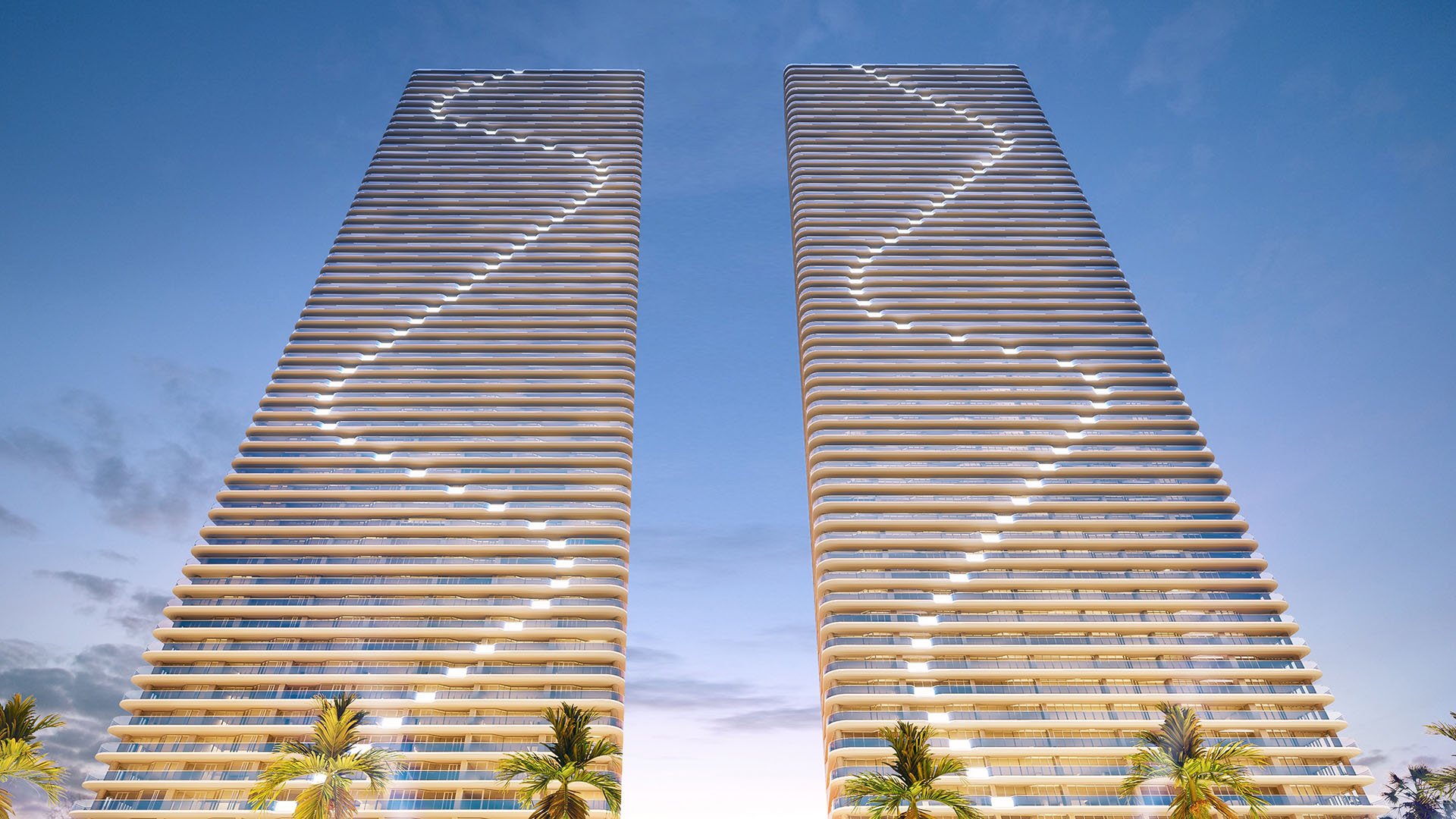
For a full-time buyer, the distinction between Edgewater and Brickell is less about the skyline than the day that unfolds beneath it. Edgewater is a primarily residential condominium neighborhood immediately north of Downtown Miami, with towers along Biscayne Bay and Biscayne Boulevard. Its appeal is the possibility of making the waterfront the center of everyday life without living amid Brickell’s concentration of offices, hotels, restaurants and nightlife.
That is a difference in character, not a guarantee of silence. Traffic on Biscayne Boulevard, construction and tower density can create markedly different experiences from one address to another. A sound purchase decision begins with the specific residence and its surroundings, not the assumption that every bay-facing apartment offers the same retreat.
For buyers who want proximity to the city’s activity without making it their immediate environment, that distinction deserves careful consideration.
Edgewater offers proximity to Midtown, Wynwood, the Design District, Downtown and Miami Beach without placing residents inside those activity centers. For year-round living, however, proximity needs to hold up against actual habits. A favorite dining district matters less on a Tuesday morning than the route to groceries, exercise or a recurring appointment.
The neighborhood is less self-contained and pedestrian-oriented than Brickell, and access to everyday destinations varies by building. Walk the routes you expect to use. Test arrivals and departures at the times that matter to you, rather than relying on a pleasant weekend viewing. No neighborhood label can establish a predictable commute.
Margaret Pace Park adds waterfront open space, recreation and dog-friendly outdoor access. Its value to a full-time owner depends on how comfortably it fits into the routine from a particular address. An outdoor space that becomes a daily habit can matter more than an amenity admired only during a sales presentation.
A bay view is not a single, interchangeable asset. Verify the actual outlook from the residence, consider possible obstructions and distinguish the experience inside the apartment from the impression created by a building’s marketing.
When comparing waterfront and non-waterfront residences, consider building quality, layout and ownership costs alongside the outlook. A price difference does not, by itself, establish what the view is worth.
The inventory spans established resale towers and newer luxury developments. Aria Reserve Miami belongs in that broader comparison, but no single building should stand in for the neighborhood. Compare the residence’s outlook, layout and ownership costs with genuinely relevant alternatives before deciding what the waterfront is worth to you.
Asking prices and closed sale prices answer different questions. Before using either to shape an offer, check the timing, building and residence characteristics behind the comparison. Different property mixes can make broad figures misleading.
Do not infer an expected discount by comparing unrelated asking and closed price averages. Instead, investigate competing residences and relevant completed sales, then anchor negotiations to the specific unit and building.
For a luxury residence, neighborhood-wide figures are context rather than a ceiling or a target. The practical question is whether the available alternatives support the price of the home you would actually choose.
An established tower and a newer development may appeal for different reasons. A lower purchase price does not settle the value question. Reserves, insurance, assessments, maintenance history and exposure to major repairs belong in the comparison from the outset.
If EDITION Edgewater is on your shortlist, apply the same discipline: confirm the details relevant to your intended residence and ownership timeline rather than carrying over assumptions from another property. A project name is a starting point for inquiry, not a substitute for documentation.
For full-time living, examine how the floor plan accommodates ordinary use. Consider where work, guests and storage fit, and whether the apartment feels comfortable beyond its most photogenic room. These are personal tests, but they help distinguish a compelling viewing from a lasting home.
Purchase price alone is an incomplete measure of affordability or value. Establish the residence’s actual association fees and other carrying costs before comparing it with another home.
Request the relevant association financial materials and clarify what the quoted fees include. Review insurance, reserve funding, assessment history and maintenance obligations with appropriate advisers. Ask about anticipated expenditure rather than assuming the current monthly payment captures every future obligation.
The same standard applies if Villa Miami enters the conversation. Before comparing it with another residence, establish which costs and ownership terms are confirmed. An attractive headline price is useful only when the accompanying commitments are understood.
Parking, guest access, pet policies, rental rules and renovation restrictions deserve attention before a commitment. Their practical consequences can outweigh a modest difference in purchase price, particularly when a residence will serve as a primary home.
Confirm the arrangements that matter to your household, including how visitors arrive and whether planned alterations are permitted. If rental flexibility matters, verify the actual rules rather than assuming that another Edgewater building operates similarly.
Finally, revisit the residence at different times. Listen, observe traffic and assess the immediate surroundings. Edgewater’s residential character is a reason to investigate, not a substitute for that final test.
Edgewater is most persuasive for buyers who want waterfront living within reach of Miami’s active districts and accept that daily convenience varies by address. Brickell may remain the better fit for those who prioritize a more concentrated pedestrian environment. Neither choice is universal; the right one supports the way you actually live.
For a tailored comparison of Edgewater residences and their full-time ownership considerations, connect with MILLION.
If branded residences are on your mind — as a home or as an allocation — we would be glad to share what we are seeing, privately.
Begin a quiet conversationEdgewater offers bayfront condominium living in a more residential setting. Brickell has a greater concentration of offices, hotels, restaurants and nightlife.
No. Biscayne Boulevard traffic, construction and tower density can produce very different experiences by building and residence.
It is less self-contained and pedestrian-oriented than Brickell. Everyday access varies by building, so buyers should test the routes they expect to use.
It provides waterfront open space, recreation and dog-friendly outdoor access. Its everyday usefulness depends on the location of the residence and the buyer’s routine.
Check the timing, building and residence characteristics behind each comparison. Unrelated asking and closed price averages should not be used to calculate an expected discount.
Base the offer on relevant completed sales, competing residences and the specific unit’s characteristics. Neighborhood-wide figures are context, not a price target.
Verify the outlook from the actual residence and consider possible obstructions. Compare layout, building quality and ownership costs rather than attributing a price difference entirely to the view.
Confirm the residence’s actual fees, included services and potential additional obligations. Review reserve funding, insurance, assessment history and anticipated expenditure with appropriate advisers.
No. Any lower purchase price should be weighed against reserves, insurance, assessments, maintenance history and major repair exposure.
Review view obstructions, parking, guest access, pet and rental rules, renovation restrictions and association finances. Visit at different times to assess the residence’s actual surroundings.