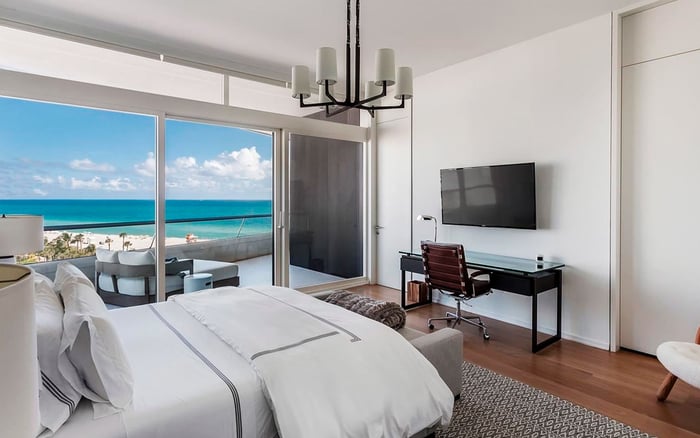
A buyer-focused due-diligence guide to capital contribution requirements, association budgets, reserves, amenity obligations, and potential shared-improvement costs at Five Park Miami Beach.
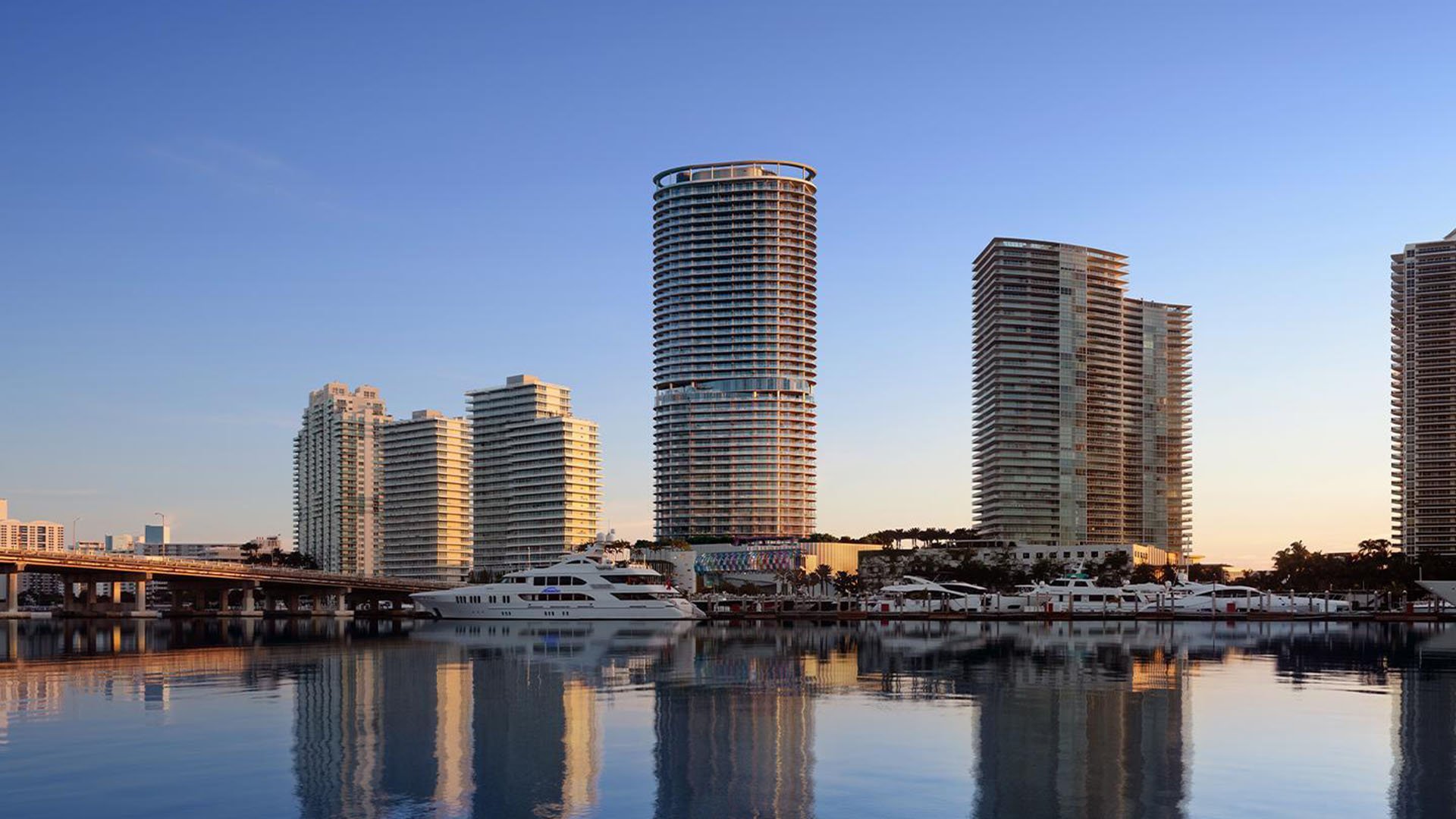
At a luxury condominium such as Five Park Miami Beach, the capital contribution is not simply a closing line item to clear. It is a window into how the association may be funded, how amenities may be maintained, and how future owners may be asked to support the building after the developer phase ends.
For buyers evaluating Miami Beach new-construction and pre-construction opportunities, the first rule is simple: do not treat the capital contribution as separate from monthly assessments. The number belongs in the same conversation as the operating budget, reserve schedule, amenity governance, shared-facility agreements, and turnover assumptions.
A buyer should understand not only what is due at closing, but what the obligation is designed to fund and whether similar charges could appear later through reserves, club charges, operating assessments, or special assessments. The goal is not to avoid every cost. The goal is to understand the ownership framework before deadlines expire.
Before signing, ask for the exact one-time capital contribution required at closing. The response should state whether the contribution is a fixed dollar amount, a percentage of the purchase price, or a multiple of monthly assessments. Each formula behaves differently. A percentage-based contribution rises with the residence price. A multiple of assessments may vary by residence size or ownership interest. A fixed amount may appear straightforward, but it still requires context.
The better question is not only “how much?” but “where does it go?” Ask whether the contribution is credited to reserves, used as non-refundable association income, deposited into a working-capital account, or allocated to a separate entity. Also ask whether it is refundable, transferable on resale, or effectively consumed once paid. The resale answer matters because future buyers may ask whether a prior contribution has any remaining value.
If you are comparing Miami Beach purchases, this same discipline applies across other high-service coastal properties such as The Perigon Miami Beach or Shore Club Private Collections Miami Beach. Capital structures vary, but sophisticated buyers ask for the formula, the destination of funds, and the future owner implications before focusing on finishes or amenities.
In a high-end, full-service residential tower, buyers should ask whether the condominium association owns and maintains each amenity directly, or whether certain components sit within a separate club, commercial entity, master association, shared-facility structure, or developer-controlled arrangement.
This is where a luxury building’s ownership experience can become financially layered. A one-time association contribution may not cover club initiation fees, premium amenity access, restaurant-related obligations, or future improvement charges tied to private facilities. Ask whether membership is mandatory or optional. If optional, ask whether nonmembers still contribute indirectly through the association budget. If mandatory, ask whether capital dues can increase and who approves those increases.
Amenities can define the lifestyle, but they are also assets that require staffing, insurance, maintenance, and replacement. The key is to understand which balance sheet supports them. A resident who believes an amenity is association-owned may be surprised if a separate entity controls pricing, access rules, or capital calls.
Monthly assessments deserve the same scrutiny as the capital contribution. Ask how assessments are calculated for the specific residence. Are they based on square footage, percentage ownership interest, bedroom count, or another allocation method? The calculation method can materially affect large-format residences, especially when owners compare carrying costs across a building.
Request the initial association budget and separate operating expenses from reserve funding. Operating expenses cover the recurring rhythm of the building, including staffing, utilities, maintenance, insurance, management, and service programs. Reserves are the longer-term capital cushion for future repair and replacement needs. A polished amenity presentation is not a substitute for a clear reserve schedule.
Ask whether reserves are fully funded, partially funded, waived, or expected to increase after turnover from developer control. Also ask whether projected assessments assume full sellout. Early owners may face different funding dynamics before a building stabilizes, depending on the documents and any developer subsidy or funding arrangement. The goal is to see the full carrying-cost picture before the rescission period expires.
Buyers comparing Miami Beach condominium living with established South Beach properties such as The Ritz-Carlton Residences® South Beach should be especially alert to how service level, staffing, and reserves translate into assessments over time.
For any luxury condominium with shared, adjacent, or public-facing improvements, buyers should ask detailed questions about maintenance, insurance, repair, and replacement obligations. If any such obligations are tied to Five Park Miami Beach, they should be visible in the governing documents rather than assumed from marketing language.
Ask whether the association has any obligation to maintain or contribute to landscaping, lighting, security, access features, shared facilities, or other improvements connected to the project. If the answer is yes, ask whether those costs sit inside the condominium budget, a shared-facility agreement, a public-improvement agreement, or another structure. If the answer is no, ask where that is stated in the documents.
This is not a skeptical posture. It is the normal discipline of buying into a complex luxury environment where private residential value may be enhanced by surrounding features. The question is not whether those features are desirable. The question is which party pays for them after opening, after warranties expire, and after developer control transitions.
The developer phase can create a sense of completion, but the association’s long-term financial reality often becomes clearer after turnover. Ask when developer-funded amenities and infrastructure become the association’s maintenance responsibility. Ask whether warranties, subsidies, or temporary support arrangements expire, and what happens to assessments when they do.
Buyers should also ask whether any known or anticipated special assessments, capital projects, insurance increases, reserve studies, or code-compliance costs are disclosed in the offering materials. Not every future cost can be predicted, but disclosed risks and known capital needs should be reviewed before closing.
Optional rights deserve their own review. Parking, storage, cabanas, guest suites, valet, beach-service, and other privileges can carry separate recurring fees or capital obligations. Clarify whether those rights are deeded, licensed, assigned, revocable, or subject to separate rules. In a full-service condominium, convenience can be priced in several places.
Finally, ask how future amenity upgrades are approved. Can the board approve them alone, or is owner approval required? What voting thresholds apply? A building with ambitious amenities should have a transparent governance path for future improvements.
Before the rescission period expires, request the full condominium documents, including the prospectus or offering plan, declaration, bylaws, initial association budget, reserve schedule, club documents, easements, shared-facility agreements, and public-improvement agreements. Review them with counsel and a condominium-focused adviser, especially if you are buying a high-value residence with substantial monthly carrying costs.
The central question is whether the capital contribution is a closing cost, a working-capital cushion, a reserve contribution, a club-related charge, or part of a broader ownership funding framework. At Five Park Miami Beach, the sophistication of the purchase should be matched by the sophistication of the financial review.
What is a capital contribution in a condominium purchase? It is typically a one-time payment made at closing to support the association, reserves, working capital, or another approved purpose defined in the documents.
Should I ask for the exact formula before signing? Yes. Confirm whether the amount is fixed, tied to purchase price, or based on a multiple of monthly assessments.
Can there be more than one contribution at closing? Yes. Ask about separate working-capital, reserve, club, amenity, or association-startup contributions.
Are monthly assessments separate from the capital contribution? Yes. Monthly assessments fund ongoing operations and reserves, while the capital contribution is usually a one-time closing obligation.
Why do reserves matter at a luxury condominium? Reserves help fund future repairs and replacements, which can be significant in amenity-rich, full-service buildings.
What should I ask about amenities? Ask which amenities are owned by the association and which may be controlled by a club, commercial entity, master association, or developer-related structure.
Could shared or public-facing improvements create owner costs? They can, depending on the documents. Ask who pays for maintenance, insurance, repairs, security, lighting, landscaping, and replacements.
Do optional rights such as parking or cabanas matter? Yes. Optional rights may carry separate fees, rules, or capital obligations beyond standard assessments.
Can future amenity upgrades lead to additional charges? They can if the board or owners approve improvements that require new funding. Ask what voting thresholds apply.
Is this review a substitute for legal advice? No. Use it as a buyer-focused checklist and review all documents with qualified counsel before deadlines expire.
When you're ready to tour or underwrite the options, connect with MILLION.
If branded residences are on your mind — as a home or as an allocation — we would be glad to share what we are seeing, privately.
Begin a quiet conversation