A practical framework for evaluating privacy, daily convenience, residence design, and long-term fit when considering Bay Harbor Islands.
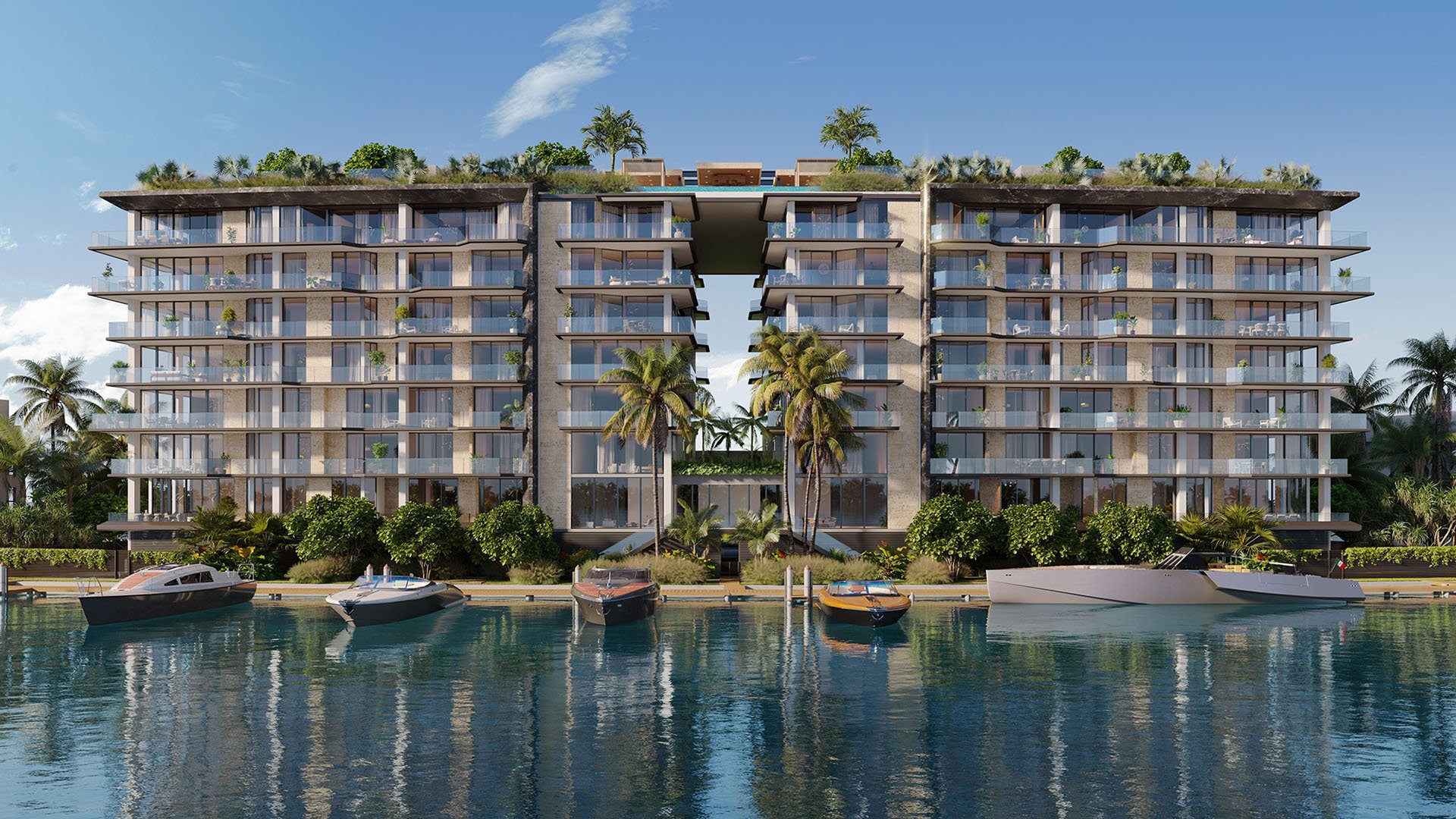
For Westchester buyers, the appeal of Bay Harbor Islands often begins with a seemingly simple proposition: staying connected to an active urban life while creating a more private coastal home base. The right decision, however, is less about choosing between city and beach than determining how each should function in daily life.
Start by defining convenience precisely. Does it mean reaching professional commitments efficiently, dining out without elaborate planning, or maintaining easy access to services? Define privacy with equal care. It might mean a quiet terrace, a discreet arrival, limited sightlines from neighboring residences, or a building whose shared spaces rarely feel crowded.
This distinction helps prevent a familiar mistake. A residence can appear serene during a brief showing yet feel exposed once surrounding balconies, circulation areas, and street activity come into view. Conversely, a home that is not directly on the sand may provide a stronger sense of retreat.
A map can establish orientation, but it cannot reveal how well a property will support a buyer’s week. Build a routine-based brief encompassing workdays, weekends, entertaining, wellness, household staffing, deliveries, and travel. Then evaluate each prospective home against that schedule.
Tour at more than one time of day. Observe the approach, the sequence from garage to residence, elevator usage, lobby activity, and the transition from street to home. If beach time is central, test the complete experience rather than treating beach access as a checkbox. Consider preparation, storage, return, and cleanup, particularly for a household with children, guests, or pets.
Convenience is ultimately about reducing friction. A slightly quieter setting may be preferable if the residence handles arrivals, packages, parking, and daily transitions elegantly. Rank recurring ease above occasional spectacle.
Examine privacy at the residence, building, street, and waterfront levels. Inside the home, study bedroom separation, window placement, terrace exposure, elevator proximity, and the relationship between service and formal areas. A compelling water view does not automatically ensure visual privacy.
At the building level, consider how residents and visitors move through common spaces. Review entry protocols, guest procedures, delivery handling, amenity access, and staffing. A boutique property with fewer residences may feel intimate, but the quality of circulation and management matters more than the label.
At street level, remain outside long enough to notice vehicle flow, pedestrian activity, lighting, and neighboring entrances. At the shoreline, examine how terraces, pools, paths, and adjacent properties relate to one another. Waterfront living feels most secluded when architecture, landscaping, and operations work in concert.
Bay Harbor Islands presents multiple projects for consideration, but comparisons are useful only when the criteria remain consistent. Buyers might begin with Alana Bay Harbor Islands and Bay Harbor Towers, then apply the same questions to every visit: How does one arrive? Where are the most private rooms? What can be seen from each terrace? Which shared spaces would actually be used?
The same framework can guide reviews of La Baia North Bay Harbor Islands, Onda Bay Harbor, and The Well Bay Harbor Islands. These links are starting points, not substitutes for current documents, physical inspections, and professional advice.
Do not allow a dramatic amenity or presentation residence to reset the brief. Photograph sightlines, note ambient sound, and record practical observations immediately after each tour. Memory tends to preserve finishes and views while losing the operational details that shape ownership.
A successful second home and a successful primary residence may demand different compromises. Buyers planning frequent absences may prioritize secure access, straightforward maintenance, and dependable management. Full-time residents may place greater weight on storage, acoustic separation, workspace, and the comfort of everyday circulation.
Entertaining also changes the equation. Consider whether guests can arrive without compromising private rooms, whether terraces support the desired style of hosting, and whether kitchen and service routes feel natural. If family members keep different schedules, test how sound and movement travel through the floor plan.
Broad search labels are useful only as prompts. Terms such as Bay Harbor, waterfront, boutique, or buyer’s guide must still be translated into observable requirements. Each should lead to a question that can be answered during diligence.
Create a weighted scorecard before a preferred property emerges. Categories might include arrival privacy, interior sightlines, outdoor exposure, daily convenience, layout efficiency, building operations, ownership costs, and flexibility over time. Weight each category according to the household’s actual priorities, then score every serious option on the same scale.
Before committing, review governing documents, budgets, insurance considerations, residence specifications, construction status where relevant, and all rules affecting use. Confirm what is included with the residence and what requires separate arrangements. Engage appropriate legal, financial, inspection, and insurance professionals for advice tailored to the transaction.
The most persuasive choice is rarely the home that wins every category. It is the one whose compromises are intentional. For Westchester buyers, Bay Harbor Islands can be approached as a refined exercise in calibration: enough connection to preserve momentum, enough privacy to make returning home feel distinctly restorative.
Should convenience be measured by mileage alone? No. Evaluate complete routines, including arrival, parking, access, errands, and recurring appointments.
What is the first privacy detail to inspect? Begin with sightlines from windows and terraces, then assess elevators, corridors, neighboring balconies, and shared amenities.
Is a waterfront residence always more private? Not necessarily. Orientation, adjacent buildings, landscaping, circulation, and amenity placement can materially affect seclusion.
How many times should a buyer visit a finalist? Visit more than once and at different times to compare light, sound, traffic, and common-area activity.
Which floor plan features deserve close attention? Study bedroom separation, storage, service routes, workspace, terrace access, and the division between entertaining and private areas.
How should buyers compare amenities? Rank amenities by probable frequency of use, privacy, access rules, and their relationship to ongoing ownership costs.
What should frequent travelers prioritize? Focus on secure entry, delivery procedures, maintenance simplicity, management, and the ease of closing and reopening the residence.
How can buyers avoid being swayed by finishes? Use a prepared scorecard and record circulation, exposure, sound, storage, and operational observations before discussing aesthetics.
What documents merit professional review? Review governing documents, budgets, insurance matters, contracts, specifications, included items, and restrictions with qualified advisers.
What defines the strongest final choice? The best fit is the residence whose tradeoffs align with the household’s routines, privacy expectations, and ownership horizon.
To compare the best-fit options with clarity, connect with MILLION.
If branded residences are on your mind — as a home or as an allocation — we would be glad to share what we are seeing, privately.
Begin a quiet conversation