A disciplined framework for converting newly liquid wealth into a Palm Beach Gardens residence while preserving flexibility, privacy and long-term optionality.
A liquidity event can make a major residential purchase seem straightforward. The more disciplined approach is to slow the sequence. Before touring Palm Beach Gardens homes, separate available cash from tax reserves, future investment commitments, family obligations and the capital intended to remain liquid.
That exercise establishes a true acquisition range rather than a headline budget. It should account not only for the purchase price, but also for closing expenses, insurance, property taxes, association obligations, staffing, furnishings, improvements and reserves for unexpected work. Before signing a contract, buyers should have their legal, tax, insurance and wealth advisers model the consequences.
For a Seattle buyer, this is also an opportunity to define the residence’s role. It may become a primary home, a seasonal base or a second home used around business and family travel. Each use case sets a different standard for storage, security, maintenance, guest space and lock-and-leave convenience.
A useful brief should be specific enough to eliminate attractive but unsuitable homes. Begin with the weekly routine: golf, boating, fitness, entertaining, quiet work, family visits and airport transfers. Then separate essential requirements from features that are merely desirable.
Privacy deserves its own line item. Consider the arrival sequence, exposure from neighboring residences, staff circulation, package handling and the visibility of outdoor areas. In a condominium, assess elevators, common corridors and service protocols. In a single-family residence, examine the operational burden of the grounds, exterior systems and security plan.
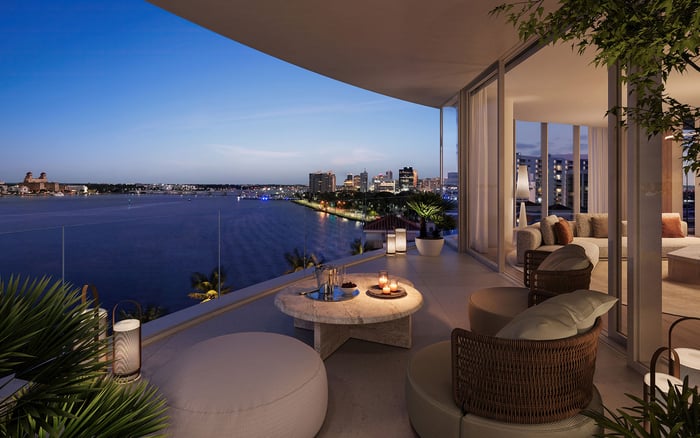
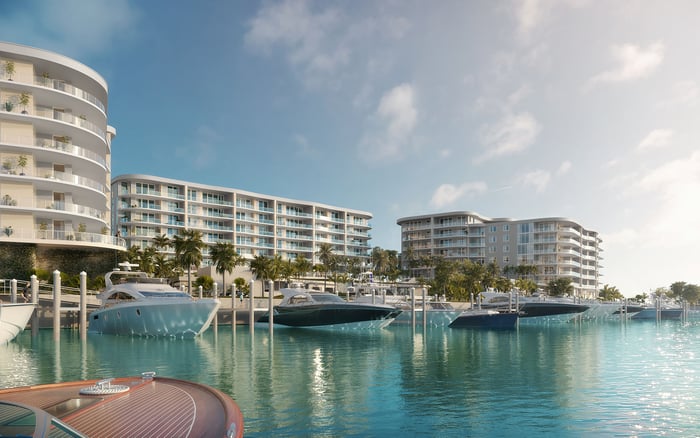
Waterfront should also be treated as a functional category, not simply a view description. A buyer seeking visual openness may have different priorities from one planning regular boating activity. Site conditions, access, insurance considerations, maintenance exposure and any contemplated marine use require specialist review. The objective is to understand what the property supports, not to infer it from photography.
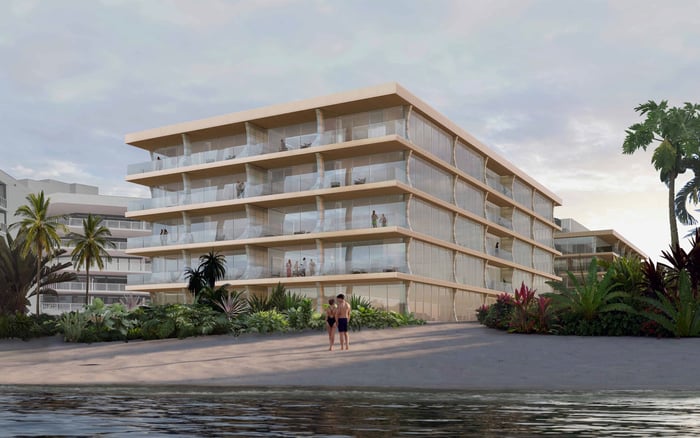
The first comparison should remain local. The Ritz-Carlton Residences® Palm Beach Gardens provides a useful test of a managed residential format against a private home. The comparison is less about architecture than responsibility: what the owner controls personally, what is handled collectively and how that division shapes daily life.
A broader Palm Beach search can further refine the brief. Palm Beach Residences offers a relevant reference point for buyers considering a different residential context within the area. The purpose is not to expand the search indefinitely, but to distinguish qualities that are truly location-specific from those available through another ownership format.
West Palm Beach should be part of the same calibration. Reviewing Forté on Flagler West Palm Beach and The Ritz-Carlton Residences® West Palm Beach can help a buyer compare Palm Beach Gardens with a more urban residential proposition. These are not substitutes by default. They are controls that reveal how strongly the buyer values setting, service model and proximity patterns.
Even when the purchase is primarily personal, investment discipline improves the result. Build a conservative ownership model across several holding periods. Include recurring costs, planned upgrades, replacement cycles and the possibility that the home will be used less than expected.
Do not rely on appreciation to rescue an overextended budget. Instead, ask whether the residence would remain comfortable to own if markets, income or family plans changed. A strong purchase should preserve the buyer’s ability to hold, improve or sell without forcing decisions elsewhere in the portfolio.
For a condominium, review the governing documents, budgets, reserves, insurance framework, restrictions and approval procedures with qualified advisers. For a house, commission independent inspections appropriate to the property and obtain realistic scopes for desired work. In either case, confirm in writing all assumptions about renovations, rentals, pets, vehicles or marine access.
The cleanest process uses gates. Gate one confirms financial capacity and advisory alignment. Gate two establishes the property brief. Gate three compares a small set of credible options. Gate four begins technical, legal and insurance diligence. Negotiation follows only after the buyer understands the asset and its obligations.
This sequence is especially valuable after a liquidity event, when speed can be mistaken for certainty. Do not compress diligence simply because funds are available. Agree on privacy protocols, title structure, signing authority and document handling before an offer circulates.
Buyer’s guides are most valuable when they convert preferences into decisions. For each finalist, prepare a one-page scorecard covering location, privacy, condition, service, recurring cost, improvement needs and exit flexibility. Add a separate list of unresolved questions, assigning an owner and deadline to each answer.
Price matters, but so do timing, included property, inspection rights, closing conditions and the treatment of open permits or planned work. Decide in advance which terms are essential and which can be traded. This discipline prevents a competitive moment from changing the risk profile unnoticed.
The final choice should be coherent on three levels: financially proportionate, operationally manageable and personally compelling. If one remains weak, pause. Newly liquid wealth offers the privilege of selectivity. The best use of that privilege is not to buy quickly, but to choose a residence that remains elegant to own long after the excitement of acquisition has passed.
How should I set a Palm Beach Gardens purchase budget after a liquidity event? Ring-fence taxes, reserves and other commitments first, then model the full cost of acquisition and ownership with independent advisers.
Should I buy immediately after receiving proceeds? Not necessarily. A deliberate planning period can clarify liquidity, tax considerations, ownership structure and the residence’s intended role.
Is a condominium or single-family home more suitable? Choose according to the desired privacy, control, service, maintenance responsibility and frequency of occupancy.
What should a Seattle buyer prioritize during tours? Focus on arrival, privacy, natural light, storage, guest circulation, workspace and the ease of leaving the property unattended.
How should I evaluate recurring costs? Consider taxes, insurance, association obligations, staffing, maintenance, utilities and realistic reserves as a single annual ownership figure.
Does a branded residence automatically offer better value? No. Evaluate the service model, governance, costs, use restrictions and personal relevance rather than relying on branding alone.
What requires special attention with a waterfront property? Confirm site conditions, insurance implications, maintenance exposure and any intended marine use through appropriate professional diligence.
Should potential resale influence a personal purchase? Yes. Exit flexibility, broad appeal and manageable ownership obligations can preserve optionality even when resale is not an immediate plan.
How many properties should reach final diligence? Keep the finalist group small enough for rigorous comparison while retaining at least one credible alternative during negotiations.
Who should review the transaction before contract? Engage independent legal, tax, insurance, inspection and wealth advisers whose scopes reflect the property and your circumstances.
When you're ready to tour or underwrite the options, connect with MILLION.
If branded residences are on your mind — as a home or as an allocation — we would be glad to share what we are seeing, privately.
Begin a quiet conversation