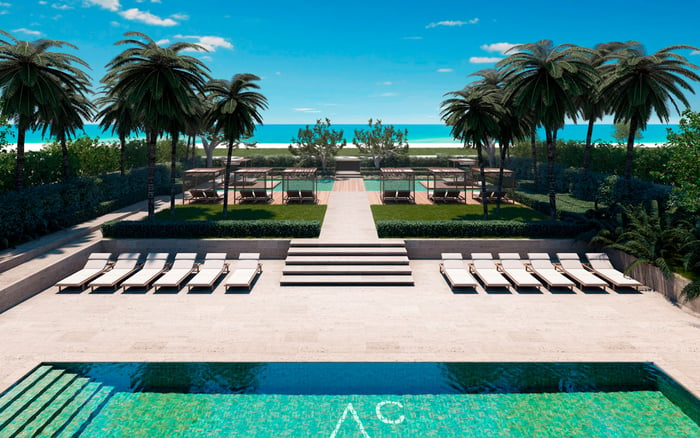
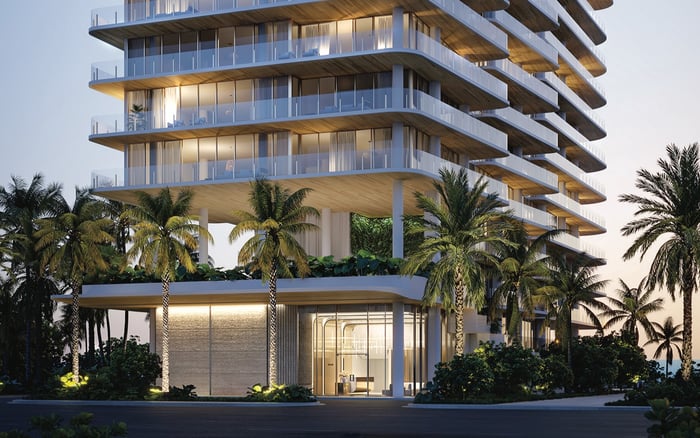
In Surfside, the most compelling waterfront residence is not simply the one with the best view. Buyers should weigh recurring fees, insurance structure, storm readiness, privacy, maintenance responsibility, association strength, and resale resilience as one connected ownership decision.
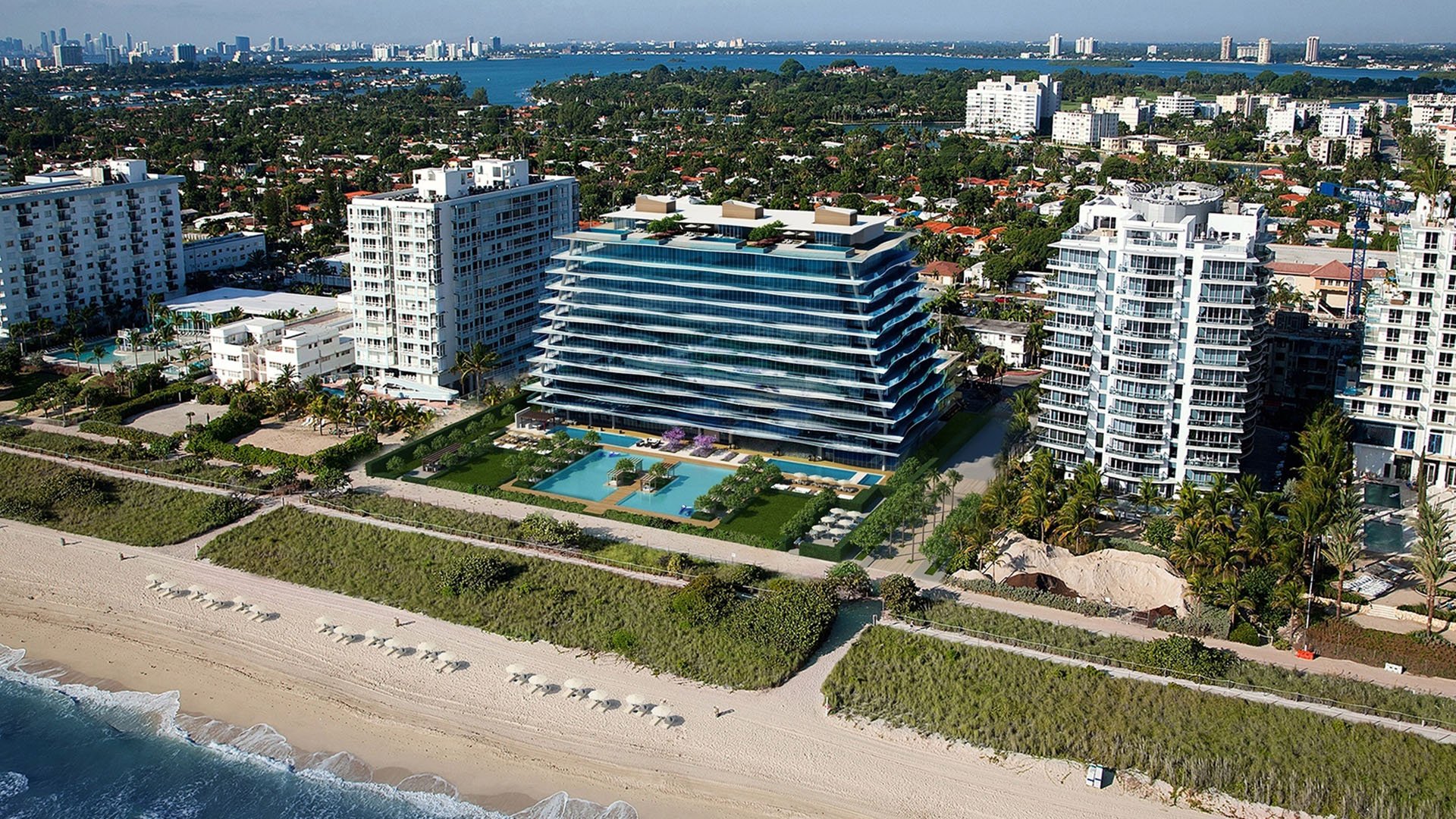
Surfside offers a rare proposition within Miami-Dade: a small oceanfront municipality where beach proximity, residential scale, and privacy converge. Yet the elegance of the setting makes disciplined underwriting more important, not less. Waterfront ownership should be assessed as a complete operating profile encompassing insurance, maintenance, storm preparation, reserves, taxes, and the way each property delivers privacy.
For condo buyers, monthly association fees are only the opening line. In Surfside, fees can range from about $700 to more than $2,500 per month, depending on the building, amenities, and reserve funding. Dues may cover common-area insurance, exterior maintenance, landscaping, pools, beach services, and certain utilities, but inclusions vary by association.
A comparison among Arte Surfside, Ocean House Surfside, and other local residences should therefore begin with the documents, not the headline dues. Two properties with similar monthly charges can carry very different long-term obligations.
An oceanfront condominium budget can include association dues, property taxes, unit-owner insurance, flood insurance where applicable, and special assessments, in addition to financing costs. Buyers should distinguish recurring expenses from those that can reset annually or arise irregularly after capital work or storm damage.
The association budget warrants particular scrutiny. A higher monthly fee may reflect extensive amenities, stronger reserve contributions, or broader services. A lower fee does not automatically signal efficiency when major repairs remain underfunded. Pending or recently approved assessments should be considered alongside their scope, payment schedule, and the remaining capital plan.
Detached waterfront ownership reallocates the same broad risks. Single-family owners generally assume greater direct responsibility for coastal insurance, landscaping, exterior care, and property upkeep. That autonomy can be desirable, but it requires a realistic annual reserve for preventive work and unexpected events alike.
Storm readiness is not a seasonal checklist to address after closing. It begins during due diligence with flood-zone verification and early insurance quotations, as coastal exposure can affect annual premiums and financing feasibility.
Condo purchasers should compare the building’s master policy with the unit-owner coverage they will need. The objective is to identify deductibles, exclusions, interior responsibilities, and potential gaps before damage occurs. Shared building coverage does not eliminate personal exposure to water intrusion, interior restoration, temporary displacement, or uncovered improvements.
Association quality is equally consequential. Review reserve studies, engineering materials, inspection records, budgets, and meeting minutes. Together, these documents can reveal whether the board plans proactively, communicates clearly, and funds necessary work. Florida’s evolving condominium requirements and higher insurance premiums have intensified pressure on reserves, repairs, and monthly affordability.
Salt air creates a quieter but persistent cost. It accelerates wear on HVAC equipment, exterior finishes, windows, railings, and balconies. Balcony components and exposed mechanical systems warrant regular inspection, even when the association manages the building envelope.
Privacy is not determined solely by elevation or price. A lower-density building can provide greater separation, while a larger condominium may exchange some seclusion for staffing, amenities, and shared operational support. Buyers considering The Delmore Surfside or The Surf Club Four Seasons Surfside should assess the lived experience as carefully as the residence itself: the arrival sequence, elevator use, service circulation, terrace exposure, and relationship between private and common areas.
A waterfront single-family home may offer greater control over access, outdoor space, and storm decisions. It also places vendor coordination, preparation, repairs, and reopening directly with the owner. The stronger choice is the ownership model whose obligations suit the household’s availability and desired level of involvement.
The strongest lifestyle fit generally belongs to buyers who value ocean views, beach access, and a coastal setting enough to accept higher, potentially less predictable overhead. Second-home owners may prefer an association that coordinates exterior work and shared storm procedures. Full-time residents may place greater value on autonomy, storage, private outdoor areas, or direct control over maintenance timing.
Resale planning should begin before acquisition. Examine the building’s age and condition, reserve strength, insurance availability, and the probable direction of monthly fees. The most defensible purchase is one in which financial capacity, privacy expectations, and appetite for operational responsibility remain aligned-even if insurance, reserves, or repairs become more expensive.
What costs sit beyond a Surfside condo’s monthly dues? Property taxes, unit-owner insurance, flood insurance where applicable, financing, and special assessments may all apply.
What can association fees include? They may cover common-area insurance, exterior upkeep, landscaping, pools, beach services, and some utilities, with inclusions varying by building.
Are lower condo fees always preferable? No. Lower dues can be less attractive when reserves are insufficient or significant capital work is approaching.
Why compare the master policy with unit-owner insurance? The comparison helps identify deductibles, exclusions, interior obligations, and coverage gaps after storm or water damage.
When should a buyer request insurance quotations? Early in due diligence, because coastal exposure can influence both annual ownership costs and financing feasibility.
Which association documents deserve close review? Reserve studies, engineering reports, inspection records, budgets, insurance information, and meeting minutes are central.
How does salt air affect carrying costs? It can accelerate deterioration of HVAC systems, finishes, windows, railings, and balconies, increasing preventive-maintenance needs.
Does a single-family waterfront home provide more privacy? It may offer greater separation and control, but maintenance and storm-readiness responsibilities fall more directly on the owner.
What should second-home buyers prioritize? They should assess management responsiveness, storm procedures, insurance coordination, access control, and the ability to oversee work remotely.
Which factors may influence future marketability? Reserve strength, building condition, insurance availability, special assessments, and the trajectory of monthly fees can shape buyer confidence.
For a discreet conversation and a curated building-by-building shortlist, connect with MILLION.
If branded residences are on your mind — as a home or as an allocation — we would be glad to share what we are seeing, privately.
Begin a quiet conversation