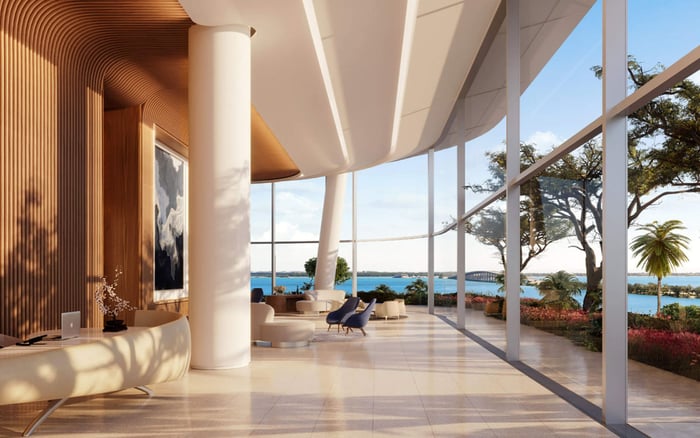
A seasonal pied-à-terre is priced not only by purchase, carrying costs, and design, but by the discipline of every arrival, departure, vendor visit, and quiet month between stays.
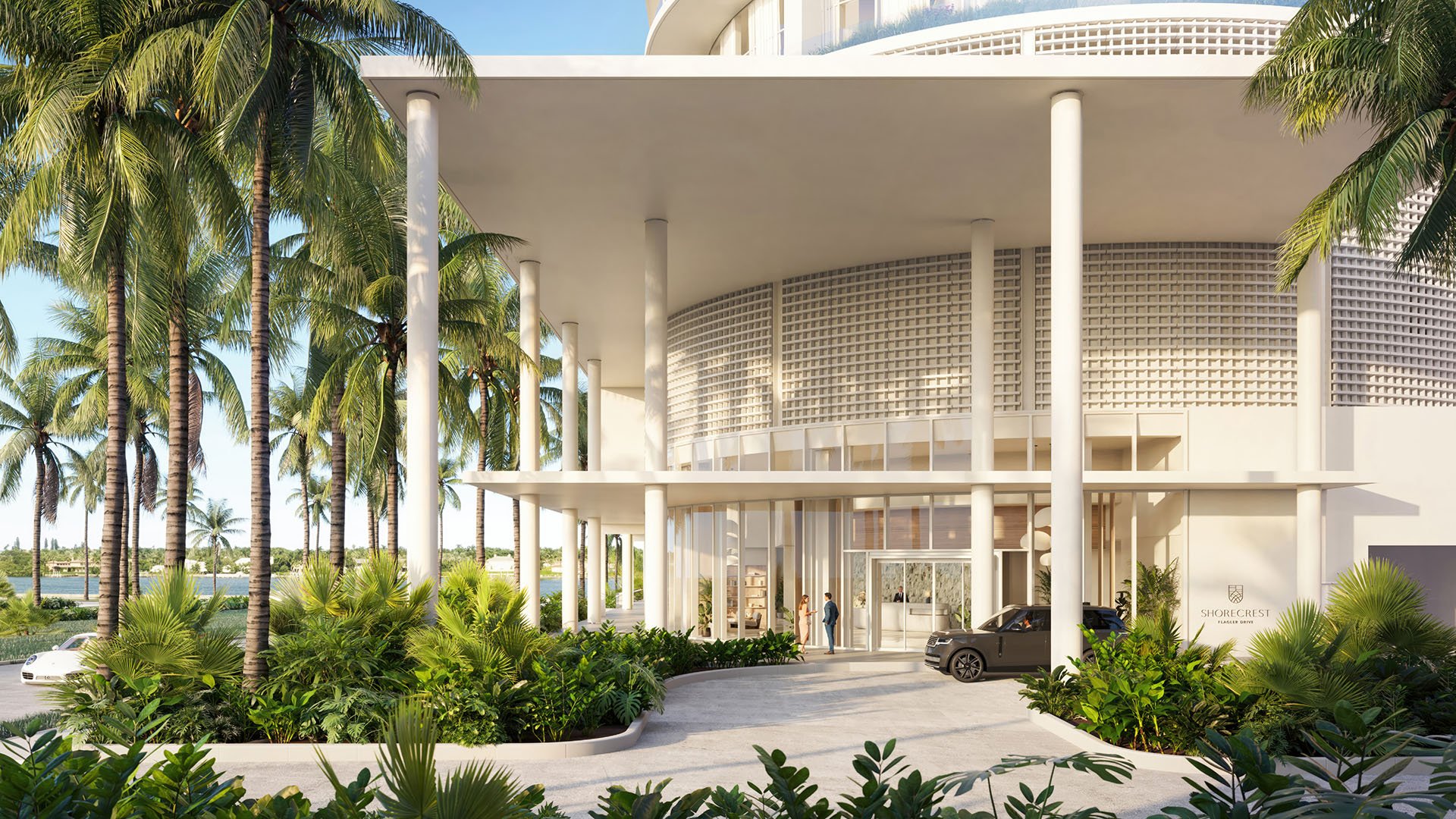
A South Florida seasonal pied-à-terre is often evaluated through the visible language of luxury: view, architecture, terrace depth, lobby discretion, beach proximity, marina access, and a neighborhood that suits a winter rhythm beautifully. Yet the cost of ownership is also shaped by something less photogenic and often more consequential: turnover.
Turnover is the choreography between absence and arrival. It is the difference between opening the door to a residence that feels composed, cool, secure, and stocked, and beginning a long weekend by calling vendors, checking linens, troubleshooting humidity, and wondering who last had access. For a buyer comparing Brickell, Miami Beach, West Palm Beach, Coconut Grove, or Sunny Isles Beach, the turnover procedure can alter the real carrying cost as meaningfully as the floor plan.
The premium buyer already understands purchase price. The more refined question is whether the home can function like a private suite without becoming a small operations business. That distinction is central to second-home ownership, lifestyle value, and investment discipline.
Turnover is not simply cleaning. For a seasonal residence, it can include pre-arrival climate checks, refrigerator stocking, linen rotation, terrace inspection, package retrieval, plant care, audiovisual testing, water and appliance checks, storm-readiness review, vehicle coordination, elevator scheduling, and departure documentation. It also includes the quieter work of privacy: confirming who entered, when they entered, what they did, and whether the residence was left exactly as intended.
In a high-service building, some of this may be supported by concierge teams, building policies, preferred vendor protocols, or valet and package procedures. In other cases, the owner must assemble the system privately through a house manager, cleaner, handyman, technology consultant, and personal assistant. Neither model is automatically superior. What matters is predictability.
A residence at 2200 Brickell, for example, will be considered by many buyers within the context of an urban schedule, airport convenience, restaurants, and daily services. The turnover question is not whether Brickell is practical. It is whether the individual building, unit, and owner team can make a short arrival feel effortless rather than compressed.
Turnover costs are often misunderstood because they rarely appear as one clean line item. A housekeeping invoice is easy to see. The more expensive frictions are subtler: a missed delivery, an improperly cooled unit, a vendor who cannot access the building, a terrace left unsecured before weather, a delayed elevator booking, or a family arriving late to find the residence technically clean but not truly ready.
For seasonal owners, time has its own price. If the first afternoon is lost to setup, the residence is less valuable. If each departure requires personal supervision, the ownership experience begins to feel less like leisure and more like administration. If a trusted manager prevents repetitive minor issues, the service fee may matter less than the preservation of calm.
The same logic applies to wear. Poor turnover can accelerate the aging of upholstery, linens, millwork, stone, appliances, outdoor furniture, and technology. A carefully written departure checklist can protect finishes by turning off what should be off, leaving on what should remain on, and documenting the condition of sensitive areas. Luxury is not only acquisition. It is maintenance without drama.
Two residences with similar monthly expenses can have very different turnover profiles. The difference may sit in building rules rather than within the residence itself. Vendor access windows, insurance requirements, move-in and delivery procedures, package handling, elevator reservations, pet rules, guest registration, and short-term occupancy restrictions all affect the cost and convenience of seasonal use.
In Miami Beach, where many buyers prize a lock-and-leave lifestyle close to the ocean, the turnover procedure should be tested before purchase. A residence such as The Perigon Miami Beach belongs in a conversation not only about design and setting, but about how a buyer intends to arrive, host, depart, and secure the home between visits.
The best buyer questions are practical. Can vendors enter when the owner is away? How are keys or digital credentials managed? Can groceries be delivered before arrival? Are there blackout dates for moves or deliveries? Is terrace furniture expected to be secured in certain conditions? Are guests registered in advance? These details do not diminish romance. They protect it.
A pied-à-terre used for occasional winter weekends has a different turnover requirement than one used for month-long stays, family holidays, or frequent entertaining. The more irregular the calendar, the more important the procedure. A home that sits quiet for weeks requires a different protocol than one visited every Friday.
Pre-arrival should be treated as a formal sequence. The residence is inspected, climate is adjusted, primary rooms are refreshed, linens are placed, essentials are stocked, lighting scenes are tested, terraces are reviewed, and technology is confirmed. Departure should be equally structured. Food is removed or preserved, laundry is handled, trash is cleared, water-sensitive areas are checked, doors and windows are secured, valuables are accounted for, and a condition report is created.
In West Palm Beach, the appeal of a seasonal residence may be tied to walkability, waterfront calm, cultural access, or a Palm Beach social calendar. For buyers considering Alba West Palm Beach, the operational lens is straightforward: how easily can the residence move from quiet to ready, then back to quiet again, without the owner personally managing every step?
The most elegant solution is often a hybrid. Building teams handle building-controlled functions, while a private manager handles the unit-level experience. The concierge may receive packages, confirm vendor requirements, or coordinate access. The private manager may supervise cleaning, inspect finishes, stock preferences, and maintain a photographic record.
This division matters because responsibility can otherwise become blurred. If no one owns the final condition of the residence, the owner does. A well-run turnover procedure names the responsible party for each task. It also states what constitutes completion. “Clean” is not enough. “Ready for arrival” is a higher standard.
Buyers drawn to wellness-oriented or boutique settings, including The Well Coconut Grove, often place a premium on ritual and ease. Turnover should extend that sensibility into operations: air, light, linens, scent, quiet, privacy, and continuity should be deliberate, not improvised.
The most prudent buyers evaluate turnover before closing. During diligence, ask for building rules, vendor access procedures, delivery policies, guest protocols, pet policies, and any limitations that affect seasonal use. Walk through a theoretical arrival and departure. If the residence is furnished, ask how inventory, art, outdoor pieces, and specialty finishes will be documented. If it is unfurnished, design the management plan before the first installation.
This is where investment discipline becomes personal. A less expensive residence can become costly if it requires constant intervention. A more expensive residence can feel efficient if the building and private support structure reduce friction. The true comparison is not only price per square foot or monthly carrying cost. It is the total cost of readiness.
For South Florida buyers, the best pied-à-terre is not merely beautiful when occupied. It is intelligently cared for when empty.
What is a turnover procedure for a seasonal pied-à-terre? It is the routine that prepares the residence before arrival and secures it after departure. It can include cleaning, stocking, inspections, access control, and condition documentation.
Why does turnover affect the real cost of ownership? Poor turnover can create wasted time, repeated service calls, avoidable wear, and owner frustration. Good turnover turns a second home into a predictable experience.
Should I rely only on the building concierge? Not necessarily. Many owners use the building team for access and logistics, then add a private manager for unit-specific care.
What should I ask before buying? Ask about vendor access, delivery rules, guest registration, elevator reservations, key control, package handling, and limits on work hours.
Is turnover more important for oceanfront homes? It can be especially important where terraces, exposure, humidity, and outdoor furnishings require regular attention. The same principle applies across inland and urban residences.
How often should an empty residence be checked? The right cadence depends on the home, building, season, and owner usage pattern. The key is having a written schedule rather than reacting after each visit.
Can turnover procedures protect resale value? They can help preserve finishes, systems, furnishings, and presentation. A well-maintained residence generally shows better when it returns to market.
Do furnished residences require more oversight? Usually, yes. Linens, accessories, art, technology, outdoor pieces, and inventory all benefit from documented care.
Is this only relevant for luxury condos? No. Single-family homes, townhouses, and condos all need a plan if they are used seasonally or left empty for extended periods.
When should I design the turnover plan? Ideally before closing or before the first seasonal stay. It is easier to build the system calmly than to repair it after a difficult arrival.
If you'd like a private walkthrough and a curated shortlist, connect with MILLION.
If branded residences are on your mind — as a home or as an allocation — we would be glad to share what we are seeing, privately.
Begin a quiet conversation