A buyer-oriented look at how Armani Casa Residences Pompano Beach and Four Seasons Residences Coconut Grove express two distinct models for full-time luxury living in South Florida.
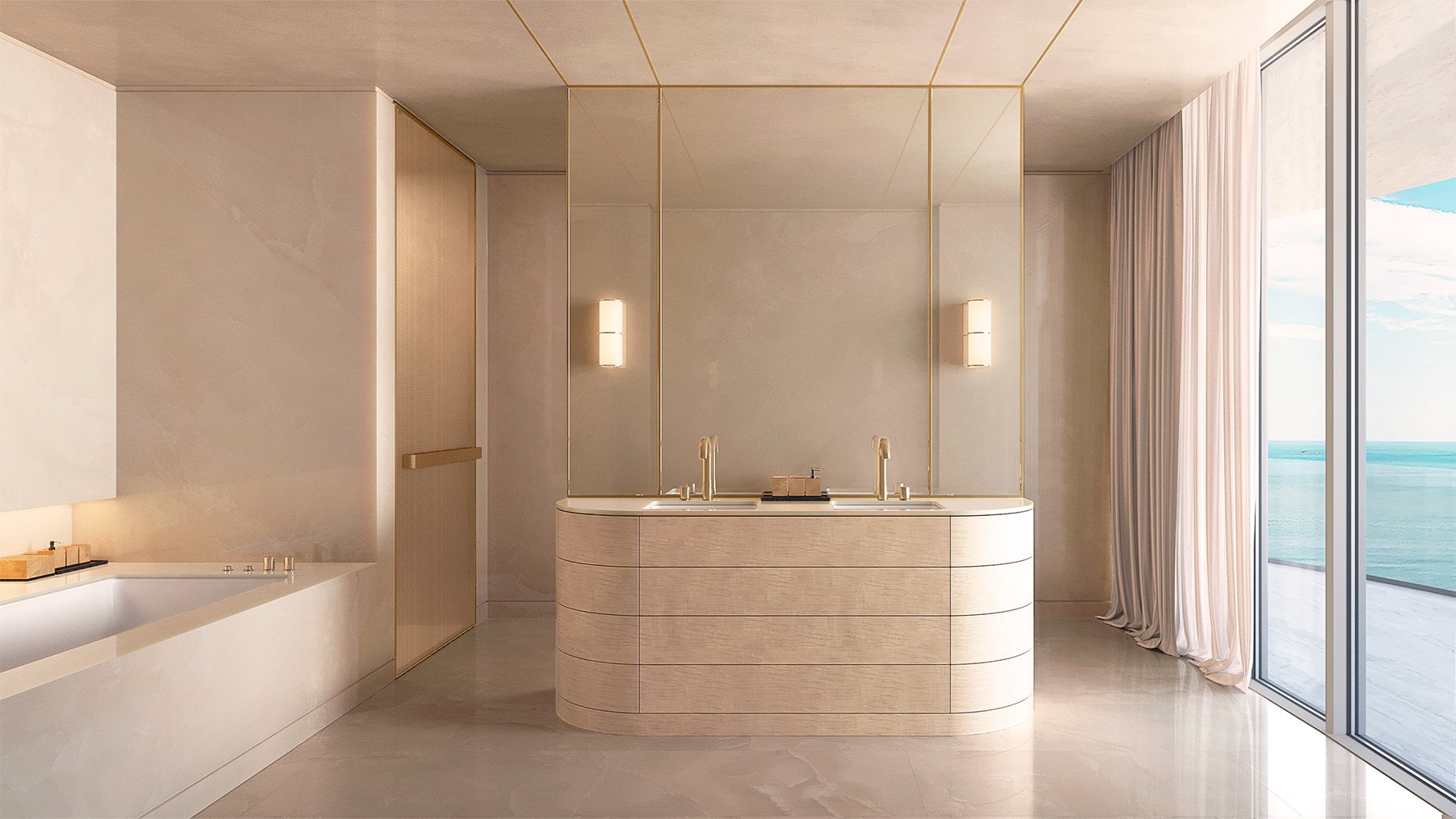
South Florida luxury was once understood through a seasonal lens: a winter address, a beach retreat, a pied-a-terre with an ocean view. That language has not disappeared, but it no longer defines the top of the market. Today’s buyer is increasingly asking whether a residence can support daily life with the same elegance once reserved for vacation.
That is why Armani Casa Residences Pompano Beach and Four Seasons Residences Coconut Grove feel especially relevant. They are not interchangeable projects. One expresses an oceanfront version of permanence in Pompano Beach, where branded design and waterfront appeal are being translated into year-round residential use. The other places hospitality-style service within Coconut Grove, an urban, historic, bayfront neighborhood shaped by established residential life.
Together, they illustrate a more mature South Florida proposition. Luxury is no longer only about escape. Increasingly, it is about staying.
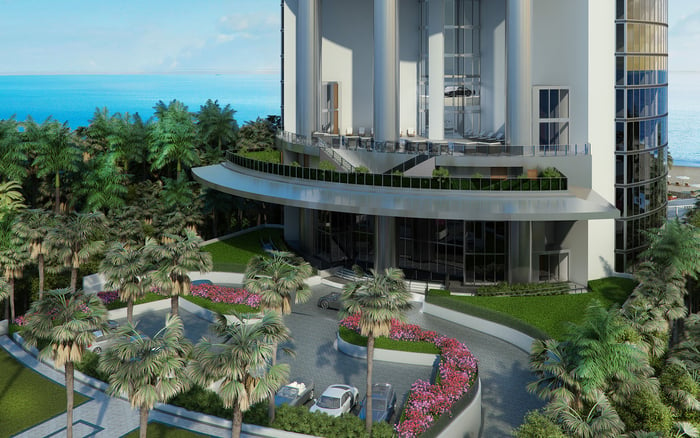
Armani Casa Residences Pompano Beach is positioned as a branded oceanfront luxury residence in Pompano Beach, using the Armani/Casa identity to place the city within South Florida’s broader global-luxury residential conversation. That distinction matters because Pompano Beach has historically carried a different profile from Miami Beach, Bal Harbour, or Sunny Isles Beach. A project of this kind helps recast the location through design, brand confidence, and everyday livability.
The more compelling point is not simply that the residence is on the water. It is that its oceanfront setting is framed for owners who may want the beach as part of a normal week, not only as a seasonal ritual. The project reflects a shift from the traditional beach-condo idea toward homes intended for regular routines, professional schedules, and long-term occupancy.
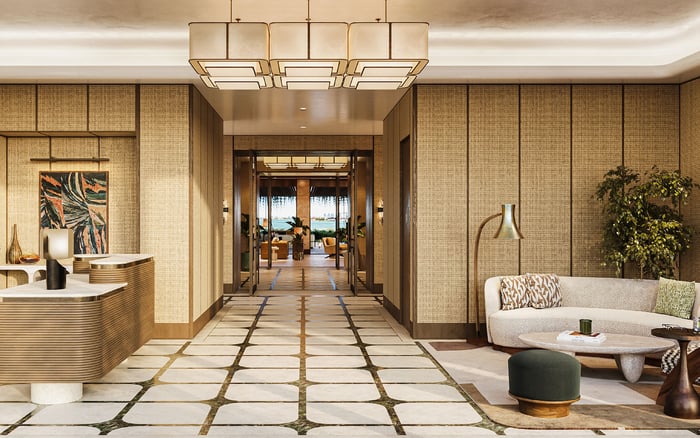
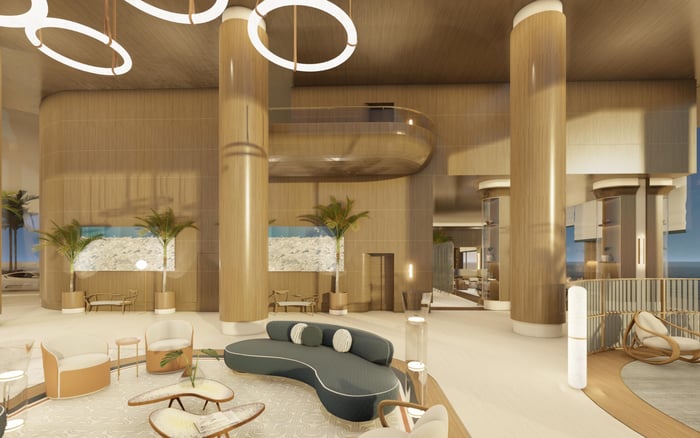
That distinction is increasingly important for buyers. A full-time oceanfront residence must feel serene without feeling detached from real life. It must offer the emotional reward of resort-style living while still supporting privacy, work, guests, wellness, and daily rhythm. Armani Casa Residences Pompano Beach speaks to that middle ground: a branded design statement with waterfront appeal, grounded in the premise that the home is meant to be lived in continuously.
Four Seasons Residences Coconut Grove represents a different expression of the same full-time impulse. Rather than beginning with the beach, it begins with service and neighborhood integration. The project applies the Four Seasons service model to private residential living in Coconut Grove, pairing hospitality-style expectations with the texture of a longstanding Miami neighborhood.
Coconut Grove’s setting is central to the story. It is urban, historic, and bayfront, giving it a different rhythm from a purely beachfront resort tower. Buyers considering Four Seasons Residences Coconut Grove are not only buying into brand standards. They are also buying into a neighborhood-based residential life, where permanence feels natural rather than performative.
That makes the project especially aligned with a cosmopolitan year-round lifestyle. It offers a model for buyers who want services, discretion, and residential ease without retreating from the city. The appeal is not based solely on a view or a seasonal calendar. It rests on the idea that a high-service home can sit within a familiar daily environment, close to the social and cultural patterns that make Miami livable beyond peak season.
The phrase branded residences can sometimes be misunderstood as shorthand for amenity density or hotel adjacency. In South Florida’s evolving luxury market, the more precise reading is trust. A global brand gives buyers a framework for expectations: design discipline, service culture, and a recognizable point of view. But the newest demand is not merely for brand association. It is for brand association that supports permanence.
That is where these two projects become useful case studies. Armani Casa Residences Pompano Beach shows how a brand can elevate an oceanfront setting into a daily residential proposition. Four Seasons Residences Coconut Grove shows how a brand can organize service and lifestyle within a neighborhood fabric. In both cases, the brand is not an accessory. It is part of how the residence answers a practical question: could this be the main home?
The same buyer may also compare nearby or thematically related addresses while refining that answer. In Pompano Beach, the conversation can extend to The Ritz-Carlton Residences® Pompano Beach as another example of how branded residential expectations have moved north along the coast. In Coconut Grove, projects such as Mr. C Tigertail Coconut Grove and The Well Coconut Grove underscore how the neighborhood has become a focal point for buyers seeking a more rooted Miami lifestyle.
The choice between Armani Casa Residences Pompano Beach and Four Seasons Residences Coconut Grove is not merely a choice between Broward and Miami, or sand and bay. It is a choice between two versions of how luxury life should function.
The Pompano Beach model emphasizes oceanfront privacy, design identity, and the ability to live at the water’s edge without treating the residence as a vacation-only asset. It speaks to buyers who want the beach embedded into daily life, but who still require the structure of a serious home.
The Coconut Grove model emphasizes service, connectivity, and community context. It speaks to buyers who want the refinement of hospitality within a neighborhood that already feels residential. For them, the daily walk, the familiar local rhythm, and the bayfront identity may matter as much as the branded name on the building.
Neither model is superior in the abstract. The stronger fit depends on how an owner expects to live from Monday through Sunday, not just during holidays.
The rise of full-time living has made South Florida luxury more demanding. Buyers still want beauty, water, privacy, and service. But they also want continuity. They want residences that can host a family routine, absorb a professional schedule, and remain compelling when the calendar is ordinary.
Armani Casa Residences Pompano Beach and Four Seasons Residences Coconut Grove make that transition visible. One translates the resort sensibility of the oceanfront into a more permanent residential language. The other brings service-rich living into an established urban neighborhood. Both point to a market where the question is no longer simply, “Where do we spend the season?” It is, “Where do we actually live well?”
What is Armani Casa Residences Pompano Beach? It is positioned as a branded oceanfront luxury residence in Pompano Beach with an emphasis on design, waterfront appeal, and residential practicality.
What is Four Seasons Residences Coconut Grove? It is positioned as a branded luxury residential address in Coconut Grove that applies the Four Seasons service model to private living.
How do the two projects reflect full-time South Florida living? Both move beyond the seasonal-condo idea by presenting residences compatible with daily routines, services, and long-term occupancy.
Why is Pompano Beach important in this shift? Pompano Beach represents the oceanfront version of the trend, where beach living is being framed with greater residential permanence.
Why is Coconut Grove important in this shift? Coconut Grove offers an urban, historic, bayfront setting where service-rich branded living can integrate with neighborhood life.
Are these projects the same type of luxury residence? No. Armani Casa emphasizes oceanfront branded living, while Four Seasons Coconut Grove emphasizes hospitality-style service within a neighborhood context.
What does branded residence mean for full-time buyers? It can signal clearer expectations for design, service, and lifestyle, but the strongest projects also support practical daily living.
Is oceanfront living still mainly seasonal? Not necessarily. Armani Casa Residences Pompano Beach reflects buyers who want oceanfront lifestyle without treating the home only as a vacation property.
Who might prefer Four Seasons Residences Coconut Grove? Buyers who value service, neighborhood integration, and a cosmopolitan year-round Miami lifestyle may find its model especially compelling.
What is the main takeaway for luxury buyers? The best fit depends on whether daily life is better served by oceanfront calm, neighborhood connection, hospitality-style service, or some combination of all three.
When you're ready to tour or underwrite the options, connect with MILLION.
If branded residences are on your mind — as a home or as an allocation — we would be glad to share what we are seeing, privately.
Begin a quiet conversation