A discreet buyer’s guide to why turnover procedures matter in South Florida boutique residences, where documentation, staffing, warranties, reserves, and post-closing discipline can shape the true cost of ownership.

In South Florida luxury real estate, buyers often scrutinize views, ceiling heights, private elevator entries, marina access, finish packages, and the rhythm of a neighborhood. Yet one of the most consequential cost variables is less visible: turnover. For a boutique residence, turnover is not merely an administrative handoff. It is the point at which documents, building systems, budgets, warranties, service routines, and owner expectations begin functioning as a lived residential environment.
The purchase price captures the home. Turnover helps determine the cost of owning it well. A polished process can clarify what is complete, what remains pending, what is under warranty, who is responsible, and how issues are escalated. A vague process can leave owners paying for confusion through special assessments, delayed repairs, staff turnover, duplicated consultant work, or diminished resale confidence.
This is especially important in intimate South Florida buildings, where fewer residences share the cost of every decision. In a large tower, an unexpected operational expense may be distributed broadly. In a boutique building, the same issue can feel more immediate. The financial difference may not appear in the brochure, but it can surface in the first years of ownership.
Turnover procedures influence cost through several layers. The first is documentation. Owners and association leadership need organized records for construction, equipment, warranties, service contracts, insurance, permits, building manuals, budgets, and vendor relationships. When those files are incomplete or difficult to use, the building may spend more on outside experts simply to reconstruct what should have been transferred clearly.
The second layer is systems readiness. Luxury residences rely on elevators, life-safety systems, access control, pools, fitness areas, spas, garages, landscaping, package rooms, and often complex mechanical equipment. A strong turnover process identifies what has been commissioned, what requires seasonal maintenance, what remains on a punch list, and which vendors remain accountable.
The third layer is service culture. In South Florida, a waterfront or urban luxury building is judged not only by architecture, but by the grace of arrival, valet cadence, front desk professionalism, move-in coordination, contractor rules, pet protocols, and guest access. Turnover is where these standards move from sales promise to daily practice.
New-construction buyers often focus on the glamour of first ownership. The more practical question is how that first chapter will be managed. A residence may be physically complete while still depending on a maturing operating budget, developing staff routines, and the resolution of early punch-list items. The buyer who understands this distinction can negotiate, plan, and reserve more intelligently.
Resale buyers face a different but related question: what did turnover leave behind? If the original handoff was disciplined, the building may have cleaner records, more predictable maintenance, and a stronger culture of governance. If not, the current owner may be selling into a building still absorbing early operational lessons.
This is why the conversation should move beyond monthly dues alone. A low initial budget may look attractive, but it is not always the lowest-cost scenario if it omits realistic staffing, reserves, preventive maintenance, or insurance assumptions. Conversely, a more substantial budget may support better asset protection when it is transparent and competently managed.
In a boutique condominium, every owner is closer to the financial engine of the property. A roof repair, elevator modernization, lobby refresh, seawall concern, or staffing adjustment can have a more concentrated effect. That does not make boutique ownership less desirable. It simply means precision matters.
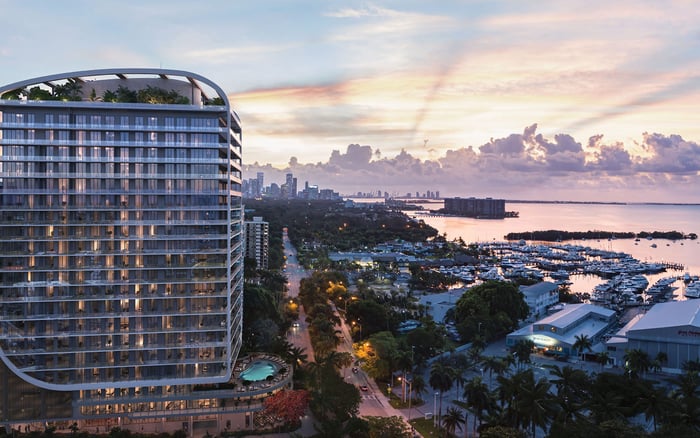
For buyers comparing Bay Harbor Islands options, The Well Bay Harbor Islands can sit within a broader due-diligence conversation about how shared amenities, resident privacy, arrival routines, and post-closing communication are handled. The building name may draw attention, but the ownership experience depends on the procedures behind the promise.
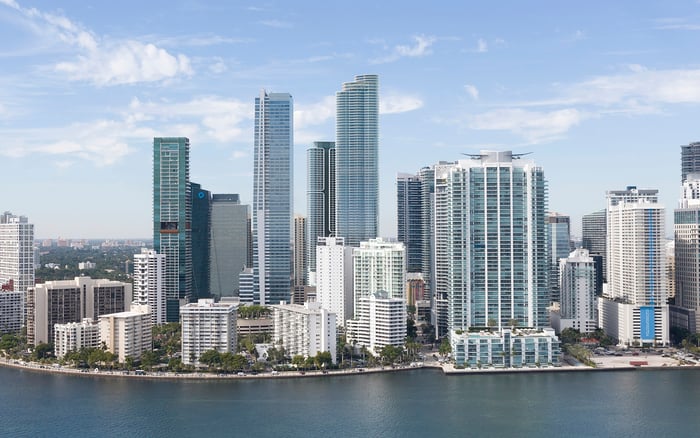
In Brickell, the scale and pace of urban living create a different pressure. Buyers evaluating 2200 Brickell should still ask how move-ins, contractor access, staffing, deliveries, and amenity use are structured during early occupancy. In dense neighborhoods, coordination is not a minor convenience. It can shape quality of life.
The most discerning buyers are often the most procedural. Before closing, they ask for the documents that define responsibility. What warranties apply to private residences, common areas, and building systems? How are defects reported? Who tracks the punch list? How are unresolved items communicated to owners? What service contracts are in place, and when do they renew?
Budgets deserve equal attention. A buyer should understand whether the operating plan reflects a fully staffed luxury building or a temporary start-up posture. It is also important to examine reserve philosophy, insurance assumptions, maintenance schedules, and the treatment of amenities that may have higher upkeep requirements.
Governance is another cost center. A well-organized board transition can preserve time, reduce friction, and support consistent decision-making. A disorganized transition can create uncertainty around authority, vendor selection, communications, and priorities. In a high-value building, uncertainty is rarely inexpensive.
Turnover does not look identical across South Florida. Miami Beach buyers may care deeply about coastal exposure, amenity programming, privacy, valet flow, and the treatment of common-area finishes in salt-air environments. Buyers reviewing The Perigon Miami Beach can pair the lifestyle conversation with a review of how post-closing procedures support a polished residential experience.
West Palm Beach presents another lens, especially for buyers drawn to quieter luxury, cultural access, and a more residential cadence along the Intracoastal. At Alba West Palm Beach, the value discussion can extend to how early operations, waterfront maintenance, and resident services are organized once ownership moves from promise to practice.
The same thought process applies in Fort Lauderdale, Boca Raton, Surfside, Bal Harbour, Coconut Grove, and Sunny Isles Beach. The building may differ in mood, but the fundamentals remain constant: records, systems, staffing, reserves, communication, and accountability.
The real cost of turnover is not limited to the first owner. Future buyers read the building’s history through financial statements, meeting minutes, maintenance patterns, insurance posture, and the visible condition of shared spaces. If early procedures were handled well, the building can feel orderly, credible, and easier to underwrite emotionally. If the transition was messy, the market may discount that uncertainty.
For sellers, this matters. A pristine residence inside a poorly organized building can face questions. A carefully maintained building with transparent procedures can support confidence even when competing inventory offers similar views or finishes. In the ultra-premium market, trust is part of pricing.
A South Florida boutique residence should feel effortless, but effortless ownership is usually engineered. Turnover procedures are where that engineering becomes visible. They determine how a building learns itself, how owners receive information, how staff perform, how vendors respond, and how financial obligations are shared.
The most refined buyers do not treat turnover as legal fine print. They treat it as a preview of ownership discipline. In a market where lifestyle is inseparable from asset quality, the quiet mechanics of transition can be as meaningful as the view from the terrace.
What is turnover in a boutique residence? It is the transition of documents, systems, responsibilities, and operating control into the ownership structure that will manage the building day to day.
Why does turnover affect the real cost of ownership? It can determine whether expenses are anticipated, documented, and assigned clearly, or whether owners later pay to resolve ambiguity.
Is a low monthly maintenance fee always better? Not necessarily. A low fee may be appealing, but buyers should understand whether it realistically supports staffing, maintenance, reserves, and insurance.
What documents should a buyer review? Buyers should review budgets, rules, warranties, service contracts, meeting materials, reserve information, and procedures for reporting building issues.
Does turnover matter more in smaller buildings? Often, yes. In a smaller building, unexpected costs are shared among fewer owners, so documentation and planning can carry greater financial weight.
How can turnover affect resale value? A clean transition can support buyer confidence, while unresolved issues or unclear records may create hesitation during resale due diligence.
Should buyers ask about punch-list items? Yes. Buyers should understand what remains unfinished, who is responsible, and how completion is tracked and communicated.
Do service standards begin at turnover? Turnover is a key moment when staffing, access rules, amenity protocols, and communication habits begin to define daily residential life.
Can a beautiful building still have costly turnover issues? Yes. Design quality and operational readiness are related, but they are not the same thing.
What is the best way to shortlist comparable options for touring? Start with location fit, delivery status, and daily lifestyle priorities, then compare stacks and elevations to validate views and privacy.
When you're ready to tour or underwrite the options, connect with MILLION.
If branded residences are on your mind — as a home or as an allocation — we would be glad to share what we are seeing, privately.
Begin a quiet conversation