A practical editorial framework for underwriting storm-day staffing in a South Florida residence, with emphasis on role clarity, shift design, vendor readiness, access control and owner-level budgeting.

In a South Florida residence, storm-day staffing should not be treated as an improvised favor from the household team. It is an ownership decision, a budget line and a governance issue. The question is not simply who can come in during severe weather. The sharper question is what level of human coverage the property requires to protect people, systems, collections, pets, vehicles, vessels, guest spaces and the owner’s privacy when normal operating rhythms are interrupted.
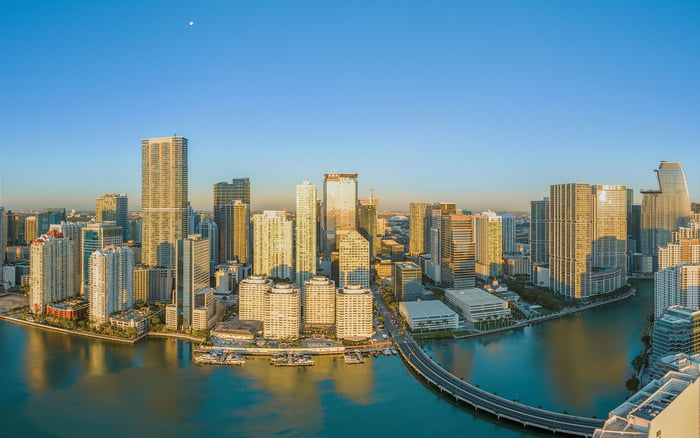
For 2026 planning, the most sophisticated households are moving away from informal call trees and toward written staffing assumptions. That does not mean turning a private home into a commercial command center. It means defining expectations before pressure arrives. A residence in Brickell with vertical access controls, a waterfront estate in Aventura, a Broward compound with multiple service vendors and a Downtown Miami pied-à-terre may each require a different staffing model, but all benefit from the same underwriting discipline.
A useful storm-day budget begins with the asset itself. The staffing plan for a lock-and-leave condominium is different from the plan for single-family homes with grounds, generators, garages, elevators, docks, art storage, pool equipment and layered security. The larger and more customized the residence, the more the owner should assume that storm coverage includes both physical labor and decision-making authority.
Begin by mapping the property’s operational dependencies. Who understands the mechanical systems? Who has vendor contacts? Who can make decisions if the principal is traveling? Who knows which rooms, terraces, gates, shutters, drains, safes, refrigerators and exterior furnishings are priority items? If the answer is scattered among several people, the staffing underwrite should account for overlap, handoff time and a senior household manager or estate manager who can coordinate the plan.
This is especially important for a second home held as an investment, where the owner may be absent and the residence may still carry high-value finishes, contents and reputational expectations. In that context, staffing is part of asset preservation rather than convenience.
The cleanest underwriting model divides staffing into three groups: essential on-site staff, on-call staff and post-storm recovery staff. Essential on-site staff may include the person responsible for property systems, security protocol, household coordination, pets or resident care. On-call staff may include drivers, housekeepers, landscape teams, pool vendors, marine vendors and maintenance specialists who should not necessarily remain on site but must be reachable under pre-agreed terms. Post-storm recovery staff handle inspections, cleanup, vendor access, deliveries and reopening the residence for normal use.
Owners should resist the temptation to designate everyone as essential. Overstaffing creates logistical, safety and liability complications. Understaffing leaves the residence exposed at the moment when ordinary access, communication and vendor timing may be less predictable. The goal is a right-sized roster with a clear purpose for every person named.
A storm-day staffing schedule should also specify who has permission to sleep on site, who may bring personal essentials, where staff can rest, how meals are handled and what happens if conditions prevent a safe departure. These details may feel mundane during calm weather, but they become central to morale and performance during an extended event.
The visible cost of storm-day staffing is compensation. The hidden cost is everything required to make that staffing effective. A serious underwrite includes meals, parking, secure transport, overnight accommodations where appropriate, backup communications, protective supplies, pet provisions, fuel coordination, vendor retainer expectations and recovery-day coverage. If a staff member is expected to remain beyond a normal shift, the residence should budget for that reality in advance.
The owner should also decide whether storm-day work is covered by existing compensation arrangements or by a separate event-rate structure. Ambiguity is expensive. It can cause resentment, confusion and inconsistent attendance. A written plan, reviewed before the season of heightened weather concern, lets staff understand expectations and lets ownership understand the real cost of readiness.
For ultra-premium households, the financial question is rarely whether the line item is affordable. It is whether the expenditure has been framed correctly. A discreet, reliable staffing plan can protect finishes, reduce panic decisions, support insurance documentation, preserve vendor relationships and keep the household’s private life private.
Storm-day staffing fails when too many people have partial authority and no one has final authority. The plan should name a decision-maker for the residence and a backup. That person should know when to secure exterior areas, release staff, deny access, call vendors, document conditions and escalate to the principal or family office.
In condominiums, the residence-level plan must align with building rules and access procedures. In estates, the plan must align with gate protocols, security staffing and exterior service teams. In either case, the household should avoid relying on assumptions. A house manager who cannot authorize a vendor, a security officer who lacks the right contact number or a housekeeper unsure whether to stay or leave can create preventable friction.
Owners should also decide in advance what matters most. Is the first priority resident safety, art protection, water-intrusion checks, generator monitoring, pet care, vehicle relocation or rapid post-storm reopening? The answer will shape the staffing roster and the budget.
The most elegant approach is a three-phase budget: preparation, event coverage and recovery. Preparation includes property checks, terrace clearing, supply staging, vendor confirmation and staff briefing. Event coverage includes the on-site or on-call period when movement may be limited and decisions must be centralized. Recovery includes inspection, documentation, cleanup, vendor access, laundry, restocking, system resets and readiness for the owner’s return.
Each phase should have an assumed staffing level and a spending ceiling. The ceiling does not need to be theatrical. It simply needs to be realistic. A residence that expects white-glove continuity should not fund storm operations as if they were occasional errands.
For owners with multiple South Florida properties, this framework can be standardized while still respecting local differences. The Brickell apartment may emphasize building coordination and elevator access. The Aventura residence may require more vendor sequencing. The Broward waterfront home may need marine-adjacent planning. A Downtown Miami residence may depend heavily on building management protocols. The underwriting principle is the same: define the residence’s operating risks, then fund the people needed to manage them.
The best storm-day staffing plans are calm, written and rarely visible. They do not dramatize weather. They give the household a quiet operating structure when conditions are uncertain. For principals, that structure is a form of privacy. It reduces last-minute calls, emotional decisions and unnecessary exposure of household routines.
In 2026, the more refined standard is not simply having staff who are loyal enough to help. It is having an owner disciplined enough to underwrite help properly. That means fair terms, clear authority, practical logistics and a roster that reflects the true complexity of the residence.
A luxury home is not only architecture and design. It is an operating environment. Storm-day staffing is one of the moments when that operating environment reveals whether it has been merely maintained or truly managed.
What is storm-day staffing in a private residence? It is the planned use of household staff and approved vendors before, during and after severe weather to protect the residence and support continuity.
Should every staff member be expected to work on a storm day? No. The stronger approach is to identify essential on-site roles, on-call roles and recovery roles so each person has a defined purpose.
What should owners budget beyond staff compensation? Meals, transport, parking, rest periods, overnight logistics, communications, supplies and post-storm recovery time should be considered.
Who should have authority during a storm event? A designated household manager, estate manager or trusted decision-maker should have clear authority, with a backup named in advance.
How does this differ for a condominium residence? Condominium plans must account for building access, elevator procedures, management coordination and residence-specific priorities.
How does this differ for single-family homes? Detached residences may require more attention to exterior areas, mechanical systems, grounds, gates, garages and vendor access.
Should storm-day staffing be written into household policy? Yes. Written expectations reduce ambiguity around attendance, compensation, safety, decision rights and recovery responsibilities.
How often should the plan be reviewed? It should be reviewed before each period of heightened storm concern and whenever staff, vendors or property systems change.
Is storm-day staffing only for primary homes? No. A second home or investment residence can require equal or greater planning because ownership may be away when decisions are needed.
What is the most common underwriting mistake? The mistake is budgeting for labor only, while ignoring logistics, authority, recovery time and the emotional load placed on staff.
For a tailored shortlist and next-step guidance, connect with MILLION.
If branded residences are on your mind — as a home or as an allocation — we would be glad to share what we are seeing, privately.
Begin a quiet conversation