A private showing should test more than finishes. For staffed households, parking is part of the home’s daily operating system, shaping privacy, timing, service flow, and arrival discipline.
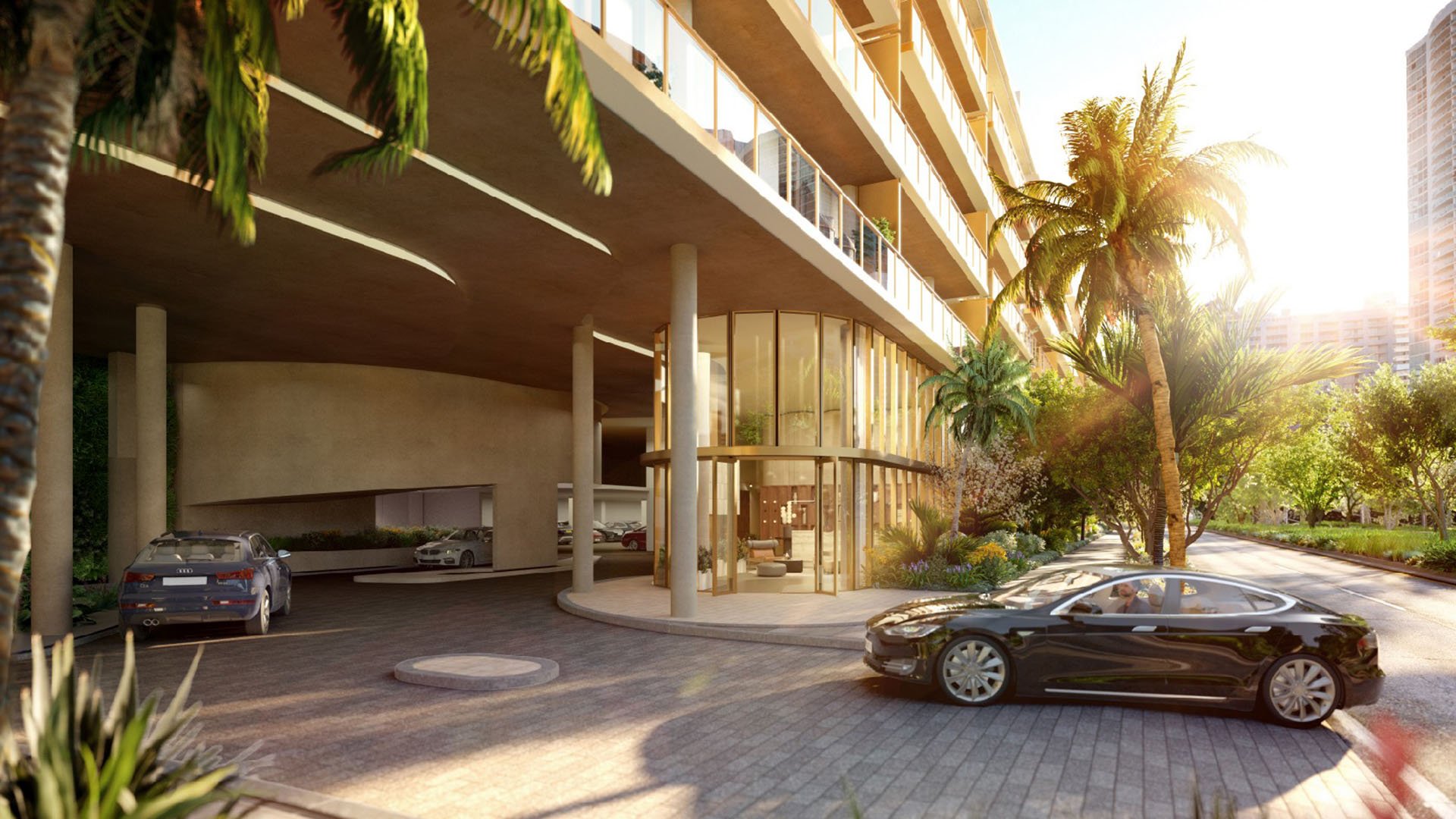
In South Florida’s upper tier, a private showing is often shaped around light, views, finishes, and the emotional ease of arrival. Yet for a staffed household, one of the most revealing questions is not in the living room. It is in the garage, at the porte cochère, beside the service entrance, and anywhere a driver, security professional, nanny, chef, house manager, personal assistant, or visiting specialist may need to pause without interrupting the residence.
Staff parking is not a small convenience. It is part of the property’s operating system. When it fails, daily life becomes visible in the wrong ways: vehicles waiting in exposed places, vendors crossing resident paths, family members delayed at the entrance, or a security detail improvising under pressure. A private showing gives a buyer a rare opportunity to test that system before it becomes a daily irritation.
The best approach is calm and methodical. Do not simply ask whether staff parking is “available.” Instead, simulate how the home will actually be used. The objective is to understand choreography: who arrives, where they stop, how they enter, where they wait, how long they can remain, and what happens when several needs overlap.
Before the showing, outline the household’s typical service pattern. A buyer with one occasional housekeeper has a very different requirement from a household that relies on a driver, private security, tutors, wellness providers, family office staff, and visiting chefs. The more precise the scenario, the more useful the showing becomes.
Share a simple arrival script with your advisor in advance. For example: one resident vehicle arrives first, a driver follows, a house manager arrives separately, and a vendor needs temporary access. The point is not to create theater. It is to reveal whether the building, estate, or gated setting supports a realistic day.
In dense markets, the answer may depend on rules, staffing culture, driveway width, garage protocol, and the discretion of onsite personnel. In estate settings, it may depend on gate sequencing, turnaround room, guest bays, and how far staff must walk to reach a service entry. Either way, the showing should move beyond the brochure version of access.
A buyer might label scenarios by market, such as Brickell, Miami Beach, Sunny Isles, Fisher Island, Fort Lauderdale, and Palm Beach, not because every property in those areas operates alike, but because each context can create different expectations for privacy, circulation, and waiting time.
Begin outside the property. Watch how the first vehicle is received. Is the arrival point intuitive, or does the driver need instructions? Is there a protected place to pause without blocking another resident, a valet lane, a garage ramp, or an entry court? Does the arrival feel discreet, or does it require a visible conversation?
Then add the second movement. Have another vehicle follow within a short interval if the showing permits it. A single car often makes access look effortless. Two or three vehicles reveal whether the property can absorb real household rhythm. Observe whether staff are guided naturally to an appropriate place or left to negotiate with attendants, guards, or residents.
The most important detail is not always the number of parking spaces. It is whether the sequence preserves dignity and privacy. A driver should not have to idle in a conspicuous position. A house manager should not have to cross a formal lobby with supplies. A personal security professional should be able to remain useful without appearing intrusive.
If valet is part of the property’s routine, ask how staff vehicles are treated compared with resident and guest vehicles. A valet solution can be elegant, but only if it is consistent, discreet, and understood by the personnel who manage the entrance. Listen for clear answers rather than improvisation.
In a garage, study the circulation. Is there a practical place for a brief stop? Are pedestrian paths clear? Can a staff member move from parking to the service elevator, back-of-house corridor, or secondary entrance without crossing the home’s most public threshold? If the property is a single-family residence, ask the same question in estate terms: where does a nonresident vehicle enter, turn, wait, unload, and exit?
Do not overlook vertical movement. In many luxury residences, parking is only the first step. A staff member may need to reach the unit, service area, pool deck, storage room, or delivery point. If every movement requires a resident to intervene, the system may be too dependent on the owner’s presence. A strong property allows everyday service to occur with proper authorization, minimal friction, and appropriate boundaries.
Staff parking is closely tied to privacy. During the showing, stand where a vehicle might wait and look around. Who can see the occupants? Is the location exposed to the street, neighboring buildings, lobby traffic, or other residents? Does waiting there announce the household’s movements?
For families with security needs, visibility and positioning matter. A security vehicle placed too far away may be ineffective. One placed too prominently may compromise discretion. The ideal solution depends on the household’s risk profile, but the showing should reveal whether the property offers options rather than a single awkward answer.
Ask how the property handles simultaneous demands: a resident arrival, a delivery, a guest, and a staff vehicle at the same time. Luxury operations are rarely tested in quiet moments. They are tested when timing collapses. A residence that remains composed during overlap will usually live better over time.
Ask direct, practical questions while standing in the relevant locations. Where may staff park for short visits? Where may they wait for longer periods? Are there distinctions between employees, vendors, drivers, aides, and guests? Are any spaces assigned, shared, time limited, or subject to advance approval? How are after-hours arrivals handled? What happens during holidays, private dinners, storms, school runs, or household travel days?
Request that any important assumptions be confirmed in the appropriate documents before an offer relies on them. Verbal comfort is useful during a showing, but daily living depends on rules, permissions, management practices, and physical design. If the property works only because one person says it can be handled, clarify what happens when that person is absent.
The final measure is simple: after the test, could your household operate quietly for a week without repeated calls, explanations, or favors? If the answer is yes, staff parking is not merely adequate. It is aligned with the discretion luxury buyers are actually purchasing.
Why should staff parking be tested during a private showing? Because it reveals how the property functions when real household operations begin, not just how it presents when staged.
Who counts as staff for parking purposes? Drivers, security personnel, nannies, house managers, chefs, assistants, tutors, wellness providers, and recurring vendors may all need access planning.
Is valet always a sufficient solution? Not always. Valet can be excellent, but only if the rules, timing, privacy, and treatment of staff vehicles match the household’s needs.
What is the first thing to observe on arrival? Watch whether a vehicle can pause naturally and discreetly without blocking circulation or creating a visible negotiation.
Should buyers bring multiple vehicles to a showing? When appropriate, yes. More than one vehicle can reveal congestion, waiting limitations, and the true ease of the arrival sequence.
What documents should be reviewed after the showing? Review the governing parking rules, access policies, staff protocols, and any materials that control use of guest, valet, or service areas.
How does staff parking affect privacy? Poorly placed waiting areas can expose household patterns, visitors, and schedules to residents, neighbors, or the street.
What matters most for a driver? A driver needs a clear arrival protocol, a discreet waiting option, and the ability to reposition quickly when the resident is ready.
What matters most for household staff? They need practical parking or drop-off access connected to the correct entrance, elevator, service route, or work area.
When should parking concerns affect an offer? If the daily routine requires exceptions, favors, or uncertain permissions, the issue should be resolved before the offer becomes binding.
To compare the best-fit options with clarity, connect with MILLION.
If branded residences are on your mind — as a home or as an allocation — we would be glad to share what we are seeing, privately.
Begin a quiet conversation