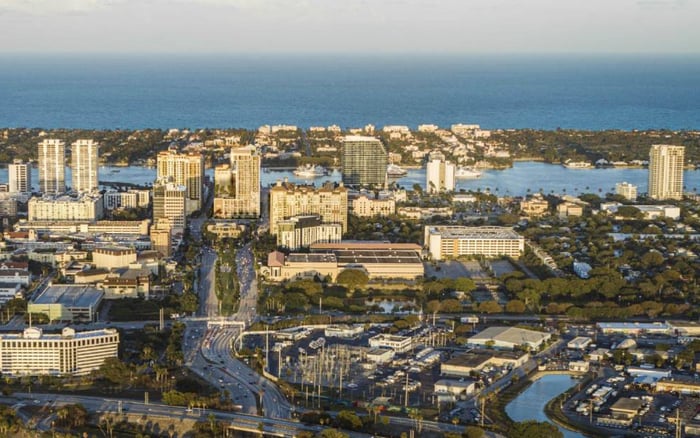
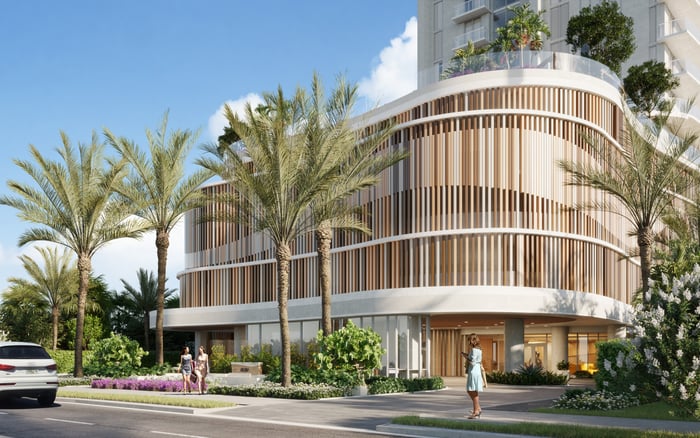
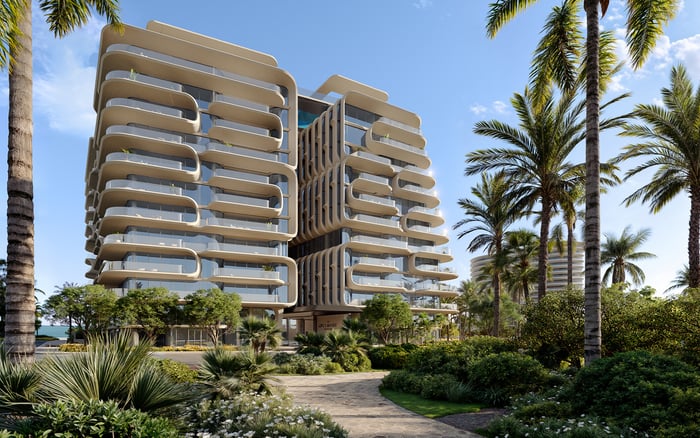
A discreet buyer’s framework for comparing Forté on Flagler in West Palm Beach with Ocean House in Surfside through governance, prestige, and resale discipline.
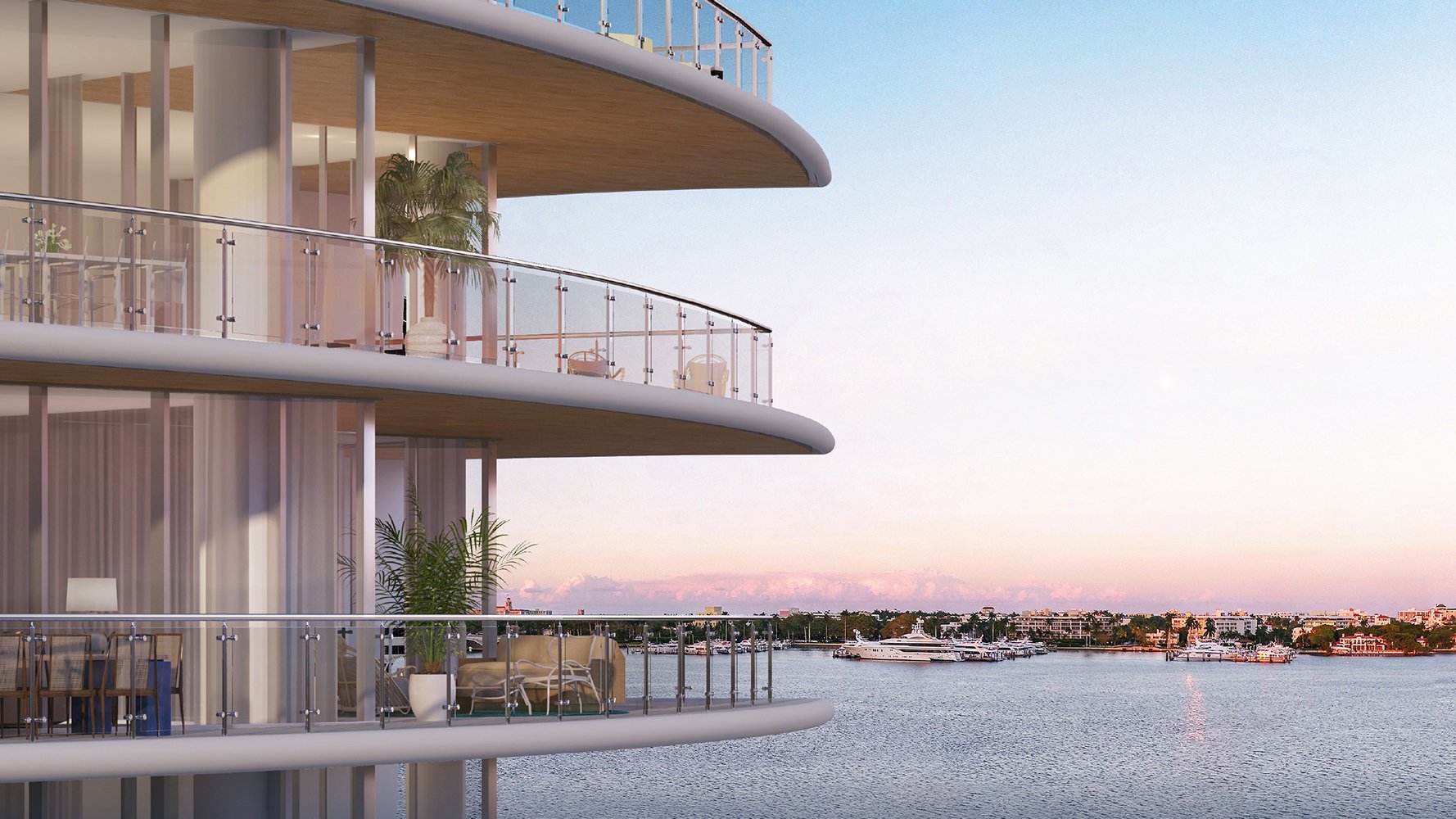
For many ultra-premium buyers, the comparison between Forté on Flagler West Palm Beach and Ocean House Surfside is not simply a question of which name feels more compelling. It is a question of fit, discipline, and future liquidity. Both projects sit within the language of South Florida luxury, but the decision should be tested less like a mood board and more like a long-hold asset review.
Forté on Flagler is the West Palm Beach project in this comparison. Ocean House is the Surfside project. That distinction matters because the buyer is not only choosing a residence; the buyer is choosing the context in which that residence will be owned, governed, occupied, marketed, and eventually resold.
The more practical question is this: which project’s ownership profile, building culture, and resale narrative will remain coherent after the initial excitement has passed? That is where brand prestige becomes the opening line. Governance discipline and resale logic become the lasting substance.
A disciplined buyer should begin with lifestyle use. Is the residence intended as a primary base, a seasonal retreat, a family holding, or a portfolio-level second home? The answer changes how every other factor should be weighted.
A primary-use buyer will typically care more about day-to-day predictability, building conduct, neighbor profile, access routines, and the tone of the association. A seasonal buyer may focus more on lock-and-leave simplicity, service consistency, and confidence that the building will feel equally composed in peak and quieter periods. A future seller will care about how easily the property can be explained to the next qualified buyer.
In that sense, Forté on Flagler West Palm Beach and Ocean House Surfside should not be treated as interchangeable luxury labels. They are two different buyer questions. One frames the West Palm Beach side of the decision. The other frames the Surfside side. The correct answer depends on how the owner intends to live, hold, and exit.
For taxonomy-conscious buyers, this comparison touches West Palm Beach, Surfside, resale, and investment considerations without reducing the decision to a single headline.
Brand prestige can create attention. Governance discipline preserves value. In a luxury condominium, the real test is not only what is promised at purchase, but how consistently the building can operate after owners take control, committees form, budgets evolve, and resident expectations become real.
A prudent buyer should review the governing documents, budget assumptions, reserve posture, insurance treatment, rental limitations, alteration rules, pet policies, guest protocols, board structure, and enforcement mechanisms. These items may not feel glamorous, but they shape the ownership experience more than many visible finishes.
The most elegant residence can be undermined by unclear rules, inconsistent enforcement, or budget volatility. Conversely, a building with strong operating discipline can become more attractive over time because buyers sense stability. That stability is often what sophisticated families, trustees, and advisors quietly value.
For Forté on Flagler, the governance review should be conducted through the lens of the West Palm Beach buyer profile. For Ocean House, the same review should be conducted through the lens of the Surfside buyer profile. The checklist may be similar, but the ownership context is not.
Prestige matters, but only when it can be translated into a clear resale sentence. A future buyer should be able to understand why the residence is desirable, why the building is credible, and why the offering is meaningfully distinct from other choices in the same price conversation.
That resale sentence should be simple. It may emphasize location context, privacy, building discipline, design restraint, service culture, or scarcity. What matters is not how many adjectives can be attached to the property, but whether the next buyer will find the argument believable.
In a Forté on Flagler versus Ocean House decision, the owner should ask which project will be easier to explain five or ten years from now. If the answer depends only on current enthusiasm, the thesis may be thin. If the answer rests on a durable buyer audience, disciplined operations, and a coherent identity, the thesis is stronger.
This is especially important in the upper tier of South Florida real estate, where buyers often compare across neighborhoods, building ages, amenity styles, and levels of privacy. The best resale logic is not necessarily the loudest. It is the one that survives comparison.
The right advisory conversation should be direct. Ask how each building is likely to feel during ownership, not only how it presents during a showing. Ask what the association is designed to control, what the rules encourage, and where the likely friction points could emerge.
Buyers should also ask how future purchasers are likely to underwrite the property. Will they see a clean ownership story? Will they understand the building’s identity quickly? Will they be comfortable with the documents, costs, restrictions, and culture? Will the project’s name still carry meaning when compared with newer offerings?
These questions are not pessimistic. They are the language of serious acquisition. In the ultra-premium segment, emotional appeal and financial discipline do not need to compete. The best purchases usually satisfy both.
Forté on Flagler may appeal to a buyer whose West Palm Beach thesis is clear and long term. Ocean House may appeal to a buyer whose Surfside thesis is equally clear. The practical distinction is not which is universally better. It is which is better matched to the buyer’s use case, risk tolerance, and exit logic.
A useful approach is to score each project across three categories: ownership experience, governance confidence, and resale clarity. Ownership experience asks whether the building matches how the buyer truly intends to live. Governance confidence asks whether the documents and operating model support a composed long-term environment. Resale clarity asks whether a future buyer will understand the value proposition quickly.
If one project wins on emotional appeal but raises unresolved governance questions, pause. If the other feels slightly less theatrical but stronger on operating logic, that may matter more over time. Luxury buyers often regret ignoring practical details. They rarely regret taking the documents seriously.
The decision between Forté on Flagler West Palm Beach and Ocean House Surfside should therefore be made with elegance and restraint. Visit, compare, ask hard questions, and resist the temptation to let prestige do all the work. In South Florida’s highest tier, the most intelligent purchase is often the one that remains easy to defend after the champagne is gone.
What is the core difference between Forté on Flagler and Ocean House in this comparison? Forté on Flagler represents the West Palm Beach side of the comparison, while Ocean House represents the Surfside side.
Should a buyer choose based on brand prestige alone? No. Prestige may open the conversation, but documents, governance, ownership culture, and resale logic should shape the decision.
Why does governance matter in a luxury condominium? Governance determines how rules, budgets, maintenance, reserves, and resident expectations are handled over time.
What should buyers review before committing? Buyers should review governing documents, budgets, rules, rental policies, insurance treatment, reserves, and association structure.
Is resale logic different from current appeal? Yes. Current appeal is about attraction today, while resale logic is about whether future qualified buyers will understand the value.
Can both projects suit luxury buyers? Yes. The better choice depends on the buyer’s intended use, holding period, lifestyle expectations, and tolerance for operating risk.
How should seasonal buyers think about the comparison? Seasonal buyers should focus on simplicity, service consistency, security of access, and confidence during periods away from the residence.
How should primary-residence buyers think about the comparison? Primary-residence buyers should emphasize daily routines, neighbor profile, building culture, rule enforcement, and long-term comfort.
What is the most practical resale question to ask? Ask whether the residence can be explained clearly and credibly to a future buyer without relying only on current excitement.
What is the best next step for a serious buyer? Compare the projects through use case, documents, governance, and exit strategy before allowing aesthetics or prestige to decide.
To compare the best-fit options with clarity, connect with MILLION.
If branded residences are on your mind — as a home or as an allocation — we would be glad to share what we are seeing, privately.
Begin a quiet conversation