A practical private-showing guide for evaluating seawall condition before advancing on a South Florida waterfront home.
A seawall is one of the quietest, most consequential elements in a South Florida waterfront purchase. It rarely drives the first impression. The view, boat access, pool terrace, and architecture usually command the conversation. Yet the seawall frames the entire waterfront experience, protecting the edge between lifestyle and maintenance obligation.
During a private showing, the goal is not to certify the wall. That belongs to a qualified marine contractor, structural engineer, or other appropriate specialist. The goal is to observe with discipline, ask sharper questions, and decide whether the property warrants deeper due diligence before inspection periods become compressed.
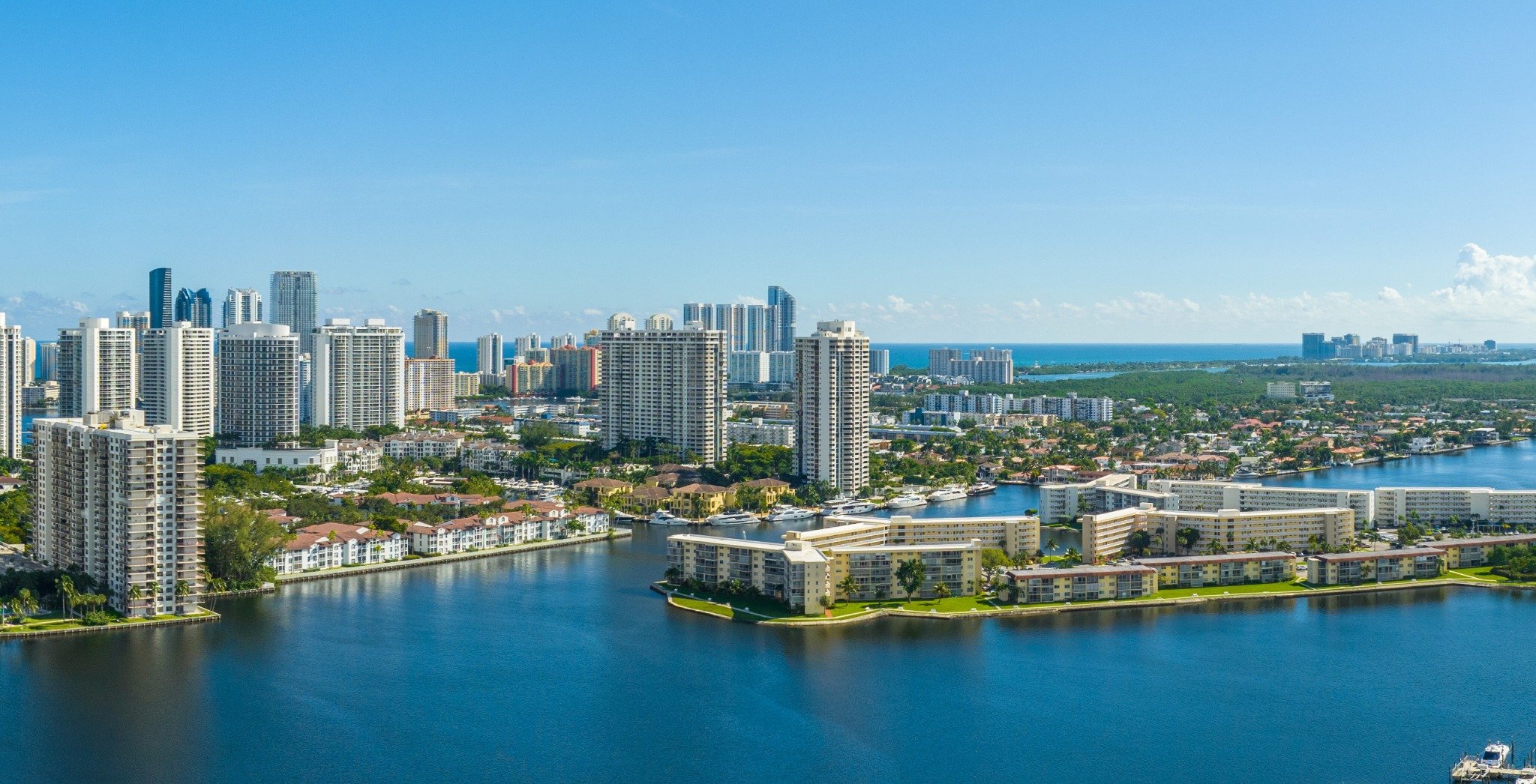
This is especially relevant for buyers comparing Miami Beach, Fort Lauderdale, and Aventura waterfront opportunities, where a water-view residence, boat-slip access, or proximity to a marina can materially shape how the home is used. The wall is part of that utility. Treat it with the same seriousness as roof condition, mechanical systems, elevation, and title.
The most useful seawall review begins from the house, not the dock. Stand inside the principal living spaces and look outward. Note whether the yard appears level, whether terrace pavers seem uneven, and whether the lawn or hardscape near the waterline appears to dip or settle. These observations do not prove a defect, but they help identify areas that merit closer review.
Move slowly toward the water. A rushed tour can conceal subtle clues. Study the transitions: grass to coping, pool deck to lawn, patio to seawall cap. If the ground feels irregular underfoot, mark the location in your notes and return to it after seeing the full property. Buyers often remember the view and forget the edge. A disciplined walk prevents that.
Also note drainage. Where does rainwater appear intended to go? Are downspouts, drains, and paved slopes directing water toward the wall, away from it, or into a managed system? You do not need to diagnose the design during the showing. You simply need to determine whether water movement around the property raises questions for an expert.
Once at the waterline, view the seawall from the land side first. Look along the top cap, if visible, from one end to the other. A long, horizontal sightline can reveal areas that appear uneven, bowed, or interrupted. Avoid dramatic conclusions. Document what you see with precise language: “cap appears lower near the north corner” is more useful than “wall is failing.”
Then review the exposed face. Conditions will vary with tide, access, vegetation, and dock placement. If visibility is limited, say so in your notes. You are not expected to see through water or behind improvements. You are expected to notice obvious openings, cracking, staining, displaced material, or areas where soil appears to be migrating.
Corners deserve attention. So do transitions where the seawall meets a dock, boat lift, stair, neighbor’s wall, or return wall. Interfaces can be complicated, and they often concentrate visual clues. If the property has a long waterfront frontage, do not limit your review to the central, most photogenic section. Walk the full accessible length.
A private showing is not the moment to pry, hammer, probe aggressively, or disturb the property. Any invasive testing should be handled by the appropriate professional with permission. The buyer’s role is visual, lightly tactile where appropriate, and documentary.
You can, however, perform a simple behavioral review. Does the seawall cap feel stable when walked beside, where walking is appropriate? Do railings, dock boards, cleats, or adjacent hardscape feel secure? Are there hollow-sounding pavers or soft patches of lawn near the wall? These are prompts for follow-up, not final judgments.
Photographs matter. Take wide shots to establish context, then closer images of specific concerns. Include a recognizable reference point, such as a dock piling, stair, corner, or landscape feature, so an inspector can understand the location later. If the seller or listing representative limits photography, make written notes immediately.
A strong seawall review is as much about documentation as visible condition. Ask for available permits, repair invoices, construction records, surveys, warranties, engineering letters, and prior recommendations. If the wall was repaired, ask which area was addressed and whether the work was partial or comprehensive. If the dock, lift, or drainage was modified, ask whether the seawall was evaluated at the same time.
The age of the wall may be important, but age alone is not a diagnosis. A newer wall can still warrant review, and an older wall may have been maintained with care. The better question is: what do the observable condition, maintenance history, and professional documentation suggest about near-term risk?
Also ask whether there have been insurance inquiries, neighbor disputes, easement issues, or open municipal matters related to the waterfront edge. Keep the tone calm and transactional. Luxury sellers respond better to precise diligence than alarmist speculation.
If possible, arrange a second look under different water conditions. Visibility changes. A wall that appears quiet during one visit may reveal more at another, and a dock that looks straightforward from the terrace may tell a different story from the water.
Boat access can be valuable when appropriate and safely arranged. Viewing from the canal, bay, or Intracoastal side may help a specialist observe the wall face, tie-ins, dock connections, and neighboring conditions. Do not assume water access will be available during a first showing. Instead, ask early if a marine inspection or water-side review can be accommodated during diligence.
For highly private properties, access protocols may be strict. That is not unusual. The key is to preserve enough inspection rights and timing so discretion does not become a substitute for information.
Certain observations should move the seawall higher on your diligence list: visible leaning, significant cracking, soil loss near the edge, recurring settlement in adjacent surfaces, unusual drainage patterns, displaced cap sections, or difficult-to-explain repairs. None of these observations alone should automatically end interest in a property. They should trigger expert evaluation before finalizing price, terms, or closing confidence.
A marine contractor or engineer can assess condition more thoroughly, explain repair options if needed, and help distinguish cosmetic issues from structural concerns. For luxury buyers, this is not merely about avoiding surprise cost. It is about understanding timeline, disruption, permitting considerations, and how any future work might affect the way the property is lived in.
If the home is otherwise exceptional, seawall diligence becomes both a negotiation tool and a planning tool. The best outcome is not always walking away. Sometimes it is adjusting terms, requesting clarification, setting reserves, or sequencing improvements intelligently after acquisition.
Waterfront property should be evaluated as a system. The seawall, dock, lift, drainage, pool deck, landscaping, outdoor kitchen, and lawn all interact at the property edge. A buyer who isolates the wall from the rest of the site may miss the larger maintenance picture.
Before offering, decide how much uncertainty you are willing to carry. If the wall could not be adequately viewed, the contract should preserve room for proper review. If documents are incomplete, the diligence timeline should reflect that. If the property is competitive, prepare your expert team in advance so inspection appointments are not delayed.
In the ultra-premium market, speed and caution can coexist. The buyer who arrives with a marine specialist on standby, a clear checklist, and a calm advisory team is better positioned than the buyer who waits until a concern becomes urgent.
Can I determine seawall condition during one private showing? No. A showing can reveal visible concerns and guide questions, but professional evaluation is needed for reliable conclusions.
What should I look at first near the seawall? Start with the ground and hardscape near the waterline, then review the cap, wall face, corners, dock connections, and drainage patterns.
Is cracking always a deal breaker? Not necessarily. Cracking should be documented and reviewed by a qualified professional before you decide how it affects value or risk.
Should I ask for seawall permits and repair records? Yes. Available permits, invoices, surveys, and engineering letters can help clarify what work was completed and what may still require attention.
Can I tap, pry, or probe the seawall during a showing? Avoid invasive testing during a showing. Any probing or destructive review should be approved and performed by the proper specialist.
Does a beautiful dock mean the seawall is sound? No. A dock and seawall are related at the waterfront edge, but each requires its own review and documentation.
Should I view the wall from the water? If access is safe and permitted, a water-side review can be helpful, especially for a marine contractor or engineer.
How should seawall concerns affect my offer? They may influence inspection timing, contingencies, negotiation strategy, or post-closing planning, depending on professional findings.
Who should inspect the seawall? A qualified marine contractor, structural engineer, or appropriate waterfront specialist should review the wall during diligence.
What is the best way to shortlist comparable options for touring? Start with location fit, delivery status, and daily lifestyle priorities, then compare stacks and elevations to validate views and privacy.
For a confidential assessment and a building-by-building shortlist, connect with MILLION.
If branded residences are on your mind — as a home or as an allocation — we would be glad to share what we are seeing, privately.
Begin a quiet conversation