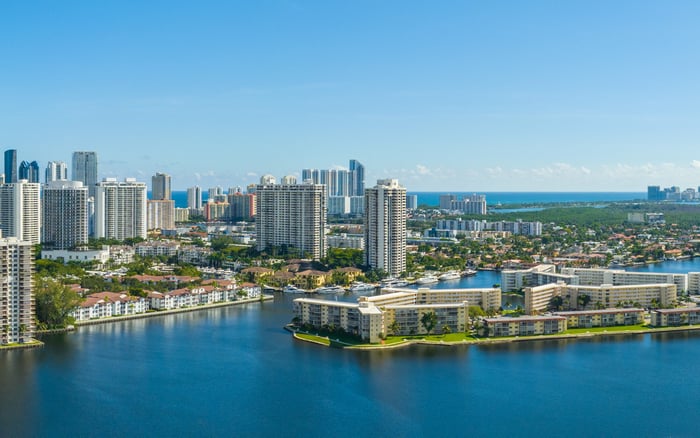
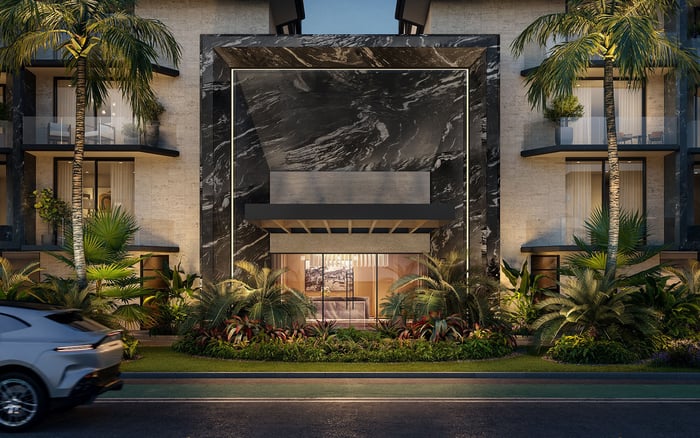
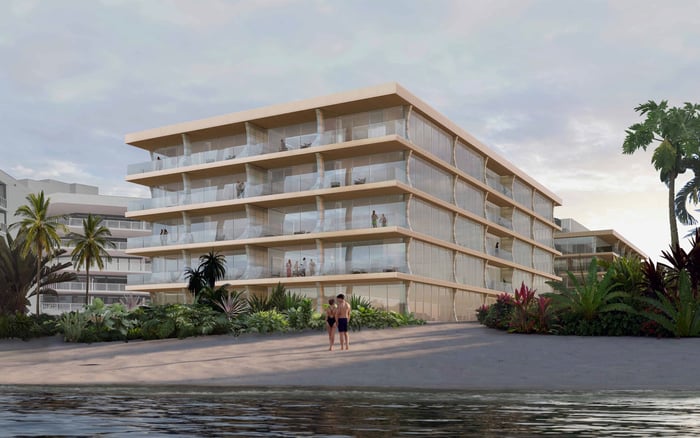
Private marina access can be a powerful advantage in South Florida luxury real estate, but only when the slip, legal rights, navigation route, insurance profile, and long-term resilience support the way a buyer actually plans to use the water.
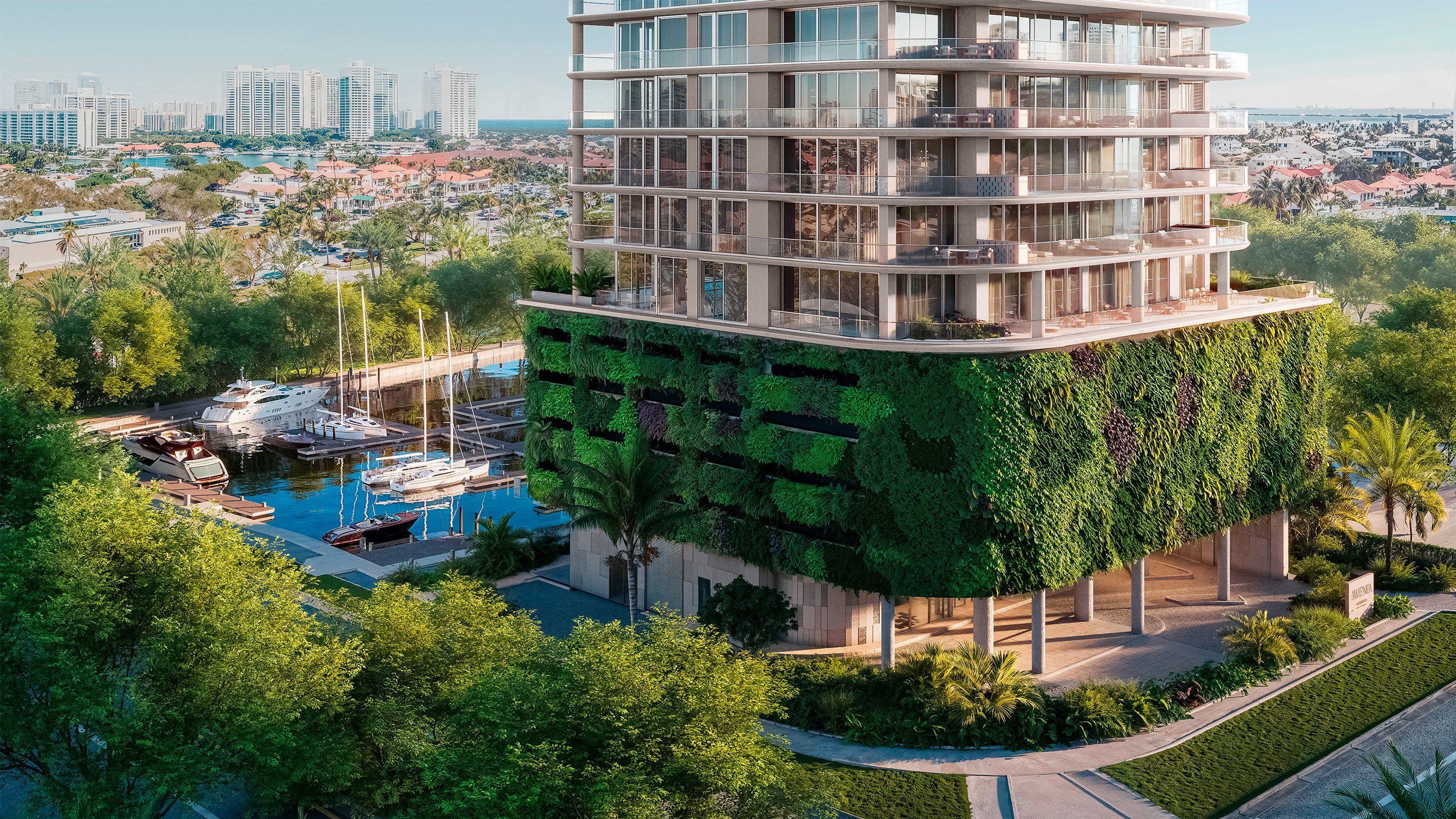
In South Florida, private marina access carries a distinct emotional charge. It suggests mornings that begin on the water, spontaneous runs to open sea, and a home that functions as both residence and launch point. For many luxury buyers, that promise can move a property from interesting to irresistible.
Yet marina access deserves the same discipline applied to structural condition, association governance, insurance, and long-term resale value. A slip is not merely a lifestyle flourish. It is a technical asset with legal, physical, environmental, and financial conditions attached. Its value depends on whether it works for the actual vessel, the actual route, and the actual ownership structure behind the marketing language.
A well-positioned private marina can be a meaningful differentiator. A poorly understood one can become a source of delay, expense, or disappointment.
The first question is not whether the property has dockage. The first question is whether the dockage fits the boat. Buyers should verify the vessel’s length, beam, draft, height, turning needs, and maneuverability against the specific slip, fairway, channel, and route to open water.
Depth deserves particular scrutiny. An advertised depth may not mean maintained depth, controlling depth, or reliable usability through all tide stages. Shoaling can make a nominally adequate slip impractical, especially for deeper-draft vessels. A careful buyer should understand whether the marina has a maintenance dredging history, whether dredging is permitted, and whether future dredging may be constrained by environmental or ownership issues.
Bridge clearances, inlet conditions, channel widths, restricted areas, and no-wake segments all affect the lived experience. Two properties may both appear to offer waterfront convenience, yet one may place the owner minutes from open water while another requires a more delicate route governed by bridges, speed zones, and tidal conditions.
This is where the language of luxury should become the language of seamanship. A private slip is valuable when it supports the boat you own, or the boat you intend to own, not simply because it photographs beautifully.
South Florida waterfront usability is dynamic. Dredging activity, temporary closures, submerged hazards, shoaling, restricted areas, and construction-related changes can affect the route from a private marina to open water. A buyer should review current navigation conditions before closing rather than rely solely on prior owner experience or sales materials.
Speed restrictions and wildlife-protection rules can also reshape convenience. A route that appears short on a map may take longer if portions require reduced speed. For some owners, that is a minor tradeoff. For others, especially those who expect frequent offshore use, it may be central to the purchase decision.
This matters across the market, from a Miami Beach waterfront condo search to a Fort Lauderdale canal residence, an Aventura marina-oriented community, or a broader waterview acquisition strategy. Buyer shorthand often uses tags such as marina, boat slip, and waterview, but those labels do not answer the deeper question: how easy is the water to use, in real conditions, with the vessel that matters?
Private marina access can mean several different things. In a condominium context, a slip may be deeded, treated as a limited common element, licensed to a unit owner, or assigned through the association. Each structure carries different rights, restrictions, transfer rules, and potential risks.
Buyers should confirm whether slip use can be sold with the residence, inherited, rented, reassigned to guests, or transferred independently. They should also verify whether the slip is limited to certain vessel types, lengths, uses, or registration requirements. A right that feels permanent in conversation may be more conditional in the governing documents.
In HOA-governed waterfront communities, declarations, bylaws, rules, amendment powers, and assessment provisions deserve close review. The marina may be part of the community infrastructure, an association-controlled amenity, a separately managed asset, or subject to rights that differ from those attached to the home itself.
Transferability is particularly important for exit value. Future buyers may pay a premium for secure dockage, but they may discount a property if the marina right is discretionary, revocable, restricted, or dependent on association approval.
A private marina is not isolated from regulatory oversight. Docks, marinas, dredging, over-water structures, stormwater systems, and work affecting navigable waters or wetlands may require permitting. If a dock or marina occupies sovereignty submerged lands, the buyer should confirm whether a lease, easement, consent of use, or other authorization is required and whether that authorization is transferable.
This is not merely a concern for owners planning expansion. It can affect repairs, replacement, modernization, dredging, electrical upgrades, and post-storm recovery. A marina that exists today may still face limits on what can be altered tomorrow.
Environmental constraints add another layer. Seagrass, wetlands, protected species, and habitat rules can limit dock expansion, dredging, and repair options. A buyer considering a larger vessel, additional lift capacity, or a reconfigured dock should understand whether those plans are realistic before assigning value to the possibility.
The more bespoke the waterfront vision, the more important it is to verify the permitted condition of the marina and the path to future approvals.
Association-controlled marina assets can create exposure to special assessments. Seawalls, docks, dredging, electrical systems, pump-out facilities, lighting, access systems, and storm repairs can all require significant capital. Buyers should review budgets, reserves, maintenance history, pending projects, insurance coverage, and any known deferred work.
Flood-zone status and flood insurance should also be part of the underwriting. Waterfront assets face elevated exposure, and marina infrastructure often sits close to tidal elevations. Sea-level rise is a long-term consideration for docks, seawalls, roads, utilities, parking areas, and access points. The value of a marina is strongest when the surrounding infrastructure can remain functional over time.
Storm planning is equally central. A private marina should have a written plan covering vessel removal, tie-down procedures, power shutoffs, access control, post-storm inspection, debris removal, and responsibility for repairs. The plan should also clarify whether owners are required to move vessels before a storm and what happens if they do not.
In premium real estate, resilience is not the opposite of luxury. It is one of the conditions that preserves it.
Private marina access is most compelling when it saves time, adds privacy, and supports a buyer’s boating pattern without creating disproportionate maintenance exposure. In some cases, however, a nearby full-service marina may provide better depth, fuel, service, security, hurricane protocols, and professional management.
The comparison should be practical. If a private slip has bridge limitations, uncertain depth, difficult turning geometry, strict association rules, or major capital obligations, its convenience premium may narrow. Conversely, secure private dockage with usable depth, clear rights, resilient infrastructure, and efficient open-water access can be one of the most valuable attributes in the South Florida luxury market.
The right lens is balance. Marina access should not overwhelm the broader purchase decision. Location, architecture, construction quality, views, privacy, building services, ownership rights, insurance, climate resilience, and exit value all remain part of the equation.
For the best buyers, the question is not simply, “Does it come with a slip?” It is, “Does this marina access hold up legally, physically, financially, and over time?”
Should private marina access be the deciding factor in a purchase? It can be decisive only when the access is legally secure, physically usable, insurable, and aligned with the buyer’s vessel and lifestyle.
What should buyers verify about the slip itself? Confirm length, beam, draft, depth, turning area, utilities, lift capacity if relevant, and the route from the slip to open water.
Why does advertised slip depth require caution? Depth may be an estimate rather than maintained or controlling depth, and shoaling can reduce usability even when a slip appears adequate.
Can bridge clearances affect value? Yes. Bridge height, opening schedules, channel conditions, and speed zones can materially affect travel time and vessel compatibility.
Is a deeded slip better than an assigned slip? Often it gives clearer rights, but the documents still need review because transfer, rental, guest use, and vessel restrictions may apply.
What marina costs can surprise buyers? Seawall repair, dock replacement, dredging, electrical upgrades, pump-out systems, storm damage, and insurance gaps can create major exposure.
Do environmental rules matter for an existing dock? Yes. They can affect expansion, dredging, repair methods, replacement approvals, and the ability to accommodate a different vessel.
Should buyers ask for a storm plan? Yes. The plan should address vessel removal, tie-down rules, power shutoffs, access control, inspections, and post-storm repair responsibility.
How should sea-level risk be considered? Buyers should evaluate docks, seawalls, roads, utilities, and access points because long-term tidal trends can affect functionality and cost.
When is a nearby full-service marina preferable? It may be preferable when it offers better depth, service, security, storm protocols, and fewer ownership or maintenance obligations.
If you'd like a private walkthrough and a curated shortlist, connect with MILLION.
If branded residences are on your mind — as a home or as an allocation — we would be glad to share what we are seeing, privately.
Begin a quiet conversation