A practical luxury real estate editorial on why dockmaster service matters for South Florida waterfront buyers, from daily boating ease to privacy, maintenance coordination, and long-term ownership confidence.
In South Florida luxury real estate, waterfront living is often described through the expected language of exposure, view, and arrival. Oceanfront frontage, a broad Waterview, a gracious Terrace, and a seamless connection to the water all shape the romance of the purchase. Yet for buyers who actually use the waterfront, one quieter amenity can decide whether that romance becomes daily pleasure or recurring friction: the dockmaster.
A better dockmaster program is not a decorative service layer. It is the operational bridge between a residence and the water. It helps govern access, timing, communication, guest movement, vendor coordination, captain expectations, and the small but consequential details that make boating feel civilized. In the ultra-premium market, where owners often divide time between residences and expect consistency across every touchpoint, that orchestration is practical luxury.
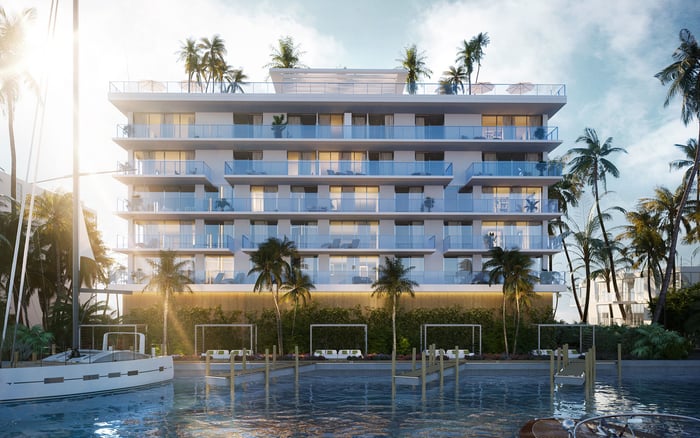
Most buyers know how to evaluate a lobby, spa, fitness center, pool deck, or private dining room. Fewer ask equally pointed questions about the Marina, even when the waterfront is central to the property’s appeal. That is a missed opportunity. A building can offer a beautiful setting and still deliver an uneven nautical experience if dock operations are informal, understaffed, or poorly communicated.
The right dockmaster service brings structure to an environment that depends on many moving parts. Owners may have personal captains, visiting guests, service technicians, delivery needs, weather concerns, and changing departure times. A strong dockmaster program does not remove the complexity of boating, but it reduces the number of decisions an owner must personally pursue.
That is especially relevant for a Second-home buyer. When an owner is not in residence year-round, reliable local coordination becomes more valuable. The dockmaster can serve as the steady interface between property management, vessel personnel, and the owner’s household team, helping preserve confidence while the owner is away.
A Boat-slip is not the same thing as a service experience. Access answers where a vessel may be kept. Service answers the more important question of how that access works in real life.
For discerning buyers, the difference appears in small moments. Is there a clear protocol for arrivals? Are visiting captains handled discreetly? Are maintenance vendors expected to check in through a controlled process? Is communication timely before a busy weekend? Can the building manage owner preferences without making every request feel improvised?
These are not glamorous questions, but they are luxury questions. The highest expression of residential service is often the absence of confusion. If a family can arrive, board, depart, and return without a chain of calls, delays, or public explanations, the property feels more private and more complete.
South Florida waterfront ownership often involves a visible lifestyle. The vessel, the guests, the timing of departures, and the presence of service teams can all reveal more than an owner may wish to broadcast. Better dockmaster service creates a buffer between the owner and the choreography around the dock.
Privacy in this context is not only about discretion of speech. It is also about routing, timing, and procedure. A well-managed waterfront can reduce unnecessary congestion, prevent casual wandering, and keep the dock from becoming an informal social corridor. For owners who value quiet control, those details matter.
This is where service culture becomes inseparable from security culture. The best residential environments do not make residents feel watched, yet they do not leave sensitive access points to chance. A polished dockmaster presence can help establish that balance.
Boating introduces an ongoing maintenance rhythm. Cleaning, inspections, provisioning, repairs, fuel coordination, and seasonal preparation may involve different teams at different times. Without a clear point of contact, the waterfront can become a source of messages, exceptions, and interruptions.
A capable dockmaster program helps bring order to that rhythm. It can clarify when outside personnel may arrive, how they access the property, where they should report, and how their work intersects with residential operations. This matters because luxury owners are not simply buying a place to keep a vessel. They are buying a standard of care around a complex asset.
For resale, this may become part of the story a buyer remembers. A residence with thoughtful dock operations can feel easier to own. It signals that the property understands the lifestyle it is selling, rather than treating the dock as an afterthought attached to the amenity deck.
The most useful questions are direct and operational. Who oversees the dock day to day? How are owner requests documented? What are the protocols for guests, captains, and vendors? How are conflicts handled when multiple owners want similar timing? What communication channels are used? How does the dock interact with the front desk, valet, security, and residential management?
Buyers should also ask how the property defines authority. A dockmaster with unclear responsibility may be pleasant, but limited. A dockmaster integrated into the building’s service system can be far more effective. The distinction appears during weekends, storms, holidays, service appointments, and last-minute departures.
In markets such as Aventura, Miami Beach, Fort Lauderdale, Palm Beach, and the islands, waterfront buyers often compare views and finishes first. The more sophisticated comparison includes operational maturity. If two properties are similar in design and setting, the better-run dock can become the decisive advantage.
Luxury has moved beyond visible abundance. The modern buyer still appreciates beauty, but increasingly values competence. A serene waterfront arrival is beautiful because many invisible decisions have already been made well.
Better dockmaster service expresses that shift. It is not loud. It does not need branding theatrics. It does not compete with the pool or the lobby for attention. Instead, it protects time, privacy, and ease, the three currencies that matter most to serious buyers.
For the owner who uses the water often, the case is straightforward. A better dockmaster can make boating feel more spontaneous, not because the lifestyle is simple, but because the service platform is prepared. For the owner who uses the residence occasionally, the value is equally clear. Someone capable is close to the waterfront details when the owner is not.
In that sense, dockmaster service is not a niche amenity. It is a test of whether a waterfront residence truly understands its own promise.
Why does dockmaster service matter in a luxury residence? It turns waterfront access into a managed experience, reducing friction for owners, guests, captains, and service teams.
Is a Boat-slip enough for serious boaters? Not always. A Boat-slip provides access, while dockmaster service helps determine how smoothly that access functions.
Should non-boating buyers still care about dock operations? Yes. Strong waterfront management can support privacy, property order, and overall residential quality.
What should buyers ask about dock communication? They should ask how requests are submitted, who responds, and how the dock coordinates with residential management.
How does dockmaster service support privacy? It can help manage guest movement, vendor access, timing, and dockside activity with greater discretion.
Can dock operations influence resale appeal? They can. A residence that feels easier to own may stand out to waterfront buyers comparing similar properties.
Is dockmaster service more important for a Second-home owner? Often, yes. Owners who are away frequently may value a steady local point of contact for waterfront coordination.
How does a Marina setting change the buyer review process? Buyers should evaluate not only the beauty of the setting, but also the protocols that govern daily use.
Does a Waterview guarantee a strong waterfront lifestyle? No. A Waterview may be visually compelling, but service quality determines much of the practical experience.
What is the simplest test of a strong dockmaster program? Ask whether the owner’s arrival, departure, guest access, and vendor coordination can happen calmly and predictably.
If you'd like a private walkthrough and a curated shortlist, connect with MILLION.
If branded residences are on your mind — as a home or as an allocation — we would be glad to share what we are seeing, privately.
Begin a quiet conversation