A discreet buyer’s guide to distinguishing genuine property management responsiveness from polished service language in South Florida luxury condominiums and branded residences.
In South Florida luxury real estate, management responsiveness is often framed in the language of hospitality. Buyers hear promises of white-glove service, concierge attention, resident-first culture, and seamless living. Those phrases may be accurate, but without systems, accountability, and a documented record of execution, they can quickly become marketing theater.
A sophisticated buyer should not ask only whether a building is responsive. The sharper question is how responsiveness is structured. Who receives a request? Who is authorized to solve it? How quickly is it acknowledged? How is it documented? What happens when the answer requires board action or vendor coordination? In a premier address, the experience should feel effortless because the machinery behind it is disciplined.
This matters across Brickell, Aventura, Surfside, and other South Florida luxury enclaves where owners may be seasonal, international, or managing multiple residences. The most elegant building is not necessarily the one with the most elaborate service promise. It is the one where small problems are handled before they become visible, and larger issues are communicated with calm precision.
Marketing theater relies on adjectives. True responsiveness relies on architecture. A sales presentation may describe attentive management, but an operationally mature building can explain the chain of responsibility behind that attention. There should be a clear path from resident request to resolution, with escalation rules that do not depend on personal favors or informal relationships.
Ask whether the building uses a consistent request platform, how residents receive updates, and whether issues are categorized by urgency. A package concern, a mechanical noise complaint, an access-control question, and a water-related incident should not be treated as interchangeable. The difference between a pleasant front desk and a capable management culture is triage.
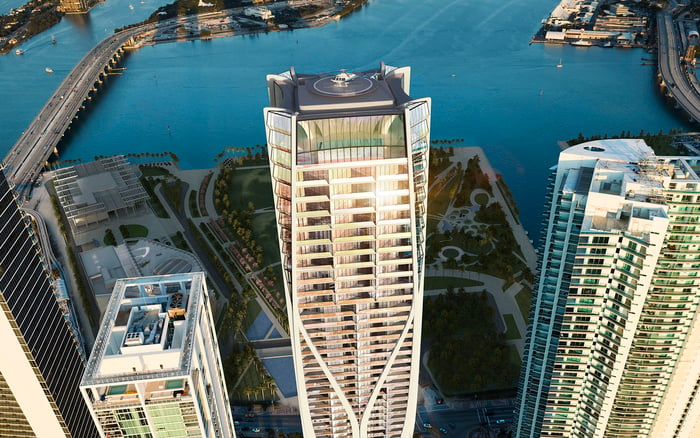
In branded residences, the theater can be especially persuasive because the service language may echo the hotel world. The buyer’s task is to separate the aura of the brand from the day-to-day governance of the residential association. Hotel-style tone has value only if the residential management team has the authority, staffing, vendor relationships, and board support to deliver consistently.
The strongest questions are simple, specific, and difficult to answer with slogans. What is the typical process after an owner submits a maintenance or building concern? Who has authority to approve urgent vendor work? How are after-hours issues handled? How are owners notified when an issue affects common areas? How does management communicate with residents who are not in town?
Listen for clarity. A polished but vague answer is a warning sign. A direct answer that distinguishes between routine requests, urgent matters, and association-level decisions suggests a more mature culture. Responsiveness is not only speed. It is the ability to identify the problem type and move it through the right channel without confusion.
A second-home owner should be especially attentive to remote communication. If an owner spends part of the year elsewhere, responsiveness includes documentation, photos when appropriate, follow-up notes, and the ability to coordinate access without unnecessary friction. Luxury is not having to chase the same question three times from another time zone.
Before committing, review the materials that show how the building actually behaves. Meeting minutes can reveal whether resident concerns are addressed with specificity or deferred repeatedly. Budgets can indicate whether the building is funding the personnel, maintenance, and reserves needed to support its promised lifestyle. Rules and procedures can show whether management has a clear framework or relies on improvisation.
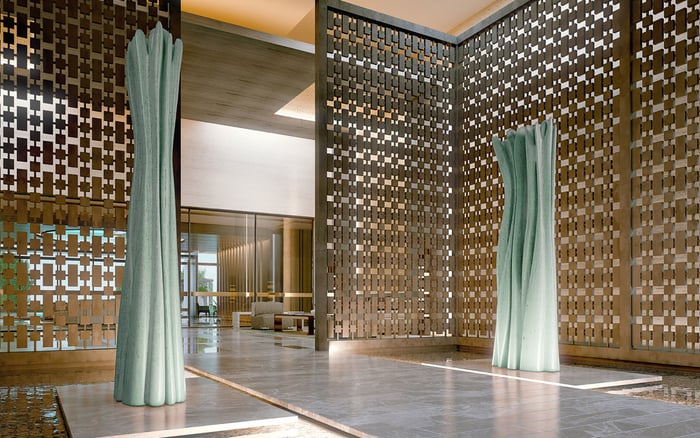
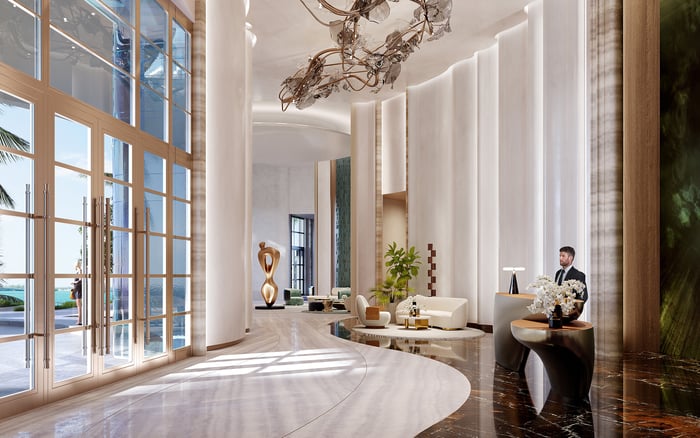
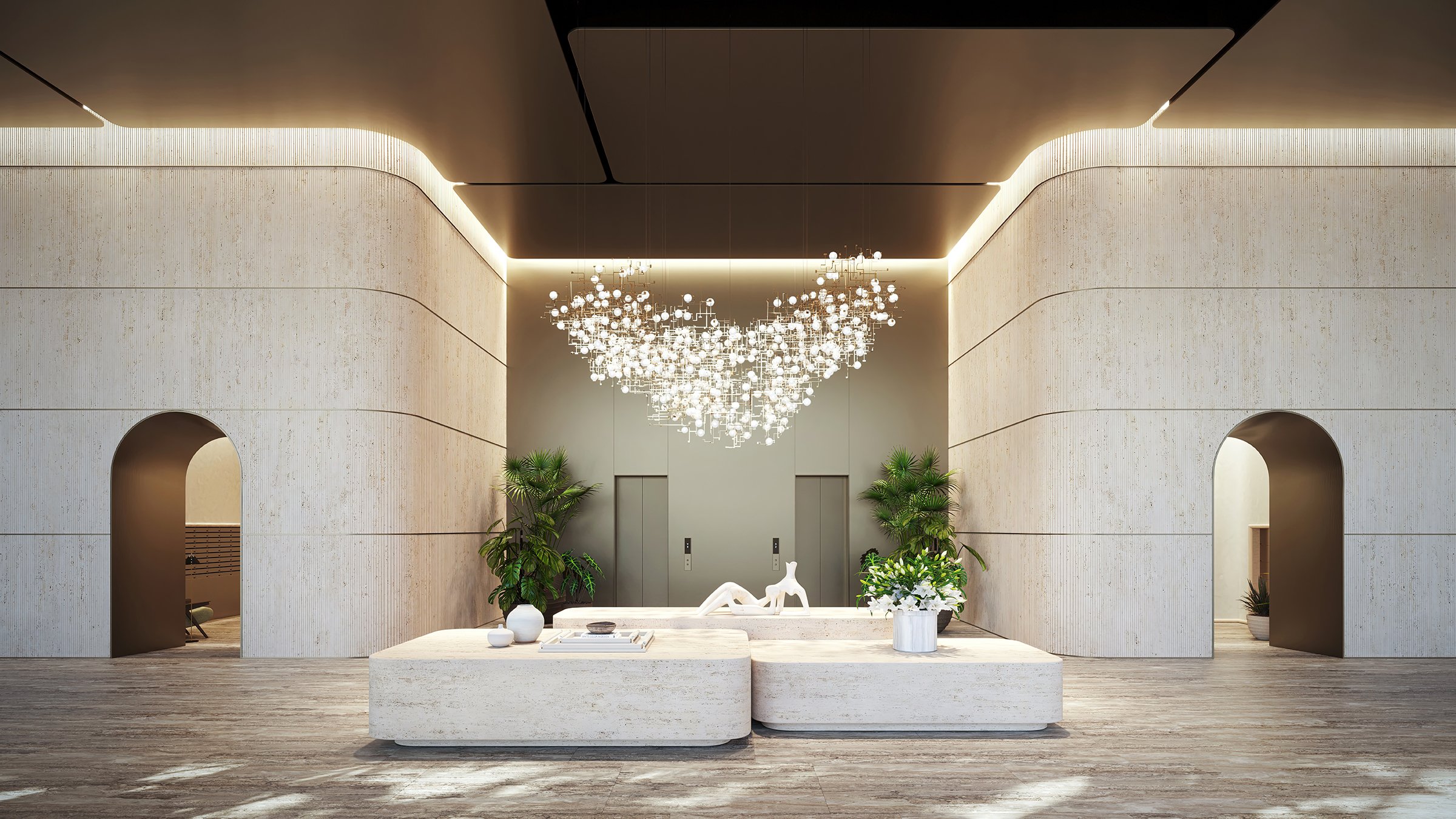
The condition of common areas also speaks. Look beyond the lobby arrangement and floral display. Notice elevator cab wear, signage, garage organization, service corridors, package areas, staff posture, and the way temporary issues are communicated. In a well-managed building, even an inconvenience tends to have a visible explanation. Silence is rarely a luxury experience.
For an investment buyer, responsiveness has an additional dimension. Operational consistency can affect owner confidence, tenant satisfaction, and the ease of managing a property from a distance. A beautiful residence in a poorly communicating building can become a time burden. Conversely, a building with disciplined management can protect the owner’s sense of control, even when the residence is not personally occupied.
Marketing theater often reveals itself through disproportion. There may be extensive language about lifestyle, but little detail about staffing, maintenance coordination, or governance. There may be a grand promise of concierge-level attention, but no explanation of how requests are logged or escalated. There may be immaculate arrival spaces, but inconsistent communication in less visible areas of the property.
Another tell is overpersonalization. If responsiveness appears to depend on one exceptional manager, concierge, or board member, the building may not have a resilient system. People matter enormously, but luxury operations cannot rest on a single personality. Buyers should look for repeatable practices that survive staff changes, seasonal surges, and unexpected complications.
New-construction buyers should be particularly careful during the transition from sales narrative to residential reality. A development can present beautifully before residents move in, yet the long-term experience depends on how the association, management team, service vendors, and ownership culture settle into place. The question is not whether the opening feels impressive. It is whether the operating model is built for the years after opening.
A genuinely responsive building often feels quiet. Not because nothing happens, but because residents are not forced into the drama of resolution. Messages are timely. Staff members know what they can handle and what must be escalated. Management communicates without defensiveness. Residents understand where to go with a concern, and owners away from South Florida do not feel disconnected from their property.
This calm is a form of value. In the luxury tier, buyers are not only purchasing views, finishes, and amenities. They are purchasing confidence that the property will be stewarded with competence. The best management cultures make that confidence feel ordinary.
When touring, pay attention to the unscripted moments. How does the front desk handle an interruption? Does staff seem informed or merely courteous? Are notices current and well written? Does the property feel orderly beyond the ceremonial arrival sequence? These small observations often disclose more than the formal sales language.
What is management responsiveness in a luxury condominium? It is the building’s ability to acknowledge, prioritize, communicate, and resolve owner concerns through a clear operating system.
How can I tell if responsiveness is real or just marketing language? Ask for the process behind the promise. Real responsiveness can be explained through staffing, authority, timelines, and escalation.
Is fast communication always a sign of good management? Not by itself. A quick reply is useful, but the stronger signal is whether the issue is tracked, owned, and resolved appropriately.
What should seasonal owners ask before buying? They should ask how the building communicates with absent owners, coordinates access, documents issues, and follows up remotely.
Do branded residences automatically offer better responsiveness? Not automatically. The brand may elevate service expectations, but the residential management structure must still deliver day to day.
Why do meeting minutes matter? They can show whether recurring concerns are handled directly, deferred repeatedly, or discussed without clear accountability.
Can a beautiful lobby mask weak management? Yes. Arrival design is only one layer; buyers should also observe maintenance areas, communication quality, and staff coordination.
What is a red flag during a property tour? Vague answers about procedures, outdated notices, disorganized service areas, or staff uncertainty can all suggest weak systems.
How does responsiveness affect resale confidence? A well-run building can support owner confidence by reducing friction, preserving common areas, and creating a more predictable experience.
What is the simplest question to ask management? Ask what happens after an owner submits an urgent concern after hours. The answer should be specific, calm, and operational.
When you're ready to tour or underwrite the options, connect with MILLION.
If branded residences are on your mind — as a home or as an allocation — we would be glad to share what we are seeing, privately.
Begin a quiet conversation