A buyer-focused guide to evaluating solar-ready common areas in South Florida luxury residences, with emphasis on design intent, governance, resilience, and long-term operational clarity.
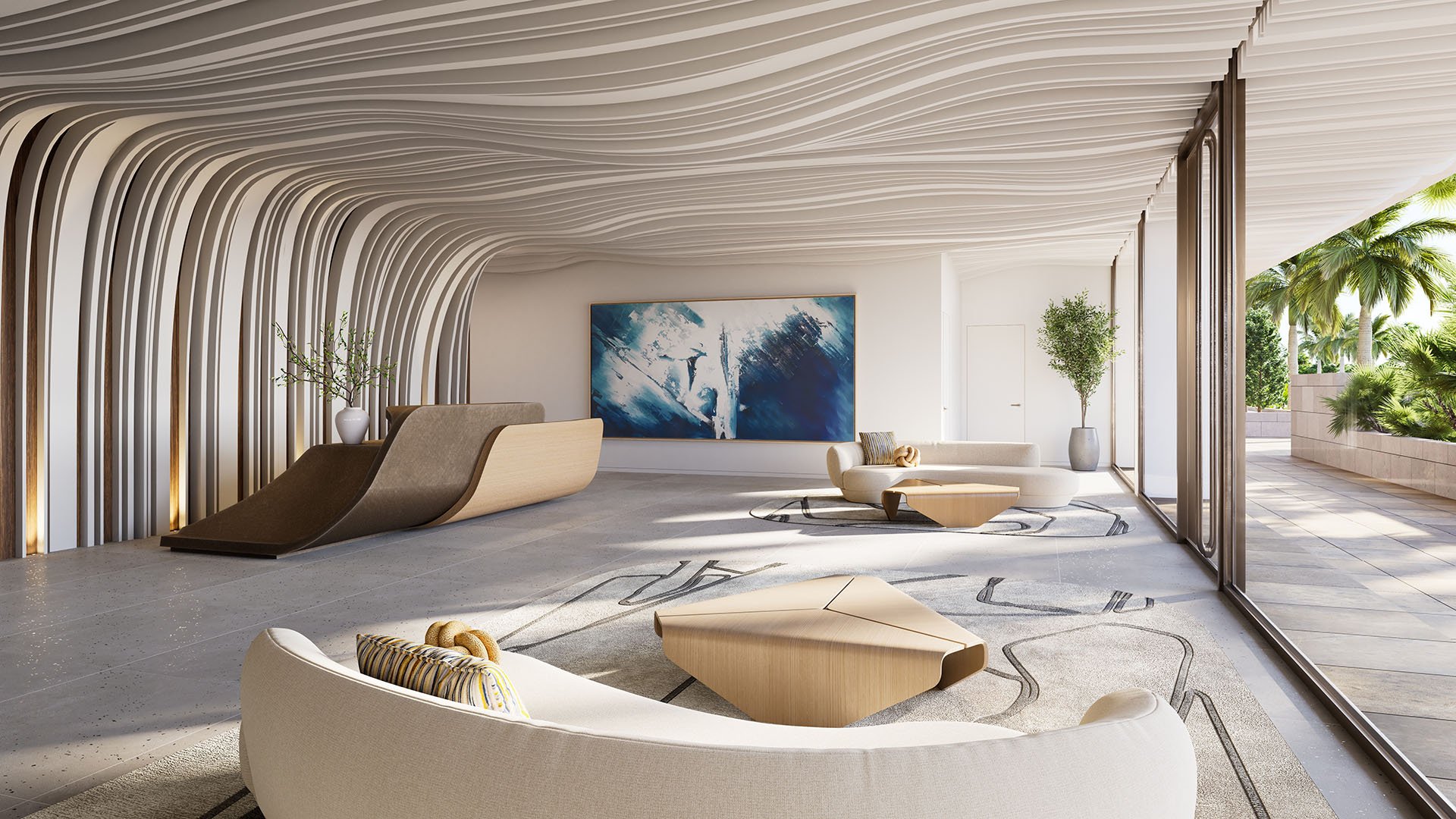
Solar-ready common areas have entered the vocabulary of modern luxury development in South Florida. The phrase can imply resilience, efficiency, lower operating exposure, and a more considered relationship with the building envelope. It can also be used loosely, attached to renderings, dashboards, and sales-gallery language that may say little about how a condominium will actually operate after turnover.
For a discerning buyer, the task is not to decide whether solar is fashionable. It is to separate useful infrastructure from presentation. A true solar-ready strategy should answer practical questions: which common-area loads could be supported, where equipment can be installed, how it connects to building systems, who maintains it, and whether the association will inherit a clear path for future upgrades. Anything less may be attractive, but it is not necessarily valuable.
This distinction matters across Brickell, Miami Beach, Sunny Isles, Coconut Grove, new-construction, and oceanfront residences, where buyers often compare architecture, amenities, operating quality, and long-term stewardship in the same conversation.
The most useful question in a sales gallery is also the least theatrical: what is the intended load? Solar readiness should be tied to specific common-area uses, not a broad promise of environmental sophistication. A building may discuss lighting, amenity-area power, pool equipment, garage ventilation support, elevator-adjacent systems, access control, pumps, or other shared functions, but buyers should ask which of these are actually contemplated in the design.
A polished display showing sunlight moving across a roof tells you very little. A credible answer should connect the concept to electrical rooms, conduit pathways, roof or canopy areas, structural allowances, metering approach, and future equipment access. If the team can describe only the aesthetic message, the technology may be more narrative than operational.
In a luxury condominium, common areas are not decorative extras. They are the hotel-level spaces that define daily life: arrival sequences, wellness floors, lounges, pools, garages, staff areas, and security systems. Solar-ready planning has value when it is integrated into that operating reality.
There is a meaningful difference between a system that is installed, a building that is pre-wired for future installation, and a property that simply has theoretical space for equipment. Buyers should be precise with language. “Solar-ready” may refer to reserved roof space, conduit runs, structural capacity, electrical panels designed for future connection, battery compatibility, or a broader sustainability concept.
None of these is automatically negative. Future flexibility can be valuable, especially in a high-end building where the association may want optionality as technology evolves. But future flexibility should be documented. If the promise is that an association can add equipment later, the buyer should understand what has already been built into the project and what would require new approvals, new capital, or physical disruption.
The cleanest answers distinguish current deliverables from optional future enhancements. That distinction protects the buyer from mistaking a conceptual pathway for a completed asset.
Useful building technology often looks boring on paper. It appears in schedules, diagrams, specifications, access plans, maintenance assumptions, and association documents. Sales-gallery theater tends to appear in renderings, mood boards, touchscreens, and sweeping language about the future.
A buyer does not need to become an engineer, but the buyer can request confirmation of the basics. Is there designated space for equipment? Is the pathway from collection area to electrical infrastructure already contemplated? Will any future installation require relocation of amenity features? Has maintenance access been considered? Is there a clear distinction between owner equipment, association equipment, and developer obligations?
The more sophisticated the residence, the more important these questions become. In a tower with highly finished amenity areas, even a modest retrofit can be expensive and disruptive if the original planning was superficial. True luxury is not only the beauty of the arrival lobby. It is the absence of avoidable friction after the building is occupied.
Solar-ready common areas are often discussed alongside resilience. That can be appropriate, but buyers should be careful with assumptions. Solar infrastructure by itself does not automatically mean a building can operate independently during an outage. The relationship among solar generation, batteries, transfer equipment, backup systems, and building loads is technical and should not be reduced to a slogan.
A serious presentation will avoid promising more than the design supports. It may explain that certain common-area systems are being considered for future support, or that the building has pathways for later integration. It may also acknowledge that emergency power, life-safety systems, and amenity power are separate topics.
For South Florida buyers, the most valuable resilience conversation is specific. Which spaces are prioritized? What happens during ordinary operations? What happens during abnormal conditions? Who decides whether to expand the system later? A buyer should welcome nuance here. Overconfident simplicity can be a warning sign.
In condominium living, technology does not end at installation. It becomes an association asset, an operating expense, a maintenance obligation, and, at times, a capital-planning item. A beautiful solar canopy or a future-ready electrical pathway is only as useful as the governance around it.
Buyers should ask how solar-ready elements are addressed in the condominium documents, budgets, reserve thinking, warranty language, and turnover materials. If the system is future-facing, who has the authority to activate the next phase? Would it require a board decision, owner vote, special assessment, vendor agreement, or design approval? If the building includes visible equipment, who maintains its appearance over time?
This is where luxury buyers can gain a real advantage. Many people focus on the promise. Fewer focus on the handoff. Yet the handoff is where a design concept becomes a living building with budgets, staff, vendors, and owners with differing priorities.
Common areas are often where solar-ready language becomes most visually persuasive. Rooftop lounges, pool decks, shaded terraces, porte-cochere structures, and wellness spaces can all be framed as part of a more intelligent building environment. The buyer should admire the design, then ask how the design performs.
Does the architectural expression create logical places for panels or future infrastructure? Are shaded structures merely sculptural, or do they have a technical purpose? Could future equipment compromise sightlines, privacy, landscaping, or service access? Does the design allow maintenance teams to work without disturbing the most valuable amenity spaces?
A solar-ready common area should feel inevitable, not improvised. The best version is quiet, integrated, and legible to the people who will manage the property. If the only evidence is a branded screen beside a model, the buyer should keep asking questions.
Before assigning value to solar-ready language, a buyer should ask for clear answers to a few practical questions. What does solar-ready mean in this specific building? Which common-area systems are included or contemplated? What is installed at delivery, and what is reserved for the future? Where will equipment be located? What documents describe the pathway? What are the association’s likely obligations? What would trigger additional cost?
The tone of the response is as important as the content. Serious teams tend to answer with specificity and boundaries. They know what is included, what is not included, and what remains subject to future decisions. Less serious presentations lean on atmosphere.
In the ultra-premium market, discretion and precision are part of value. Solar readiness should not be sold as a miracle. It should be evaluated as a thoughtful layer of infrastructure that may support efficiency, optionality, and building quality when executed with discipline.
What does solar-ready mean in a condominium common area? It generally means the building has been planned in some way for solar infrastructure serving shared spaces. The exact meaning depends on the project documents and design details.
Is solar-ready the same as having solar panels installed? No. It may mean installed equipment, reserved capacity, conduit pathways, structural planning, or future compatibility.
What is the first question a buyer should ask? Ask which common-area loads the system is intended to support. A useful answer should be specific rather than aspirational.
Can solar-ready features reduce association costs? They may contribute to future operating strategy, but buyers should avoid assuming savings without clear system details. Cost impact depends on design, usage, maintenance, and governance.
Does solar-ready mean the building can operate during an outage? Not necessarily. Resilience depends on how solar, storage, backup power, transfer equipment, and building loads are configured.
Where should buyers look for proof beyond the sales gallery? Buyers can request design descriptions, specifications, association materials, and clear explanations of what is delivered at completion. The strongest evidence is practical and documentable.
Why do common areas matter so much? Common areas carry the daily experience of a luxury building. If technology supports those spaces intelligently, it can improve the long-term quality of ownership.
What is a warning sign of sales-gallery theater? Vague language, beautiful visuals, and no clear explanation of load, location, installation status, or future responsibility should prompt more questions.
Should buyers prefer installed systems or future-ready planning? Either can be valuable if the scope is clear. The key is understanding what exists now, what remains optional, and who pays for future decisions.
How should solar-ready features affect a purchase decision? Treat them as one layer of building quality, not the entire investment case. The best features are integrated, documented, maintainable, and governed clearly.
For a tailored shortlist and next-step guidance, connect with MILLION.
If branded residences are on your mind — as a home or as an allocation — we would be glad to share what we are seeing, privately.
Begin a quiet conversation