A practical buyer’s guide to judging lighting-scene technology for art-focused South Florida residences, with emphasis on commissioning, preservation, controls, and daily livability.
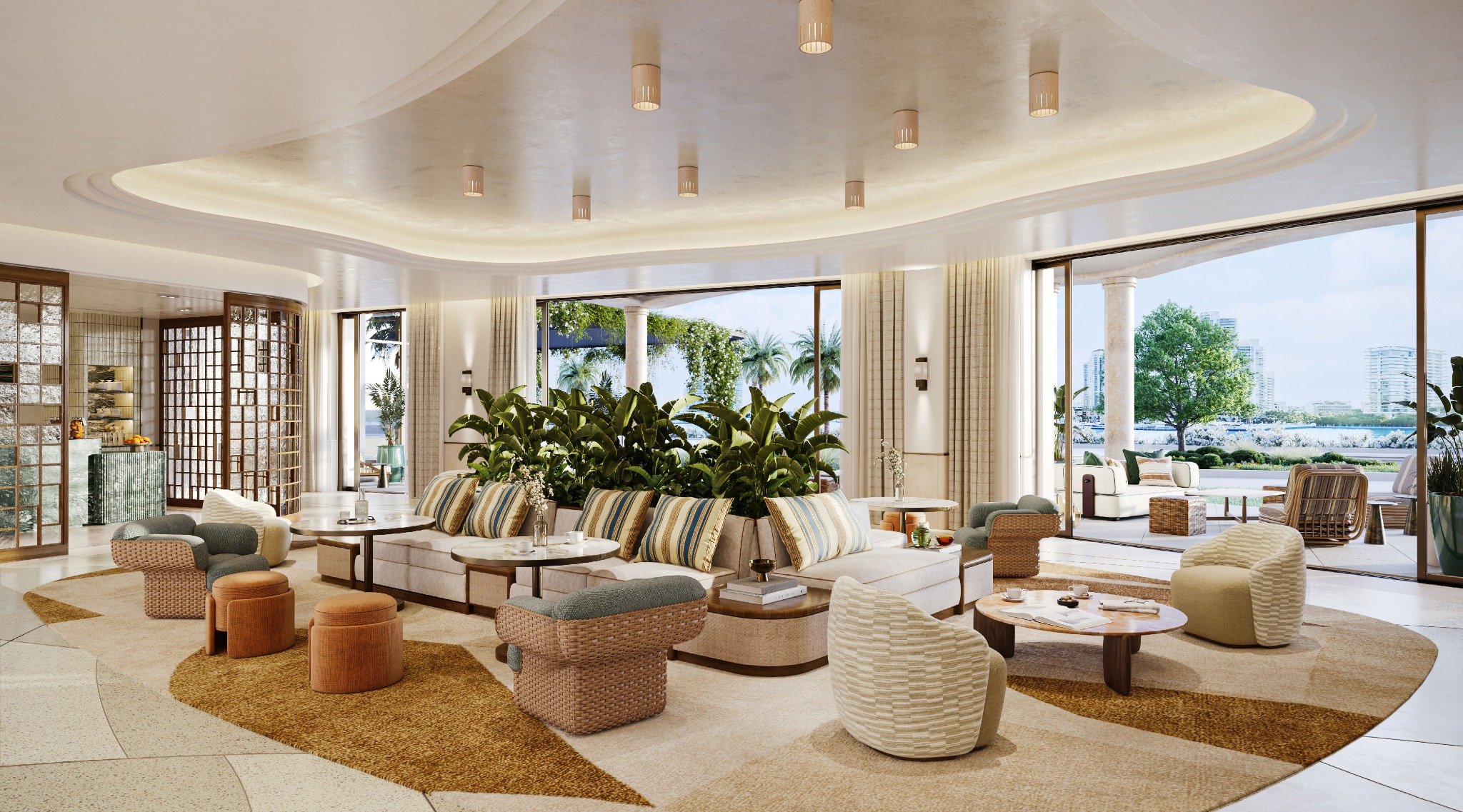
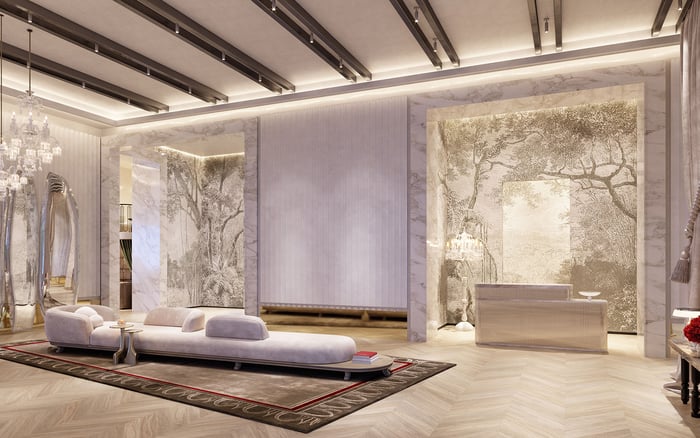
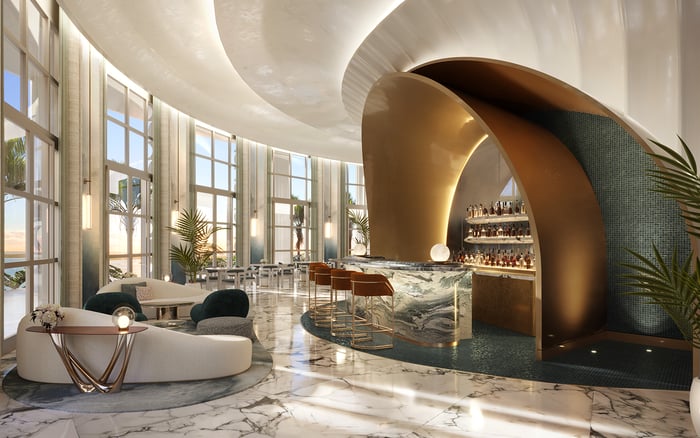
In a luxury sales gallery, a lighting scene can persuade within seconds. One tap and the room softens, wall art glows, the dining table feels ready for an intimate evening, and the architecture appears more composed. The effect is not meaningless; it signals intent. But for a serious South Florida buyer, the more important question is whether the system will remain useful after the music, model furniture, and sales narrative disappear.
Art lighting is living infrastructure for how a residence is seen, used, and preserved. The best systems do not announce themselves. They support daily rituals, protect collections from careless exposure, adapt to changing acquisitions, and allow the owner to move from breakfast light to evening entertaining without turning the home into a stage set.
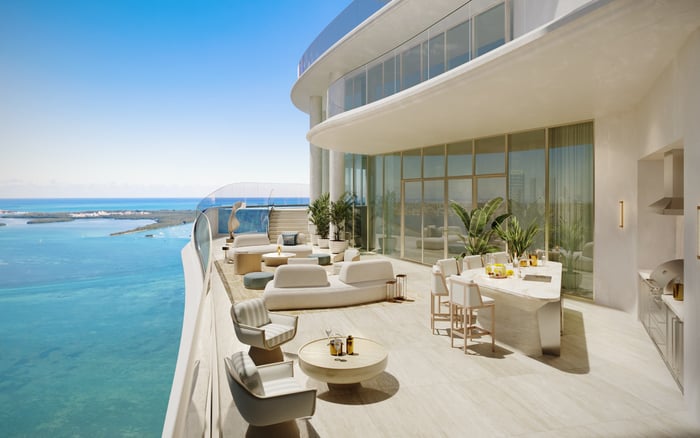
That distinction matters across the region, from a Brickell aerie with layered city reflections to a Miami Beach residence with intense daylight and pale surfaces. It also matters in a penthouse, where volume and view can overwhelm artwork unless lighting is handled with restraint. Sales-gallery theater is about immediate seduction. Useful technology is about control, repeatability, and discretion.
The first test is simple: does the conversation begin with the artwork, or with the interface? If the demonstration opens with screens, icons, and dramatic preset names, the technology may be leading the design. A serious art-lighting plan starts with what is being illuminated, how it is installed, how often the collection changes, and how much daylight enters the room.
Ask whether scenes are built around walls, zones, tasks, or objects. A living room with one important painting, a sculpture near a terrace door, and a seating group for evening use may require layers that can be adjusted independently. If all of those moments are collapsed into a single “gallery” button, the result may look impressive once and feel inflexible afterward.
The app should be the last mile, not the concept. A beautiful interface cannot correct poor fixture placement, weak dimming, inconsistent color, or glare on glass. Conversely, a well-planned system can feel intuitive even through simple keypads because the underlying scenes have been thoughtfully commissioned.
Useful lighting technology gives an owner options without demanding attention. It allows fine adjustment, stores repeatable scenes, integrates daylight where appropriate, and makes it possible to refine the home after occupancy. For an art collector, that last point is essential. Collections evolve. A wall that holds a monochrome work today may later hold photography, textile, or mixed media.
The system should allow scenes to be modified without major disruption. If a single artwork is moved, the owner should not be trapped by a rigid lighting design that only made sense for the sales-gallery composition. Ask who can adjust the scenes, how those adjustments are made, and whether the process remains practical after closing.
Also examine whether the system separates ambiance from conservation. A dramatic scene that floods artwork with intensity may flatter a room during a showing, but daily use calls for restraint. The goal is not maximum brightness. It is appropriate light, placed and controlled in a way that respects materials, mood, and longevity.
Do not judge art lighting only from the center of the room. Walk the perimeter. Stand where guests will stand. Sit where you would read, dine, or speak with friends. Look for reflections across framed works, shadows cast by furniture, hot spots on textured surfaces, and glare from fixtures that pull the eye away from the art.
Then ask for the scenes to be changed slowly. A sophisticated system should transition gracefully, not jump from black to blazing. Dimming should feel smooth, especially in rooms intended for evening living. If the lighting flickers, shifts awkwardly, or makes different fixtures appear mismatched, the scene may be more theatrical than refined.
When possible, test the room with shades open and closed. South Florida residences often negotiate intense daylight, water reflection, and bright exterior exposures. A balcony can introduce glare at certain times, and large glass can change how art is perceived throughout the day. The question is not whether the room looks perfect for one demonstration. The question is whether the system gives the owner control through changing light conditions.
Preset names can be charming, but they can also conceal weak planning. “Cocktail,” “Gallery,” “Dinner,” and “Night” may sound complete while offering only broad changes in brightness. A better inquiry is what each preset actually controls. Does it adjust wall washers separately from downlights? Does it reduce glare at seating areas? Does it account for sculpture, shelving, or corridors? Can it be tuned without affecting unrelated rooms?
A common sales-gallery habit is to design scenes around drama rather than use. The room looks cinematic, but the homeowner later discovers that the “art” scene is too bright for daily living, the “evening” scene leaves a painting dull, and the “entertain” scene creates reflections in every framed work. Drama is easy. Balance is harder.
Useful technology should feel almost boring in its reliability. A guest should notice the art, not the system. The owner should feel that the residence moves with the day, not that every room requires performance management.
For buyers evaluating a new-construction residence or a substantial renovation, lighting scenes should be discussed before finishes are locked. Ask whether the system is part of the base specification, an optional upgrade, or a post-closing customization. Ask what happens if art locations change. Ask whether keypads, controls, and programming are included or merely represented in the gallery.
The most revealing question is this: who owns the final scene quality? A developer, designer, integrator, lighting consultant, and homeowner may all influence the result. Without a clear commissioning process, sophisticated equipment can produce ordinary outcomes. The value lies not only in devices, but in careful aiming, tuning, labeling, and owner education.
Buyers should also ask how service is handled. A residence filled with advanced controls should not become dependent on a single person who is difficult to reach. Practicality matters. The system should be documented, understandable, and maintainable without compromising the elegance of the home.
Art lighting in South Florida has its own temperament. Bright coastal light, reflective water, expansive glazing, pale stone, and indoor-outdoor living all affect the way artwork reads. A scene that feels compelling at dusk may be ineffective at noon. A corridor that looks calm in the gallery may become visually busy when exterior light pours across the floor.
This is where restraint becomes a luxury signal. In Sunny Isles or along the waterfront, it is tempting to let the view dominate every lighting decision. Yet an art-forward residence needs interior hierarchy. The view can remain magnificent without turning every artwork into a secondary object. Good technology helps negotiate that hierarchy quietly.
Collector-focused seasons may heighten attention to display, but serious owners think beyond event-week presentation. They consider how a home supports private viewing, conservation-minded habits, and the pleasure of living with art daily. The right system does not make the residence feel like a booth or showroom. It makes the collection feel at home.
The most valuable lighting system is not necessarily the one with the most features. It is the one that makes refinement repeatable. Signs of quality include clear zones, quiet dimming, logical controls, flexible commissioning, good glare management, and scenes that serve real patterns of living. If the technology can be explained in plain language, adjusted without drama, and enjoyed without constant attention, it is probably doing its job.
Look for humility in the design. The best art lighting often disappears into architecture. It gives paintings dimension, sculpture presence, and rooms atmosphere without forcing the homeowner to think about circuitry or programming. In the ultra-premium market, that invisibility is not an absence of technology. It is the highest expression of it.
What is the biggest warning sign in a sales-gallery lighting demo? The biggest warning sign is a scene that looks dramatic but cannot be explained in terms of zones, art placement, glare control, and daily use.
Should I prioritize the lighting app or the fixture layout? Prioritize the fixture layout and commissioning. The app is only useful if the underlying lighting design is flexible and well planned.
How many lighting scenes does an art-focused residence need? The right number depends on the rooms, artwork, daylight, and lifestyle. A few excellent scenes are better than many vague presets.
Can lighting scenes protect art? They can support better habits by controlling intensity and exposure, but they should be part of a broader approach to placement, daylight, and care.
What should I test during a showing? Test dimming, glare, reflections, transitions between scenes, and how the room behaves from different seating and standing positions.
Are dramatic gallery scenes always a problem? No. Drama can be appropriate for entertaining, but it should not be the only mode or the default measure of quality.
Why does daylight matter so much in South Florida? Strong daylight and reflective views can change how art appears throughout the day. A good system gives the owner control as conditions shift.
Should lighting be finalized before or after art is installed? It should be planned early and fine-tuned after installation. Final aiming and scene setting are essential to a polished result.
What makes a lighting system feel luxurious? Luxury is quiet control: smooth dimming, intuitive scenes, minimal glare, and the ability to adapt as the collection evolves.
What is the best way to shortlist comparable options for touring? Start with location fit, delivery status, and daily lifestyle priorities, then compare stacks and elevations to validate views and privacy.
For a tailored shortlist and next-step guidance, connect with MILLION.
If branded residences are on your mind — as a home or as an allocation — we would be glad to share what we are seeing, privately.
Begin a quiet conversation