A buyer-focused guide to assessing understated residential security in Surfside, from arrival choreography and staffing protocols to privacy, access control, documentation, and long-term fit.
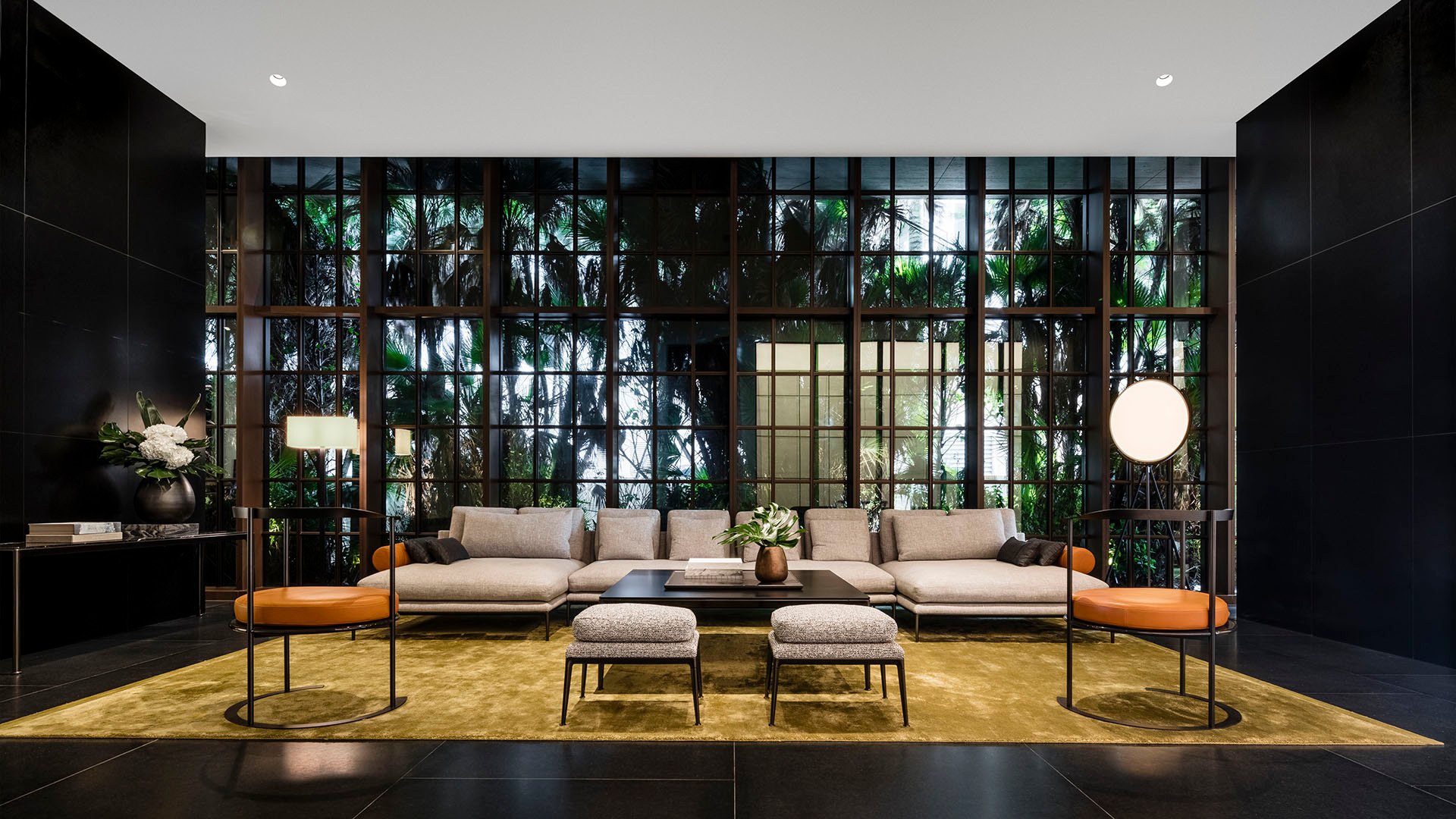
For a Surfside buyer, security is not merely a line item in a condominium budget or a promise made during a sales presentation. It is part of the emotional architecture of daily life. The most sophisticated buildings protect residents without making them feel watched, constrained, or surrounded by hardware. Discreet security is quiet, legible, and calm. Theatrical security announces itself. The better version recedes into choreography.
That distinction matters in Surfside because many buyers are seeking privacy as much as protection. A residence should allow an owner to arrive from dinner, receive guests, work with staff, and step toward the water without passing through an atmosphere that feels like a checkpoint. When comparing The Delmore Surfside, Ocean House Surfside, or any other Surfside address, the question is not simply whether security exists. It is whether security has been designed around how refined households actually live.
The first test is arrival. A buyer should study how vehicles, pedestrians, residents, staff, and guests enter the property. The best arrival experience is intuitive. It should not require excessive signage, awkward stopping points, or visible tension between hospitality and control.
Walk the sequence as if you already lived there. Where would a rideshare pause? How would a houseguest be received? What happens if two vehicles arrive at once? Is there a clear distinction between resident arrival and service activity? Does the experience feel composed at night as well as during the day? A discreet system should anticipate those moments without asking residents to manage them.
This is where Oceanfront and Waterfront living require particular attention. The more desirable the setting, the more important it becomes to understand how access is filtered without compromising the grace of arrival. Security that is overly visible may feel reassuring for five minutes and oppressive after five years.
Cameras, fobs, access systems, and controlled elevators can be useful, but they are not substitutes for judgment. In luxury residential life, people are often the strongest layer of security. A well-trained front desk, valet, concierge, or property team can distinguish between hospitality and exposure in ways that hardware cannot.
Buyers should ask practical questions. How are guests confirmed? How are recurring visitors handled? How are vendors identified? What is the protocol when an unfamiliar person accompanies a known resident? How does the team manage discretion when a high-profile owner, family office representative, or household employee is involved?
The answers should be specific without sounding improvised. Avoid being impressed by vague assurances. A polished building does not need to reveal sensitive operational detail, but it should be able to describe the resident experience clearly. If the explanation depends on personality rather than protocol, the system may be less durable than it appears.
Discreet security is layered. It begins before a resident reaches the lobby and continues through elevators, corridors, service areas, package handling, garages, terraces, and residential thresholds. Each layer should reduce friction while also reducing exposure.
When touring a Boutique building or a larger luxury property, ask how many moments of access occur between the street and the residence. Consider whether the elevator experience feels private. Consider whether service routes are logically separated. Consider whether delivery and maintenance activity can be handled without turning the lobby into an operational zone.
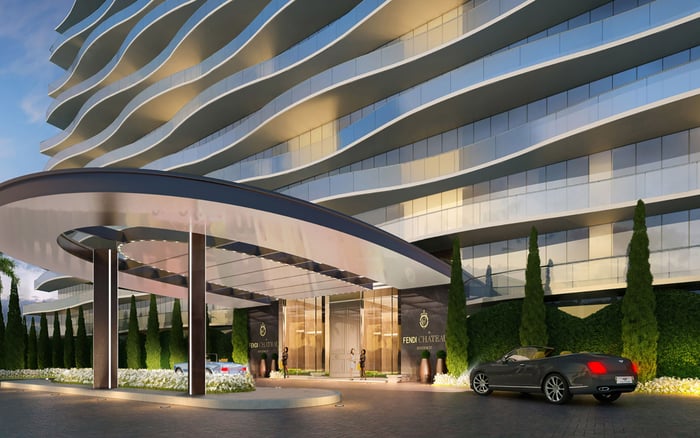
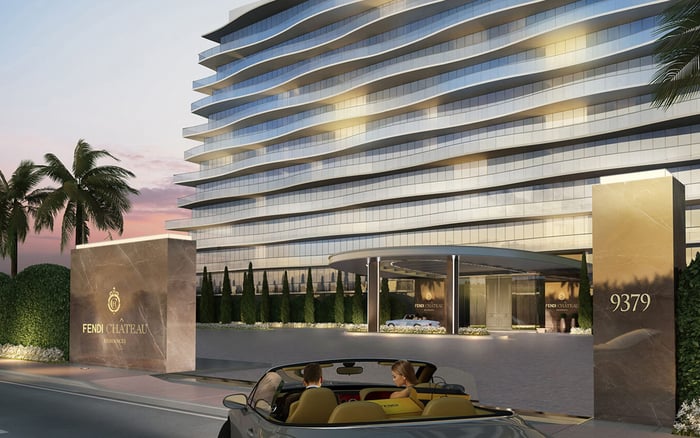
At buildings such as Arte Surfside and Fendi Château Residences Surfside, buyers should use the tour to observe flow rather than simply admire finish. Stand back and watch how the building works. Refined security is often found in transitions, not declarations.
Privacy and security are often discussed separately, but in a high-value residential purchase they are deeply connected. The more visible a household becomes, the more complicated its security posture can feel. A buyer should consider how much information the building environment reveals about residents, guests, routines, vehicles, deliveries, and staff.
A discreet residence limits unnecessary visibility. It avoids social bottlenecks where residents must linger. It gives guests a clear path without turning their arrival into a public event. It allows household staff and service providers to function professionally while preserving the owner's sense of sanctuary.
Ask whether common spaces invite comfortable use without making residents feel displayed. Ask whether the building culture values discretion. Security is not only about preventing intrusion. It is also about reducing the number of moments in which private life becomes observable.
Buyers often tour during ideal conditions, yet security is most meaningful during ordinary, imperfect moments. Before purchasing in Surfside, imagine a series of daily scenarios and ask how the property would handle each one.
A family member arrives without calling ahead. A vendor comes early. A package needs to be held securely. A resident returns late. A guest forgets identification. A driver uses the wrong entrance. A household employee needs recurring access. None of these situations should produce confusion, embarrassment, or unnecessary exposure.
This is also a useful way to compare the tone of different Surfside addresses, including The Surf Club Four Seasons Surfside. The most desirable answer is not always the most elaborate one. It is the answer that feels calm, practiced, and compatible with the way the owner intends to live.
A buyer does not need sensitive security manuals, but documentation matters. There should be a clear understanding of access rules, guest registration, vendor procedures, move-in and move-out controls, key or credential replacement, package handling, emergency communication, and after-hours staffing.
The goal is not to interrogate the building. It is to determine whether security has institutional depth. Buildings change managers. Staff members rotate. Residents come and go. A system that depends only on familiar faces can weaken over time. A system supported by thoughtful procedures can remain elegant even as personnel change.
Documentation also reveals culture. If the rules are written with clarity and discretion, they usually reflect a building that understands its audience. If the rules feel reactive or inconsistent, buyers should proceed carefully.
The right level of security is personal. Some buyers want maximum privacy because they travel frequently. Others care most about family, staff coordination, or the ability to host guests without friction. The key is alignment. Security should support the household's rhythm, not interrupt it.
A theatrical building can feel impressive during a showing. A discreet building feels better on a Tuesday morning. It allows residents to live naturally, protected by design, staffing, and habit rather than performance. In Surfside, where the residential proposition is often tied to serenity, that difference is central to value.
Before signing, return to the building at a different hour if possible. Watch the entrance. Observe the staff tone. Notice whether residents appear relaxed. The best security does not ask for attention. It earns trust quietly.
What does discreet security mean in a Surfside residence? It means protection is integrated into staffing, access, design, and procedure without creating a visible fortress atmosphere.
Is more visible security always better? Not necessarily. Highly visible measures can feel reassuring, but they may also compromise the calm and privacy many luxury buyers value.
What should I examine first during a tour? Start with the arrival sequence, including vehicle access, guest entry, lobby flow, and how service activity is handled.
How should buyers judge staff quality? Listen for clear, consistent answers about guests, vendors, deliveries, and after-hours situations rather than vague promises.
Why are elevators important to security? Elevator control can affect privacy, guest movement, service access, and the overall feeling of residential separation.
Should I ask about vendor protocols? Yes. Vendor access is one of the most practical ways to understand how a building balances convenience and control.
How does privacy relate to security? Privacy reduces unnecessary exposure of routines, guests, vehicles, and household operations, which can strengthen day-to-day security.
What is a red flag during a showing? Confusing arrival flow, inconsistent staff answers, or procedures that seem dependent on individual personalities should prompt more diligence.
Can a smaller building be secure? Yes. A smaller or Boutique property can feel very controlled if its staffing, access points, and resident protocols are well coordinated.
What should I request before purchasing? Ask for the building's resident-facing rules on access, guests, vendors, packages, credentials, emergencies, and after-hours procedures.
For a tailored shortlist and next-step guidance, connect with MILLION.
If branded residences are on your mind — as a home or as an allocation — we would be glad to share what we are seeing, privately.
Begin a quiet conversation