A practical MILLION guide for luxury buyers evaluating circadian lighting claims in South Florida sales galleries, private previews, and design presentations.
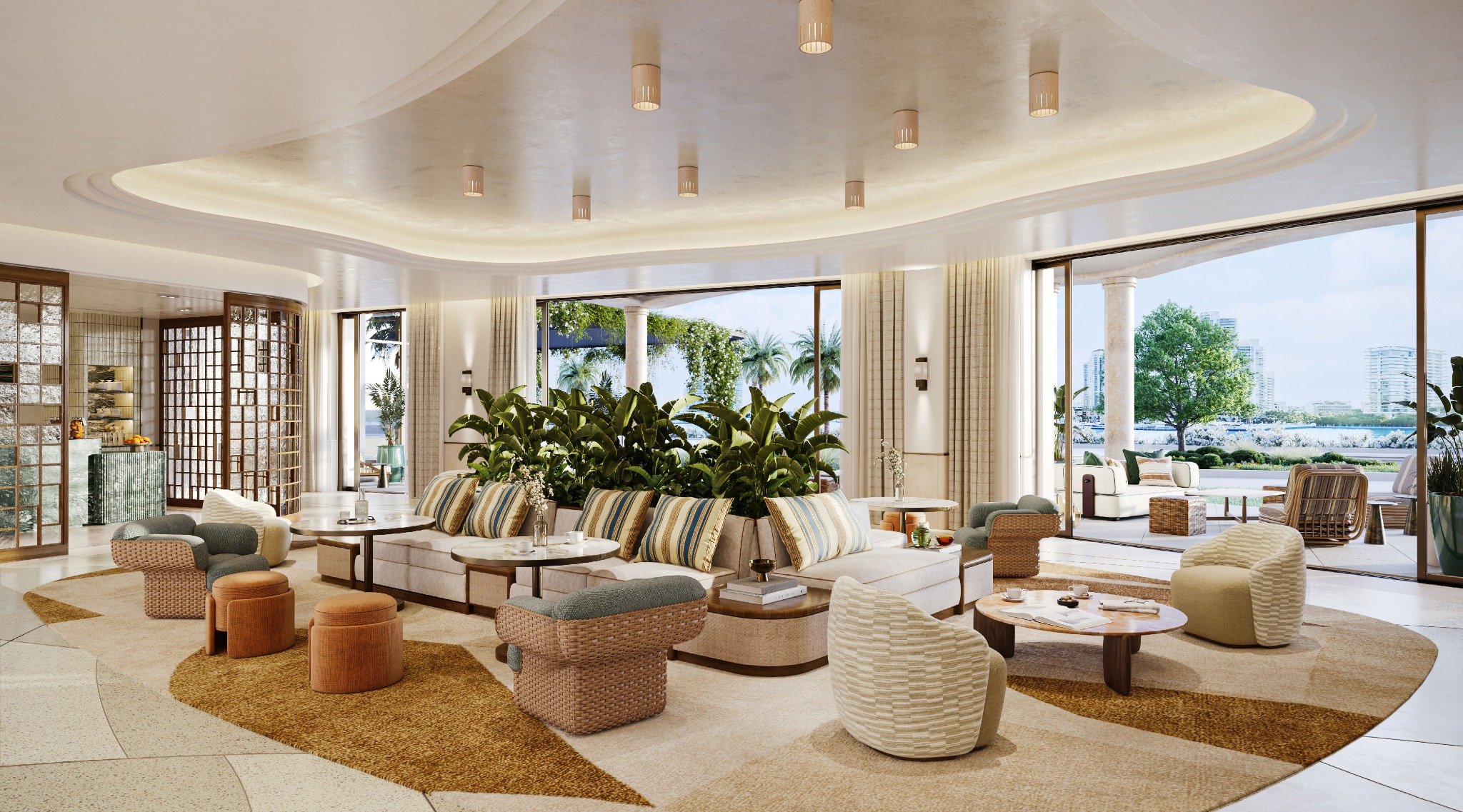
Circadian lighting has become one of the more elegant phrases in luxury residential presentation. It suggests wellness, precision, hospitality, and a quieter relationship between architecture and the body. In a South Florida sales gallery, however, the phrase can feel more complete than the eventual residence. The serious buyer’s task is not to dismiss the idea. It is to separate an integrated lighting strategy from a theatrical demonstration designed to flatter finishes for a single visit.
The most useful question is simple: will this system improve the lived experience of the home after closing, after the first dinner party, after the first service call, and after the first seasonal shift in routine? If the answer depends on a representative explaining a wall of controls, the system may not be ready for ownership. True luxury technology should disappear into habit. It should support mornings, evenings, entertaining, recovery, grooming, cooking, and sleep without asking the owner to become a systems manager.
For buyers comparing Brickell towers, Miami Beach oceanfront residences, Sunny Isles glass architecture, Coconut Grove low-rise design, new-construction offerings, and ultra-modern interiors, circadian lighting deserves the same scrutiny as millwork, glazing, acoustic comfort, and mechanical systems.
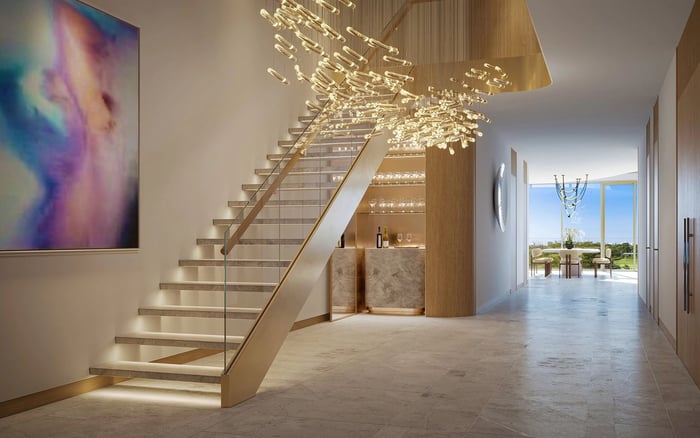
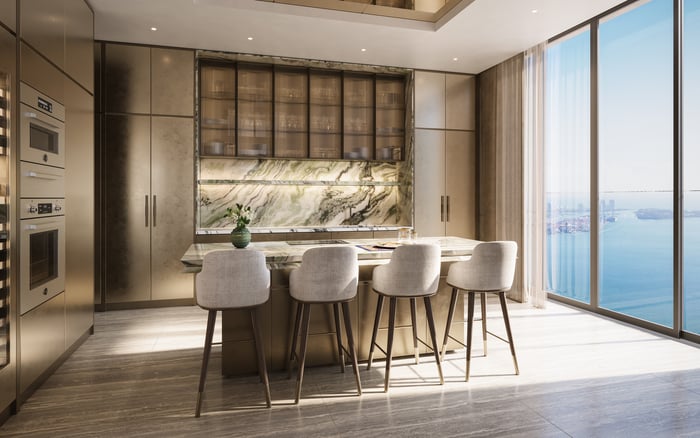
The best lighting experience is not necessarily dramatic. It is legible. A primary bedroom should not feel like a hotel corridor at midnight. A kitchen should not force an owner to choose between surgical brightness and decorative gloom. A bath should support grooming without turning every reflective surface into glare. Living areas should transition from practical daytime use to evening hospitality without relying on a single dimmer and hope.
Useful circadian lighting is usually a combination of placement, color quality, dimming behavior, scene programming, and control logic. The key is integration. A ceiling filled with expensive fixtures does not automatically create comfort. Nor does a touchscreen with poetic scene names. Buyers should look for evidence that the lighting plan was designed around rooms, routines, and surfaces, not merely around a technology label.
One strong sign is restraint. If the system’s value is obvious only when every cove glows, every pendant sparkles, and every panel changes tone on command, the demonstration may be overselling the concept. In the finished residence, the most valuable scenes are often the quietest ones: waking, returning home, cooking, reading, dressing, dining, late-night circulation, and departure.
Sales galleries are controlled environments. They are designed to compress imagination, aspiration, and decision-making into a polished experience. Lighting plays a central role. Stone, lacquer, metal, glass, and textile can all look more dimensional when illuminated for presentation rather than daily life.
This does not make the gallery misleading by default. It simply means buyers should understand the difference between mood and performance. A glowing model kitchen may not reveal how task lighting behaves when someone is preparing breakfast. A primary bath may look serene in a presentation scene but feel insufficient for shaving, cosmetics, or detailed grooming. A bedroom scene may appear warm and cinematic while offering little clarity about nighttime navigation or early-morning use.
The critical distinction is transferability. Ask whether the same fixture types, control interfaces, dimming ranges, and scene logic are included in the residence being considered. If the gallery uses enhanced lighting, temporary programming, or specially tuned display conditions, the buyer should know before assigning value to the feature.
A buyer does not need to become a lighting engineer to evaluate circadian claims. The right questions are practical. Which rooms receive the full system? Are all residences configured the same way, or do specifications change by line, floor, package, or customization level? What scenes are delivered at handover? Who programs them? Can the owner revise them without compromising the system? What happens if a fixture, driver, keypad, or control processor fails?
Ask for a room-by-room explanation rather than a brochure phrase. The primary suite, kitchen, living room, baths, closets, corridors, and terraces should each have a distinct logic. If the explanation remains abstract, the feature may be more brand language than design substance.
Documentation matters. A serious system should be described in a way that an owner, designer, property manager, or future service provider can understand. The buyer should know what is standard, what is optional, what is upgradeable, and what remains dependent on proprietary support. In ultra-premium real estate, the most elegant technology is not only beautiful on day one. It is maintainable.
Whenever possible, evaluate a real room condition rather than only a rendered promise. A mockup reveals what words cannot. It shows how light lands on stone, wood, fabric, mirrors, art walls, and skin tones. It also exposes the weak points: glare at the dining table, shadow at the vanity, uneven cove lines, overlit corridors, underlit closets, and controls placed where no one would naturally reach.
A disciplined buyer should request a demonstration of ordinary scenes, not only signature scenes. Morning. Meal preparation. Evening entertaining. Reading. Night path. All off. If the system cannot move gracefully through these basics, the wellness language is secondary.
Controls deserve special attention. A luxury residence should not require a guest to decode a tablet. Keypads should be intuitive. Scene names should be clear. Manual override should be simple. The owner should be able to live beautifully without thinking about the system at all.
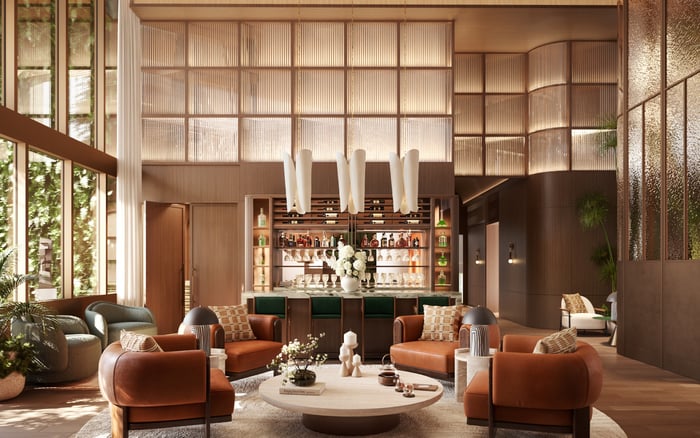
The most meaningful applications are found in rooms that carry repeated daily rituals. The primary bedroom is central because transitions matter: waking, dressing, resting, and sleeping should not all be served by the same lighting temperature or intensity. Baths are equally important because they require both softness and accuracy. Kitchens need task clarity without harshness. Living and dining areas need flexible hospitality, particularly in homes where entertaining shifts from daylight to late evening.
Terraces and indoor-outdoor rooms require caution. South Florida residences often rely on views, water, skyline, and vegetation as part of the living experience. Lighting that competes with the exterior environment can undermine the architecture. Exterior-adjacent scenes should protect reflection, privacy, and atmosphere, especially at night.
Art walls and collectible interiors also require a separate conversation. A circadian story should not override conservation, color rendering, glare control, or the owner’s curatorial preferences. In the best homes, wellness lighting and art lighting are coordinated, not forced into a single narrative.
The final test is ownership. Does the system make daily life easier, calmer, and more refined? Can it be serviced without drama? Can scenes be adjusted as furniture, art, and routines evolve? Is the experience consistent from room to room? Does it still feel luxurious when used by a guest, a housekeeper, a family member, or a property manager?
A genuine circadian lighting strategy should feel like part of the architecture. Sales-gallery theater, by contrast, often depends on novelty. It asks the buyer to remember the performance. Useful technology asks the owner to forget the machinery and enjoy the room.
For South Florida’s luxury buyer, the goal is not to chase the most complex system. It is to choose residences where lighting supports privacy, ease, beauty, and long-term livability. That is where the value lies.
What is the simplest way to evaluate a circadian lighting claim? Ask how the system works room by room in daily use, not how it performs during a presentation scene.
Should I rely on the sales gallery demonstration? Use it as an introduction only. The important question is whether the same experience transfers to the actual residence.
Which rooms matter most for this technology? The primary bedroom, bath, kitchen, living area, and circulation paths usually deserve the closest attention.
Are more scenes always better? No. A few intuitive, well-programmed scenes can be more luxurious than many confusing options.
What should I ask about controls? Ask whether keypads, apps, and manual overrides are simple enough for owners and guests to use without instruction.
Can lighting affect how finishes appear? Yes. Buyers should view stone, wood, fabric, metal, and mirrors under practical scenes, not only presentation lighting.
Is circadian lighting mainly a wellness feature? It can support a wellness-oriented lifestyle, but it should also function as strong architectural lighting.
What is a warning sign in a presentation? Be cautious when the explanation depends on vague language rather than specific rooms, fixtures, controls, and service details.
Should serviceability influence my decision? Absolutely. Luxury technology should be maintainable, adjustable, and understandable after the residence is delivered.
What is the ultimate standard for a buyer? The system should make the residence feel calmer, more usable, and more refined without demanding constant attention.
To compare the best-fit options with clarity, connect with MILLION.
If branded residences are on your mind — as a home or as an allocation — we would be glad to share what we are seeing, privately.
Begin a quiet conversation