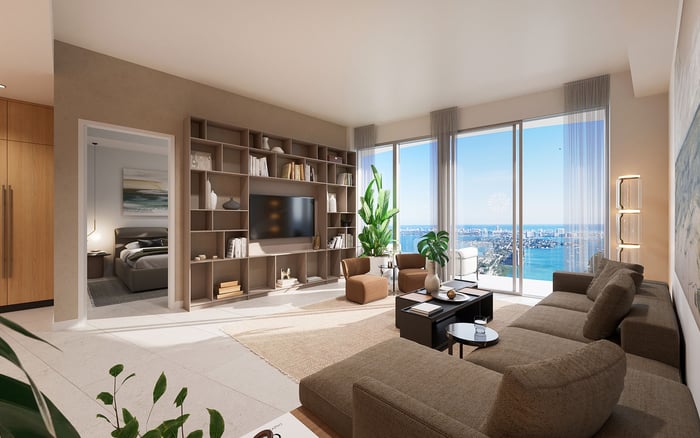
A discreet, buyer-focused guide for Californians evaluating $3M-plus condominium opportunities across South Florida, from lifestyle fit and building diligence to taxes, insurance, association health, and negotiation posture.
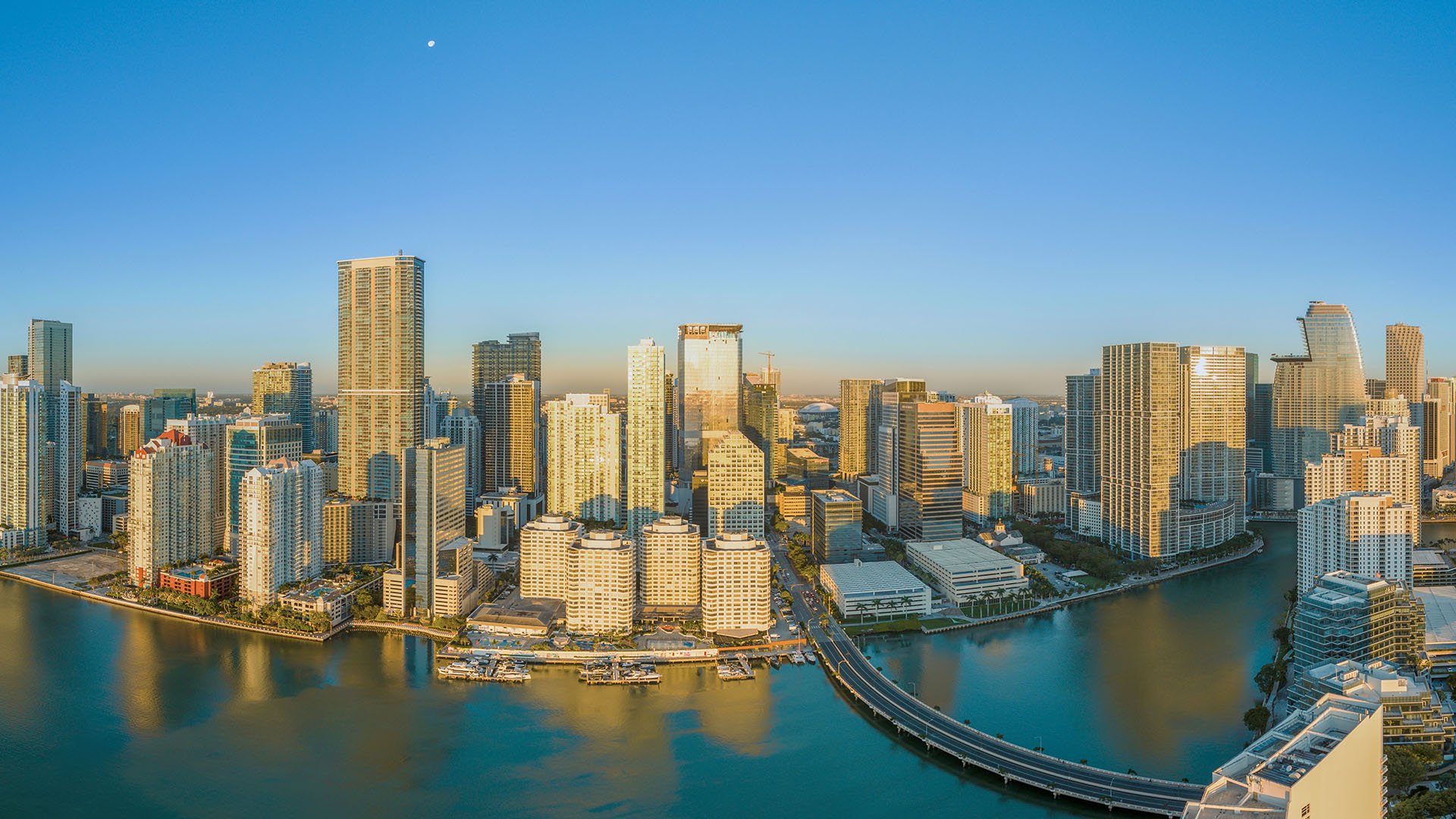
For California buyers, South Florida can feel both familiar and entirely new. The architecture is international, the water shapes daily life, and the best buildings compete on privacy, service, design, and access rather than square footage alone. Yet the purchase process, building culture, insurance questions, and association documents require a different lens than a coastal California acquisition.
At $3M and above, the buyer is not merely choosing a residence. The decision is about how the building lives over time. A condominium can serve as a seasonal retreat, a tax-aware relocation anchor, a family gathering place, or a highly serviced alternative to a single-family home. The right choice begins by defining the role the property must play before touring the most photogenic penthouse terrace.
South Florida is not one luxury market. It is a sequence of distinct residential worlds. Brickell offers vertical energy, dining, and a more urban rhythm. Miami Beach carries a resort sensibility, with a premium on proximity to sand, culture, and private amenities. Sunny Isles appeals to buyers who want high-rise living with dramatic water exposure. Palm Beach attracts a more established, discreet buyer who prizes calm, legacy, and a refined daily pattern.
A California buyer should compare the rhythm of each area before comparing buildings. Ask where you will land after a cross-country flight, where guests will stay, how often you will use the beach or marina, and whether your ideal evening is a private dinner upstairs or a short ride to a restaurant district. The best $3M-plus condominium is rarely the one with the longest amenity list. It is the one whose location, staff culture, and building rules match your actual life.
At this level, buyers should expect a serious standard of design, privacy, and service, but expectations still require discipline. A premium view, a larger terrace, a newer building, a branded hospitality platform, a private elevator entry, and stronger parking arrangements can each change the value conversation. They do not always appear together.
The more useful question is not whether a residence is impressive. It is whether the premium is attached to something durable. Water orientation, floor height, line quality, ceiling proportion, terrace usability, building reputation, and long-term maintenance culture often matter more than a fashionable finish package. New construction can be compelling, especially for buyers who prefer contemporary planning and minimal immediate renovation, but the review should still focus on delivery standards, association structure, and the total carrying-cost profile.
California buyers accustomed to reviewing disclosures should bring the same seriousness to South Florida condominium documents, with particular attention to building-specific obligations. The association budget, reserve posture, insurance information, rules, rental limitations, pet policies, renovation procedures, and meeting history all help reveal how a building is governed.
At the top of the market, the issue is not only whether a buyer can afford the monthly expense. It is whether the building is managed with the professionalism required to protect the living experience. A glamorous lobby does not substitute for clear financial governance. Before waiving contingencies or pushing for speed, a buyer should understand whether the association culture is conservative, reactive, service-oriented, or in transition.
South Florida buyers should treat insurance and storm preparedness as core diligence, not peripheral paperwork. For a condominium, the building’s master insurance, owner coverage, deductibles, and maintenance practices should be reviewed with qualified advisers. A residence with dazzling glass and oceanfront exposure may still be a sound choice, but the buyer needs to understand the building’s systems, procedures, and cost structure.
This is where local expertise matters. A California buyer may be familiar with seismic concerns, wildfire zones, or hillside risk. In South Florida, the questions shift toward wind, water, elevation, mechanical systems, generator planning, windows, doors, and association readiness. The goal is not to avoid the coast. It is to buy with a complete view of the asset.
A $3M-plus condominium decision should be modeled before the emotional favorite emerges. Property taxes, association dues, insurance, assessments, utilities, club or amenity costs, valet or parking charges, and future capital needs all belong in one ownership picture. The purchase price is only the opening line.
California buyers often focus on the headline difference between the two states, but the more practical exercise is property-specific. Two residences with similar asking prices can produce very different ownership experiences depending on building services, association reserves, insurance profile, and anticipated capital projects. The sharper buyer asks for the full annualized cost before negotiating, not after.
Even when the plan is long-term ownership, resale logic should guide the purchase. The most liquid luxury condos tend to have a clear identity: exceptional view, scarce location, strong building reputation, efficient plan, high service standard, and a buyer pool that understands the value proposition. Highly personalized interiors, awkward layouts, limited parking, or restrictive rules can narrow the future audience.
For Californians choosing between a pied-à-terre, a full relocation residence, or a family base, optionality matters. A flexible floor plan, usable guest accommodations, practical storage, and a building that appeals to both seasonal and primary residents can preserve value. The right residence should satisfy the present lifestyle while remaining legible to the next sophisticated buyer.
South Florida luxury negotiations are often shaped by building nuance. Recent trades in the same tower, the seller’s motivation, pending assessments, the condition of the unit, the parking allocation, and the competitive set all influence the offer. A sweeping discount strategy rarely works in trophy inventory, but an informed position can.
Buyers should avoid treating every listing as interchangeable inventory. A rare line in a respected building can require decisiveness. A less differentiated residence may justify patience and sharper terms. The strongest offer is not always the highest one. It is the one supported by clean timing, careful contingencies, credible representation, and a clear understanding of the building’s real standing.
A productive search should be curated, not exhaustive. Begin with a short list of neighborhoods, then compare buildings by governance, staff culture, privacy, amenities, arrival sequence, and residence quality. Return to the best contenders at different times of day. Listen for elevator traffic, observe valet flow, study the light, and ask how the building feels when it is fully occupied.
California buyers should also decide early whether they are buying furnished, renovating, or seeking turnkey readiness. In South Florida, design taste varies widely, and a beautiful view can be paired with interiors that need substantial revision. A realistic renovation plan should include association approvals, contractor access, elevator rules, seasonal timing, and the owner’s tolerance for delay.
Should a California buyer rent first before buying in South Florida? Renting can help clarify neighborhood rhythm, but scarce luxury inventory may not wait. Serious buyers often tour across several areas before deciding whether to act.
Is Brickell better for a primary residence or a second home? Brickell can work for either, especially for buyers who want an urban lifestyle. The building’s privacy, parking, and service model should drive the decision.
What matters most in a Miami Beach condo purchase? Location, building condition, view quality, association rules, and daily convenience all matter. Beach proximity alone is not enough.
How should I evaluate Sunny Isles towers? Compare view corridors, building services, elevator experience, parking, and association documents. The best fit depends on privacy and lifestyle preferences.
Is Palm Beach a different buyer profile? Palm Beach often appeals to buyers seeking discretion, calm, and a more traditional luxury rhythm. It should be evaluated on lifestyle compatibility.
Is new construction always the safer choice? Not necessarily. New construction may offer modern systems and design, but buyers should still review contracts, budgets, delivery standards, and governance.
How important is oceanfront exposure? Oceanfront exposure can be a defining luxury feature. It should be weighed with insurance, maintenance, privacy, and long-term cost considerations.
What documents should I review before committing? Review the association budget, reserves, insurance materials, rules, meeting minutes, rental policies, and any disclosed assessment information with advisers.
Should I prioritize view or floor plan? Both matter, but a compromised floor plan can limit daily enjoyment. The best residences balance view, proportion, privacy, and function.
What is the best way to shortlist comparable options for touring? Start with location fit, delivery status, and daily lifestyle priorities, then compare stacks and elevations to validate views and privacy.
When you're ready to tour or underwrite the options, connect with MILLION.
If branded residences are on your mind — as a home or as an allocation — we would be glad to share what we are seeing, privately.
Begin a quiet conversation