A discreet buyer’s guide to interpreting spa booking rules as a signal of privacy, service culture, resident priority, and long-term livability in luxury residential buildings.
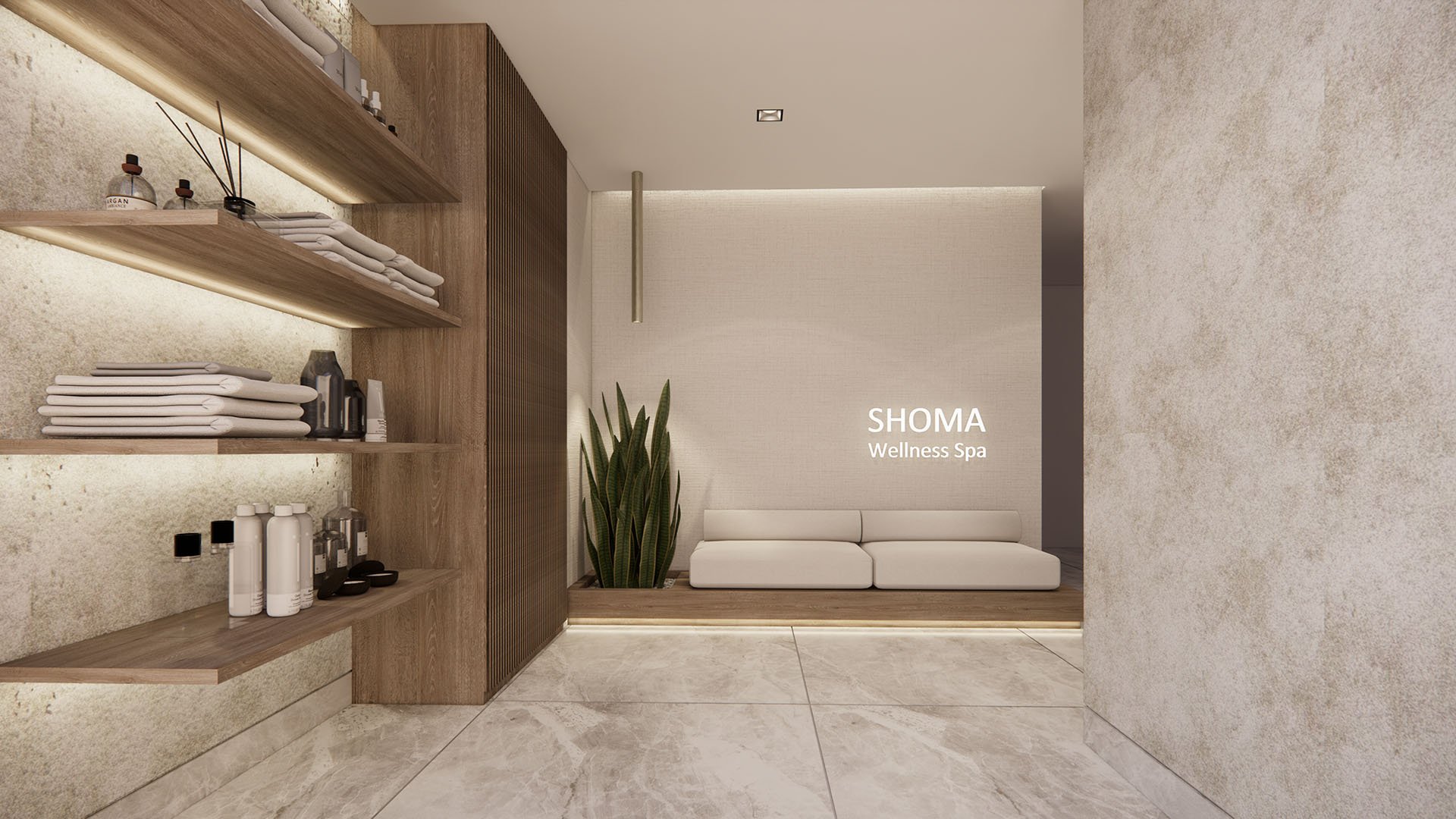
A tourist reads spa booking rules to find an available massage. A luxury buyer reads them to understand the building.
In South Florida’s upper tier, the spa is no longer a decorative amenity tucked beneath a pool deck. It is often a daily-use wellness environment, a social filter, a privacy test, and a management signal. The written rules around reservations, cancellations, guest access, therapist availability, lockers, treatment rooms, and peak-hour priority reveal how carefully a residence protects its most valuable asset: the resident’s time.
For a buyer comparing Miami Beach, Brickell, Sunny Isles, Surfside, Bal Harbour, and Palm Beach, the question is not simply whether a building has a spa. The more refined question is whether the spa is governed like a private club, a hotel amenity, or a lightly supervised common area. Each model carries different implications for privacy, convenience, and long-term satisfaction.
The strongest spa programs tend to feel effortless because their rules are precise. They make desirable behavior obvious, reduce friction between residents, and prevent the space from being overtaken by casual use. In luxury real estate, soft services depend on hard rules.
The first line to study is not the treatment menu. It is the priority structure.
Who may book first? Are residents given preference over guests? Can owners reserve farther in advance than renters or visitors? Are peak windows protected for residents, or are they available on equal terms to everyone with access to the building? A buyer should read these rules as a hierarchy of value.
If the residence presents itself as private and residential, resident priority should be clear. If access appears broad, flexible, or heavily guest-oriented, that may be intentional, but it changes the atmosphere. A spa that is easy for everyone to use can be less dependable for the person who owns there full time.
Luxury buyers should also note whether rules distinguish between owner use and guest use with tact. The best policies do not feel punitive; they feel protective. They allow hospitality without turning the building into a resort lobby.
Reservation windows are small details with large consequences. A spa that allows bookings too far in advance can become difficult to access for spontaneous residents. A spa that opens too late can frustrate planners, especially seasonal owners who organize visits around wellness, dining, business, and family schedules.
The ideal system depends on the building’s size, resident profile, and service depth, but the buyer’s lens should remain consistent: does the rule create fairness without making the experience feel bureaucratic?
Look for clarity around same-day appointments, recurring reservations, and peak-hour limits. If repeat weekly bookings are allowed without restraint, a small group of residents may quietly control the best times. If recurring bookings are prohibited entirely, the policy may fail to accommodate residents who treat wellness as part of their routine rather than an occasional indulgence.
A thoughtful spa policy balances both: dependable access for regular users and enough circulation for the broader community.
Cancellation windows are often dismissed as administrative. They should not be. In a luxury residential setting, cancellation rules protect therapist scheduling, resident fairness, and the seriousness of the service culture.
A lenient cancellation policy may sound appealing until prime appointments disappear into speculative bookings. A strict policy may sound severe until it becomes clear that it keeps the calendar honest. The question is whether the policy feels aligned with the level of service promised.
Buyers should ask how no-shows are handled, whether repeated cancellations affect future booking privileges, and whether cancellation fees apply differently to residents and guests. None of these details is merely financial. They indicate whether management is willing to enforce standards discreetly.
In a well-run building, enforcement is rarely dramatic. It is quiet, consistent, and understood.
Guest privileges are where spa rules become especially revealing.
A residence can be generous with hospitality and still protect resident privacy. The difference lies in limits. How many guests may accompany a resident? Must the resident be present? Can guests book independently? Are houseguests treated differently from day guests? Are treatment areas, thermal suites, lounges, and locker rooms governed by separate rules?
These distinctions matter. A guest policy that is too broad can shift the tone of a spa from private sanctuary to rotating amenity. A policy that is too restrictive can make the home feel inhospitable. The best rules create a gracious middle ground: residents may host, but the resident community remains the center of gravity.
For buyers who entertain frequently, this is not a minor point. Spa access can become part of the home’s hospitality language, particularly for visiting family, long weekends, and winter stays. The key is to ensure that generosity does not compromise the calm that made the building desirable in the first place.
A luxury spa should not require a resident to over-explain. The rules should show how privacy is preserved before a problem occurs.
Look for policies around arrival timing, changing areas, mobile phone use, photography, noise, treatment-room transitions, and post-treatment lounge use. These may seem ordinary, but they define the emotional temperature of the space. A spa with weak etiquette rules asks residents to police one another. A spa with well-written etiquette rules lets the environment police itself.
Discretion also appears in staffing protocol. Buyers should understand how appointments are confirmed, how preferences are recorded, and whether personal information is handled with appropriate care. Even without excessive detail, the tone of the rules should communicate restraint.
In the luxury tier, privacy is not only about who enters. It is about how little attention a resident must draw while using the space.
Some buildings present the spa as a complete wellness environment. Others offer treatment rooms and adjacent amenities. Both can be excellent if the rules match the promise.
If the spa is positioned as a daily ritual space, buyers should look for rules that support repeated use: sensible booking cadence, clean transitions, well-managed quiet zones, and enough structure to avoid crowding. If the spa is more occasional, the rules may focus on appointment-based services and guest etiquette.
The mismatch is what matters. A building that markets serenity but allows ambiguous access may disappoint. A building that emphasizes privacy but permits broad guest use may create tension. A building that promotes wellness but offers limited scheduling clarity may rely too much on presentation and too little on operation.
A polished brochure can make a spa look serene. The booking policy tells you whether it can stay that way at 10 a.m. on a high-demand Saturday.
A serious buyer should request the spa rules early in the due diligence process, not after closing. The document does not need to be long to be useful. In fact, concise rules can signal confidence when the standards are clear.
Ask who controls the calendar, how exceptions are approved, and whether management has discretion to adjust access during peak periods. Ask whether the spa is reserved for residents only at certain times. Ask whether private events are allowed. Ask how complaints are handled when someone violates etiquette.
It is also worth asking how the rules may change. Amenity policies evolve as buildings mature, resident populations shift, and service expectations become clearer. A buyer should be comfortable not only with the current language but with the governance structure behind it.
The most desirable answer is not always the most permissive one. In luxury residential life, a little restraint can be the very thing that preserves ease.
Spa booking rules are not about massage times. They are about the relationship between ownership and service.
A tourist wants access. A buyer wants assurance: that the building knows who it serves, that privacy will be protected, that peak times will not be casually diluted, and that the wellness experience will remain composed after the novelty fades.
The most compelling rules read as if they were written by someone who understands residents as repeat clients, not occasional visitors. They are clear without being cold, gracious without being loose, and firm without feeling institutional.
That is the mark of a true residential spa: the rules disappear into the experience because they have already done their work.
Why should a buyer study spa booking rules before purchasing? They reveal how the building manages access, privacy, service quality, and resident priority in daily life.
What is the most important spa rule to review first? Start with who receives booking priority, especially during peak hours and seasonal periods.
Are strict cancellation rules a negative sign? Not necessarily. Clear cancellation rules can protect appointment availability and discourage speculative bookings.
Should guests be allowed to use the spa? Guest access can be appropriate when it is limited, supervised, and clearly secondary to resident use.
What does a vague spa policy suggest? It may suggest that management relies on informal judgment, which can lead to inconsistent resident experiences.
How do spa rules affect resale appeal? Well-managed amenities can support a stronger ownership experience, which may matter to future buyers.
Should renters have the same spa access as owners? The answer depends on the building, but buyers should understand the hierarchy before committing.
What etiquette rules matter most in a luxury spa? Rules around noise, phones, photography, arrival timing, and lounge use are especially important.
Can spa policies change after purchase? Yes, amenity rules can evolve, so buyers should understand who has authority to revise them.
What is the ideal spa booking policy? It is clear, discreet, resident-first, and structured enough to preserve calm without feeling restrictive.
If you'd like a private walkthrough and a curated shortlist, connect with MILLION.
If branded residences are on your mind — as a home or as an allocation — we would be glad to share what we are seeing, privately.
Begin a quiet conversation