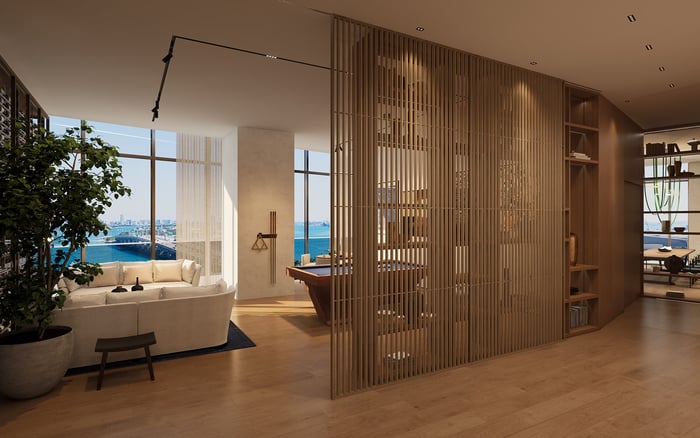
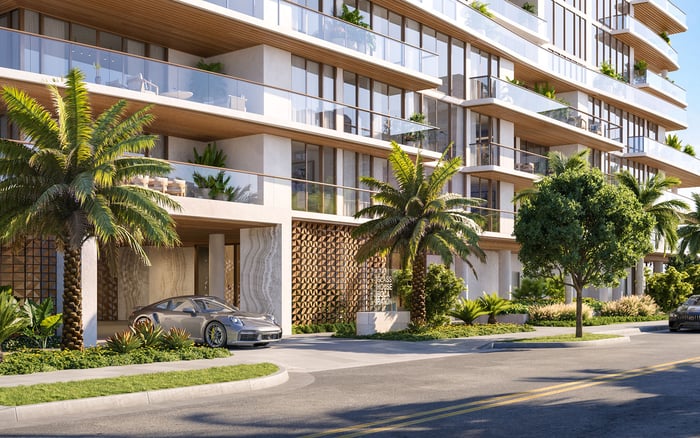
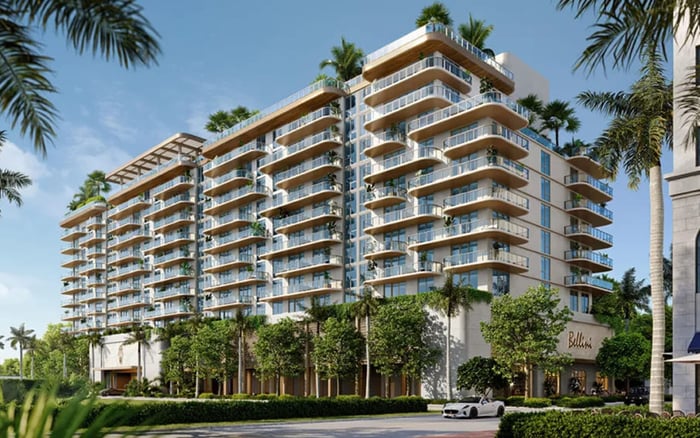
A buyer-oriented comparison of two luxury downtown Boca Raton residential concepts: Glass House Boca Raton’s boutique privacy versus Mr. C Residences Boca Raton’s hospitality-led lifestyle ecosystem.
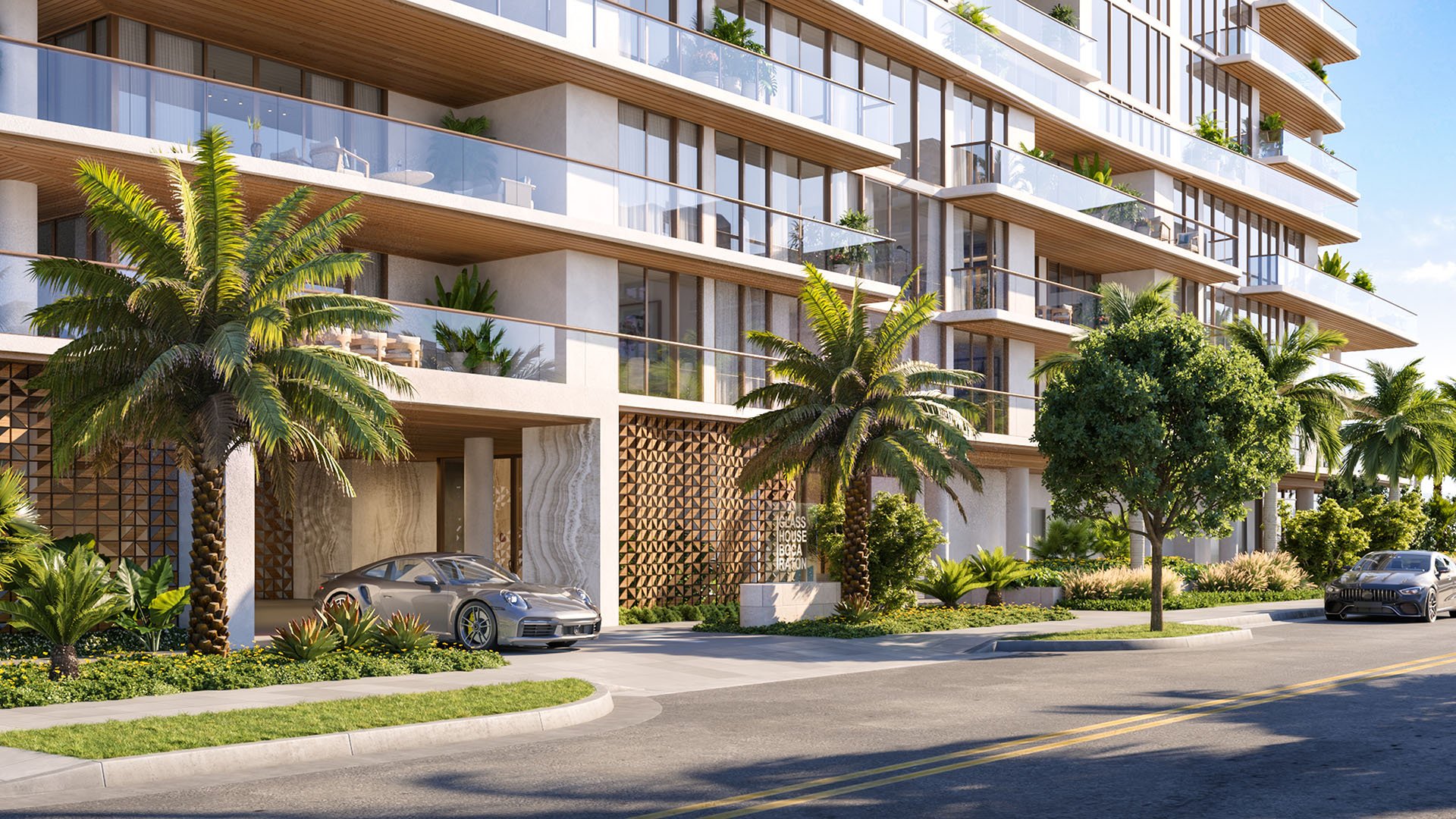
In Downtown Boca-ratón, the comparison between Glass House Boca Raton and Mr. C Residences Boca Raton is not fundamentally about location. Both target the same affluent buyer seeking a polished urban address, everyday walkability, and immediate access to the city’s social core. The sharper distinction is the operating philosophy.
Glass House Boca Raton is best understood as a residential-first proposition. Its appeal rests on privacy, a boutique sensibility, and a more discreet ownership experience. The atmosphere suggested by its positioning is one of fewer moving parts, more personal recognition, and a calmer sense of home.
Mr. C Residences Boca Raton comes from a different tradition. It brings a hospitality-led service culture in which dining, service touchpoints, and branded identity help define the building’s character. The result is a fuller lifestyle ecosystem that feels closer to hotel-grade operations translated into private residential ownership.
For the luxury buyer, that difference matters. It shapes not only daily convenience, but also the emotional tone of the property.
Glass House’s strongest editorial advantage is intimacy. In the luxury market, boutique does not simply mean smaller. It usually means more predictability, more privacy in common spaces, and a sense that the building exists first for residents rather than for a hospitality narrative. For certain owners, especially those seeking a primary residence or a quieter second-home base, that distinction can be decisive.
Mr. C, by contrast, is compelling precisely because it does not present itself as purely residential in mood. It makes service part of the identity. That tends to attract buyers who appreciate a branded environment, want more visible hospitality infrastructure, and see a residence not only as a private retreat but as an extension of a cultivated lifestyle.
This distinction is visible across South Florida. In Boca-ratón, a buyer may also weigh the refined urban tone of Alina Residences Boca Raton or the service-forward positioning of The Residences at Mandarin Oriental Boca Raton. The broader market keeps returning to the same question: is luxury best expressed through serenity and discretion, or through layered service and hospitality fluency?
There is meaningful overlap between the two offerings. Both are framed around concierge, fitness, pool, and wellness-oriented spaces, and both are intended for buyers who expect a polished arrival experience and strong day-to-day support. Neither proposition is casual. Neither sits outside the premium end of the market.
That shared baseline matters because it keeps the comparison sophisticated. This is not a choice between amenitized and unamenitized living. It is a choice between different interpretations of luxury service.
In practical terms, many buyers will find that either project checks the core boxes: centrality, convenience, wellness, and a high-touch standard of care. The divergence appears after those fundamentals are met. Glass House seems to make that service feel quieter and more residential. Mr. C appears to make it more visible, more branded, and more integrated into a hospitality-led daily rhythm.
Glass House Boca Raton should resonate with buyers who want home to feel distinctly separate from hotel culture. That does not mean the absence of service. It means service that stays in the background.
The ideal owner here is likely someone who values discretion over spectacle. Perhaps they entertain selectively, prioritize privacy in shared spaces, and prefer a building culture that feels intimate rather than socially programmed. For this buyer, exclusivity is not measured by how much is happening at the property, but by how controlled and refined the environment feels.
This is often the preference of those already deeply familiar with South Florida luxury inventory. They may admire the hospitality energy behind Cipriani Residences Brickell, yet ultimately choose a quieter ownership profile for Boca-ratón. In that context, Glass House’s appeal lies in restraint.
Mr. C Residences Boca Raton is likely to appeal to buyers who enjoy a more immersive lifestyle offering. The defining advantage here is not merely service, but the breadth and texture of that service. Its branding centers on hospitality, dining, and a European-inflected approach to residential living.
For some owners, this creates a more complete ecosystem. They may want their building to feel animated by service culture, offer a stronger food-and-beverage layer, and deliver a hospitality experience that extends beyond standard concierge support. That buyer often values consistency of brand language, the reassurance of an established service identity, and the pleasure of living within a more curated operational framework.
In South Florida, this branded-residential instinct also explains interest in Mr. C Residences West Palm Beach, where the draw similarly centers on hospitality-backed living rather than purely boutique residential quietude.
The most useful question is simple: how much hospitality do you want in your residence?
If the answer is selective, discreet, and residentially scaled, Glass House Boca Raton may feel more aligned. If the answer is layered, branded, and experiential, Mr. C Residences Boca Raton may be the stronger fit.
That is why this comparison is especially relevant in Downtown. The neighborhood itself already supplies walkability, dining access, and urban convenience. Because the surrounding district offers so much, the building’s internal operating model becomes even more important. Buyers are not choosing between isolated enclaves. They are choosing between two ways of editing daily life within the same urban setting.
In market terms, that makes the decision unusually refined. It is less about whether one building is luxurious and more about which kind of luxury feels most natural to the owner.
For buyers who define luxury through calm, privacy, and a residential-first atmosphere, Glass House Boca Raton offers the cleaner proposition. Its strength is downtown intimacy: a sense that ownership remains personal, discreet, and centered on the home itself.
For buyers who want their residence to carry the cadence of a hospitality brand, Mr. C Residences Boca Raton offers the fuller proposition. Its advantage is the ecosystem: more service expression, more hospitality DNA, and a stronger sense of branded immersion.
Neither stance is inherently superior. Each reflects a different philosophy of high-end living in Boca-ratón. The better choice depends on whether your idea of prestige is quiet and contained, or layered and hotel-like.
Is Glass House Boca Raton more residential in character? Yes. Its positioning is more residential-first, with an emphasis on privacy, personalization, and boutique scale.
Is Mr. C Residences Boca Raton more hospitality-driven? Yes. It is presented as the more hospitality-led option, with stronger brand infrastructure and service touchpoints.
Are both projects in Downtown Boca-ratón? Yes. Both are framed as downtown offerings for luxury buyers who value walkability and city-center access.
Do both buildings offer overlapping luxury amenities? Broadly, yes. Concierge, fitness, pool, and wellness-oriented spaces appear to be part of the shared luxury baseline.
What is the clearest difference in lifestyle? Glass House leans toward intimacy and privacy, while Mr. C leans toward branded immersion and a fuller hospitality ecosystem.
Which project may suit a quieter primary residence? Glass House Boca Raton may be more appealing for buyers who want a home-like environment with service kept discreet.
Which project may suit buyers who enjoy hotel-style living? Mr. C Residences Boca Raton may be the better fit for those who value hospitality culture, dining, and visible service layers.
Is this comparison mostly about location? No. Since both target Downtown buyers, the more meaningful distinction is operating model rather than submarket.
Does branded hospitality always mean less privacy? Not necessarily. It usually means a more active service environment, but privacy expectations can still remain high.
What is the best way to shortlist comparable options for touring? Start with location fit, delivery status, and daily lifestyle priorities, then compare stacks and elevations to validate views and privacy.
When you're ready to tour or underwrite the options, connect with MILLION.
If branded residences are on your mind — as a home or as an allocation — we would be glad to share what we are seeing, privately.
Begin a quiet conversation