A discreet buyer’s guide to evaluating lock-and-leave living in North Bay Village, from building operations and storm readiness to privacy, ownership costs, and resale discipline.

In North Bay Village, a shimmering horizon can do more than impress. It can soften judgment. A buyer steps onto a terrace, sees the water open in two directions, and imagines morning coffee, evening arrivals, and the pleasure of closing the door for weeks at a time without worry. That emotional response is real, and it is part of the value. It should not be the entire underwriting.
A lock-and-leave home is not simply a beautiful residence used occasionally. It is a property that performs when the owner is absent. The right one protects finishes, anticipates weather, manages access, communicates clearly, and keeps ownership effortless without making the owner feel detached from the asset. For a North Bay Village buyer, the question is not whether the view is beautiful. The question is whether the building, the residence, and the operating culture deserve the view.
New-construction buyers often focus on floor plans, ceiling heights, glass lines, and amenity renderings. Resale buyers tend to focus on immediate livability and established service. Both should study the same deeper issue: whether the home can behave like a true second home, with a water view that remains a pleasure rather than a maintenance obligation.
The phrase lock-and-leave sounds simple, but the best version is highly operational. Before falling for a residence, ask how the home is accessed, monitored, serviced, and secured when unoccupied. A sophisticated building should make arrivals and departures feel seamless, yet controlled. That requires clear procedures for guests, household staff, deliveries, maintenance vendors, and emergency entry.
The building’s front-desk culture matters. A polished lobby is not the same as disciplined operations. Buyers should understand how packages are handled, how keys or digital access are controlled, how maintenance requests are logged, and how the association or management team communicates with absent owners. If a residence will sit empty for extended periods, ambiguity is expensive.
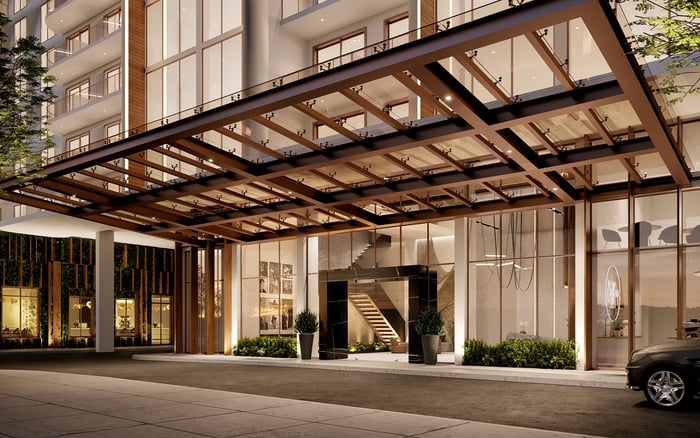
A project such as Continuum Club & Residences North Bay Village naturally invites buyers to think about lifestyle, outlook, and arrival experience. The next step is to test the unglamorous details: elevator reliability, service access, vendor coordination, garage logistics, and whether the building’s protocols are written, consistent, and easy to follow.
A waterfront home asks more of its building than a landlocked pied-à-terre. Glass, balcony systems, doors, mechanical equipment, drainage, waterproofing, and exterior maintenance all shape the ownership experience. A lock-and-leave buyer should look beyond the polished kitchen and ask how the structure manages exposure, humidity, storms, and routine wear.
That does not mean becoming an engineer during a showing. It means assembling the right questions. How are balcony areas maintained? What is the procedure before major weather events? How does management notify owners? What is the plan for securing outdoor furniture? Where are mechanical systems located, and how accessible are they for service? Is there a preferred vendor list for HVAC, plumbing, smart-home systems, window treatments, and terrace care?
The best residences make absence feel normal. The less prepared ones require owners to improvise every time they travel. In luxury real estate, improvisation is rarely elegant.
A view can be priced into the purchase. Weak financial governance often appears later. For any condominium or managed residence, buyers should review budgets, assessments, insurance structure, reserve planning, maintenance history, and association minutes with qualified advisors. The goal is not to avoid cost. Serious buyers understand that premium buildings require premium upkeep. The goal is to identify whether costs are planned, communicated, and aligned with the level of service promised.
A building with strong financial culture feels different. Questions are answered directly. Documents are organized. Capital needs are discussed before they become emergencies. Insurance and reserve conversations are treated as part of ownership, not as irritants. For a lock-and-leave buyer, this matters because the owner may not be local when decisions are made.
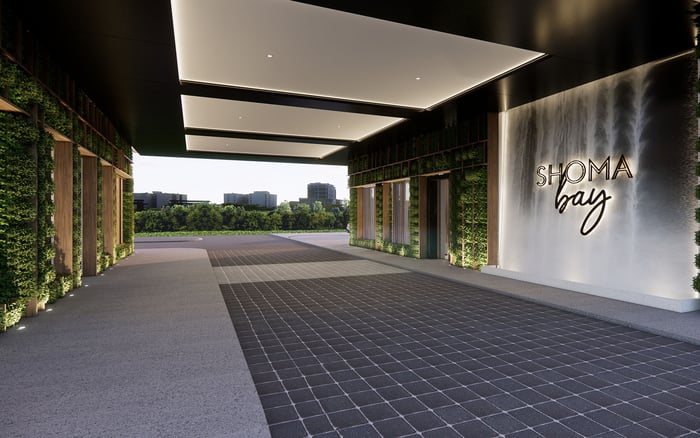
At Shoma Bay North Bay Village, as with any residence positioned for a buyer who values convenience, the lifestyle story should be paired with a careful review of monthly obligations, operating standards, and the rules that shape daily use. The most attractive number on a purchase agreement is only one part of the true cost of ownership.
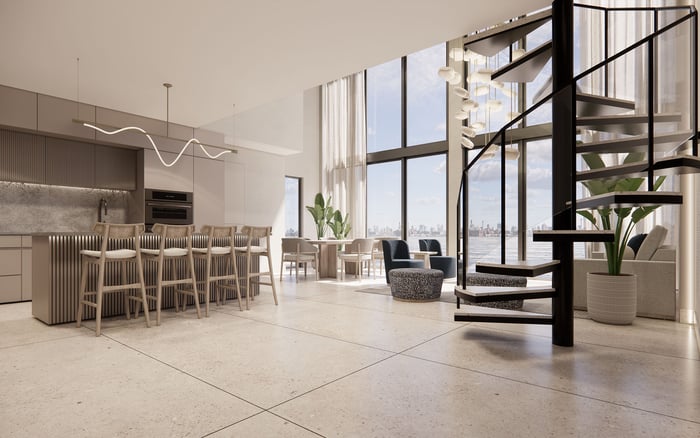
The ideal lock-and-leave residence should protect itself quietly. During due diligence, walk through the home and imagine it closed for a month. Where does sunlight hit at peak hours? Are window treatments automated or easy to manage? How is humidity controlled? Can the air conditioning be monitored remotely? Are leak detectors, shutoff systems, and smart-home controls installed or easily added? How will housekeeping enter, and where will supplies be stored?
Storage is often underestimated. A second-home owner may need space for linens, luggage, seasonal wardrobe, terrace cushions, water gear, owner’s closets, and entertaining pieces. If storage is scarce, the residence can feel less effortless over time. Parking matters in the same way. The best lock-and-leave homes reduce friction at every arrival: the car is easy to access, guests are easy to receive, and daily errands do not require a choreography of favors.
A floor plan should also be judged for privacy. Can family members and guests occupy the home comfortably without every bedroom feeling exposed to the same view corridor? Does the primary suite feel insulated from entertaining areas? Is there a powder room near the living space? The view may sell the first visit. The plan determines whether the home is used often.
Amenities can be seductive, particularly in a market where hospitality language has become part of residential design. For the lock-and-leave buyer, the question is simple: which amenities will make ownership easier when present and safer when absent?
Concierge service, secure receiving areas, fitness facilities, pools, lounges, wellness spaces, dining areas, and marina-adjacent programming can all add value when they are well managed. Yet the most important amenity may be communication. A building that tells owners what is happening, follows up, and solves problems with discretion is more valuable than one with an impressive room that is rarely used.
At Tula Residences North Bay Village, buyers can use the same lens they would apply anywhere in the ultra-premium market: does the amenity package support actual habits, or does it merely photograph well? The answer should reflect how the owner lives, travels, entertains, and delegates.
Lock-and-leave ownership often overlaps with family use, guests, household staff, seasonal stays, and extended absences. Rules matter. Buyers should review leasing policies, guest registration, pet policies, move-in procedures, renovation restrictions, delivery hours, parking rights, storage rights, and terrace-use guidelines before assuming flexibility.
This is where lifestyle and governance meet. A buyer who wants privacy may prefer stricter guest protocols. A buyer who wants broad family access may prioritize convenience. A buyer who may renovate in the future should understand approval requirements before closing. The right building is not necessarily the least restrictive one. It is the one whose rules match the owner’s expectations.
The cleanest way to judge a North Bay Village lock-and-leave home is to temporarily remove the view from the decision. Would the building still make sense? Would the service still feel polished? Would the plan still work? Would the costs still be acceptable? Would you feel comfortable being away for six weeks?
If the answer is yes, the view becomes a reward. If the answer is no, the view may be concealing operational weakness. In the best purchases, beauty and discipline are not in conflict. They reinforce one another.
What defines a true lock-and-leave home in North Bay Village? It is a residence that can remain secure, maintained, and easy to manage while the owner is away, with clear building protocols and reliable service.
Should I prioritize the view or the building operations? Prioritize operations first, then choose the best view within a building that is financially and physically well managed.
What documents should a condo buyer review? Review budgets, reserves, insurance information, rules, association minutes, maintenance history, and any pending or recent assessments with qualified advisors.
Why does storm readiness matter for lock-and-leave ownership? An absent owner needs confidence that the building communicates clearly, secures common areas, and has procedures for weather-related events.
Are amenities important for a second home? Yes, but usefulness matters more than spectacle. Concierge, maintenance coordination, storage, parking, and communication often matter most.
How should I evaluate a terrace or balcony? Ask about maintenance, furniture protocols, drainage, exposure, and how outdoor areas are secured before extended absences.
Does smart-home technology matter? It can be valuable when it supports remote monitoring, climate control, leak detection, access management, and simple vendor coordination.
What is the biggest mistake buyers make? They let the view dominate the decision before testing rules, costs, service standards, and the residence’s ability to function while empty.
Is a newer building always better for lock-and-leave living? Not automatically. Newer buildings may offer modern systems, but buyers should still review operations, governance, and service consistency.
How do I know if the home fits my lifestyle? Imagine arriving, hosting, leaving, and delegating maintenance over a full year. If each step feels simple, the property is closer to true lock-and-leave living.
For a tailored shortlist and next-step guidance, connect with MILLION.
If branded residences are on your mind — as a home or as an allocation — we would be glad to share what we are seeing, privately.
Begin a quiet conversation