A practical guide to judging sky-garden maintenance in a trophy residence, with emphasis on privacy, service access, plant health, and resale strength.

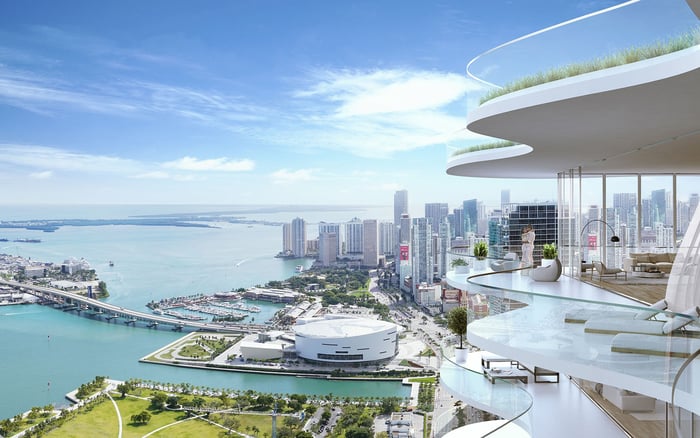
A sky garden can be one of the most seductive features in a trophy residence: a private canopy above the city, a planted outdoor room with water views, and a soft counterpoint to glass, stone, and skyline. Yet its value is not defined by first impression alone. It is defined by how quietly, predictably, and elegantly the space can be maintained over time.
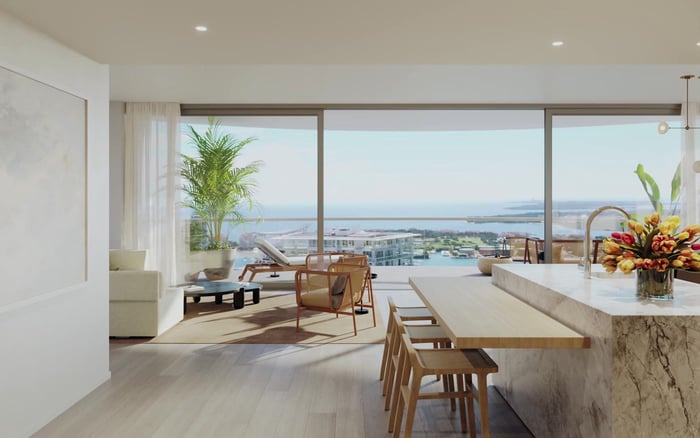
For a Miami Beach trophy residence, especially on high floors, maintenance is inseparable from privacy. A planter that requires frequent intervention, a service path that crosses the main living area, or irrigation equipment that is difficult to access can turn a beautiful terrace into a recurring operational inconvenience. Buyers should evaluate the sky garden not only as landscape design, but as a living system attached to a high-value home.
The most resilient outdoor rooms share a simple trait: they look effortless because the maintenance strategy was considered from the beginning. Access, drainage, wind exposure, replacement planting, pest control, furniture care, and staff movement all need to function without compromising the owner experience.
The first question is not what is planted. It is who needs access, how often, and by which route. In a trophy residence, privacy is often the most valuable amenity, and a poorly planned maintenance routine can quietly erode it.
Ask whether gardeners, irrigation technicians, exterior cleaning crews, or building staff must pass through private interiors. If access requires crossing a primary bedroom, family room, or entertaining area, the sky garden may be less private in practice than it appears in photographs. A more refined plan separates service movement from daily living whenever possible.
Consider sightlines as well. Dense planting can provide screening, but it can also require more trimming, inspection, and replacement. The ideal arrangement shields the residence from neighboring views while remaining simple enough to maintain discreetly. Privacy planting should be evaluated for mature height, density, root behavior, and tolerance for wind and sun.
A balcony or terrace garden should also be assessed at night. Lighting can transform atmosphere, but it can expose activity if fixtures are poorly positioned. Subtle, low-glare illumination is generally preferable to theatrical brightness in a private residence.
Service access should be reviewed with the same seriousness as closet space or elevator arrival. In a large penthouse, the choreography of maintenance matters. The owner should understand where tools are stored, where water is sourced, where debris is removed, and whether workers can perform routine tasks without disrupting household privacy.
A strong maintenance plan answers practical questions. Is there a dedicated hose bib or irrigation control? Are planters reachable without stepping through delicate interior finishes? Can dead plant material be removed cleanly? Is there a place for cushions, storm preparation items, or seasonal furniture covers? These are not minor details. They determine whether the outdoor room remains graceful or becomes burdensome.
Building rules deserve the same attention. Luxury condominium and branded residence environments often have protocols for contractor scheduling, elevator use, insurance, noise, and exterior work. A beautiful sky garden is easier to own when those protocols are clear, consistent, and compatible with the owner’s lifestyle.
The hidden infrastructure of a sky garden is more important than the decorative layer. Drainage should be easy to inspect and maintain. Water should move away efficiently without staining finishes, pooling near thresholds, or creating risk for neighboring areas. Irrigation should be zoned appropriately, with controls that can be serviced without dismantling the landscape.
Wind is a defining condition for elevated gardens. Plants, planters, umbrellas, screens, and furniture should be selected with exposure in mind. A composition that works beautifully at grade may struggle on an upper floor if wind, salt air, or direct sun are not addressed. Heavy containers, secure anchoring, and plant species suited to the environment help preserve both beauty and safety.
Maintenance records matter. A seller who can show consistent care, irrigation tuning, plant replacement history, and terrace upkeep gives the next buyer confidence. The absence of documentation does not mean the garden is flawed, but it shifts more burden onto inspection and negotiation.
Resale value is shaped by how a buyer imagines living with the feature. A sky garden that feels private, fresh, and low-friction can elevate the entire residence. One that appears overgrown, complicated, or dependent on constant attention may become a discount point, even if the square footage is impressive.
The strongest resale presentation is not necessarily the most elaborate planting. It is the most legible: healthy greenery, clean surfaces, functioning drainage, disciplined lighting, and a clear maintenance rhythm. Buyers respond to terraces that feel ready, not theatrical.
For sellers, pre-listing preparation should include pruning, irrigation testing, deep cleaning, furniture review, and removal of tired or inappropriate plant material. For buyers, diligence should include a conversation with the building, a landscape professional, or the property manager about access, rules, and ongoing care expectations.
During a private showing, pause at the threshold before stepping outside. Look for staining, warped decking, mineral deposits, soft surfaces, or standing water. Notice whether doors open smoothly and whether planters are placed in a way that blocks movement. A garden should enhance circulation, not constrict it.
Then stand in the seating area and assess how the space feels without staging. Is it genuinely private? Are neighboring balconies visible? Does the planting screen views without creating a maintenance wall? Can a small team service the space without moving every piece of furniture?
Finally, ask for the unglamorous details. Who maintains the planting? How often? What happens before storms? Who is responsible for irrigation repairs? Are there restrictions on planter weight, exterior lighting, or contractor access? Trophy ownership is most satisfying when the answers are calm and specific.
Why is sky-garden maintenance important in a trophy residence? It affects privacy, service flow, long-term condition, and buyer confidence. A beautiful terrace must also be practical to maintain.
What should I inspect first in a sky garden? Begin with access and privacy. Determine who needs to enter the space, how often, and whether they must pass through private interiors.
Does more planting always create better privacy? Not always. Dense planting can improve screening, but it may also require more trimming, water, replacement, and staff access.
How can maintenance affect resale? Buyers tend to value outdoor spaces that feel private, healthy, and simple to operate. Visible neglect or complexity can weaken perceived value.
What drainage signs should concern a buyer? Standing water, staining, mineral buildup, soft decking, and water near thresholds deserve closer review before purchase.
Should irrigation be professionally reviewed? Yes. Irrigation performance, control access, and zoning can strongly influence plant health and the ease of ongoing maintenance.
Are high-floor gardens harder to maintain? They can be more exposed to wind, sun, and salt air. Proper plant selection, anchoring, and service planning are essential.
What should sellers do before listing a residence with a sky garden? Sellers should prune, clean, test irrigation, refresh tired planting, and organize maintenance records where available.
Can building rules affect a private terrace garden? Yes. Contractor access, elevator use, exterior work, lighting, and planter requirements can shape how the garden is maintained.
What is the ideal sky garden for a luxury buyer? The ideal space feels private, serene, structurally sensible, and easy to service without disrupting the residence.
For a tailored shortlist and next-step guidance, connect with MILLION.
If branded residences are on your mind — as a home or as an allocation — we would be glad to share what we are seeing, privately.
Begin a quiet conversation