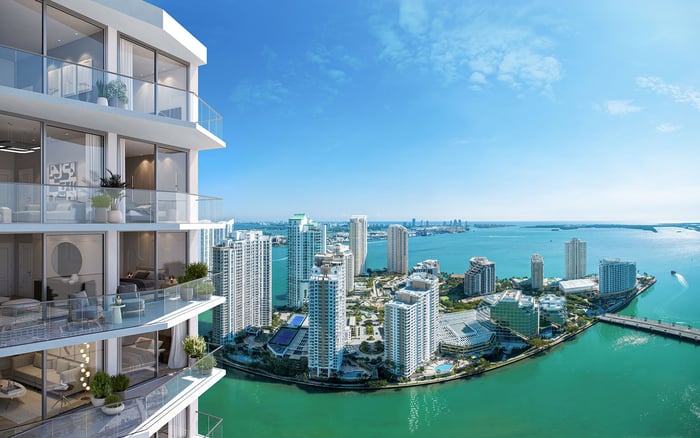
A discreet ownership guide to evaluating reserves for privacy, operating stability, maintenance quality, and comfort in South Florida luxury real estate.
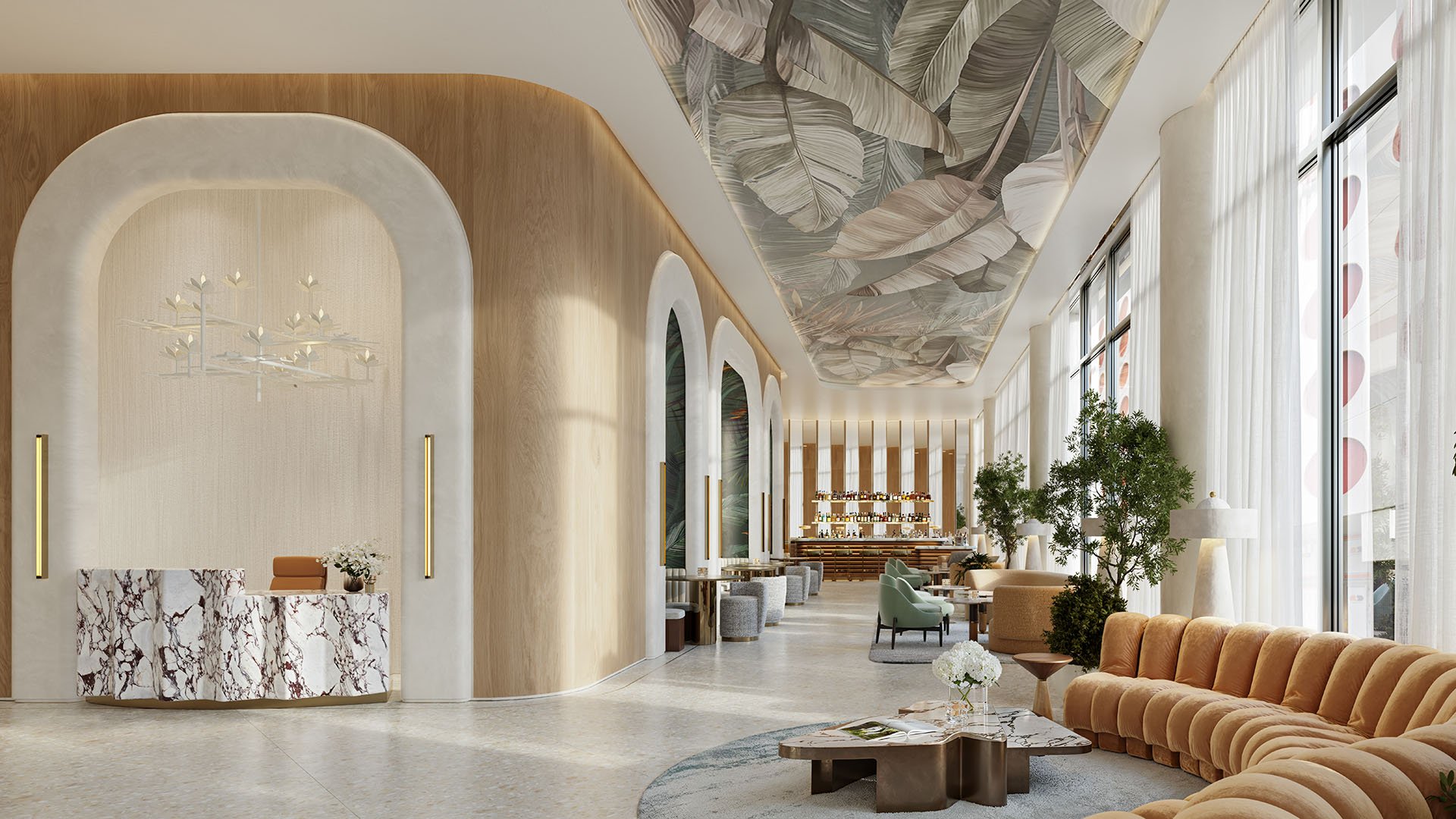
In South Florida luxury real estate, reserve funding is often framed as a financial cushion. For a serious buyer, it deserves a broader reading. A well-considered reserve strategy protects privacy, absorbs carrying costs, and preserves the daily comfort that makes a residence feel effortless.
The most sophisticated owners do not wait for a visible problem before allocating capital. They underwrite the life they intend to live. That means accounting for the quiet expenses behind privacy, the recurring obligations that accompany a substantial home, and the maintenance standards required to keep amenities seamless. Whether the residence is a Brickell sky home, an oceanfront estate, a penthouse with large terraces, or a waterview second home, the principle is the same: reserves are a form of control.
A disciplined reserve analysis begins by separating mandatory carrying costs from lifestyle-driven expenses. Mandatory costs keep ownership compliant and functional. Lifestyle costs preserve discretion, hospitality, convenience, and presentation.
Luxury buyers often focus on acquisition price and visible monthly expenses, but the ownership experience is shaped by what happens after closing. Staffing, preventive maintenance, landscape care, security enhancements, technology upgrades, storm preparation, specialty cleaning, pool care, elevator servicing, marine-related upkeep, and guest-readiness all require planning. Some are predictable. Others arrive irregularly, which is why the reserve should not be treated as a single emergency fund.
A useful approach is to create several reserve categories: one for structural and mechanical systems, one for privacy and security, one for aesthetic renewal, one for seasonal readiness, and one for discretionary comfort. This structure helps an owner avoid the common mistake of drawing every need from the same pool of capital, only to find that one unexpected repair has weakened the standard of living elsewhere.
Privacy is rarely free. In the ultra-premium segment, it may involve controlled access, thoughtful landscaping, window treatments, exterior lighting, acoustic planning, staff protocols, guest circulation, and technology systems maintained discreetly in the background.
A buyer should ask how privacy is created and what it costs to preserve. A gated approach, a screened motor court, a private elevator sequence, or a landscape buffer can all influence the reserve plan. So can a home’s exposure to neighboring sightlines, service entrances, package handling, and entertainment flow. The most elegant residences are often designed so these layers are barely noticed, but their upkeep still requires funding.
For condominium ownership, privacy may also depend on building operations. Elevator access, amenity scheduling, staff training, lobby management, and service corridors can materially affect daily discretion. For single-family ownership, the burden shifts more directly to the owner. In either case, privacy should be evaluated as an operating standard, not an abstract preference.
Reserve funding should be built around stress testing. A buyer can begin with current carrying costs, then examine how the ownership picture changes if several expenses rise at once or if a major maintenance item arrives earlier than expected.
This does not require pessimism. It requires composure. The goal is to understand whether the property remains comfortable under less convenient conditions. If the home requires a high level of service to feel complete, those services need their own margin. If the residence is used seasonally, the reserve should account for periods when the property must be maintained at a high standard while the owner is away.
Investment discipline matters here. An investment buyer may focus on liquidity and exit flexibility, while an end-user may prioritize uninterrupted enjoyment. The best reserve strategy often serves both. It allows an owner to preserve the home’s condition while avoiding reactive decisions that can compromise quality or timing.
Deferred maintenance is not only a financial issue. In a luxury home, it quickly becomes a comfort issue. Air conditioning that feels inconsistent, water pressure that disappoints guests, lighting controls that malfunction, terraces that need attention, cabinetry that no longer closes perfectly, or outdoor areas that feel tired can erode the experience long before a major failure occurs.
A strong reserve plan anticipates the systems that make daily life feel calm. Climate, shading, filtration, lighting, appliances, elevators, pools, spas, wine storage, smart-home controls, audiovisual systems, and outdoor kitchens should all be considered through the lens of reliability. The question is not simply: What could break? It is: What must remain excellent for the residence to feel like itself?
This is especially important in homes designed for entertaining. Guest suites, service kitchens, terraces, media rooms, and arrival sequences may be used intensely during certain weeks and lightly during others. Reserves help keep those spaces event-ready without last-minute compromises.
Reserve funding is also a cultural question. In a condominium or managed residence, the owner is buying into a shared philosophy of maintenance. A building that treats preventive care as part of its identity will feel different from one that responds only when issues become visible.
Buyers should review how a property communicates about maintenance priorities, capital planning, amenity standards, and service continuity. The numbers matter, but so does the posture. Are improvements planned before they become urgent? Are common areas refreshed in a manner consistent with the level of the residences? Is there clarity around how major work is discussed and funded?
For single-family homes, the same discipline applies through vendors, estate managers, household staff, and owner oversight. A residence can have beautiful architecture and still be underfunded operationally. The more complex the home, the more important it becomes to fund expertise, not only materials.
A reserve plan should reflect personal use. A year-round primary home has a different rhythm from a second home. A residence used for family holidays has different pressures than one designed for frequent hosting. A waterfront property may require a different maintenance cadence than an inland home. A lock-and-leave condominium may depend more heavily on building systems and management.
Buyers should also consider tolerance for disruption. Some owners are comfortable scheduling work during the off-season. Others expect the residence to be ready at any time. The lower the tolerance for disruption, the stronger the reserve should be. Speed, discretion, and premium service often cost more than ordinary scheduling.
The most refined reserve strategy is therefore personal. It is not only a percentage or a rule of thumb. It is a map of how the owner wants the property to perform, how private the experience must remain, and how quickly quality should be restored when something falls short.
Before committing to a property, ask five practical questions. What expenses are unavoidable? What expenses preserve privacy? What systems protect comfort? What capital items could be deferred by a less disciplined owner? What level of liquidity allows the residence to be maintained without anxiety?
Then consider the property’s complexity. More amenities, larger outdoor areas, specialty materials, waterfront exposure, private access features, and advanced technology can all increase the need for reserves. None of these are disadvantages when properly funded. They are part of the privilege of ownership. The risk appears when the reserve strategy is too modest for the lifestyle being purchased.
For the South Florida buyer, the best reserve planning is elegant because it is invisible. It allows the household to function quietly, the property to present beautifully, and decisions to be made from strength. That is the difference between owning an impressive residence and living in one with lasting ease.
What is reserve funding in luxury real estate? It is capital set aside to maintain the property, absorb irregular expenses, and protect the owner’s intended lifestyle.
Why does privacy require a reserve? Privacy often depends on maintained systems, staffing, landscaping, access control, and service protocols that carry ongoing costs.
Should reserves be separate from emergency funds? Yes. A refined plan separates emergencies from planned maintenance, upgrades, privacy needs, and comfort-related expenses.
How should a buyer evaluate carrying costs? Review recurring obligations, then stress-test them against higher costs, earlier repairs, and preferred service standards.
Do condominiums and single-family homes require different planning? Yes. Condominiums depend partly on shared building planning, while single-family homes place more direct responsibility on the owner.
What comfort items should be included? Climate systems, lighting, appliances, pools, smart-home controls, terraces, elevators, and guest-ready spaces all merit consideration.
How does a second home change reserve planning? A second home may require stronger oversight because it must remain maintained even when the owner is away.
Is a larger home always more expensive to reserve for? Not automatically, but complexity, materials, amenities, and service expectations usually influence the reserve requirement.
Can reserve planning affect resale? Yes. Consistent maintenance can help a property show better and reduce concerns during buyer review.
What is the goal of a strong reserve strategy? The goal is to preserve privacy, comfort, and decision-making flexibility throughout ownership.
For a discreet conversation and a curated building-by-building shortlist, connect with MILLION.
If branded residences are on your mind — as a home or as an allocation — we would be glad to share what we are seeing, privately.
Begin a quiet conversation