A refined buyer’s guide to assessing glass railing maintenance as a privacy, service, and resale consideration in South Florida trophy residences.
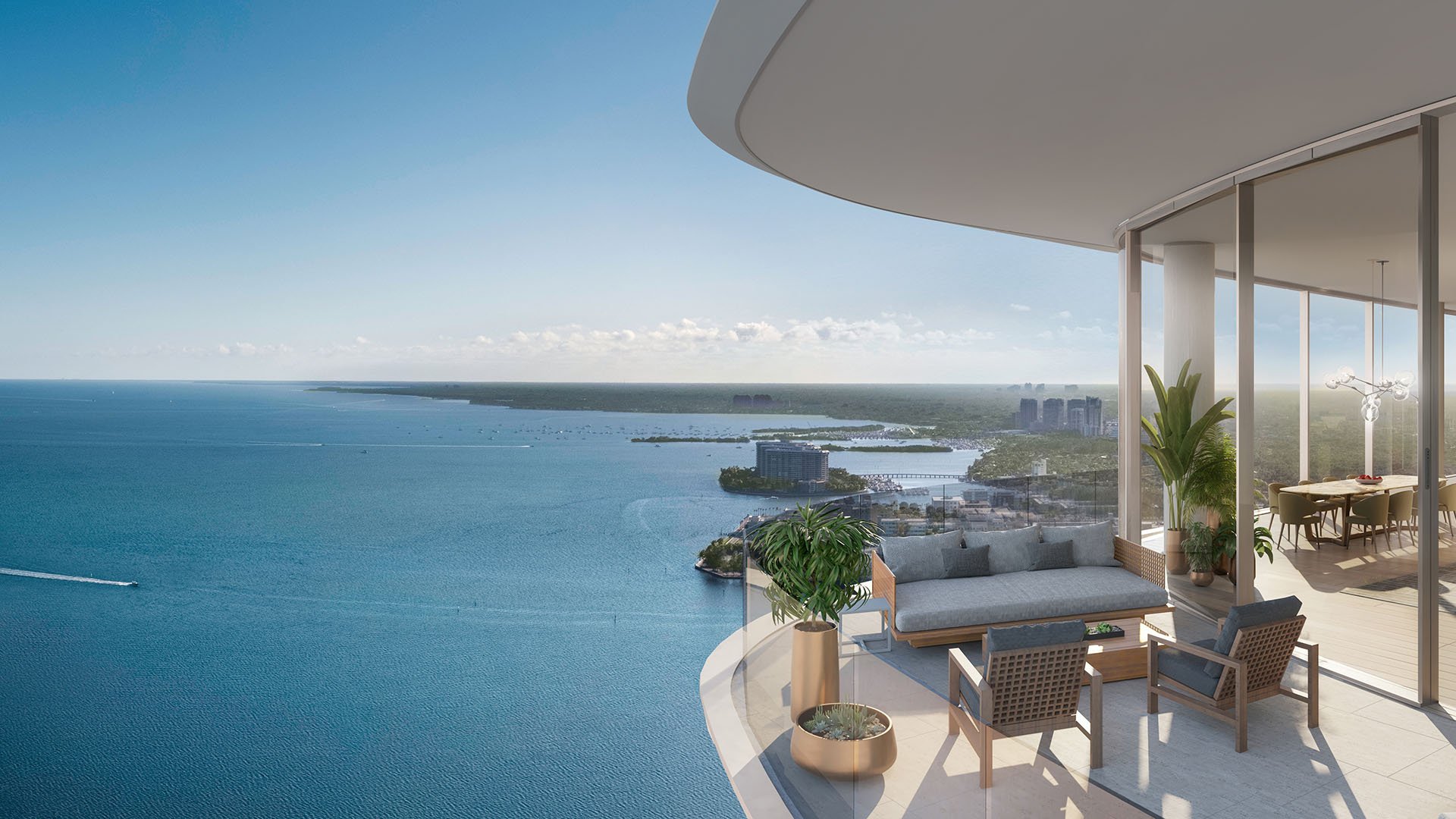
In South Florida’s upper tier, glass railings are often viewed first as a visual amenity. They preserve the horizon, expand the perceived width of a terrace, and let the architecture feel lighter against water, sky, and city. Yet in a trophy residence, the sharper question is not simply whether the railing looks pristine during a showing. It is whether the system can remain discreet, serviceable, and sale-ready after years of actual ownership.
A glass railing is both an aesthetic surface and a maintenance surface. It frames the view, but it also records exposure, touch, cleaning quality, and the way the residence is used. For a buyer comparing oceanfront residences, penthouses above Brickell, or a quieter Surfside setting, the railing deserves the same disciplined review as millwork, stone, glazing, and mechanical systems.
The goal is not to overstate the concern. Well-kept glass can be extraordinarily elegant. The point is to understand what the glass asks of an owner, household staff, a building team, and eventually a future buyer. In a residence where presentation is part of value, railing maintenance is not a footnote. It is part of the living experience.
Privacy is often addressed after closing, when owners begin to notice reflections, neighboring terraces, pool-deck visibility, or sightlines from adjacent towers. A more strategic buyer evaluates privacy before purchase, standing at the balcony in daylight, at dusk, and, if possible, with interior lights on. Glass can reveal more or less depending on angle, illumination, furniture placement, and the height of the rail relative to the seating plan.
The most refined solutions are usually the least conspicuous. Instead of treating privacy as an add-on, assess whether the residence naturally supports discretion. Consider where lounge seating would sit, where a dining table would be placed, and whether standing guests become visible from surrounding vantage points. In a trophy property, privacy should feel integrated, not improvised.
Buyers should also consider how privacy choices affect future presentation. Heavy treatments can interrupt the architecture, while overly reflective solutions may change the intended mood of the exterior. When privacy must be enhanced, the strongest approach preserves the clean language of the residence and remains easy to maintain.
The most beautiful railing system can become frustrating if service access is poorly planned. A buyer should ask how the exterior face is reached, who is permitted to clean it, how often it is typically addressed, and whether building rules govern timing, methods, or vendor access. The answer matters because glass railings only present well when maintenance is consistent and unobtrusive.
In a full-service building, the service experience should feel managed. In a single-family or boutique residence, responsibility may sit more directly with the owner’s team. Neither model is inherently better. What matters is clarity. If the owner must coordinate specialized access every time the exterior face needs attention, that obligation should be understood before the residence is valued as effortless.
Walk the outdoor area as if you were responsible for its care. Are corners reachable? Are panel edges easy to inspect? Does furniture block access? Are planters likely to create splash marks or residue? A refined terrace should not become a logistical puzzle every time it needs to look camera-ready.
Begin with the simplest exercise: look through the glass, then look at the glass. Buyers tend to focus outward, especially when the view is exceptional. A more disciplined inspection studies the panels themselves. Notice clouding, streak patterns, scratches, uneven transparency, and the condition of exposed edges. Then examine the hardware, posts, channels, fasteners, caps, and any visible sealant lines.
This is not about diagnosing engineering details during a showing. It is about identifying whether the railing has been maintained with the same care as the rest of the residence. Inconsistency is often visible. One panel may appear clearer than another. Hardware may age differently in protected and exposed areas. Corners may reveal whether cleaning is careful or merely cosmetic.
For oceanfront living, the owner’s tolerance for visible residue should also be considered. A buyer who expects a consistently polished presentation needs a service plan that supports that expectation. A buyer who uses the residence seasonally may prefer a maintenance rhythm aligned with arrivals, entertaining, and periods of vacancy. The best answer is not universal. It is the answer that fits the household.
Resale value is not created by glass alone, but glass can influence first impressions. A future buyer standing on the balcony will make a quick judgment about care, exposure, and the quality of ownership. If the railing looks tired, the question quietly expands: what else has been deferred?
Documentation can help. Keep records of professional cleaning, repairs, panel replacements, hardware attention, and any approved privacy modifications. These records should be organized with the same discipline used for appliance service, lighting systems, and terrace furnishings. In the upper market, a well-documented residence feels easier to trust.
When comparing residences in Brickell, Surfside, or other South Florida enclaves, the railing should be considered part of the exterior presentation package. It interacts with the view, the outdoor room, the façade, and the photography that may eventually support a sale. The cleanest resale story is simple: the glass has been cared for, the privacy feels intentional, and service is already understood.
Before advancing on a trophy residence, ask for a clear explanation of railing care responsibilities. Confirm whether the building or owner manages exterior cleaning. Review any rules that affect vendors, access, timing, or approved methods. Observe the railing during different lighting conditions if access allows.
Then focus on lifestyle. Will children, pets, frequent guests, or outdoor dining increase touch marks and cleaning needs? Will planters, lounge chairs, or sculptural furniture complicate service? Does the residence depend on absolute transparency for its drama, or can it tolerate a softer, more lived-in presentation between cleanings?
Finally, consider the exit. A railing system that is easy to explain is easier to sell. Buyers at this level value beauty, but they also value control. If privacy, maintenance, and service access have already been thought through, the residence feels less like a risk and more like a finished possession.
Why should glass railings be reviewed before buying a trophy residence? They affect privacy, service planning, daily presentation, and the way a future buyer experiences the view.
Is clear glass always the best choice for a luxury terrace? Not always. Clear glass can be elegant, but privacy, glare, and maintenance expectations should be considered.
What is the first thing to inspect on a glass railing? Look for clarity, consistency, scratches, edge condition, hardware appearance, and signs of uneven care.
Does balcony furniture affect railing maintenance? Yes. Furniture, planters, and dining layouts can make panels harder to access and keep polished.
How should privacy be evaluated? Study sightlines from neighboring residences, pool areas, streets, and interior lighting conditions.
Can privacy upgrades hurt the design? They can if they feel applied rather than integrated, so discretion and architectural fit matter.
Why does service access matter so much? Even beautiful glass can disappoint if cleaning is difficult, disruptive, or unclear in responsibility.
What should sellers document? Keep records for cleaning, repairs, hardware care, panel work, and any approved privacy changes.
Does glass railing condition influence resale? It can shape buyer confidence because visible maintenance often frames perceptions of overall care.
Is this more important in oceanfront residences? It can be especially visible there because outdoor presentation is central to the ownership experience.
When you're ready to tour or underwrite the options, connect with MILLION.
If branded residences are on your mind — as a home or as an allocation — we would be glad to share what we are seeing, privately.
Begin a quiet conversation