A discreet buyer’s guide to assessing smart-building infrastructure, privacy, serviceability, and upgrade risk before committing to a South Florida luxury residence.
In South Florida luxury real estate, the technology conversation has moved well beyond a touch panel on the wall. A residence may present beautifully yet depend on systems that are difficult to service, costly to upgrade, or overly reliant on a single vendor. Sophisticated buyers should treat a building’s technology stack as part of the asset itself, not as a decorative convenience.
The objective is not to chase the newest gadget. It is to determine whether the building can evolve gracefully. Finishes can be changed. Furniture can be replaced. But cabling pathways, access-control architecture, network design, elevator integrations, amenity systems, and privacy policies can shape daily life for years. In a market where design, service, and discretion carry real value, technological longevity has become a quiet marker of quality.
The first question is not whether the residence has a smart thermostat or an elegant app interface. It is whether the building has the physical and digital backbone to support future needs. Buyers should ask about low-voltage wiring, riser capacity, equipment rooms, network distribution, Wi-Fi coverage in amenity spaces, and the ease of accessing systems for maintenance.
A building with thoughtful infrastructure can refresh devices without disturbing walls or compromising interiors. A building that relies on improvised hardware may look current at delivery but feel dated quickly. In Brickell, where buyers often compare highly amenitized towers such as The Residences at 1428 Brickell, technology should be evaluated with the same seriousness as views, ceiling heights, and arrival experience.
Ask for clarity on what is hardwired, what is wireless, and what depends on cloud services. Wireless convenience has value, but it should not be the sole foundation for core operations. The strongest buildings tend to separate durable infrastructure from replaceable devices.
Smart-home features and building systems are often discussed together, but they are not the same. Inside the residence, technology may control lighting, climate, shades, audio, and security preferences. At the building level, technology may govern access control, elevators, parking, package rooms, guest registration, amenity reservations, cameras, and staff communication.
This distinction matters because ownership and responsibility differ. A buyer may be free to upgrade in-residence controls while having little influence over the building’s entry platform or elevator software. Before purchasing, identify which systems are unit-specific, which are association-controlled, and which are managed by outside providers.
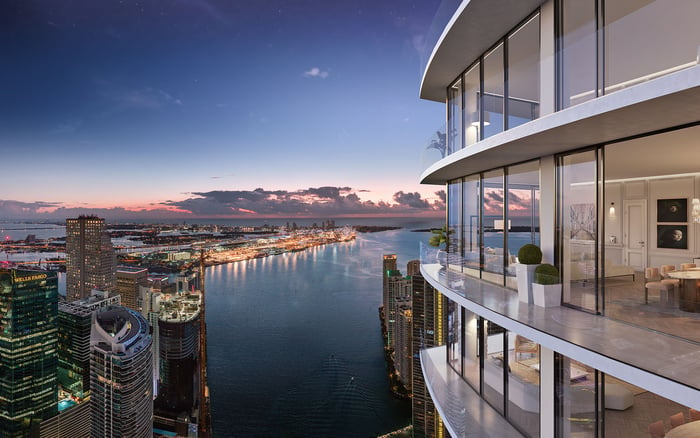
In a full-service environment such as Baccarat Residences Brickell, the technology question is not merely whether service feels polished. It is whether the digital layer behind that service is maintainable, secure, and flexible as resident expectations change.
Every technology review should begin with four direct questions. Who owns the system? Who maintains it? Who pays to upgrade it? Who controls the data?
The answers reveal whether a building is resilient or dependent. If a key platform is proprietary, ask whether replacement parts, trained technicians, and alternative service options are available. If a system depends on a subscription, understand what happens if the vendor changes terms, discontinues support, or is replaced by the association.
Technology that feels seamless on day one can become a burden if no one can clearly explain its governance. A luxury building should not require residents to become systems administrators. The best outcome is a stack that is professionally managed, financially planned, and transparent enough for owners to understand.
Some amenities are attractive because they reduce friction: phone-based entry, license-plate recognition, app-based guest access, digital keys, automated valet communication, remote package notices, and in-unit controls. Each can be valuable, but each should also be assessed for lock-in.
Can residents use physical credentials if needed? Can the building operate if an app is down? Are there manual overrides for essential functions? Can the association migrate to another provider without replacing major hardware? These questions are not pessimistic. They are practical.
Ultra-modern living should still respect redundancy. A building that offers convenience without fallback options may create an elegant dependency. A building that blends digital access with well-planned alternatives offers a more durable form of comfort.
Energy management is becoming central to the buyer’s review, particularly when residences include sophisticated climate systems, large terraces, private garages, or electric-vehicle expectations. Buyers should not rely on broad assurances. Ask how EV charging is handled, whether metering is individual or shared, how future capacity is planned, and whether load management is part of the design.
The same discipline applies to backup power and critical systems. Understand which components are supported, for how long, and under what conditions. Elevators, access control, garage gates, life-safety systems, communications, and select common-area functions should be discussed in plain language before contract decisions are made.
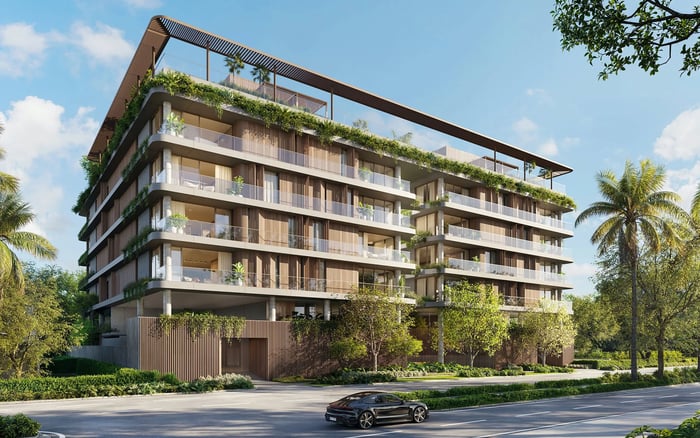
For buyers considering design-forward waterfront or skyline residences such as Villa Miami, technology diligence should sit alongside architectural and lifestyle review. The question is not whether the building feels advanced. The question is whether its systems have a credible path to remain useful.
Privacy is no longer limited to floor plans, elevator access, or discreet staff protocols. It now includes digital behavior. Buildings may collect information through apps, cameras, key fobs, vehicle systems, visitor logs, amenity bookings, and service requests. Buyers should ask what data is collected, who can view it, how long it is stored, and whether third parties have access.
This is especially relevant for high-profile owners, second-home residents, and families who value discretion. A polished arrival experience should not require unnecessary exposure of personal patterns. In luxury real estate, privacy is part of the service promise. The technology stack should reinforce that promise rather than dilute it.
Different submarkets place different demands on building technology. In dense urban settings, access control, elevator flow, parking coordination, and connectivity may dominate the review. In resort-oriented settings, amenity reservations, guest management, beach service communication, and in-residence automation may carry more weight.
A buyer looking at Five Park Miami Beach may approach technology through the lens of hospitality, privacy, and seamless daily movement. A buyer studying Bentley Residences Sunny Isles may focus on automotive integration, arrival sequencing, and long-term serviceability. The point is not to rank one stack above another without documentation. It is to ask the right questions for the lifestyle being purchased.
Investment value also depends on avoiding premature obsolescence. Future buyers may not pay a premium for yesterday’s closed system, even if it was impressive at launch. A residence that can adapt to new devices, changing security standards, and evolving owner expectations is better positioned to remain relevant.
Before signing, request a concise overview of the building’s core systems. It should identify major platforms for access, elevators, parking, amenity management, connectivity, security, in-residence integration, EV charging, and building operations. The overview does not need to be overly technical, but it should be specific enough to reveal responsibility and lifecycle planning.
Then ask for the practical details: maintenance contracts, upgrade policies, anticipated association obligations, resident support procedures, and what is included versus optional. If a residence is delivered with a preferred smart-home package, confirm whether owners may modify it without voiding service arrangements or creating compatibility issues.
Finally, bring the same discretion to technology that you bring to art, design, and legal review. The most elegant systems are often the least visible. They work quietly, age intelligently, and preserve choice.
What is a building technology stack? It is the combined set of systems that support connectivity, access, security, automation, amenities, parking, and building operations.
Why does technology matter in a luxury condo purchase? It affects daily convenience, privacy, maintenance costs, and the building’s ability to remain current as systems evolve.
Should I focus first on smart-home features? Start with infrastructure and building-level systems, then evaluate the in-residence features that sit on top of them.
What is the main sign of potential obsolescence? Heavy dependence on closed, proprietary systems with unclear upgrade paths or limited service options can be a warning sign.
How should I evaluate app-based access? Ask whether there are backups, physical credentials, manual overrides, and a clear plan if the app or vendor changes.
What privacy questions should buyers ask? Ask what data is collected, who can access it, how long it is stored, and whether it is shared with outside providers.
Are EV charging systems part of technology due diligence? Yes. Buyers should understand capacity, metering, load management, owner costs, and future expansion planning.
Can a beautiful new building still have technology risk? Yes. Design quality and technology durability are separate, and both should be reviewed before purchase.
Who should explain the technology stack to a buyer? The development or building team should be able to explain systems, responsibilities, support, and upgrade planning clearly.
Is technology diligence relevant for resale residences? Yes. Resale buyers should review existing systems, remaining support, modification history, and likely replacement needs.
For a discreet conversation and a curated building-by-building shortlist, connect with MILLION.
If branded residences are on your mind — as a home or as an allocation — we would be glad to share what we are seeing, privately.
Begin a quiet conversation