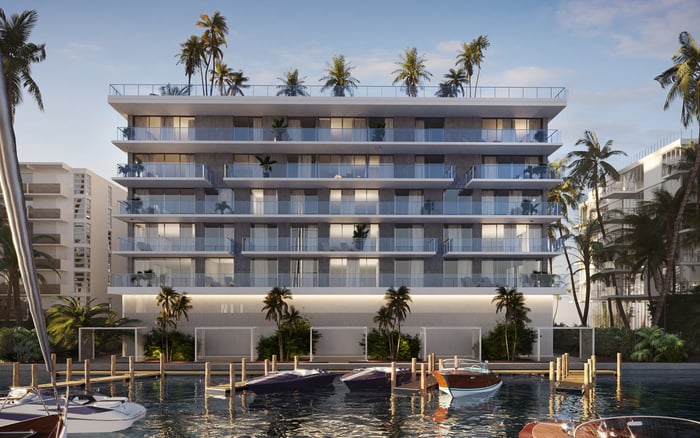
A buyer-focused guide to evaluating wine-room humidity in South Florida residences, with practical questions for oceanfront, bayfront, and city living.
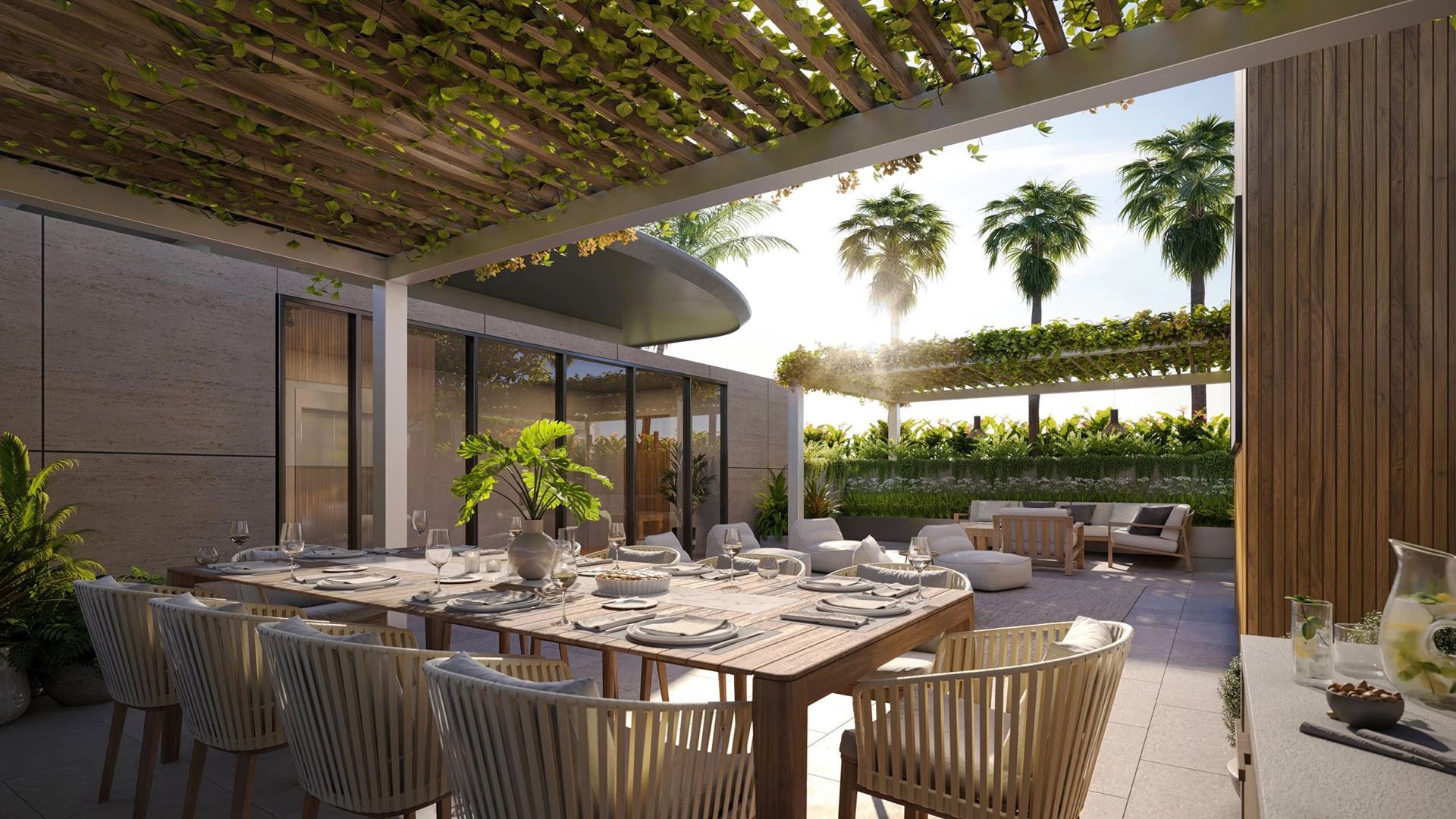
A wine room is no longer a decorative afterthought in South Florida’s most considered residences. For collectors, entertainers, and buyers who treat hospitality as part of daily life, the room must perform with the same discipline as the kitchen, primary suite, and building envelope. Humidity is central to that performance.
The decision becomes more nuanced when comparing oceanfront, bayfront, and city living across Miami-Dade, Broward, and Palm Beach. Each setting carries a distinct emotional proposition: open water, marina atmosphere, skyline energy, or a quieter residential rhythm. Yet the wine room asks a more technical question: can the space remain stable, serviceable, and protected as the home moves through seasons, guests, building operations, and everyday use?
As a practical search shorthand, many buyers separate options by waterfront exposure, neighborhood rhythm, building profile, and daily convenience, then evaluate wine storage on a parallel track. The view may inspire the purchase, but the room that protects a meaningful cellar should be judged on evidence, access, and design restraint.
A beautiful glass wall, dramatic lighting, and custom millwork can create an immediate impression. They do not, on their own, confirm that a wine room has been designed for consistent conditions. Before becoming attached to the look, ask how the room is enclosed, cooled, monitored, and serviced.
The first conversation should be with the right person: the developer’s representative, design team, building engineer, or a qualified wine-storage specialist. A buyer should understand whether the room is a true conditioned wine environment or a display area intended for short-term presentation. That distinction shapes how the space should be used and how much confidence a collector can place in it.
Ask for plain answers. Is the room separately conditioned? How is humidity addressed? Where is the equipment located? Can it be reached without disrupting finished interiors? Is there a monitoring interface? What happens if the residence is unoccupied for an extended period? These questions are not adversarial. They are the normal vocabulary of luxury ownership.
Oceanfront living places the wine room inside a residence where the exterior environment is part of the appeal. Expansive glazing, terraces, and panoramic light create the sensation buyers want. The wine room, however, should be treated as an interior sanctuary with its own logic.
When touring an oceanfront property, study the relationship between the wine room and sun exposure, exterior walls, elevator corridors, kitchens, and entertainment zones. A room placed for theater may not be placed for performance. A room positioned deep within the plan may offer a calmer setting, while one near large entertaining spaces may require closer review of doors, seals, lighting, and traffic patterns.
For buyers who entertain frequently, oceanfront residences often invite open movement between social rooms and outdoor areas. That lifestyle is compelling, but a wine room should not depend on ideal behavior from every guest. The sharper question is whether the enclosure and systems are designed to maintain their purpose even when the home is active.
Bayfront living often feels more residential and composed than a purely urban setting, while still offering water orientation and a strong entertaining profile. It can be an elegant middle ground for collectors who want atmosphere without choosing a full skyline lifestyle.
In a bayfront residence, compare how the wine room supports the broader ritual of the home. Is it near the dining area? Does it sit along a gallery path where it can be admired without being repeatedly opened? Can a host retrieve bottles without turning the room into a high-traffic passage? The most successful wine rooms combine presentation with restraint.
Humidity review should include the same fundamentals: enclosure quality, dedicated conditioning strategy, controls, serviceability, and the owner’s intended use. A compact display cellar for dinner-party selections is a different proposition from a serious collection that requires disciplined long-term care. The residence may be bayfront, but the room should still be evaluated as a technical interior.
City living offers proximity, energy, and a lock-and-leave cadence that appeals to many South Florida buyers. In a city residence, the wine room conversation often turns to building coordination. Where can equipment be placed? What approvals may be required for modifications? How does the room interact with the residence’s mechanical systems and service access?
In Brickell and other dense districts, buyers should pay close attention to what is delivered with the home versus what would need to be customized after closing. If a wine room is already built, evaluate its documentation and maintenance path. If the room is aspirational, confirm whether the plan allows the necessary equipment, drainage considerations, electrical needs, and access routes without compromising the finished design.
The city buyer should also consider lifestyle frequency. A residence used as a primary home may justify a different wine-room strategy than a pied-à-terre. The right answer is not always the largest cellar. It is the room that matches the owner’s collecting habits, travel rhythm, entertaining style, and tolerance for maintenance.
During a private showing, slow the pace when you reach the wine room. Open the door, but also look around it. Examine the threshold, seals, glass, lighting, and cabinetry. Ask where the system is located and how a technician would reach it. Request operational history when available. If the room has a control panel, ask what it monitors and who responds if readings drift.
Listen for vague language. Phrases such as “it should be fine” or “it has always looked good” are not a substitute for a clear explanation. A luxury wine room should have a maintenance story. It should be understandable without drama, and it should not leave the next owner guessing.
Also consider the collection itself. A buyer storing a modest rotation of bottles for entertaining may prioritize elegance and accessibility. A buyer with rare, sentimental, or investment-grade bottles will likely require more discipline. The home search should begin with that self-assessment, because the same room can be perfectly adequate for one owner and insufficient for another.
Oceanfront living is about horizon, light, and resort-like arrival. The wine-room review should focus on insulation from the surrounding drama: sun, doors, traffic, and the pull of indoor-outdoor entertaining.
Bayfront living is about water presence with a more measured tempo. The review should focus on how the room fits entertaining patterns while preserving a stable, low-interruption environment.
City living is about access, services, restaurants, offices, and vertical convenience. The review should focus on building systems, permissions, maintenance routes, and whether the room’s performance can be preserved within a sophisticated condominium setting.
None is inherently superior. The correct choice is the one where the property’s lifestyle and the wine room’s technical demands align. A buyer should be able to say not only, “I love the view,” but also, “I understand how this cellar works.”
Before choosing among oceanfront, bayfront, or city living, ask for a concise package of information. Request the wine-room specifications if available. Ask who installed or maintains the system. Clarify whether the room has dedicated conditioning and how humidity is managed. Confirm service access. Ask whether any warranties, manuals, or maintenance records will transfer.
If customization is planned, involve the right adviser early. Retrofitting a wine room after design decisions are complete can be more complicated than addressing it during the buying or planning stage. The goal is not to make the purchase feel technical. The goal is to protect the ease that luxury is meant to provide.
A wine room is a promise: that the home can host beautifully, store thoughtfully, and support rituals that matter. In South Florida, where the choice of setting is often emotional, humidity due diligence brings welcome clarity.
Should every luxury residence with a wine display be treated as a true wine room? No. A display area and a conditioned wine room can serve very different purposes, so buyers should ask how the space is designed to perform.
What is the first humidity question to ask during a showing? Ask whether the wine room has a dedicated strategy for conditioning and humidity management, not simply attractive finishes.
Is oceanfront living a poor choice for collectors? Not necessarily. The key is whether the wine room is sufficiently separated, controlled, and serviceable within the residence.
Why does service access matter? Equipment that cannot be reached easily can turn routine maintenance into a disruptive event, especially in highly finished interiors.
Can a city condo support a serious wine room? It can, but buyers should confirm building coordination, mechanical feasibility, and any approval requirements before relying on a plan.
Is a larger wine room always better? No. The better wine room is the one that matches the owner’s collection, use pattern, and maintenance expectations.
Should lighting be part of the review? Yes. Lighting affects presentation and should be discussed as part of the room’s overall design and operating approach.
What if the seller has no documentation? Proceed carefully and request a specialist review, especially if the collection to be stored is valuable or difficult to replace.
Can a wine room be added after purchase? Often the possibility depends on layout, systems, access, and building rules, so it should be evaluated before closing.
What is the best way to shortlist comparable options for touring? Start with location fit, delivery status, and daily lifestyle priorities, then compare stacks and elevations to validate views and privacy.
If you'd like a private walkthrough and a curated shortlist, connect with MILLION.
If branded residences are on your mind — as a home or as an allocation — we would be glad to share what we are seeing, privately.
Begin a quiet conversation