A buyer-focused guide to comparing South Florida walkability by hour, separating proximity from real street life, comfort, safety, and open amenities.
A neighborhood can be impeccably walkable at noon and oddly vacant by 8 p.m. Another can feel subdued during the office day, then become the more pleasurable address after dinner. For South Florida luxury buyers, that distinction matters because walkability is not a fixed condition. It is a rhythm.
The traditional view asks what is nearby. The sharper question asks what is open, visible, comfortable, and active during the hours you intend to use the neighborhood. A buyer who lunches near the office three days a week is evaluating a different version of the city than a buyer who wants a spontaneous Thursday dinner, a Saturday gallery walk, or a late return from the beach.
That is why Brickell, Wynwood, South Beach, Las Olas, and Coral Gables should not be compared as though they operate on the same clock. Their appeal can be equally strong, but the walkability experience often peaks at different times of day.
A standard walkability score can be useful as a first screen because it captures proximity. It can help identify whether daily services, dining, retail, parks, or transit are clustered around an address.
But proximity is not the same as lived walkability. Static walkability means the amenities exist nearby. Active walkability means the doors are open, pedestrians are present, lighting is sufficient, crossings feel legible, and the street has enough life to feel natural at that hour.
For a buyer comparing 2200 Brickell with a more evening-oriented district, the baseline score is only the opening line. The more revealing test is whether the same walk feels useful at noon, after work, and later in the evening.
The most practical comparison pairs one static metric with one field audit. Start with the proximity picture, then visit the same address during the windows that match your intended life. For a lunch-active neighborhood, separate weekday 11 a.m. to 2 p.m. conditions from evening conditions. Office-driven districts can feel exceptionally convenient at lunch, then become quieter as commuters leave.
A disciplined buyer should visit at least three times: weekday noon, 8 p.m. on a Thursday, and 10 p.m. on a Saturday. Each visit should answer the same questions. Which restaurants, cafés, markets, gyms, salons, pharmacies, and services are open now within a 5- to 10-minute walk? Are sidewalks comfortably used by residents, workers, visitors, or a mix? Are storefronts lit, or does the block rely on destination venues separated by inactive frontage?
This is especially important in South Florida, where weather changes the luxury of walking. Heat, humidity, and rain can shift the most comfortable walking window from midday to evening. A neighborhood that wins on paper in August at noon may not win in practice for a full-time resident who prefers shade, breezes, covered arrivals, and shorter outdoor exposure.
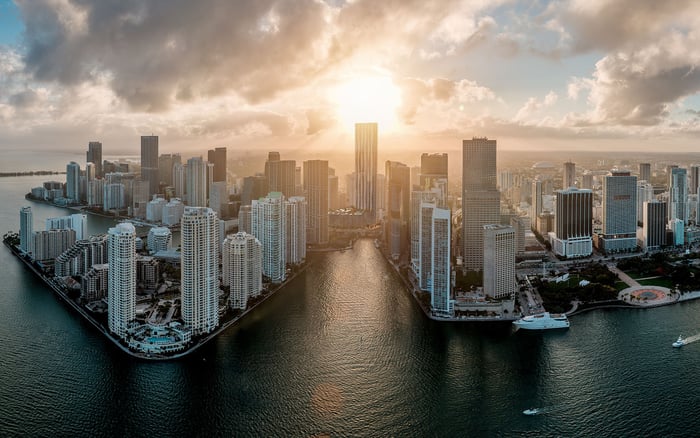
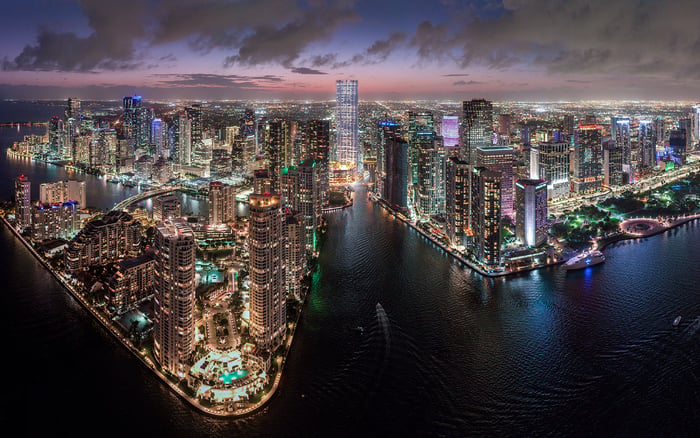
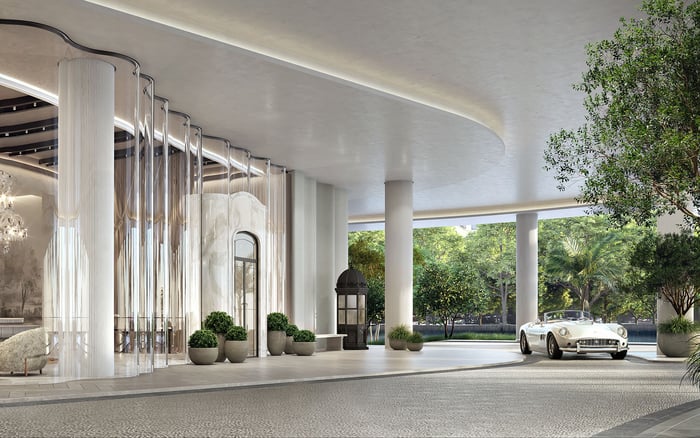
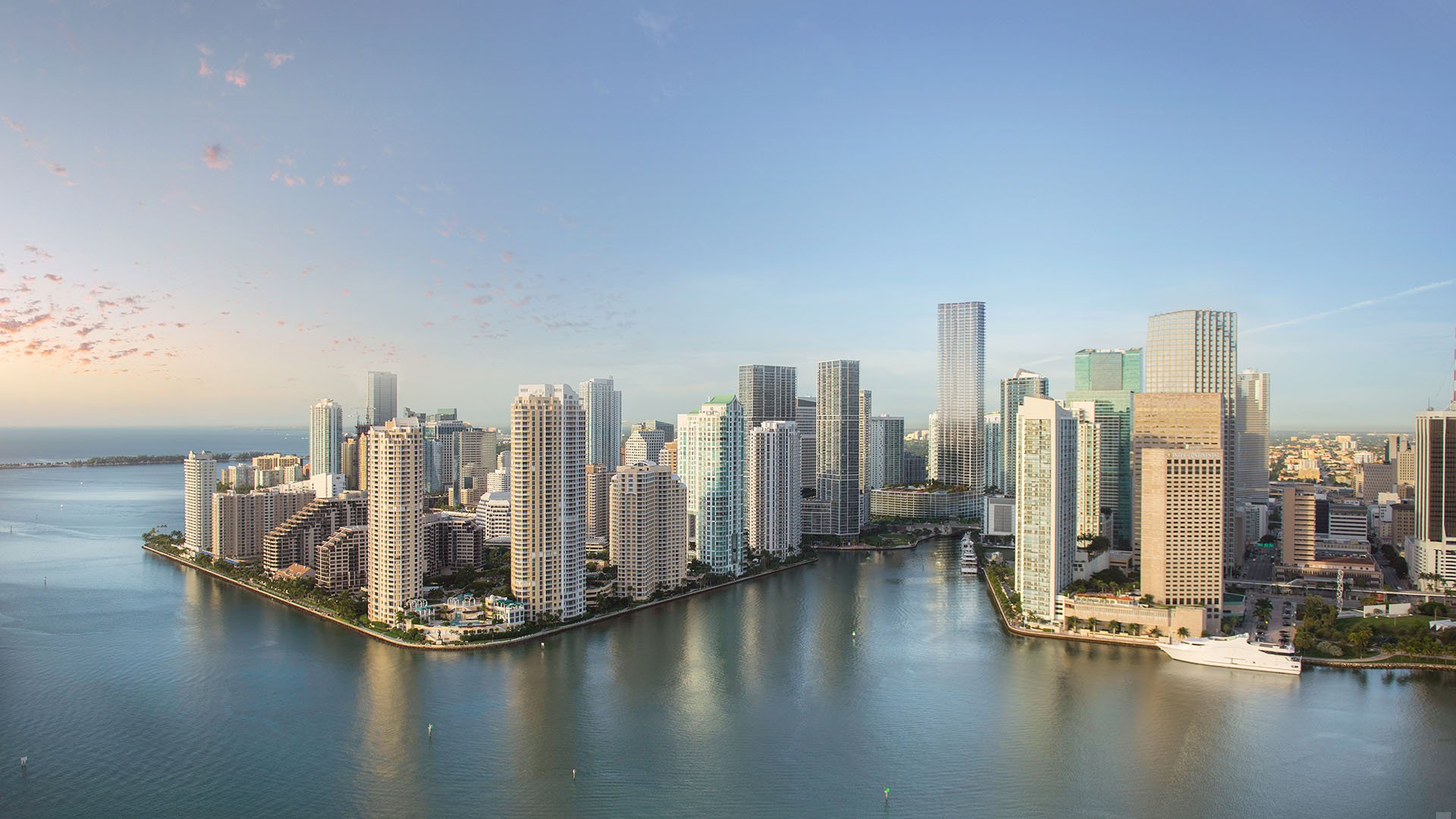
Brickell is the clearest case study for time-based comparison. It is a defined urban neighborhood where weekday commercial energy, restaurant demand, residential density, and after-work life overlap, but not always evenly on every block. A buyer considering Baccarat Residences Brickell should test not only the elegant idea of walking to dinner, but also the precise route, signal timing, curb activity, and late-evening return path.
Las Olas Boulevard in Fort Lauderdale requires the same daypart lens. Its shopping, dining, and urban design context can perform differently at lunch, happy hour, and late evening. If the appeal is a refined urban corridor rather than an office-adjacent lunch loop, walk it across those moments. Buyers looking near Sixth & Rio Fort Lauderdale should compare weekday convenience with the character of the corridor after sunset.
Wynwood is often better evaluated through an evening and weekend lens. Its district identity is anchored by arts, dining, retail, and visitor activity, which means a pure lunch-hour test may understate its strongest use case. The question is not whether Wynwood is active. It is whether its specific after-dark energy suits the buyer’s tolerance for visitors, nightlife, traffic, and sensory intensity.
South Beach needs both tests. Beach and tourism activity can create a very different daytime rhythm from evening entertainment patterns on the same streets. Around The Ritz-Carlton Residences® South Beach, a buyer should distinguish a pleasant daytime walk from an after-dark experience shaped by dining, hospitality, and entertainment flows.
Coral Gables offers another useful comparison. Its planning context emphasizes land use and neighborhood form rather than a single-purpose office or entertainment identity. That can help reduce the gap between lunch-hour and evening walkability, especially where residential, retail, dining, and civic uses reinforce one another. For buyers studying Ponce Park Coral Gables, the question is whether steadiness across the day is more valuable than a dramatic peak at one hour.
Nighttime walkability deserves a separate safety audit from daytime walkability. Look closely at lighting, visibility, crossings, signal timing, driveway conflicts, valet zones, and the behavior of drivers turning across pedestrian routes. A street can feel gracious at lunch and tense at night if light levels are uneven or curb movements become unpredictable.
Public-safety resources should also be part of an evening audit, particularly when comparing nightlife districts with office-heavy areas that empty out after work. The goal is not to make broad assumptions about a neighborhood. It is to understand how the same route behaves when the pedestrian mix changes.
Transit should be judged by service window, not just station proximity. A district that is easy to reach for dinner may be less useful if late-evening return options are limited. The same logic applies to ride-share pickup points, garage access, and private-driver staging. Luxury walkability is not only the stroll out. It is the elegance of returning home.
To compare one neighborhood that comes alive at lunch with another that glows after dark, create a simple matrix and score each address against the same lived criteria. First, note the static proximity picture. Second, list the amenities open now within a 5- to 10-minute walk at lunch, 8 p.m., and 10 p.m. Third, observe the quality of the walk: shade, crossings, light, noise, traffic, and the presence of other pedestrians.
Then separate the source of activity. Is the street carried by residents, daytime workers, visitors, hospitality, or nightlife? Resident density and daytime worker presence can produce very different experiences, even when both make a block look busy. A lunch crowd may not support evening comfort, while a dinner crowd may do little for weekday errands.
The right answer is personal. The best South Florida address is not always the most active one. It is the one whose hours match yours.
Why can two highly walkable neighborhoods feel so different? Because one may be driven by daytime workers while another relies on dining, arts, tourism, or nightlife. The amenities may be close in both places, but active at different hours.
Is a walkability score enough for a luxury buyer? It is a useful proximity baseline, but it should not replace in-person testing during the hours you plan to walk.
What is the best time to test a lunch-active district? Visit on a weekday between 11 a.m. and 2 p.m., then return in the evening to see whether the same streets still feel useful and comfortable.
How should I evaluate an after-dark neighborhood? Walk the exact routes you expect to use at night, checking lighting, crossings, visibility, open businesses, and the return path home.
Why does weather matter so much in South Florida walkability? Heat, humidity, and rain can make midday walking less comfortable and shift the most desirable walking window toward evening.
Should I count amenities that are nearby but closed? Not for active walkability. Compare what is open now within a 5- to 10-minute walk during your real use window.
How does Brickell compare with Wynwood for walkability? Brickell should be tested for both weekday commercial activity and after-work life, while Wynwood often deserves an evening and weekend lens.
Is Coral Gables a good comparison point? Yes. Its mixed-use planning context can offer a steadier day-to-evening experience than districts dominated by one use.
What should I watch for on a nighttime safety walk? Focus on lighting, driver-pedestrian conflict, crossings, valet areas, visibility, and whether other pedestrians are naturally present.
What is the simplest buyer test before choosing a neighborhood? Visit the same address at weekday lunch, Thursday evening, and late Saturday night, then compare the experience rather than the marketing language.
For a discreet conversation and a curated building-by-building shortlist, connect with MILLION.
If branded residences are on your mind — as a home or as an allocation — we would be glad to share what we are seeing, privately.
Begin a quiet conversation