A refined buyer’s guide to evaluating restaurant noise before choosing between oceanfront serenity, bayfront atmosphere, and city living in South Florida.

Restaurant proximity is one of South Florida’s great lifestyle luxuries. A favorite table downstairs, a marina-side dinner within a short walk, or a polished cocktail bar close to home can make a residence feel more connected, more practical, and more pleasurable. Yet that same convenience can influence privacy, sleep, terrace enjoyment, and the overall mood of a home.
For the ultra-premium buyer, the question is not simply whether restaurants are nearby. It is whether their sound profile aligns with how the residence will be used. Oceanfront, bayfront, and city living each carry a distinct acoustic character. The most desirable answer is personal: some owners want a quiet retreat with dining nearby but not audible; others prefer a cultivated sense of atmosphere from surrounding venues.
The key is to compare sound with the same discipline used to evaluate views, light, finishes, parking, and service. Restaurant noise is not one thing. It may include music, outdoor seating, guest conversations, closing activity, valet circulation, delivery vehicles, kitchen exhaust equipment, or the general movement that follows hospitality. Each element behaves differently depending on height, exposure, glazing, building orientation, and the rhythm of the neighborhood.
Before comparing addresses, define when the home must feel quiet. A primary residence has different needs from a winter retreat, a pied-à-terre, or an entertaining-focused second home. A buyer who hosts dinners on a terrace may welcome nearby energy, while a buyer with early working hours may prioritize silent bedrooms over immediate restaurant access.
Visit the area at the hours that matter to you. Lunch service reveals little about a late dinner crowd. A weekday evening may feel different from a weekend. Early morning can reveal service activity that is invisible during a polished showing. If you plan to live with doors open, evaluate the residence with doors open. If you expect to keep interiors sealed and climate-controlled, focus on bedroom quiet, mechanical hum, and the performance of windows and balcony doors.
Also distinguish between acceptable ambience and intrusive sound. Low conversation drifting from a courtyard may feel urbane. Repetitive bass, late-night departures, or prolonged loading activity may be less compatible with a calm private environment. Luxury is not always silence, but it should feel intentional.
Oceanfront buyers often expect resort-like quiet, and many residences do deliver an atmosphere defined by water, sky, and distance from dense commercial corridors. Still, restaurant sound deserves careful assessment where dining venues, hotel programs, beach clubs, or destination hospitality form part of the surrounding fabric.
The oceanfront acoustic question is often about exposure. Does the home face the active side of the building, a pool deck, a terrace restaurant, an arrival court, or a quieter water view? A high-floor residence may feel removed from street-level dining, yet sound can still travel in unexpected ways across open air. A lower-floor home may feel wonderfully connected to the landscape, but closer to guest movement and service routines.
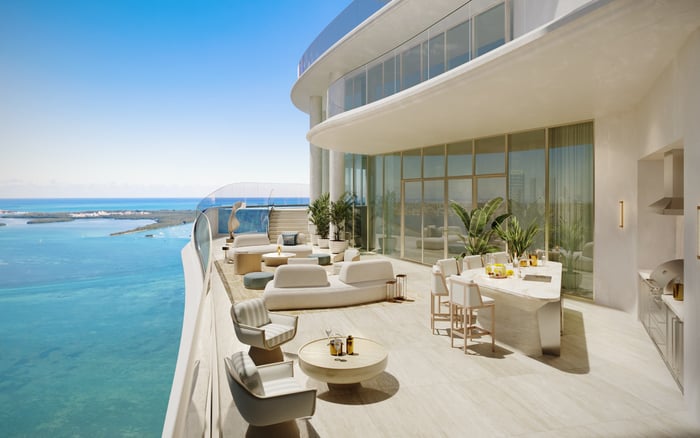
For an oceanfront purchase, test both the balcony and the principal bedroom. The balcony may be intended for sunset drinks, morning coffee, and long conversations; if restaurant music or activity shapes that experience, it should be understood before contract. Inside, the test is more intimate: close the doors, stand still, and listen from the bed wall, bath, and seating area. The result should support the way the home will be lived.
Bayfront living often offers a layered soundscape: water movement, boats, dining terraces, arrival courts, and neighborhood circulation. It can feel glamorous and composed, especially when restaurants are integrated into a walkable waterfront setting. The risk is not necessarily volume; it is accumulation. A little music, a little valet movement, and a little conversation can combine into a sound signature that becomes noticeable over time.
Evaluate the path between restaurant activity and the residence. Is sound traveling across an open bay, through a courtyard, up a facade, or around a marina edge? Is the restaurant below your line of sight, across from your terrace, or around the corner? Two residences in the same building can feel entirely different if one faces a lively arrival sequence and another frames open water.
Waterview buyers should also consider reflection. Water and hard surfaces can carry sound differently than landscaped setbacks. The most elegant bayfront homes allow the owner to enjoy proximity without feeling exposed to the venue itself. The ideal is to dine nearby, return home, and feel the city fall away.
In city districts such as Brickell, restaurant access is part of the core value proposition. Dining, private clubs, lounges, retail, fitness, and offices may all sit within a compact radius. For many buyers, that is precisely the point. The residence becomes a private aerie above an energetic urban stage.
The due diligence is therefore more granular. Identify not only where restaurants are, but what type they are. Fine dining, casual patios, late-night lounges, and bars can produce very different patterns. A restaurant that feels calm at 7 p.m. may have a different mood near closing. A street that feels elegant at dinner may become more active when cars, rideshare, and valet operations converge.
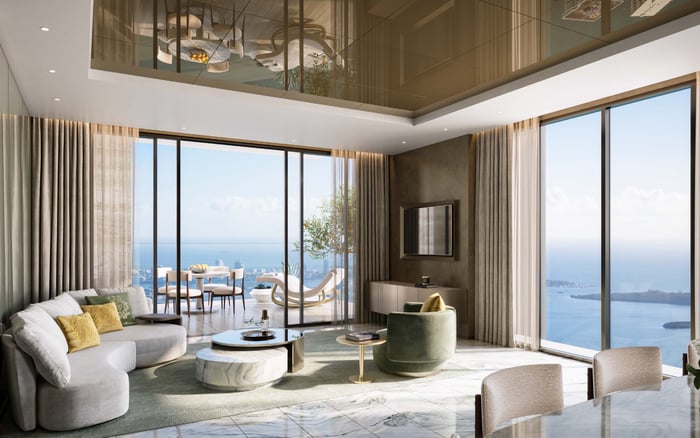
Height can help, but it is not a universal answer. Higher floors may distance the home from conversation and street movement, while certain repetitive sounds can still rise. Corner exposure, window quality, balcony depth, and bedroom placement all matter. In a city residence, the best unit is not simply the highest one. It is the one where the floor plan protects the rooms that need to feel most private.
A polished showing can make almost any residence feel serene. To compare restaurant noise accurately, ask for access at more than one time of day when feasible. Stand in silence for a full minute in each major room. Listen near the glazing, then from the center of the room. Step onto the balcony or terrace and note whether the sound feels atmospheric, directional, or intrusive.
Check the primary suite with the same seriousness you would apply to closet space or bathroom stone. Close the doors. Turn off music. Pause the conversation. Notice whether sound enters through glass, vents, corridors, or structural pathways. If the residence has multiple bedrooms, compare them; one may be ideal for guests while another is better suited for the owner’s suite.
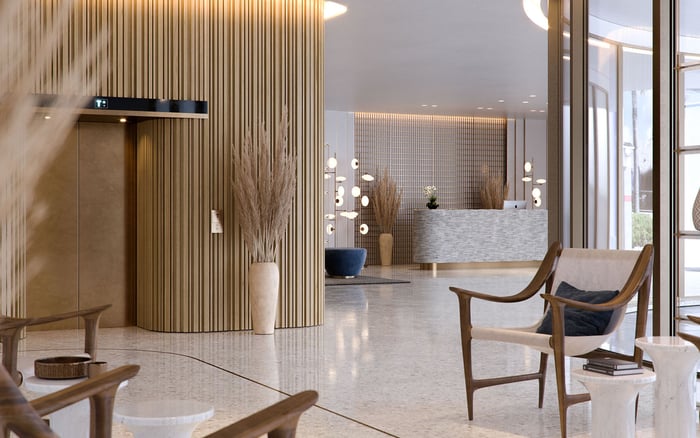
Do not ignore common areas. A lobby near a restaurant entrance can feel vibrant, but it may also change the character of arrival. Pool decks, porte cochères, elevators, and parking levels can reveal how hospitality activity intersects with residential privacy.
Ask direct, practical questions about restaurant adjacencies, outdoor seating, operating patterns, building rules, service access, and event use. You do not need every answer to be dramatic; you need enough clarity to price comfort correctly. The aim is to understand whether the residence gives you control.
If restaurant proximity is part of the appeal, decide what level of sound you welcome. Some buyers want a neighborhood that feels alive below them. Others want dining close by but acoustically separate from home. Both preferences are valid, and both can be luxurious when chosen consciously.
Finally, compare like with like. Do not judge an oceanfront retreat by the standards of a city tower, or a city tower by the standards of a private waterfront enclave. Each setting offers a different bargain between immediacy and quiet. The right purchase is the one where the atmosphere outside reinforces the life you want inside.
Should I avoid buying near restaurants altogether? No. Restaurant proximity can be a major lifestyle benefit when the residence still protects privacy, sleep, and outdoor enjoyment.
Is oceanfront living always quieter than city living? Not always. The answer depends on exposure, nearby hospitality uses, building design, and the specific unit position.
Can a high floor solve restaurant noise? Height can help, but it should not be treated as a guarantee. Orientation, glazing, and bedroom placement also matter.
What is the best time to test restaurant noise? Visit during the hours you expect to be home, especially evenings, weekends, and early mornings if those matter to your routine.
Should I test noise from the balcony or inside the unit? Test both. A terrace may feel lively while the interior remains calm, or the reverse may reveal an issue.
Are bars different from restaurants for noise evaluation? Yes. Bars may have later activity patterns, different arrival flows, and a more social sound profile than quiet dining rooms.
Does bayfront sound travel differently? It can feel more open and layered, especially around water, marinas, and outdoor dining, so unit-specific listening is essential.
What room matters most when judging noise? The primary bedroom usually deserves the closest attention because it affects rest, privacy, and daily comfort.
Can building amenities add to restaurant noise concerns? Yes. Pool decks, lobby restaurants, arrival courts, and event spaces can shape the overall acoustic experience.
How should I compare two homes with similar views? Choose the residence whose sound profile best matches your daily routine, not only the one with the more dramatic outlook.
For a tailored shortlist and next-step guidance, connect with MILLION.
If branded residences are on your mind — as a home or as an allocation — we would be glad to share what we are seeing, privately.
Begin a quiet conversation