A practical luxury buyer’s guide to evaluating private dining rooms in South Florida condos, from reservation control and service access to acoustics, privacy, finishes, and long-term usability.
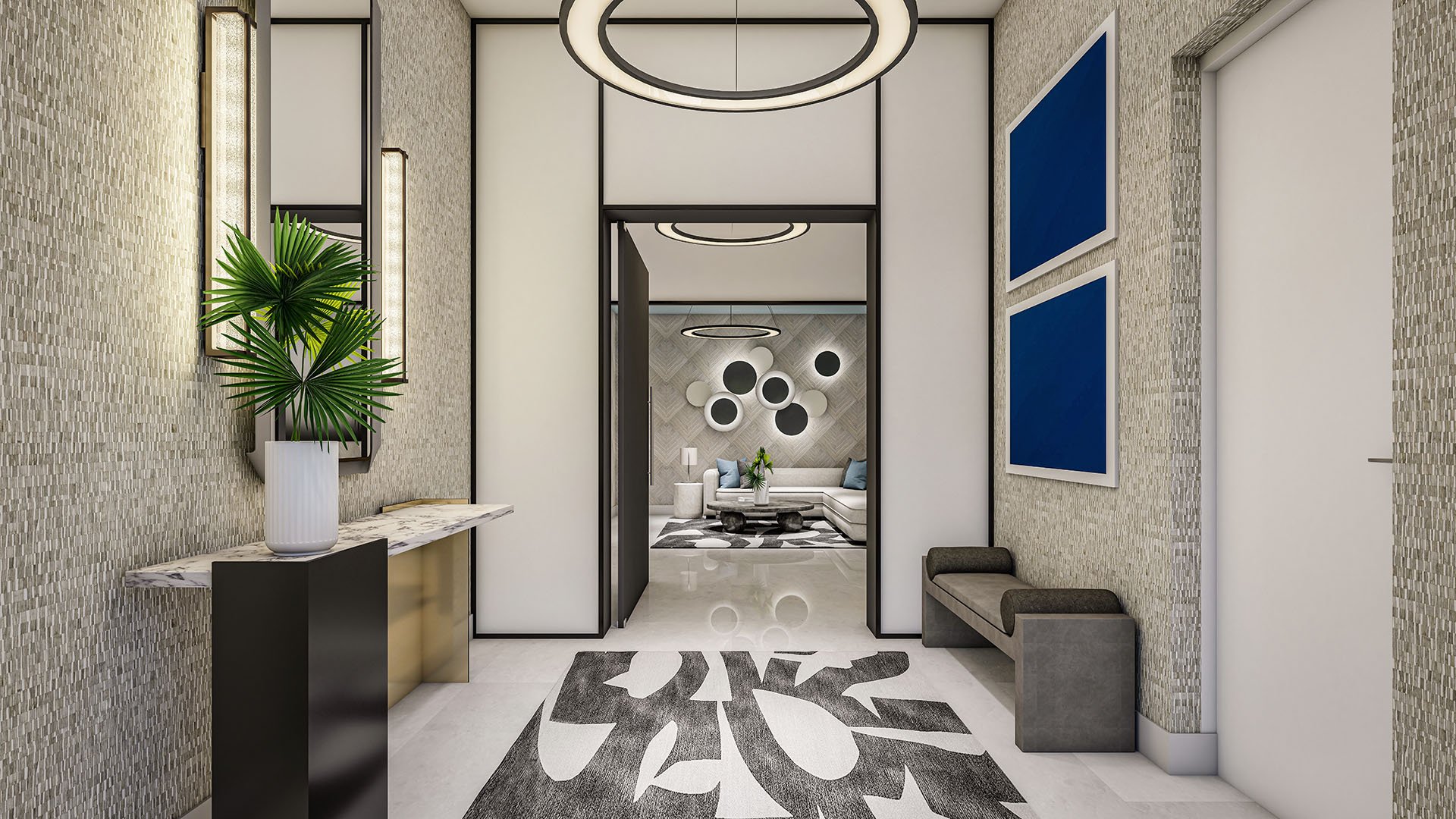
In South Florida’s highest tier of condominium living, the private dining room is more than a handsome amenity. It is a measure of how a building understands entertaining, discretion, and service. For buyers weighing new construction against resale, the room deserves the same scrutiny as a primary suite, terrace, lobby, or wellness floor.
The best private dining rooms do not simply photograph well. They function beautifully. They allow a resident to host a birthday dinner, business supper, holiday gathering, or chef-led tasting without giving up the privacy of the residence. The difference between a memorable amenity and a rarely used showpiece often comes down to the details: how guests arrive, where catering stages, how sound travels, who controls reservations, and whether the room still feels intimate after the marketing moment has passed.
A buyer comparing Brickell, Miami Beach, Sunny Isles, Fort Lauderdale, and other South Florida settings should begin with one premise: the dining room is part architecture, part hospitality, and part building governance. All three must be strong.
Many buyers are first drawn to finishes: stone, lighting, millwork, wine display, tableware, and views. Those details matter, but they should not be the first test. Begin by imagining the specific occasions you expect to host. A seated dinner for twelve has different demands than a reception for thirty. A family holiday requires something different from a discreet investor dinner.
Ask whether the room feels proportionate when fully set. A space can look dramatic when empty and feel strained once chairs, service staff, floral arrangements, and guest movement are introduced. Circulation around the table is critical. Guests should not have to squeeze past walls or service stations, and staff should not cross awkwardly through conversation zones.
Also consider the emotional temperature of the room. Some private dining rooms are designed for spectacle; others are designed for calm. A waterfront residence may benefit from an understated dining room that lets the view lead. An urban tower may favor a more club-like atmosphere, with lower lighting and a stronger sense of enclosure. Neither is inherently better. The right answer depends on how you entertain.
New-construction buildings often present private dining as part of a broader hospitality narrative. The room may be shown with curated art, designer furnishings, chef’s kitchen access, or a seamless connection to a lounge, terrace, or bar. This can be compelling, especially for buyers who want amenity spaces that feel fresh, cohesive, and planned from the start.
The central question is whether the promise is operationally clear. A rendering may show a perfect dinner party, but buyers should understand how the room will be reserved, whether food can be prepared on site, whether outside chefs or caterers are permitted, and how cleanup is handled. If the building is still in planning or delivery, the most important conversation is not only about design intent. It is about rules, staffing, and control.
New-construction may also offer the advantage of contemporary back-of-house planning. Look for logical service access, discreet storage, proper separation from noisy amenity areas, and enough flexibility for different table layouts. A beautiful private dining room beside an active children’s area, fitness corridor, or busy pool entrance may not deliver the privacy its materials suggest.
Resale buildings offer something new projects cannot fully provide: evidence of how the amenity actually lives. Buyers can often observe the approach sequence, the feel of adjacent corridors, the condition of furnishings, and the way management describes the reservation process. That lived quality is invaluable.
In a resale setting, condition becomes part of the comparison. A private dining room may have excellent proportions but dated finishes. Another may look immaculate because it is seldom used, which raises a different question: is it underused because residents prefer entertaining at home, or because the rules are cumbersome? Wear is not automatically negative. In a well-managed building, thoughtful use can indicate that residents value the space.
Pay close attention to governance. Reservation windows, deposits, cleaning fees, guest limits, alcohol policies, music restrictions, and hours of use can shape the real utility of the amenity. A smaller room with sensible rules may be more valuable than a grander one that is difficult to book or heavily restricted.
Private dining begins before guests sit down. The arrival sequence should feel considered. Ideally, visitors can be received without feeling lost in the building or exposed to excessive resident traffic. The path from lobby to dining room should be intuitive, polished, and discreet.
Privacy is not only visual. Sound matters. A private dining room should allow conversation without echo, corridor noise, or music bleeding in from nearby spaces. Buyers should listen as carefully as they look. Hard surfaces can create brilliance, but too much stone, glass, and metal can make a room tiring over a long dinner.
Restroom access should be nearby but not intrusive. Service doors should be practical without becoming visually dominant. If the dining room opens to an outdoor terrace, consider whether that connection enhances the event or introduces wind, heat, humidity, or noise concerns. South Florida entertaining often benefits from indoor-outdoor fluidity, but the best rooms do not depend on perfect weather to feel complete.
The invisible elements usually determine whether a private dining room works. A prep kitchen, warming area, refrigeration, plating counter, storage, and direct service access can elevate the experience dramatically. Without them, even a gorgeous room may require awkward workarounds.
Buyers should distinguish between a catering kitchen and a decorative kitchenette. The former supports real hosting. The latter may be useful for coffee, glassware, or light staging, but it may not sustain a multi-course dinner. Ask how food arrives, where staff can stand, how trash is removed, and whether deliveries must cross public resident spaces.
Technology should be equally discreet. Lighting scenes, music control, window treatments, and climate control should be easy to manage. Overly complicated systems can frustrate hosts and staff. The ideal room allows the resident to focus on guests rather than switches, apps, and approvals.
Capacity should be read in context. A very large building with one modest private dining room may create booking pressure. A boutique building with a smaller room may feel more available and personal. The question is not simply how many people the room seats, but how many residents are likely to compete for it.
Exclusivity can be positive when it preserves quality. It can be limiting when access becomes uncertain. Buyers should ask whether reservations are first come, first served, lottery based, or limited by frequency. They should also ask whether major holidays are handled differently.
The building’s social culture matters. Some communities embrace shared amenity entertaining. Others are more residence-centric, with owners preferring to host inside their own homes. A private dining room has the greatest value when it matches the rhythm of the residents who live there.
A private dining room should complement the residence, not duplicate it. If your home already has a large dining area, chef’s kitchen, and expansive terrace, the building’s dining room must offer something additional: staff support, greater capacity, a different mood, or separation from family life. If your residence is more intimate, the amenity may function as an essential extension of the home.
Consider storage and convenience. If hosting requires transporting every glass, candle, menu, and bottle from your residence, the room may be less effortless than it appears. If the building offers tableware, AV support, approved service staff, or a clear setup process, the amenity becomes much more usable.
The strongest private dining rooms create a sense of ownership without the maintenance burden. They feel personal for an evening, then return to the building’s service ecosystem.
Before assigning value to a private dining room, walk through five questions. First, can the room host the events you actually imagine? Second, does the service infrastructure support real dining rather than staged photography? Third, are the rules reasonable and transparent? Fourth, does the room feel private in sight, sound, and arrival? Fifth, is the amenity likely to remain elegant over time?
For new construction, press for clarity on the operating plan. For resale, study present condition and actual resident use. In both cases, remember that private dining is not a trophy feature by itself. It is valuable when it saves effort, protects privacy, and gives residents a graceful alternative to hosting every occasion inside the home.
A sophisticated buyer does not ask only, “Is there a private dining room?” The better question is, “Would I confidently host the people who matter most in this room?”
Is a private dining room more valuable in new construction or resale? It depends on execution. New construction may offer fresher design, while resale can reveal how well the amenity actually operates.
What is the first thing to inspect in a private dining room? Start with function: capacity, circulation, service access, acoustics, and privacy. Finishes should come after those essentials.
Should buyers ask about reservation rules? Yes. Reservation windows, fees, guest limits, and holiday policies can strongly affect how useful the room is.
Does a catering kitchen matter? It can matter greatly for formal entertaining. A true prep area supports smoother service and a more polished guest experience.
How important are acoustics? Very important. A beautiful room that echoes or absorbs corridor noise may feel less luxurious during a long dinner.
Can a small private dining room still be valuable? Yes. A smaller room with strong privacy, easy booking, and elegant service may outperform a larger but less practical space.
What should buyers look for in resale buildings? Look at condition, management clarity, booking procedures, and signs of thoughtful use. Existing operation is a major advantage.
What should buyers verify in new-construction buildings? Ask how the amenity will be staffed, reserved, maintained, and supported for catering. Renderings do not answer those questions alone.
Does the dining room need outdoor access? Not necessarily. Outdoor access can be appealing, but indoor comfort, privacy, and service flow are more important.
What is the best way to shortlist comparable options for touring? Start with location fit, delivery status, and daily lifestyle priorities, then compare stacks and elevations to validate views and privacy.
When you're ready to tour or underwrite the options, connect with MILLION.
If branded residences are on your mind — as a home or as an allocation — we would be glad to share what we are seeing, privately.
Begin a quiet conversation