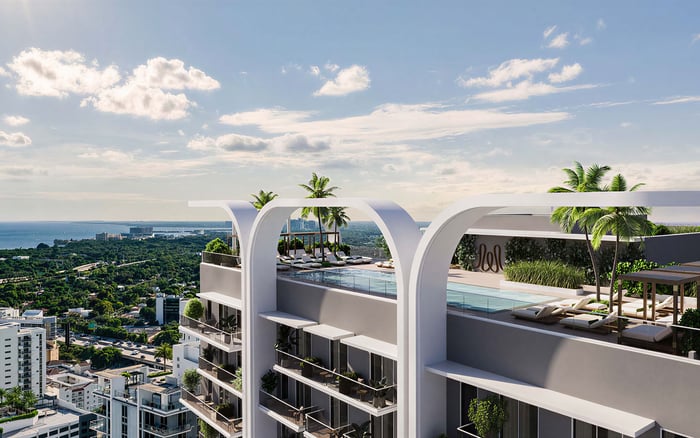
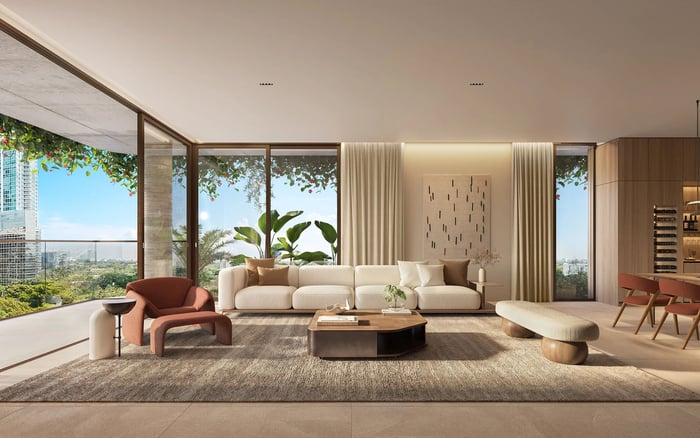
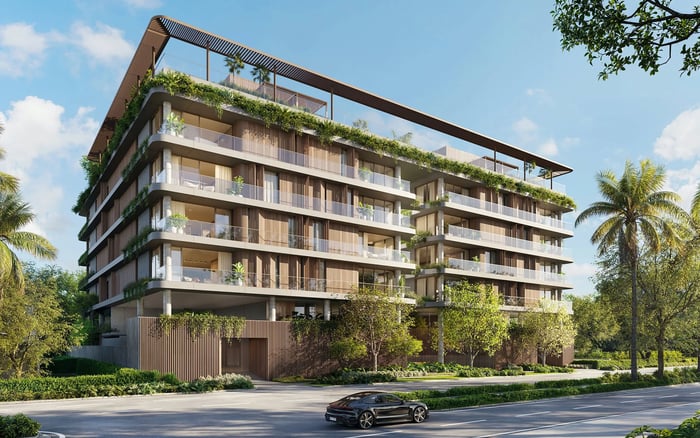
A discreet buyer’s guide to evaluating wind comfort, terrace usability, and due-diligence questions before purchasing a Brickell penthouse.
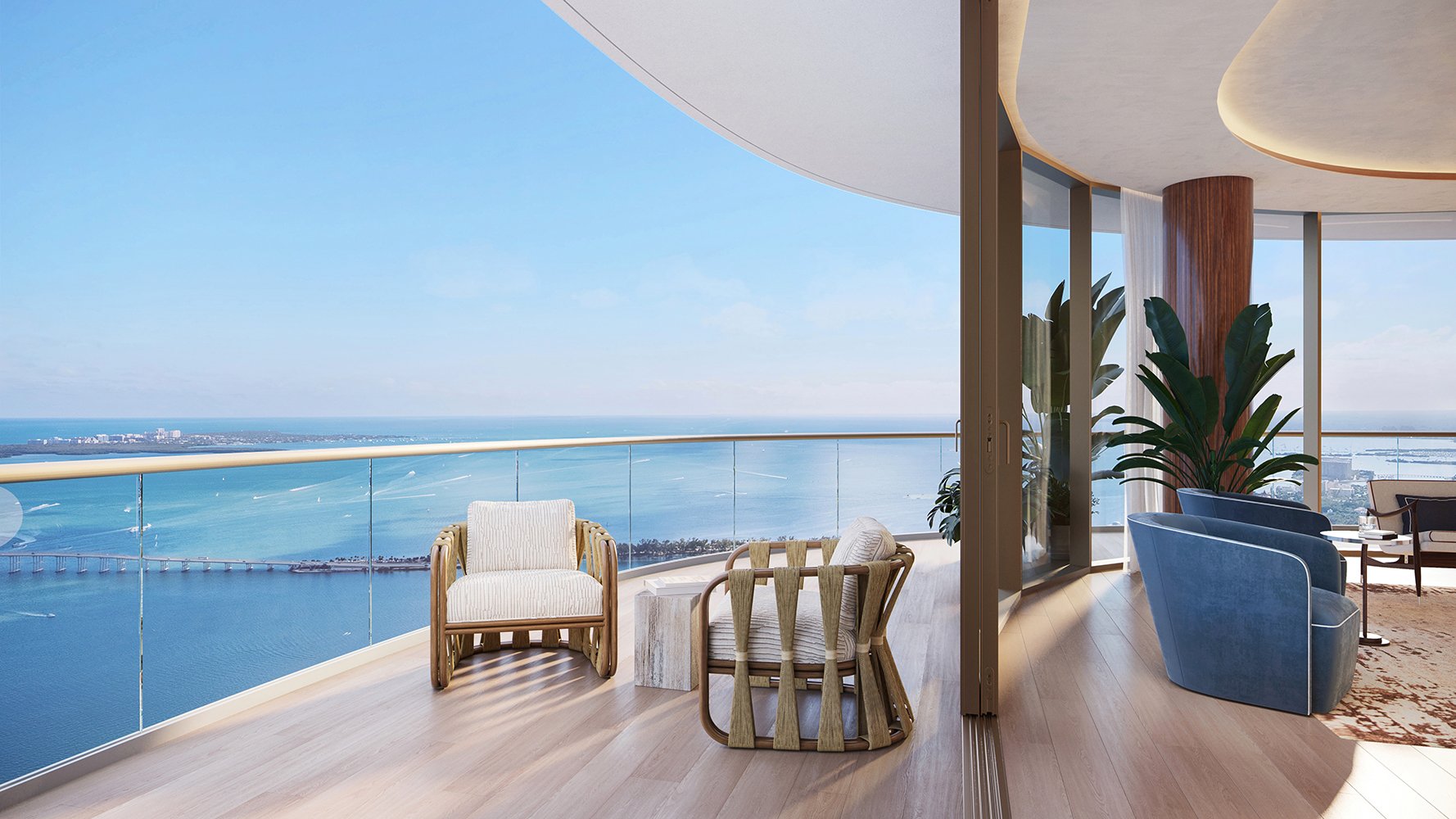
In Brickell, the word penthouse often carries a familiar set of expectations: privacy, height, views, scale, and a sense of arrival. Yet one of the most meaningful daily variables is less visible in a rendering and harder to price at first glance. Wind can determine how often a terrace is used, how comfortably dinner can be hosted outside, how well plants perform, and whether a dramatic outdoor room feels serene or merely performative.
This is not a reason to avoid height. It is a reason to compare height intelligently. A penthouse should not be evaluated only by square footage, finishes, ceiling height, or the sweep of its Waterview. It should be experienced as a living environment, with attention to how air moves around the building, across the Balcony, and through the indoor-outdoor transitions that often define the residence’s emotional value.
For sophisticated buyers, wind review is not a search for defects. It is part of the same disciplined evaluation applied to exposure, privacy, elevator service, parking, views, and long-term Investment quality.
The first mistake is treating a Terrace as a line item. A private outdoor area can look exceptional in marketing material while behaving very differently in daily life. The question is not simply whether the penthouse has outdoor space. The better question is whether that space supports the way you intend to live.
Begin with specific uses. Morning coffee has a different tolerance for breeze than a formal dinner. A chaise lounge has different exposure than a dining table. A covered seating zone may feel entirely different from an open corner. If the terrace is intended for entertaining, consider where guests naturally gather, where doors open, and whether service from the kitchen remains practical when conditions are breezy.
Railing design deserves particular attention. Glass railings can preserve views, but the feeling at the edge of a high outdoor space depends on more than transparency. Height, continuity, gaps, and the relationship to furniture placement all matter. A terrace that feels calm near the facade may feel notably more active near a corner or outer edge.
Wind comparison is rarely about height alone. Orientation, building shape, neighboring structures, and floor-plate geometry all influence comfort. A corner penthouse may deliver superior view drama, but it can also create more exposed outdoor zones than an interior-facing terrace. A recessed terrace may behave differently from a projecting balcony. A broad open edge may feel different from a sheltered outdoor room framed by walls.
When comparing multiple residences, create a simple buyer matrix. Note the main exposure, corner condition, outdoor depth, degree of cover, door placement, and where furniture would actually sit. This helps keep the view from overwhelming the functional analysis.
High-floors deserve their own category of review. At elevation, small design differences can become meaningful in daily use. A few feet of terrace depth, a covered section, or a more protected seating area may be the difference between an outdoor space used frequently and one admired primarily from inside.
A single showing can be misleading. Wind, like light and sound, changes across the day. A calm afternoon visit does not fully answer the question, just as a breezy showing should not automatically disqualify a residence. The goal is pattern recognition.
If possible, ask to experience the home at different times: morning, late afternoon, and evening. Open the terrace doors, stand in the likely seating areas, and move from interior to exterior more than once. Notice whether the door pressure feels manageable. Listen for whistling, rattling, or vibration around doors and railings. Observe whether the outdoor space invites lingering or only a quick glance.
For a Balcony or terrace intended as an extension of the living room, test the threshold. The strongest penthouse layouts make the transition feel natural. If the door is difficult to operate, if furniture placement blocks movement, or if the usable outdoor zone is narrower than it appears, the experience may be less luxurious than the plan suggests.
Wind due diligence should be calm and specific. Ask whether the residence has any history of door adjustments, railing noise, water intrusion during storms, or terrace maintenance issues. Ask how outdoor furniture is typically secured. Ask whether planters, screens, umbrellas, or shade elements are permitted, and whether any association rules govern terrace use.
For new or recently completed residences, request available technical information relevant to exterior doors, glazing, railings, and terrace drainage. For resale, ask the seller what outdoor furniture arrangements have worked best and which areas they use most often. A seasoned owner can often distinguish between a beautiful terrace and a truly livable one.
This is also where representation matters. A polished buyer process separates emotional reaction from physical performance. The objective is not to turn a lifestyle purchase into an engineering seminar. It is to ensure the daily experience supports the price, the view, and the standard of living the buyer expects.
The best Brickell penthouse is not necessarily the highest, the largest, or the most theatrical. It is the one whose design aligns with how the buyer actually lives. Some clients will accept a more exposed terrace in exchange for panoramic openness. Others will prefer a slightly more sheltered outdoor room that can be used more consistently.
There is no universal answer. A collector who entertains indoors may prioritize skyline presence and interior gallery walls. A family that often dines outside may prize protected outdoor depth. A seasonal resident may care most about the first impression when arriving in Miami, while a full-time owner may focus on morning and evening routines.
Luxury is precision. The residence should not merely photograph well. It should feel composed when doors are open, when guests arrive, when the weather changes, and when the owner is alone at the end of the day looking over the city.
Before moving from admiration to negotiation, compare each penthouse against a short practical checklist. Can the terrace support the furniture layout you want? Is there a protected seating zone? Do doors operate easily? Does the railing feel comfortable when standing or sitting nearby? Are there audible effects when the wind is active? Can outdoor items be secured discreetly? Are any modifications subject to building approval?
Then rank the answers alongside view, privacy, finish quality, and monthly carrying costs. This keeps the decision balanced. Wind should not dominate the acquisition, but it should inform the value conversation, particularly when a meaningful portion of the penthouse lifestyle is tied to outdoor space.
A refined purchase is rarely about eliminating every compromise. It is about understanding which compromises matter and which are merely theoretical. In Brickell, that distinction can be the difference between owning a penthouse that impresses and one that lives beautifully.
Why should penthouse buyers evaluate wind before purchasing? Wind can affect terrace comfort, furniture placement, door operation, entertaining, and how often outdoor space is actually used.
Is a higher penthouse always windier? Not always. Height matters, but orientation, terrace depth, corner exposure, railing design, and neighboring structures can also influence comfort.
How many showings should I request to assess wind? If possible, visit at more than one time of day so you can compare how the residence feels in different conditions.
What should I do during a terrace walkthrough? Stand where seating and dining areas would be, open and close exterior doors, and listen for vibration, whistling, or rattling.
Can furniture choice improve wind comfort? Yes. Heavier outdoor pieces, lower profiles, and thoughtful placement can make a terrace feel more usable and secure.
Should I ask about building rules for terrace items? Yes. Confirm policies for umbrellas, planters, screens, furniture, and any visible additions before assuming they are allowed.
Does a Waterview make wind less important? No. A beautiful Waterview adds emotional value, but daily comfort determines whether the outdoor space becomes part of your routine.
Is a covered terrace usually better? A covered area can provide more protection, but the full design, orientation, and usable depth still need to be evaluated in person.
Should wind affect my offer strategy? It can. If terrace usability is central to value, wind comfort should be considered alongside view, condition, privacy, and layout.
What is the best way to shortlist comparable options for touring? Start with location fit, delivery status, and daily lifestyle priorities, then compare stacks and elevations to validate views and privacy.
To compare the best-fit options with clarity, connect with MILLION.
If branded residences are on your mind — as a home or as an allocation — we would be glad to share what we are seeing, privately.
Begin a quiet conversation