A discreet buyer’s guide to evaluating jewelry safe rooms in South Florida penthouses, from waterfront exposure and daily access to privacy, service flow, and resale confidence.
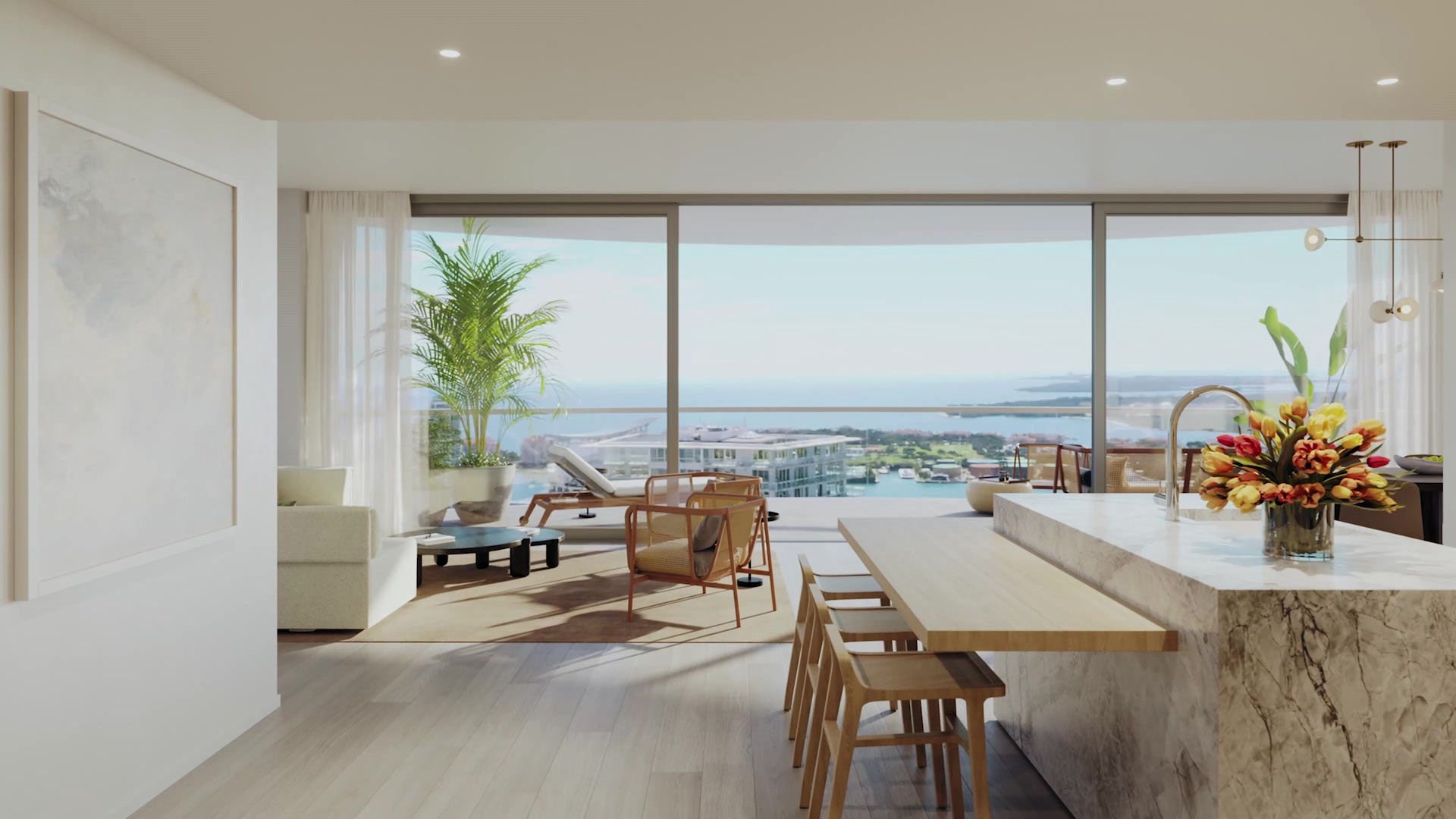
For the buyer weighing a waterfront residence against a skyline aerie, a jewelry safe room is no longer an afterthought tucked behind a closet door. It is part of how a penthouse lives: how one dresses for an evening, how valuables move through the home, how staff access is managed, and how privacy is preserved while entertaining.
The most refined safe room is not always the largest or most theatrical. It is the one that fits the residence with quiet intelligence. Oceanfront, bayfront, and city penthouses each bring a distinct set of priorities. The right comparison begins with setting, then moves to access, discretion, structure, climate planning, and the owner’s daily routines.
Oceanfront residences tend to place lifestyle at the center of the plan. Terraces, direct views, pool decks, beach routines, and guests all shape how personal items are stored and retrieved. In this environment, a jewelry safe room should feel removed from the home’s most social areas, yet close enough to the primary suite to remain practical.
The key question is whether the room protects privacy without interrupting daily rhythm. A safe room placed too far from dressing areas may be underused. One placed too close to entertainment zones can feel exposed. Buyers should study the path between elevator arrival, primary suite, closet, and private bath. The best configuration usually makes access intuitive for the owner and invisible to guests.
For an oceanfront penthouse, the setting also invites close attention to finishes, cabinetry, lighting, and controlled display. Jewelry storage should not read like a retail case unless the owner wants that effect. Many sophisticated buyers prefer concealed organization, soft illumination, and a room that feels like a private dressing extension rather than a visible vault.
Bayfront residences often have a more residential rhythm than pure beachfront homes. The water view may be dramatic, but the day-to-day experience can feel connected to boating, dining, cultural outings, and quieter arrival sequences. A bayfront jewelry safe room should support that versatility.
Waterview living can tempt buyers to prioritize glass, terraces, and open entertaining spaces over back-of-house planning. Yet the safe room belongs within the private architecture of the residence. When comparing bayfront penthouses, look for a plan that separates display from security. A beautiful closet can present watches, necklaces, and evening pieces, while the true secure area remains more discreet.
Service flow matters. If wardrobe assistance, personal shopping, styling, or packing is part of the household pattern, the safe room should not require unnecessary exposure through main living areas. The question is not simply whether there is a secure space. It is whether that space allows the owner to prepare, receive assistance, and secure items without turning a private ritual into a visible event.
In a city setting such as Brickell, the jewelry safe room conversation shifts toward vertical privacy. High floors can offer separation from the street, but the building’s circulation remains central. Buyers should understand how one moves from lobby to residence, how private or semi-private elevator access is organized, and whether the home’s interior plan gives the safe room a truly protected position.
A city penthouse may host business dinners, visiting family, stylists, art advisors, or household staff with greater frequency. That makes zoning essential. Ideally, the safe room sits within a private suite sequence, not along a corridor that guests, service providers, or building personnel might naturally encounter.
City residences also tend to reward efficiency. A compact, carefully detailed safe room may be preferable to a larger space that disrupts the plan. In Miami Beach or Brickell, the most compelling homes often succeed because every private function feels intentional. Jewelry storage should meet that same standard, with access that is direct for the owner and unremarkable to everyone else.
Start with location inside the residence. Is the safe room integrated with the primary suite, closet, or private office, or does it feel like an improvised afterthought? A serious buyer should walk the route several times and imagine ordinary use: returning from travel, dressing for a formal event, securing pieces after guests leave, or meeting a trusted advisor.
Next, evaluate discretion. The entry should not announce itself unless the owner prefers a visible statement. Door placement, millwork alignment, lighting, and circulation all affect whether the room disappears into the architecture or becomes a point of curiosity.
Then consider adaptability. Jewelry collections change. A buyer may need more watch storage, more flat drawers, more necklace organization, or more space for documentation and small heirlooms. The room should allow refinement over time without requiring a complete redesign.
Finally, ask how the room relates to the rest of the residence. A safe room should enhance the emotional ease of ownership. If it complicates the floor plan, disrupts the closet, or creates awkward staff movement, it may diminish the very sense of calm it is meant to provide.
Ask who designed the secure area and whether the design was coordinated with the broader interiors. A safe room treated as part of the residence will usually feel calmer and more polished than one inserted late in the process.
Ask what can be customized. Some buyers want velvet-lined drawers and watch winders. Others prefer minimal cabinetry and maximum concealment. The most important issue is not the specific feature list, but whether the room can be tailored to the way the owner actually lives.
Ask how the room will perform during entertaining. If guests are present, can the owner access key pieces without crossing public spaces? If staff is working in the residence, can privacy be preserved? If the residence is used seasonally, does the storage strategy still feel convenient when arriving or departing?
Most importantly, ask whether the safe room adds confidence. The best version disappears into daily life. It supports the owner without asking for attention.
A well-planned jewelry safe room can signal seriousness to a future buyer, especially in the upper tier of South Florida real estate. It suggests that the residence was planned for privacy, valuable possessions, and a more complete standard of living.
Still, restraint matters. Highly personal finishes, overly theatrical entrances, or layouts that sacrifice closet function may narrow the audience. A more timeless approach is usually stronger: elegant millwork, flexible storage, quiet lighting, and a location that supports both everyday use and long-term discretion.
For buyers comparing oceanfront, bayfront, and city options, the safest conclusion is also the simplest. Do not judge the room in isolation. Judge it as part of the residence’s choreography. The right safe room feels inevitable in its setting, whether behind the hush of the beach, beside the bay, or above the lights of the city.
Is a jewelry safe room different from a large safe? Yes. A safe room is part of the residence’s architecture and daily flow, while a safe is usually a single storage object.
Where should a jewelry safe room be located in a penthouse? It should typically sit near the primary suite, closet, or private dressing area while remaining discreet from guest spaces.
Are oceanfront penthouses harder to plan for jewelry storage? They can require more thoughtful placement because lifestyle spaces, terraces, and guest movement often play a larger role.
What matters most in a bayfront residence? Balance is key: the safe room should support view-driven living while staying within the private zones of the home.
What should Brickell buyers prioritize? Brickell buyers should focus on elevator privacy, interior zoning, and how the safe room relates to entertaining and service flow.
Should the safe room be visible or concealed? Most luxury buyers prefer concealment, although the right choice depends on the owner’s taste and daily routine.
Can a safe room be customized later? Often, yes, but buyers should confirm what can be changed without disrupting cabinetry, lighting, or the surrounding plan.
Does a jewelry safe room improve resale appeal? It can, particularly when it feels elegant, practical, and integrated rather than overly personal or intrusive.
Should staff access be considered? Yes. The room should allow trusted assistance when needed while preserving privacy during events or daily household activity.
What is the best way to compare options? Walk the residence as you would live in it, from arrival to dressing to entertaining, and judge whether the safe room feels effortless.
To compare the best-fit options with clarity, connect with MILLION.
If branded residences are on your mind — as a home or as an allocation — we would be glad to share what we are seeing, privately.
Begin a quiet conversation