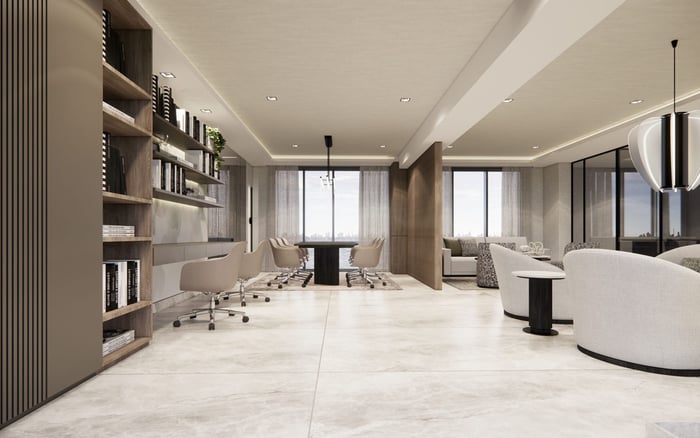
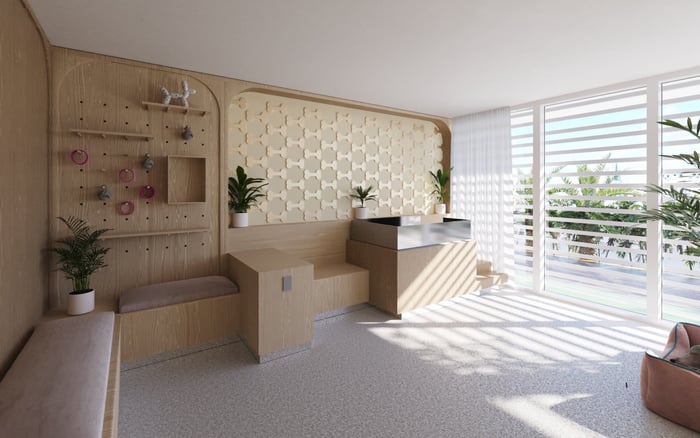
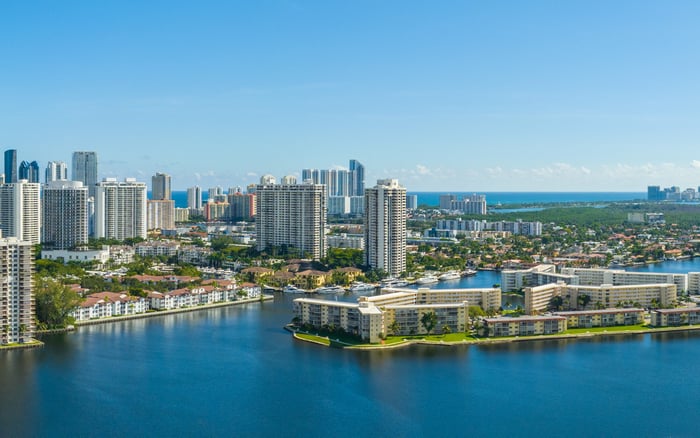
For seasonal buyers, the most consequential luxuries may be the quiet systems used on every arrival: elevator privacy, valet choreography, service access, and reliable oversight.
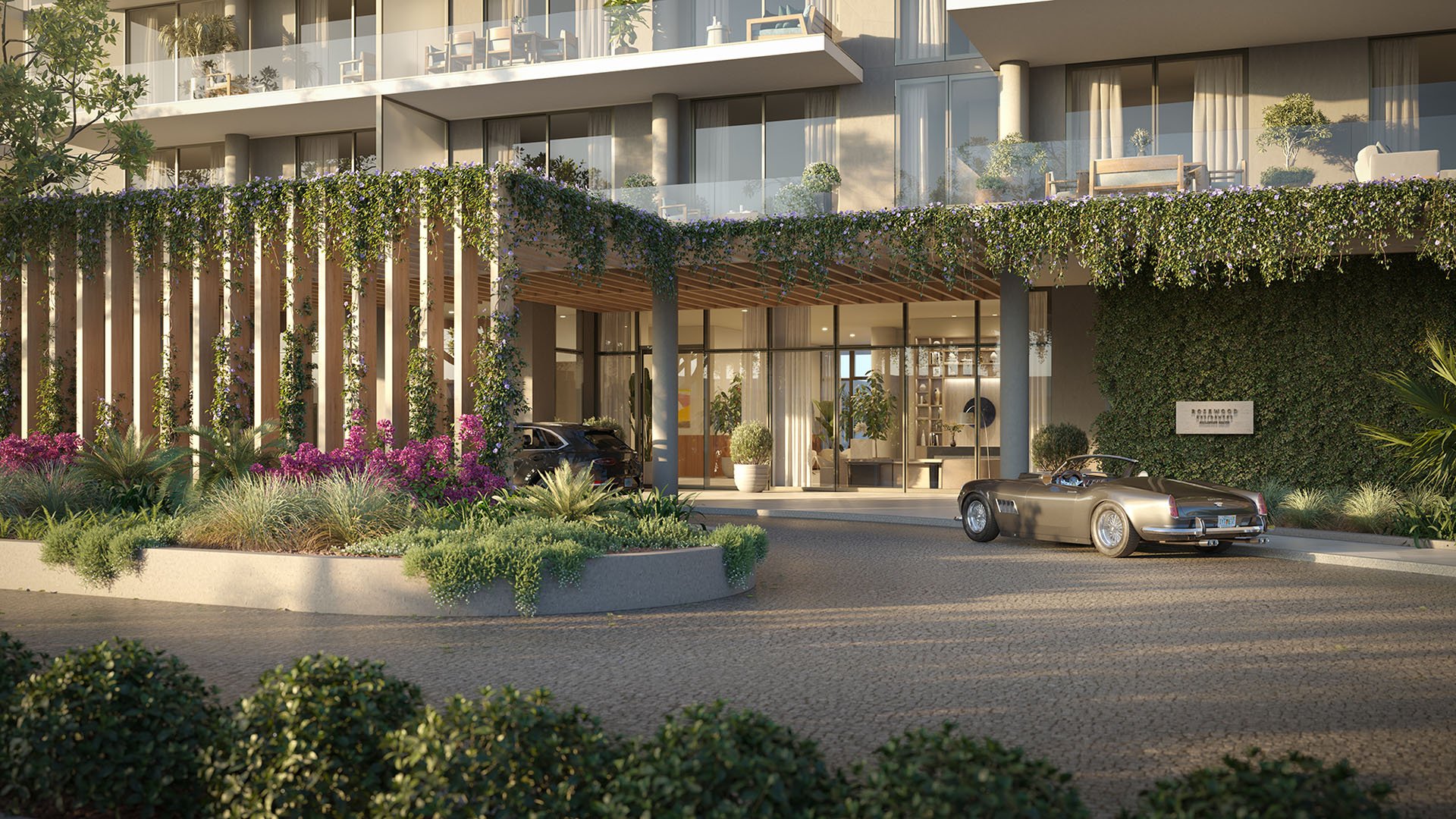
A seasonal residence is experienced through transitions. The owner lands, a driver approaches the property, luggage changes hands, keys pass to the valet, and the household moves from the porte cochère into private space. When that sequence feels composed, the building delivers an immediate sense of ease. When it does not, even an impressive amenity program can feel secondary.
For buyers in Aventura, the useful question is not simply what a tower offers, but how the property performs when an owner arrives with guests, luggage, deliveries, or household staff. Private elevator access and valet flow deserve the same scrutiny as views, terraces, kitchens, and wellness spaces because they shape recurring moments rather than occasional ones.
This is particularly relevant to second-home ownership. A residence that may sit unoccupied for extended periods should feel intuitive and controlled from the first minute back. The strongest due diligence therefore follows the owner's actual path through the building, with close attention to every handoff.
A porte cochère is not merely an architectural gesture. Buyers should study how vehicles enter, pause, unload, queue, and exit. Look for potential conflicts among residents, guests, ride services, deliveries, moving activity, and service vehicles. Ask where luggage waits, how it is identified, and who remains responsible for it during a busy arrival.
The best test is experiential. Visit at more than one time, remain in the arrival area, and observe the choreography without rushing upstairs. Note whether attendants have clear sight lines, whether waiting cars obstruct circulation, and whether passengers can step out comfortably. A beautiful lobby cannot compensate for an entry sequence that feels exposed, confusing, or dependent on perfect conditions.
Buyers considering Avenia Aventura can use its project information to open a detailed conversation, then review current plans, operating policies, and specific answers. Marketing materials should begin the inquiry, not conclude it.
The phrase “private elevator” can describe distinctly different experiences, so buyers should clarify the complete route. Does access begin in the garage or lobby? Is authorization tied to a key, credential, resident profile, or staff action? Where do guests wait, and how are they sent to the correct floor? What happens when a delivery arrives before the owner?
Privacy also depends on operating logic. Ask whether other residents can enter the same cab, whether the elevator opens directly into the residence or a vestibule, and how access is restricted at each stage. Then examine the less glamorous questions: backup procedures, maintenance communication, emergency access, service circulation, and the protocol when a cab is unavailable.
Direct elevator entry can be elegant, but it should not create uncertainty. Buyers should understand how the residence is secured at the elevator threshold and how staff, vendors, housekeepers, and guests receive temporary or recurring access.
Valet service is often described as a convenience. For a seasonal owner, it can function more like essential residential infrastructure. The relevant inquiry extends to staffing, retrieval procedures, guest handling, key custody, overnight protocols, and communication when demand rises.
Ask to see where residents request vehicles and how status updates are delivered. Consider the experience when several households depart at once, when a guest arrives in a separate car, or when luggage must be loaded while another vehicle waits. These scenarios reveal whether circulation has been thoughtfully organized.
The same lens is useful when comparing Aventura with neighboring Sunny Isles Beach. Reviewing Bentley Residences Sunny Isles, Turnberry Ocean Club Sunny Isles, and The Ritz-Carlton Residences® Sunny Isles can help buyers frame questions across different residential concepts. Any comparison should focus on verified plans, current policies, and the owner's intended routine rather than assumptions attached to a project name.
A discreet lobby and enclosed elevator vestibule create visual privacy. Operational privacy is broader: who can identify an owner's movements, who handles access credentials, how guest names are managed, where packages are held, and how vendors move through the property.
Request a step-by-step explanation of arrival for four profiles: owner, invited guest, household employee, and unscheduled delivery. If each path is clear, the building is more likely to feel effortless. If every exception requires improvisation, the burden may eventually fall on the resident or residence manager.
This is where lifestyle priorities become practical. Some owners prefer visible hospitality and personal recognition. Others favor minimal interaction and direct movement upstairs. Neither preference is inherently superior, but the building's service model should align with the household.
Seasonal ownership introduces a second journey: what happens while the owner is away. Buyers should ask how authorized parties enter, how access is documented, and whether residence checks, contractor visits, deliveries, or preparation before arrival require separate arrangements.
Clarify who can approve access and how that approval can be changed remotely. Discuss the protocol for urgent entry, elevator disruption, misplaced credentials, or a guest arriving before the owner. The aim is not to collect promises, but to understand responsibilities, boundaries, and escalation paths.
A useful review also covers the transition back into the residence. Can groceries or luggage be handled before arrival? Can a residence manager coordinate with the front desk and valet? Which requests require advance notice? Answers should be confirmed in current governing and service documents where applicable.
Traditional buyer's guides often organize buildings by pools, fitness rooms, spas, lounges, and dining spaces. Those categories are useful, but they do not fully describe daily performance. A more revealing comparison matrix places arrival, parking, elevator access, guest entry, service circulation, package handling, and absence management alongside the amenities.
Score each item according to the household's actual habits. An owner who frequently entertains may prioritize guest processing and additional vehicle handling. A buyer who travels with family may focus on luggage staging and simultaneous arrivals. Someone who values discretion may place elevator control and vendor routing above expansive common areas.
The goal is not to select the building with the most features. It is to identify the residence whose operations reduce friction without demanding constant attention.
Before committing, seek current answers from the parties responsible for sales, management, security, valet operations, and legal documentation. Questions asked across departments can expose differences between design intent and operating practice.
Walk the route from curb to residence, then reverse it. Include the garage if relevant. Time a vehicle request during a realistic visit. Ask how guest credentials expire and how household staff access is modified. Review what occurs during maintenance or an emergency. Finally, distinguish included service from separately arranged service, and written policy from informal accommodation.
This measured approach suits Aventura buyers who expect privacy without ceremony. The most convincing residential experience is often the one that removes small decisions, protects personal space, and remains coherent whether the owner is present or away.
Why can arrival flow matter more than a long amenity list? Arrival flow affects every entry and departure, while many amenities may be used only occasionally.
What should a buyer verify about a private elevator? Verify its access points, credential controls, guest process, residence threshold, and backup procedure.
Does private elevator access always mean direct residence entry? Not necessarily. Buyers should confirm the exact configuration in current plans and documents.
When should valet operations be observed? Observe them at different times and under realistic activity rather than only during a quiet tour.
What valet questions are most important for seasonal owners? Ask about retrieval, guest vehicles, key custody, luggage handling, staffing, and escalation procedures.
How should household staff access be evaluated? Confirm how recurring access is authorized, monitored, changed, and revoked while the owner is away.
What is the difference between visual and operational privacy? Visual privacy concerns physical exposure; operational privacy concerns access, information, and service protocols.
Should buyers rely on a sales presentation for operating details? Use it as a starting point, then confirm relevant details through current plans, policies, and governing documents.
How can nearby projects support a comparison? They can broaden the question set, provided each property is assessed through its verified current materials.
What is the central test for a seasonal residence? It should remain secure, legible, and easy to manage both during occupancy and throughout an owner's absence.
When you're ready to tour or underwrite the options, connect with MILLION.
If branded residences are on your mind — as a home or as an allocation — we would be glad to share what we are seeing, privately.
Begin a quiet conversation