A buyer-focused analysis of how Fort Lauderdale branded residences convert hospitality identity into location value, service confidence, design discipline, and lifestyle appeal.
In South Florida’s upper tier, the most persuasive residential brands do more than place a familiar name on a building. They translate hospitality language into the daily rituals of private ownership: arrival, privacy, service, maintenance, amenity access, design continuity, and emotional confidence. That distinction is especially relevant in Fort Lauderdale, where waterfront identity, beach proximity, and yachting culture shape how buyers evaluate long-term lifestyle value.
The conversation around St. Regis® Residences Bahia Mar Fort Lauderdale begins with a recognizable hospitality flag, but its residential importance is more precise. The St. Regis name functions as a trust signal for buyers who associate the brand with heritage, service, and curated luxury. In a market where affluent buyers can compare new residences across Broward, Miami-Dade, and Palm Beach, that signal can reduce perceived uncertainty and give the ownership proposition a clearer identity.
Viewed beside The Ritz-Carlton Residences® Fort Lauderdale, the broader question is not which name is more famous. It is how each brand promise is converted into residential value that a buyer can feel, use, and rely upon after closing.
A branded residence works best when the brand-to-value chain is coherent. First comes recognition. A globally understood hospitality identity gives the buyer an immediate point of reference. Second comes lifestyle differentiation. The name should imply a specific mode of living rather than a generic luxury package. Third comes service culture, where the promise becomes operational. Finally, the strongest branded residences create perceived long-term asset appeal because the ownership experience feels more legible and more curated than an unbranded alternative.
For St. Regis® Residences Bahia Mar Fort Lauderdale, this chain is anchored by the idea that the St. Regis language is not only a logo. It is a framework for design, amenity programming, and homeowner experience. Buyers are not simply purchasing a private residence in Fort Lauderdale. They are responding to an expectation that the residence, the common spaces, the staff interaction, and the daily cadence of the property will speak the same language.
That is the essential difference between branding as marketing and branding as value. Marketing may create the first appointment. Value is created when the promise is sustained through staffing, service standards, maintenance discipline, and a resident experience that feels consistent over time.
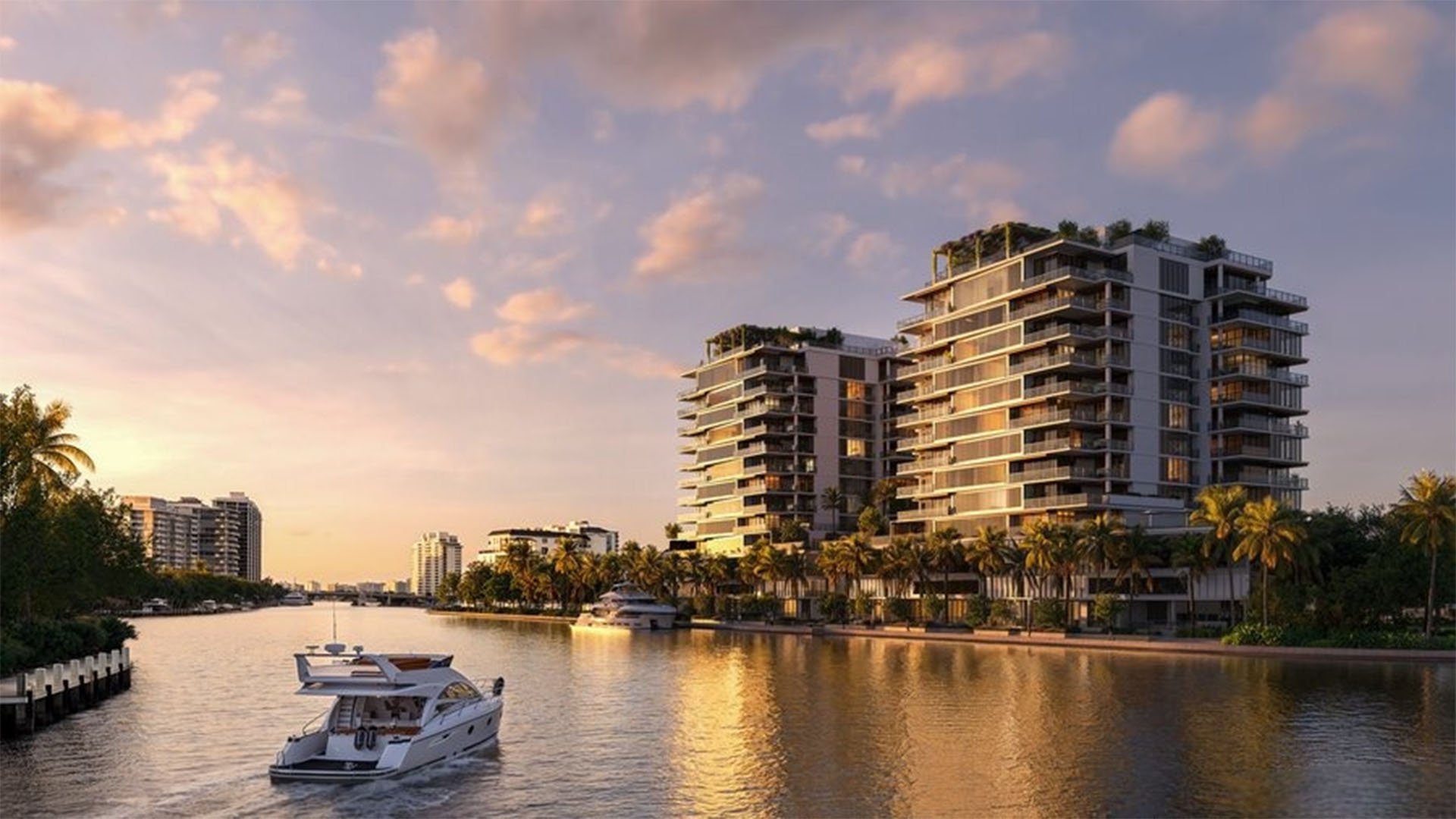
Location remains the foundation. Bahia Mar gives the St. Regis project a site narrative tied to Fort Lauderdale’s waterfront identity and yachting culture. In this setting, the brand is not operating in abstraction. It is being placed into a city where boating, beachfront living, and resort-style expectations already form part of the luxury buyer’s mental map.
That matters because waterfront value in Fort Lauderdale is not only visual. It is behavioral. Owners want a daily environment connected to the water, leisure, and the city’s coastal rhythm. The St. Regis name adds another layer: a belief that this lifestyle will be curated through hospitality instincts rather than left to chance.
Fort Lauderdale Beach also plays an important role in how luxury buyers read the city. It gives the market a recognizable coastal identity while allowing residences to speak to a more relaxed, yacht-conscious audience than some of Miami’s more urban corridors. Projects such as Four Seasons Hotel & Private Residences Fort Lauderdale and Auberge Beach Residences & Spa Fort Lauderdale have helped make hospitality-led residential living part of the local buyer conversation, placing service and atmosphere alongside views, floor plans, and finishes.
The most disciplined way to evaluate branded residences is to separate tangible value from intangible confidence. Tangible value includes location, amenities, services, architecture, interior design, arrival sequence, privacy, and the quality of resident-facing operations. These are the features a buyer can inspect and compare.
Intangible confidence is different. It is the brand halo. It is the emotional shorthand that tells a buyer, before reading every specification, what the residence intends to be. For St. Regis, that halo is linked to heritage, service, and curated luxury. For The Ritz-Carlton name, buyers often approach the conversation with an expectation of disciplined hospitality and residential composure, even when individual project details must be reviewed on their own merits.
The sophisticated buyer should not confuse intangible confidence with a substitute for due diligence. Brand trust is powerful, but it is most valuable when it aligns with tangible fundamentals. A compelling location without operational excellence can feel incomplete. A famous name without spatial quality can feel thin. The best branded residences are those where both sides reinforce each other.
The language of hospitality can be elegant, but residential buyers should listen for operational clarity. Who manages the resident experience? How are service standards maintained? How does the building preserve privacy while delivering convenience? How does amenity programming serve owners rather than simply photograph well?
These questions are particularly important because a branded residence is an ongoing relationship. The buyer is not only acquiring walls, views, and finishes. The buyer is accepting a promise about daily life. In this sense, lifestyle becomes part of the asset itself. A residence that consistently delivers ease, discretion, and service can feel more valuable because it protects the owner’s time and attention.
This is also where Fort Lauderdale’s branded landscape becomes more nuanced. A buyer comparing St. Regis Bahia Mar with Ritz-Carlton Fort Lauderdale may also look across South Florida to understand how hospitality names behave in different settings, from St. Regis® Residences Sunny Isles to St. Regis® Residences Brickell. The lesson is not that all branded residences are interchangeable. It is that the same buyer may use brand language as a filter, then use location, service structure, and design execution to make the final decision.
For St. Regis® Residences Bahia Mar Fort Lauderdale, the value test begins with whether the brand’s heritage and service associations are translated into a convincing residential framework. Bahia Mar supports the story by connecting the project to Fort Lauderdale’s water-oriented identity and yachting culture. The St. Regis flag gives that story a recognizable service vocabulary.
For The Ritz-Carlton Residences® Fort Lauderdale, the most responsible comparison is at the level of buyer expectation. The name itself carries a hospitality identity that many luxury consumers understand. The buyer’s task is to examine how that identity is expressed in the residence, the resident journey, and the operating standards that shape ownership.
In both cases, the most meaningful value is cumulative. It comes from a recognized flag, a differentiated lifestyle, a coherent service culture, and the confidence that the property’s identity will remain clear over time. That is why branded residential value is never just about prestige. It is about reducing friction in the luxury purchase decision and then delivering a home that continues to justify the promise.
What makes a branded residence different from a luxury condominium? A branded residence connects private ownership to a recognized hospitality or lifestyle identity. The strongest examples translate that identity into service standards, design, amenities, and daily resident experience.
Why is Bahia Mar important to the St. Regis story? Bahia Mar gives St. Regis® Residences Bahia Mar Fort Lauderdale a site narrative tied to Fort Lauderdale’s waterfront identity and yachting culture. That location context strengthens the project’s lifestyle positioning.
Is brand value only about the name on the building? No. The name may create recognition, but lasting value depends on how the promise is sustained through staffing, service, design, and amenities.
How should buyers compare St. Regis and Ritz-Carlton residences? Buyers should compare the brand promise, location, service model, design execution, and resident experience. The best comparison focuses on how each identity becomes practical residential value.
Can a brand reduce buyer risk? A familiar hospitality standard can reduce perceived risk by giving buyers a clearer expectation of quality and service culture. That confidence should still be paired with careful review of the individual property.
What is tangible value in a branded residence? Tangible value includes location, amenities, services, design quality, privacy, and the operational structure of the building. These are the elements buyers can inspect and evaluate directly.
What is intangible value in a branded residence? Intangible value includes brand halo, emotional confidence, heritage, and the sense of trust a buyer associates with a recognized luxury name. It can influence both attraction and perceived long-term appeal.
Why does Fort Lauderdale suit branded residential living? Fort Lauderdale combines beachfront living, boating culture, and a strong waterfront identity. Those qualities align naturally with hospitality-led residential expectations.
Should buyers assume every branded residence performs the same way? No. Each residence should be judged on its own location, execution, service standards, and ownership structure. A strong brand is a starting point, not the entire evaluation.
What is the core value proposition of St. Regis® Residences Bahia Mar Fort Lauderdale? Its proposition is the translation of St. Regis hospitality language into residential features, service expectations, and lifestyle differentiation. The Bahia Mar setting adds waterfront and yachting context.
When you're ready to tour or underwrite the options, connect with MILLION.
If branded residences are on your mind — as a home or as an allocation — we would be glad to share what we are seeing, privately.
Begin a quiet conversation